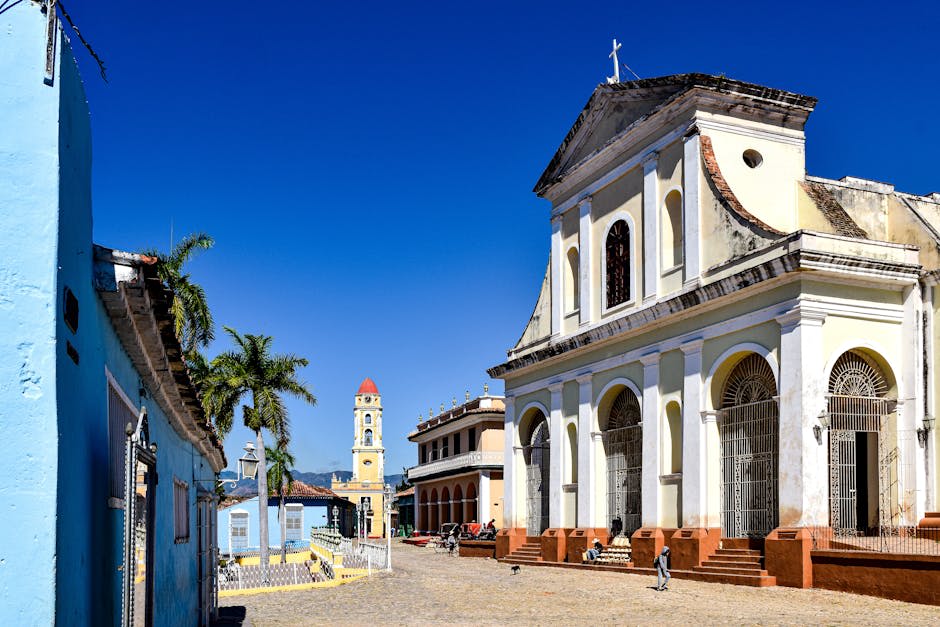
Remedios is one of Cuba’s oldest towns, founded in 1513, and for most of the year it embodies small-town colonial Cuba at its most tranquil — a single main plaza, a beautifully gilded church interior, a handful of casas particulares, and the sound of horse hooves on cobblestones. The Plaza Isabel II is intimate and perfect, the Iglesia de San Juan Bautista hiding a gold-leaf altarpiece that rivals anything in Havana.
I visited Remedios twice. The first time was in March, when the town was so quiet that my footsteps on the plaza echoed off the church walls. The casa particular owner, a retired schoolteacher named Carmen, seemed genuinely surprised to have a guest and insisted on cooking a lunch that could have fed four people. The second visit was December 24th, for the Parrandas. Same town. Entirely different universe.
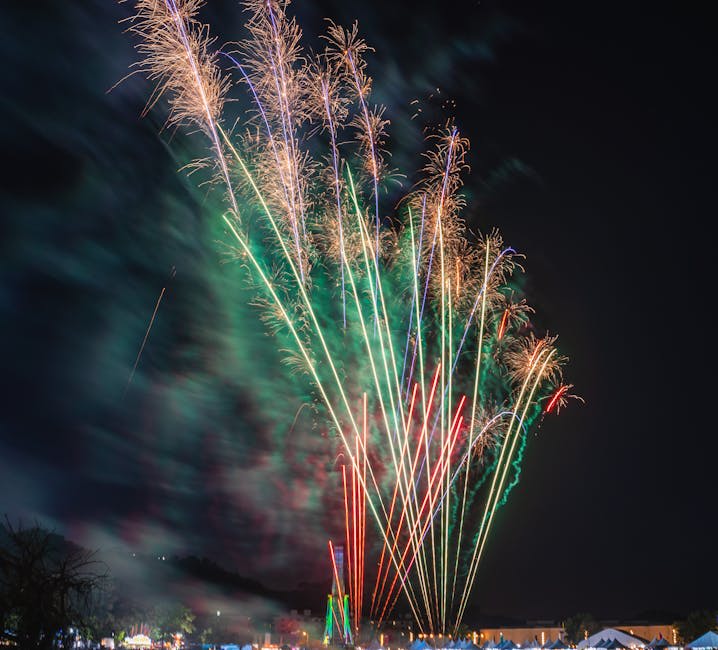
Then December arrives, and Remedios transforms. The Parrandas — Cuba’s oldest festival, dating to 1820 — pits two neighborhoods against each other in an escalating competition of floats, music, and fireworks that would violate every safety regulation in the developed world. The displays are genuinely spectacular: massive illuminated structures called trabajos de plaza, some reaching fifteen meters tall, polka-music bands, and enough pyrotechnics to make New Year’s Eve look restrained. The two barrios — San Salvador and El Carmen — spend the entire year building their floats in secret, and the reveal at midnight is greeted with a roar that I felt in my chest from two blocks away.
The fireworks are not the orderly displays of European celebrations. They are launched from the street, at close range, with an enthusiasm for danger that is quintessentially Cuban. I stood behind a concrete pillar for some of it. The locals stood in the open and laughed.
During the quieter months, Remedios rewards slow exploration. The Museo de las Parrandas documents the festival’s two-hundred-year history with photographs, costumes, and scale models of past floats. The church interior is extraordinary — the gold leaf was applied in the eighteenth century and glows with a warmth that feels less like decoration and more like devotion made visible.
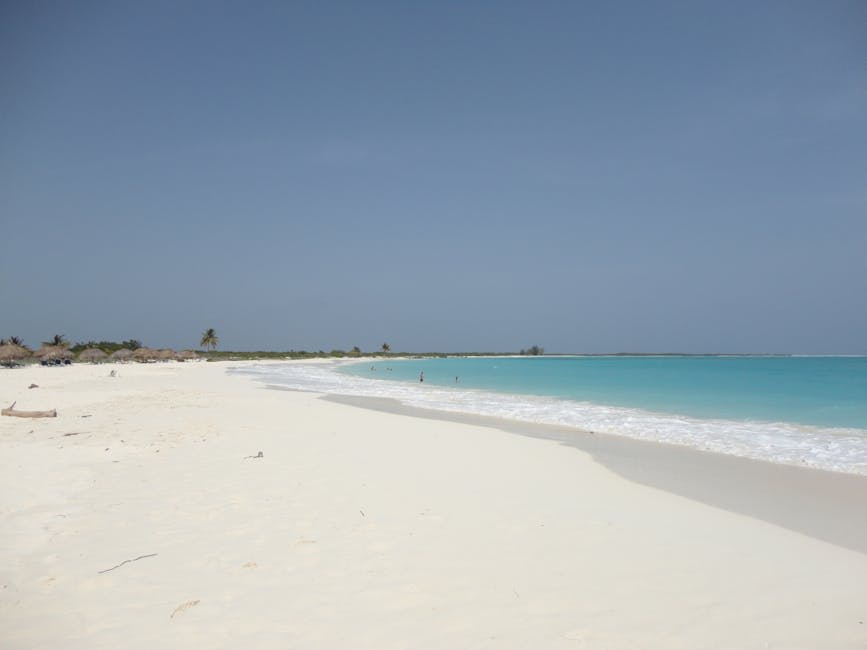
The nearby Cayo Santa Maria offers pristine beaches for recovery, connected by a forty-eight-kilometer causeway across shallow turquoise water. The contrast is jarring and wonderful — from a town where time moves at the speed of a rocking chair to a beach where it stops entirely.
When to go: Late December for the Parrandas (usually December 24). November to April for general visits. The cayos are best December to May.