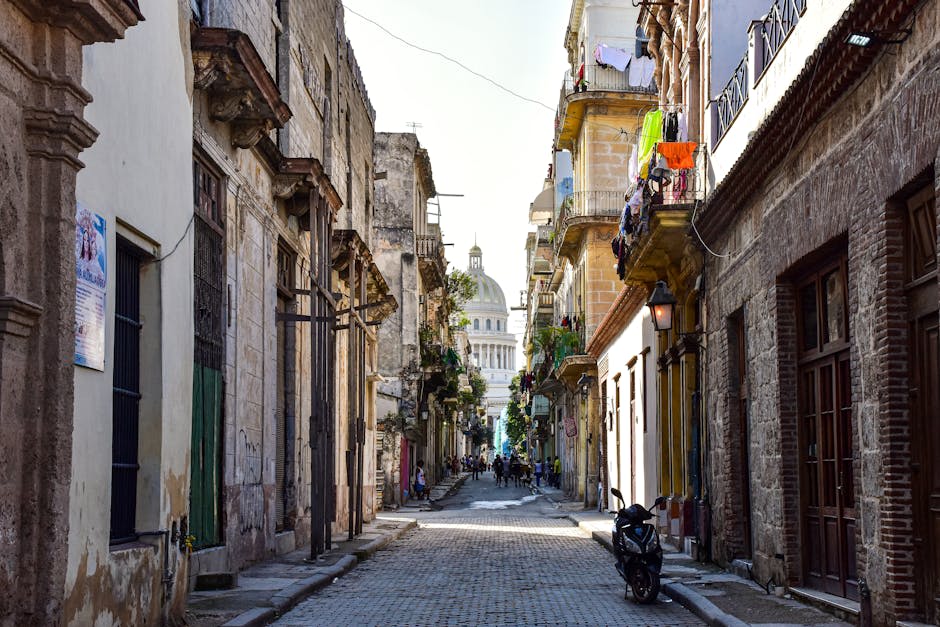
Camaguey breaks Cuba’s colonial grid pattern — its streets twist, turn, dead-end, and loop back on themselves, reportedly designed to confuse raiding pirates. The result is a UNESCO-listed old town that feels more Moorish medina than Spanish colonial, its alleys opening unexpectedly onto plazas, churches, and courtyards. The tinajones — giant clay water jars, some large enough to bathe in — are everywhere, the city’s symbol and a practical legacy of water scarcity.
I got lost within fifteen minutes and stayed lost for two days. This is not a complaint — it is a recommendation. Camaguey is the Cuban city that most reminded me of Fes or Essaouira, places where disorientation is the point, where every wrong turn reveals a courtyard with a ceiba tree, a church you did not know existed, or an old man playing dominoes who waves you over to explain the neighborhood’s history in rapid-fire Spanish that I understood about sixty percent of.
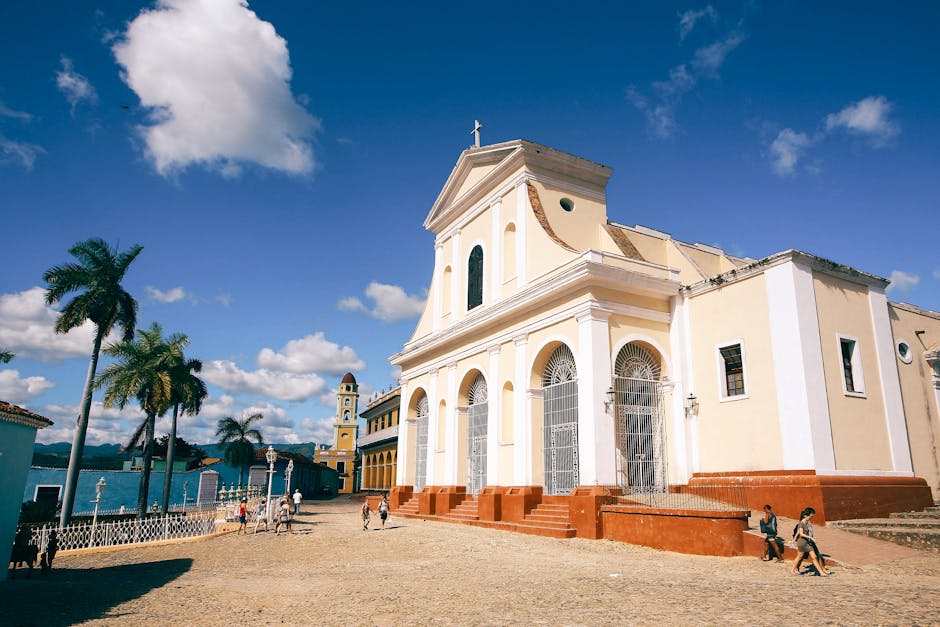
The cultural identity is fierce and distinct. Camaguey has produced some of Cuba’s finest writers, dancers, and artists, and the Ballet de Camaguey is the country’s second company. I attended a rehearsal — open to the public, free, in a colonial theater — and watched dancers of extraordinary caliber preparing for a performance that would play to an audience paying the equivalent of fifty cents. The churches are numerous and beautiful — Nuestra Senora de la Merced and the Iglesia de San Juan de Dios on its exquisite cobblestoned plaza are highlights.
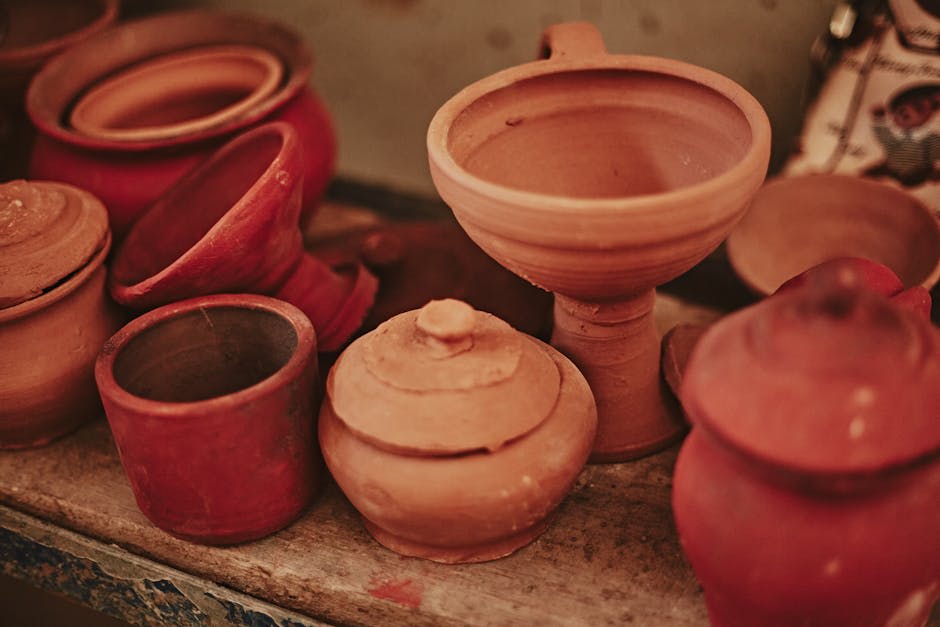
The tinajones deserve their own paragraph. These massive clay vessels, some dating to the seventeenth century, were used to collect rainwater — a necessity in a city far from major rivers. They appear in courtyards, on street corners, and in the local mythology. Legend says that if you drink water from a tinajon, you will return to Camaguey. I drank. I have not yet returned. But the pull is real.
The city is large enough to explore for days without exhausting it, yet small enough that getting lost always leads somewhere interesting, which was perhaps the pirates’ problem all along. The Plaza del Carmen, with its life-sized bronze sculptures of everyday Camagueyanos, is one of the most charming public spaces in Cuba. The paladares here are unpretentious and excellent — I ate the best ropa vieja of my trip in a family living room with plastic chairs and a television playing a telenovela in the background.
What stays with me about Camaguey is the self-sufficiency. This is a city that does not perform for visitors. It has its own rhythm, its own pride, its own way of making art and food and conversation. The tourists are few, the experiences are real, and the tinajones are enormous.
When to go: November to April for dry season. Camaguey is less touristed than Havana or Trinidad — any time of year offers an authentic, uncrowded experience.