Americas
Chile
"Chile is the kind of country that makes you feel small in the best possible way."
A country so narrow it shouldn't exist — and yet it stretches four thousand kilometers from the driest desert on earth to the fractured ice fields of Patagonia.
I crossed into Chile from Argentina on a bus that wound through the Andes for six hours, and by the time we descended into the Elqui Valley, I had already revised everything I thought I knew about this country. The light was different — a drier, sharper light, nothing like the humid softness of Buenos Aires or the coastal haze of Valparaíso that I’d read about. Chile is not a country that eases you in gently. It announces itself through geography first, and the rest follows.
Santiago surprised me most. I expected a Latin American capital with all the usual chaos and noise, and instead found a city that felt almost Swiss in its efficiency — metro trains that run on time, wine bars with serious lists, neighborhoods where street art and mid-century architecture coexist without either apologizing. The Lastarria district at dusk, a glass of Carménère from the Maipo Valley in hand, the Andes visible at the end of every east-facing street — I’ve had worse evenings in cities three times the size. The food here is quieter than elsewhere in South America, and I mean that as a compliment: grilled reineta fish with pebre, a simple cazuela, sopaipillas with mustard from a corner stall in the rain. Nothing performs. Everything satisfies.
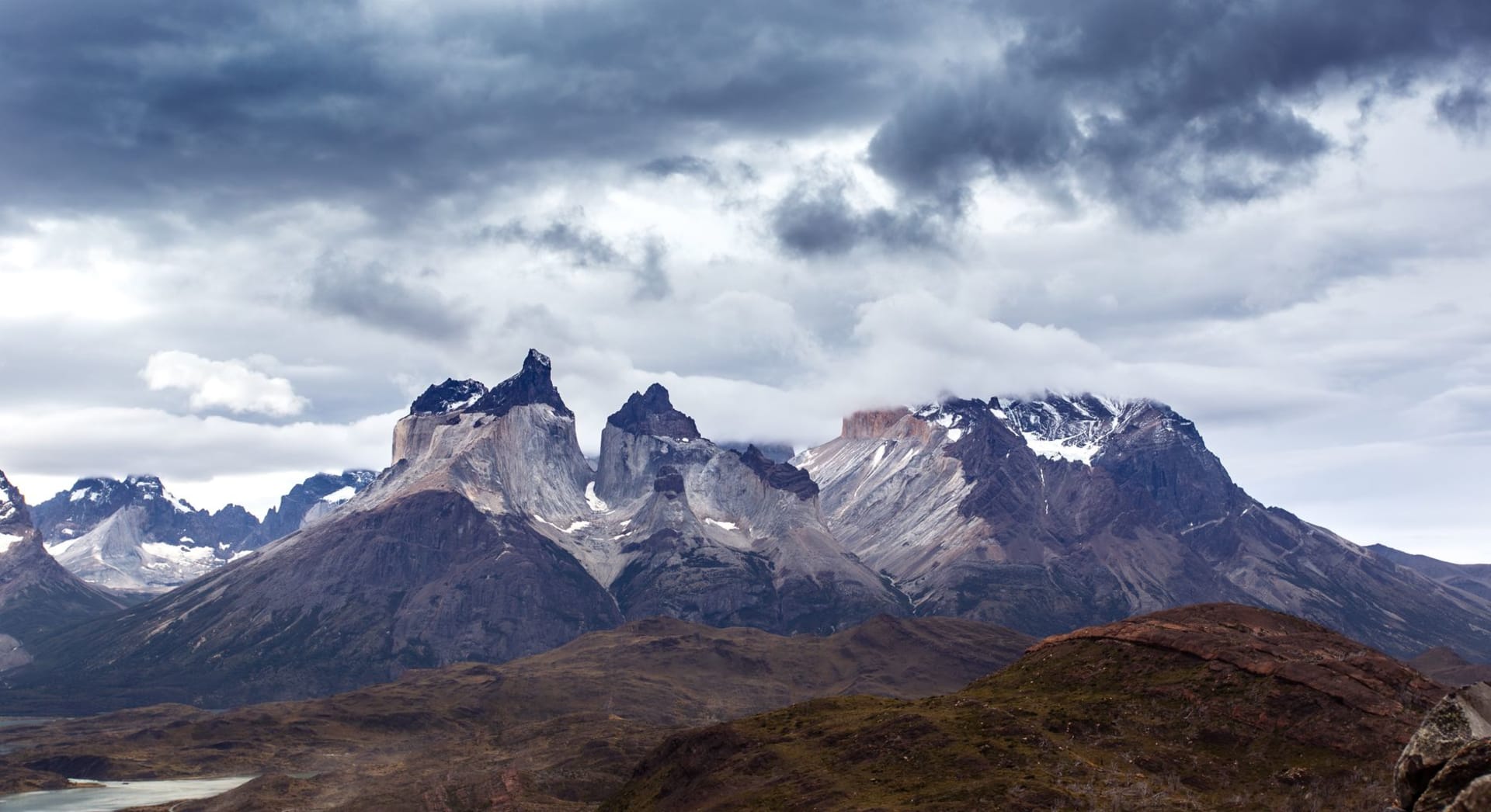
But Chile’s real argument is made by its extremes. The Atacama in the north is a place that defeats language — salt flats at four thousand meters altitude, geysers that erupt at dawn into air so cold your breath disappears before it forms, flamingos standing in lakes the color of rust. Then nine hours south by plane, Torres del Paine erupts from the Patagonian steppe like something a geologist would invent to win an argument: granite towers three kilometers tall, glaciers the size of small countries, wind that leans into you like a wall. In between is wine country, lake country, the wild archipelago of Chiloé with its wooden churches and fog-wrapped forests. Chile doesn’t repeat itself. That’s the thing no map can prepare you for.
When to go: For Patagonia, October through March gives the longest days and most stable trekking weather — though “stable” is relative, and the wind is always a factor. The Atacama is year-round but April through June avoids peak crowds; nights are cold regardless of season. Santiago and the wine valleys are best in autumn (March to May) when the harvest is in and the light turns golden.
What most guides get wrong: They treat Chile as a Patagonia delivery vehicle and skip everything else. The week I spent in Chiloé — wooden palafito houses on stilts, a different kind of seafood than anywhere on the continent, fog that rolls in from the Pacific at three in the afternoon and never quite leaves — was as strange and memorable as anything I saw in Torres del Paine. And the Atacama is consistently underestimated: most people do two nights and leave. You need at least four to let the altitude settle and the silence find you.
Explore
Places in Chile
 chile
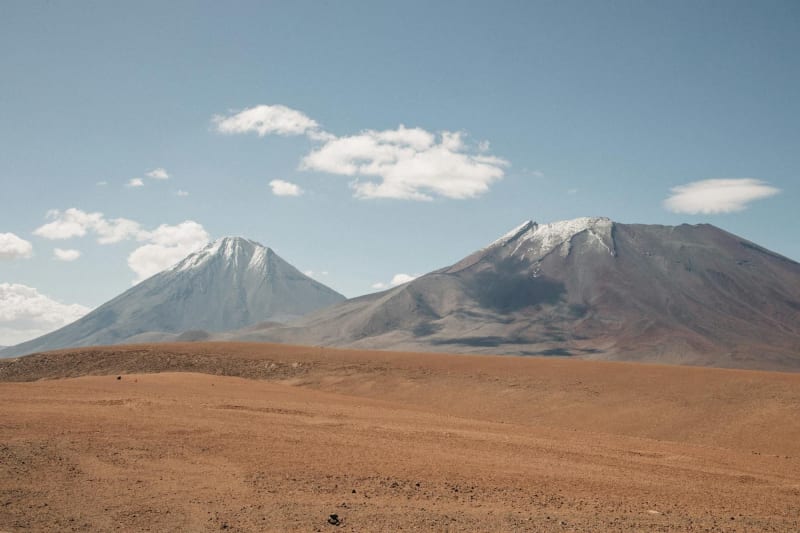
chile Atacama Desert
Earth's driest non-polar desert, where salt flats, flamingos, and the clearest night skies on the planet coexist.
Explore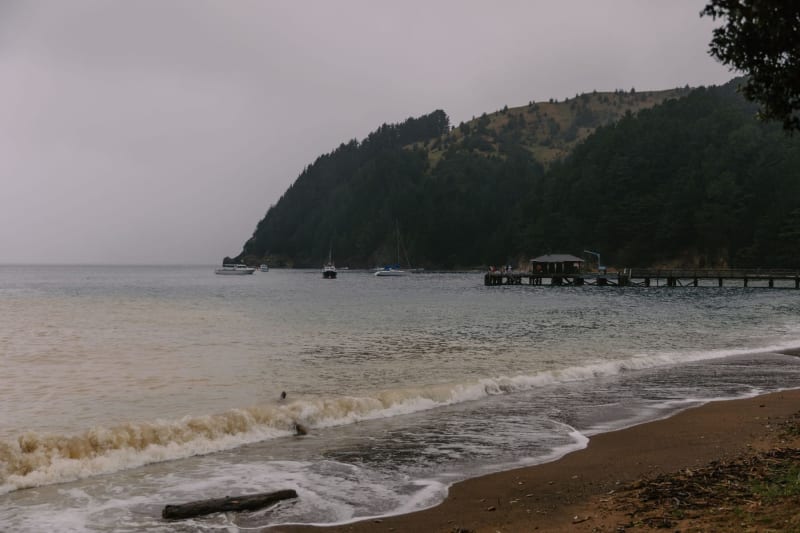 chile
chile Carretera Austral
Chile's great southern road winds through fjords, hanging glaciers, and virgin temperate rainforest for 1,240 km.
Explore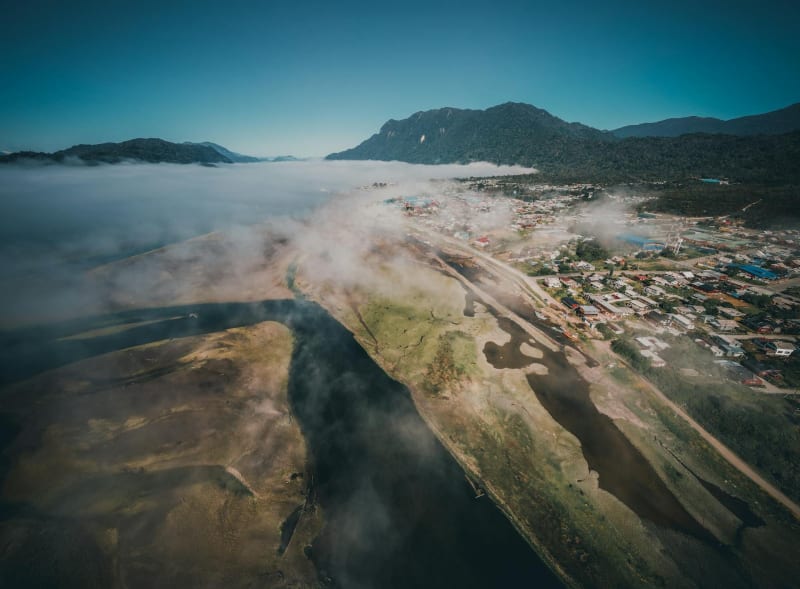 chile
chile Chiloe Island
Stilt houses, wooden UNESCO churches, and a mythology of sea monsters and witches on Chile's misty southern island.
Explore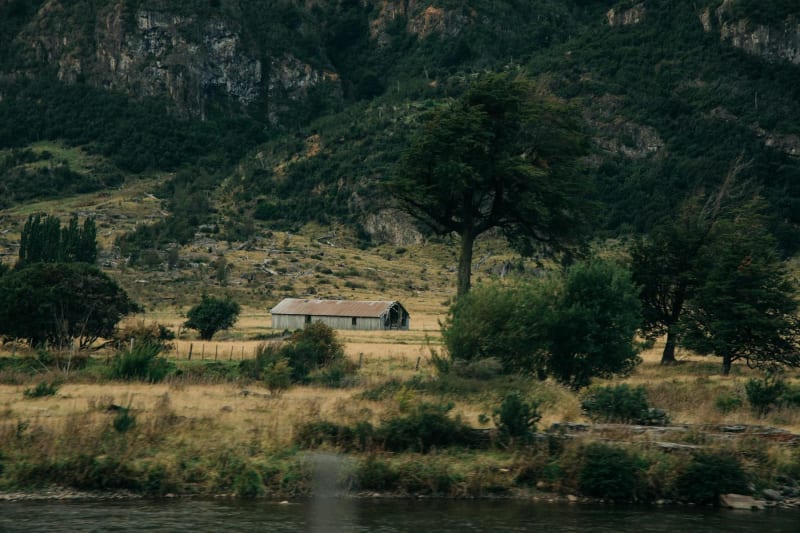 chile
chile Elqui Valley
A narrow Andean valley north of La Serena producing pisco under the clearest skies on earth, dotted with astronomical observatories.
Explore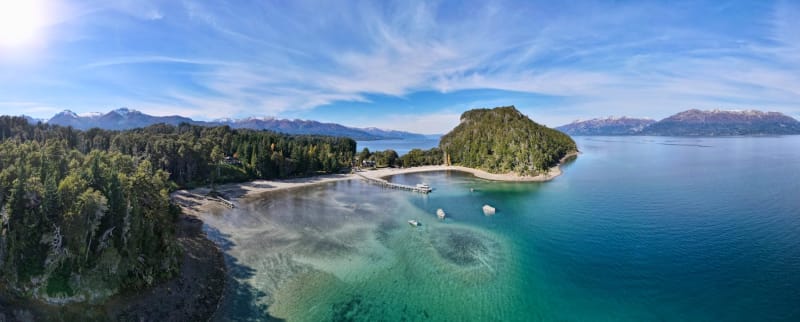 chile
chile Isla Navarino
The world's southernmost trekking circuit on an island beyond Tierra del Fuego, with Dientes de Navarino teeth of granite.
Explore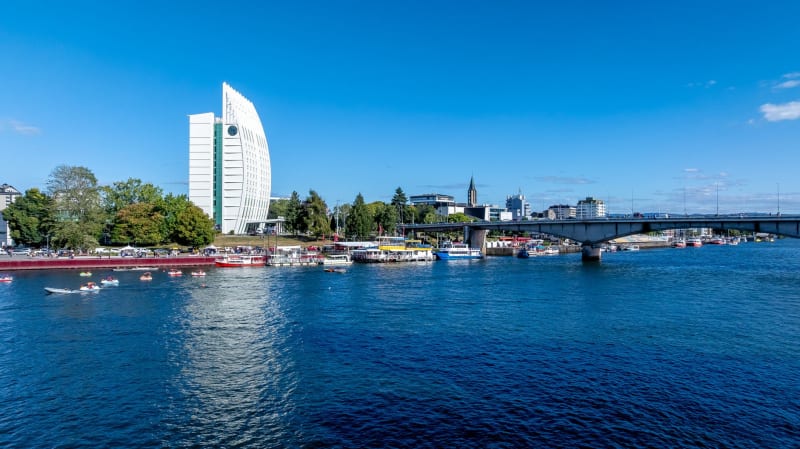 chile
chile Pucón
A lake-district adventure town built in the shadow of an active volcano that glows orange at the summit on clear nights and does whatever it wants.
Explore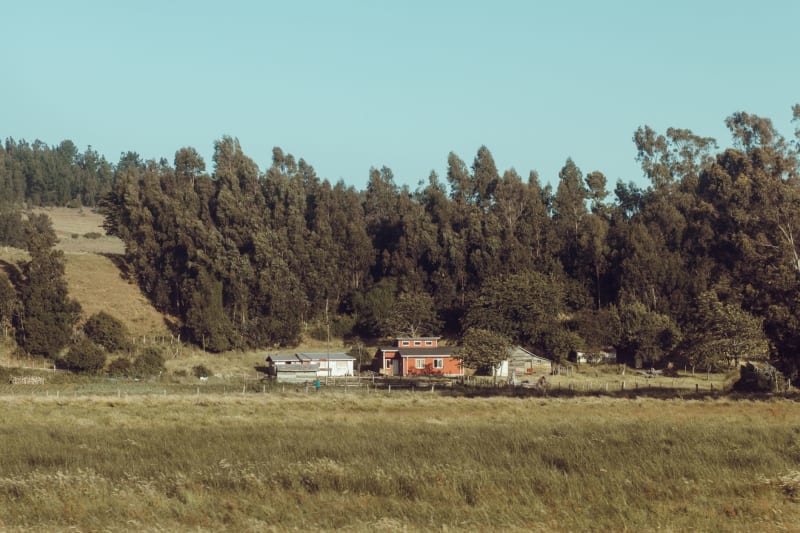 chile
chile Puerto Varas
A German-roofed town on a vast blue lake with two perfect volcanoes in the window, the gateway to Chile's lake district and a great deal of kuchen.
Explore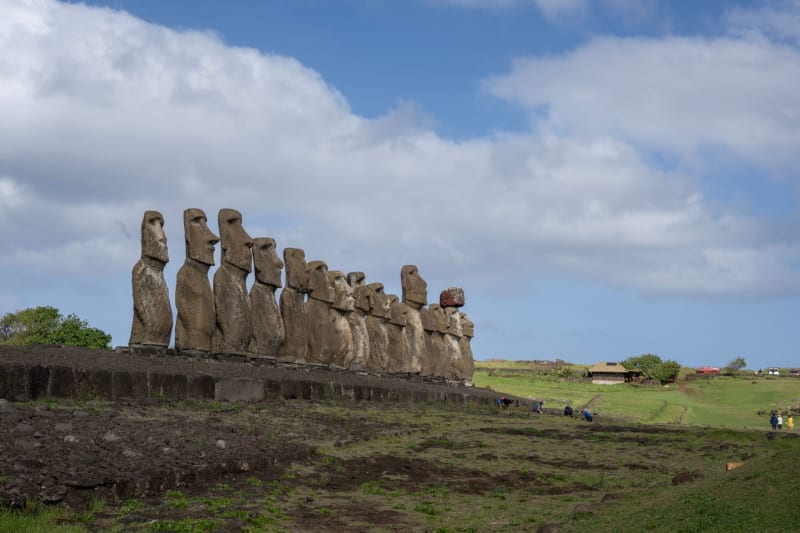 chile
chile Rapa Nui
An island so remote it rewires your sense of distance — where stone giants face inland and the Pacific stretches unbroken to every horizon.
Explore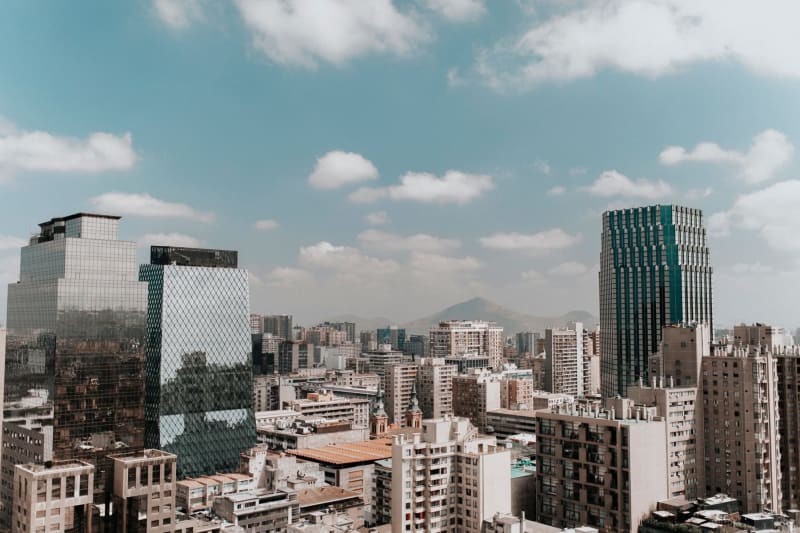 chile
chile Santiago de Chile
A sophisticated Andean capital where street art, excellent wine bars, and the white-capped Andes frame the skyline.
Explore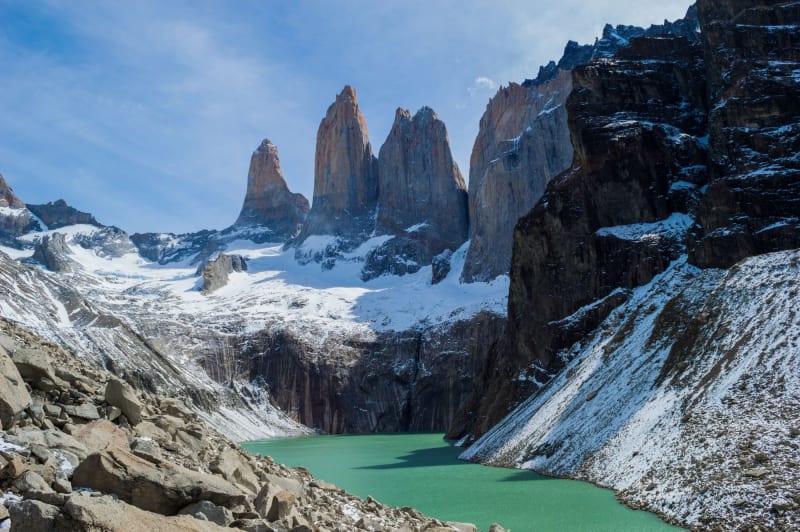 chile
chile Torres del Paine
Three granite towers soar above Patagonian steppe in one of Earth's most dramatic trekking destinations.
Explore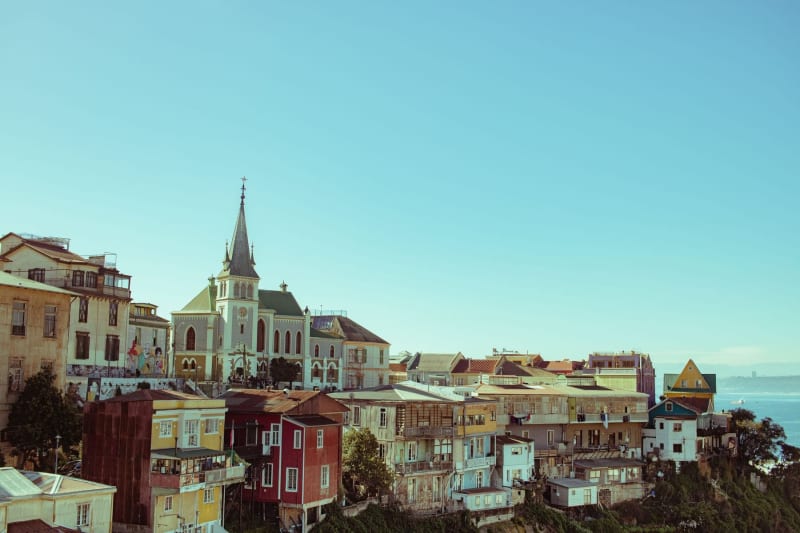 chile
chile Valparaiso
A hillside port city of Victorian funiculars, vivid street murals, and bohemian cafes with Pacific views.
Explore