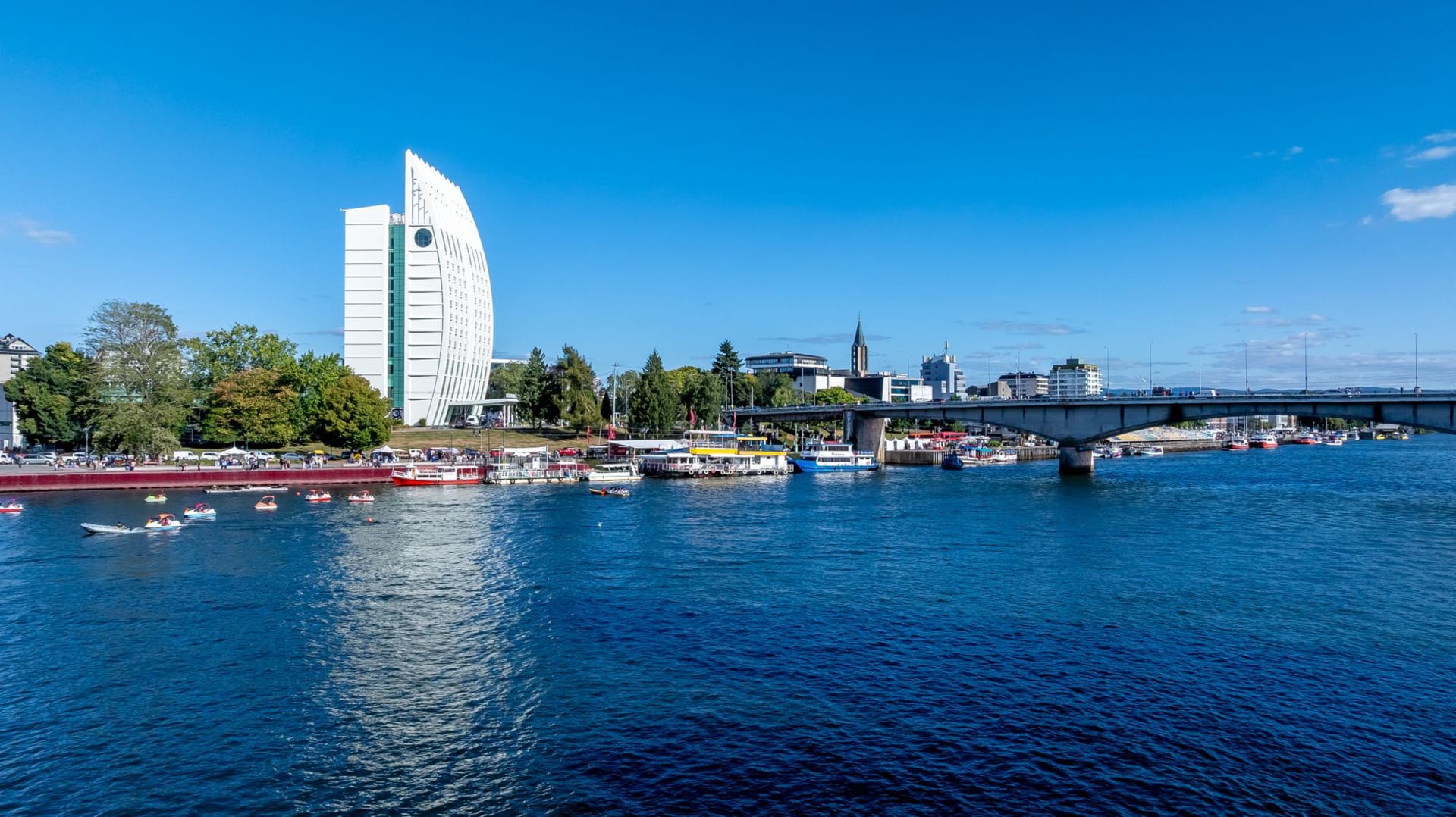
Villarrica is one of South America’s most active volcanoes and it sits directly behind the town of Pucón like an extremely confident neighbour. At night, when conditions are right, you can see the faint orange glow of the lava lake in the crater from the shore of the lake below. I stood at the water’s edge the first evening we arrived, watching that glow, and felt the particular alertness you feel when the landscape is clearly alive in ways you can’t fully account for.
Climbing the Crater
I am not a natural early riser, but I was dressed and ready at five in the morning without any internal argument because the summit of Villarrica is one of those things you do without negotiating with yourself. The climb takes four to five hours depending on snow conditions: crampons from the trailhead, ice axe from the guide, headlamp until about eight. The upper snowfield is steep enough that you use your axe in earnest. The wind at the summit smells of sulphur and feels like it’s making a personal decision about you.
The crater rim is a thing I don’t have adequate language for. You look down into a churning vent of gas and lava light while standing on a ridge of ice and compacted ash, with the entire Chilean lake district spreading out below — Villarrica Lake, Caburga Lake, the dark Araucaria forests, the Andes extending south until they blur into cloud. The descent is on your backside via a carved ice chute, which takes about eight minutes and erases most of the morning’s accumulated solemnity.
The Termas and the Araucaria Forest
The lake district’s other offering is hot springs, and the ones near Pucón are the real thing — not the tiled tourist pools but outdoor thermal pools cut into forested hillsides, with steam rising off the surface and cold air coming down through the trees. Termas Geometricas, an hour from town, is the most designed — a long red boardwalk threading through a river canyon, pools at different temperatures fed by natural vents. It’s beautiful in a slightly self-conscious way, and worth it.
More surprising were the Araucaria forests in the Huerquehue National Park. The Araucaria is an ancient tree — spiky, prehistoric-looking, with a canopy that looks like something a child drew — and walking through a forest of them at altitude, the light filtering through that strange geometry overhead, felt genuinely unlike any other forest I’ve been in. The trail to Laguna Los Patos climbs through them for two hours before opening onto a turquoise lake ringed by more trees. Lia sat on a rock and said it looked like a landscape from a different planet. She was right.
The Town Between Adventures
Pucón itself is a small, well-organised adventure hub: gear rental shops, a competent local restaurant scene anchored by grilled trout from the lake and hearty sopas, and a casino that seems to exist for reasons separate from everything else the town is doing. In the evenings the main street fills with people comparing what they did that day — the volcano, the rafting on the Trancura, the canopy tours — with the slightly charged energy of people who have been outside all day and eaten well.
The lake is cold but swimmable in January and February. The black sand beach near the boat ramp is good in the afternoon when the wind drops. Buy a bag of sopaipillas from the woman near the market entrance and eat them while the volcano does its thing.
When to go: December through March for hiking, swimming, and volcano climbing (weather and CONAF permits permitting — Villarrica closes often). June through August transforms Pucón into a ski resort with reasonable slopes on the volcano itself. Avoid May and October if you want reliable weather; the shoulder seasons here are wet and grey in ways that close most of the good trails.