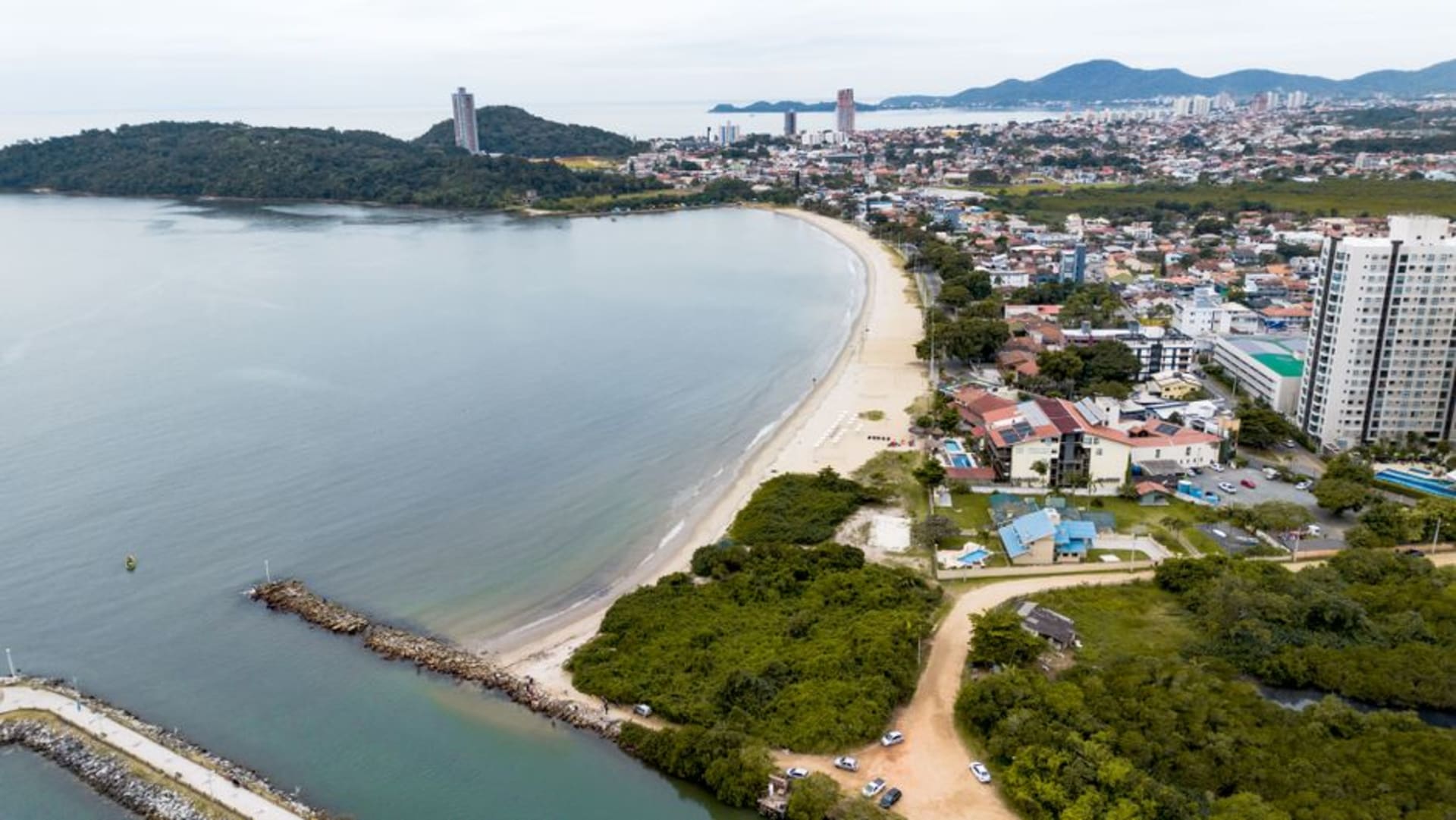
Macapá
"I stood with one foot in the northern hemisphere and one in the southern, which is a sillier thrill than it should be at thirty-four."
The only state capital in the world built directly on the Equator, standing with one foot in each hemisphere.

Macapá exists almost entirely because of a line that isn’t actually visible — the Equator runs directly through the city, and the whole place seems mildly, endearingly obsessed with that fact. The Marco Zero monument, a stone obelisk built exactly on the line, sits in a plaza where you can straddle both hemispheres at once, and I will admit to spending an embarrassing number of minutes photographing my own feet doing exactly that. Lia thought it was ridiculous. I have no regrets.
Beyond the novelty, Macapá is the capital of Amapá, a state that is mostly rainforest and receives a fraction of the visitors of neighboring Pará, which gives the city an unhurried, slightly overlooked quality. The waterfront promenade along the Amazon, the Orla de Macapá, is genuinely pleasant — a wide riverside boardwalk lined with restaurants and juice stands where the whole city seems to gather at sunset, watching the river the width of an inland sea turn gold.

The Fortaleza de São José de Macapá, an eighteenth-century Portuguese fort built to guard the river mouth from foreign incursion, anchors the old town and remains remarkably intact — thick stone walls, cannons still aimed at the river, and almost nobody else visiting the afternoon we walked through it. From the ramparts you can see container ships and small fishing canoes sharing the same wide brown water, a visual shorthand for how differently the river gets used depending on who you are.

We used Macapá mainly as a base to explore the nearby Curiaú, a quilombola community founded by descendants of escaped enslaved people, where a local guide walked us through the community’s history and its surrounding wetlands, home to caimans and an enormous population of egrets and herons at dusk. It was a sober, important counterpoint to the equator-straddling photo-ops downtown, and the kind of encounter that made Macapá feel like more than a geographic curiosity.
When to go: July to December for the drier months, better for both the Curiaú wetlands and comfortable walking around the fort and waterfront. January to June is wetter but rarely disrupts city sightseeing significantly.
Keep exploring
More from Brazil
 brazil
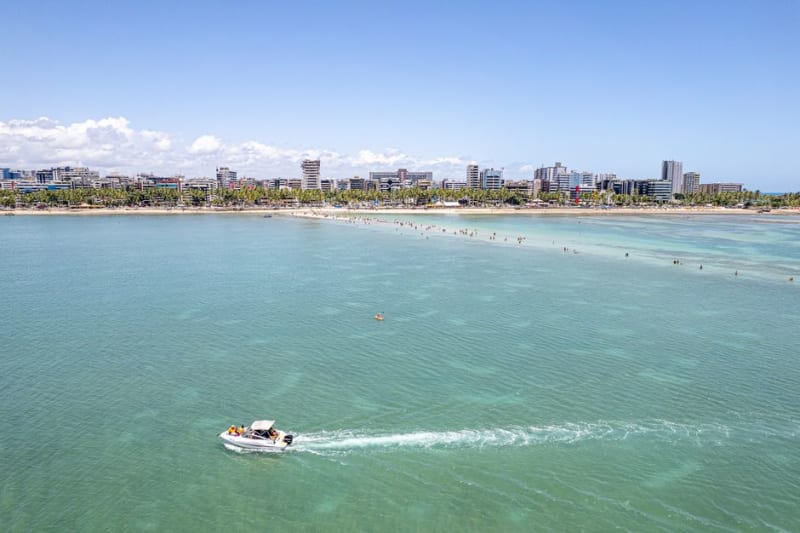
 Maceio
Alagoas' capital, a city of turquoise reef pools and palm-lined city beaches that earned its nickname, the Caribbean of Brazil.
Explore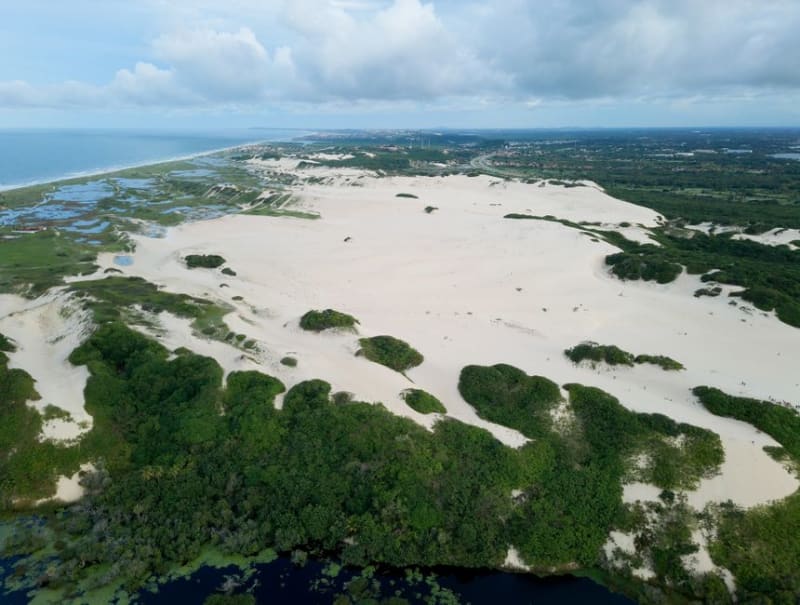 brazil
 Mamirauá Reserve
A flooded forest sanctuary where pink river dolphins surface beside your canoe and conservation actually seems to be working.
Explore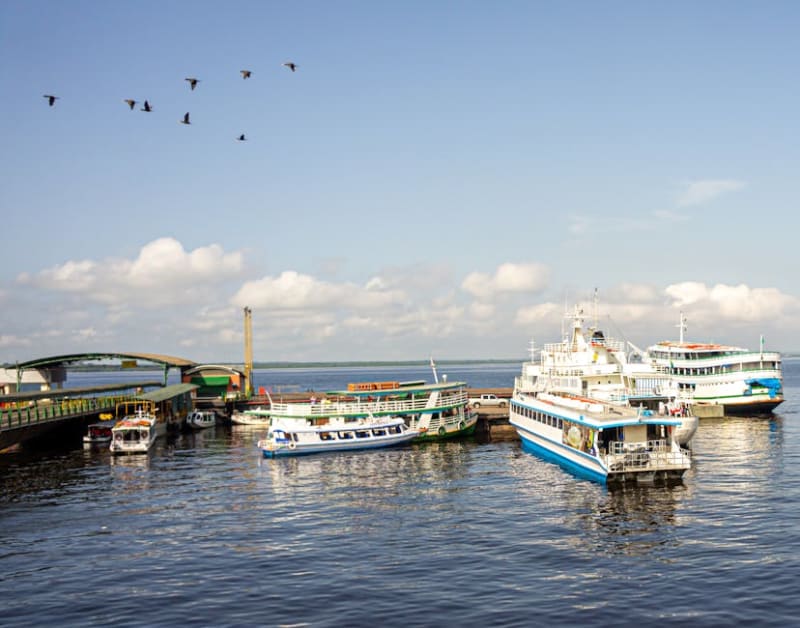 brazil
 Manaus
The gateway to the Amazon — a rubber-boom opera house in the jungle and a river system that dwarfs everything you imagined.
Explore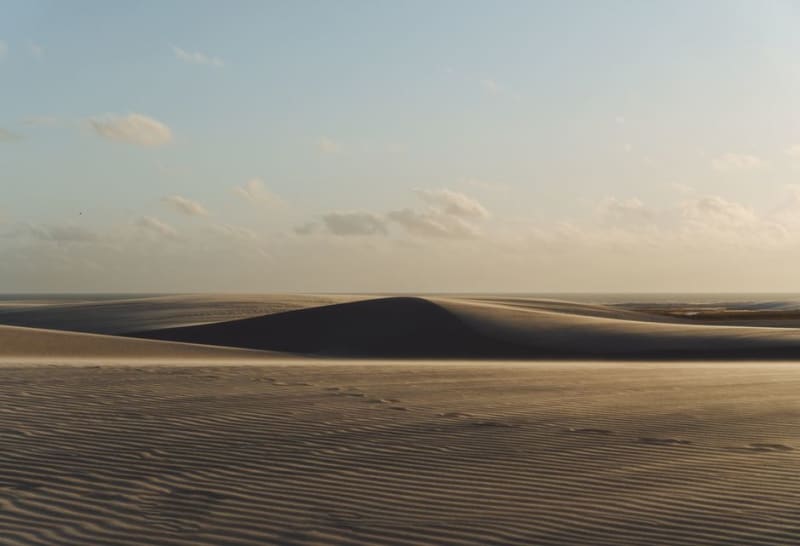 brazil
 Mangue Seco
A remote dune and mangrove fishing village at Bahia's northern edge, reachable only by boat, where white sand dunes meet the Rio Real and time seems to have stopped somewhere in the 1970s.
Explore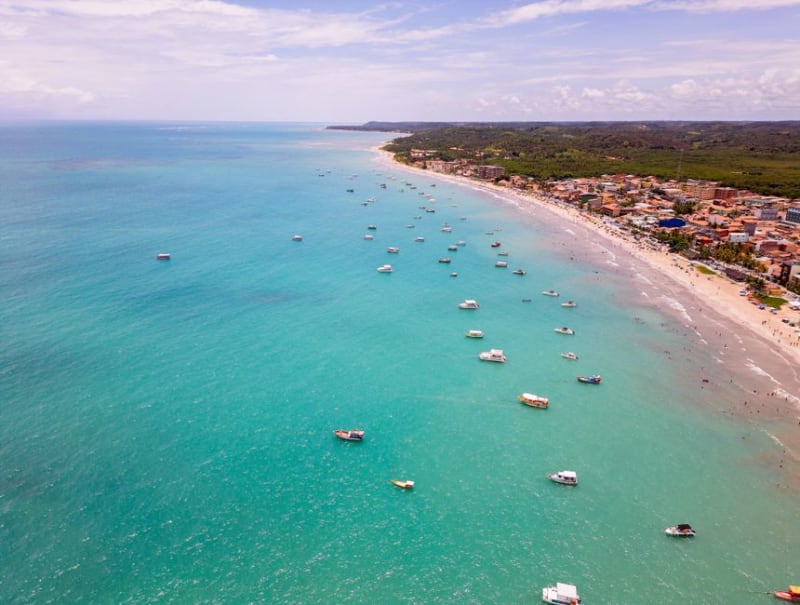 brazil
 Maragogi
Alagoas' 'Caribbean of Brazil', where a reef several kilometers offshore holds back the Atlantic to form pools so clear they seem lit from below.
Explore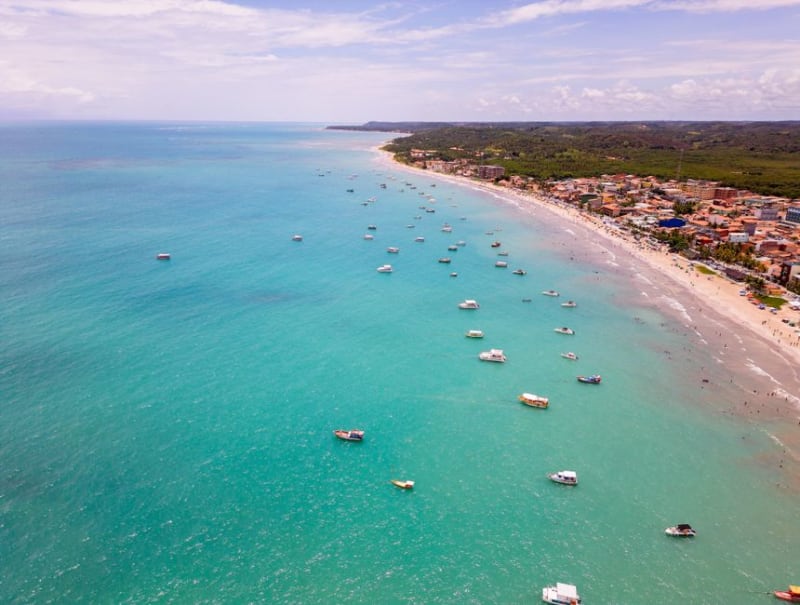 brazil
 Maragogipe
A slow river town in Bahia's Recôncavo, built on tobacco money and kept alive by generations of hand-thrown pottery, best known for a raucous pre-Carnival costume tradition.
Explore