Maragogipe
"The Recôncavo doesn't get written about. It just keeps making pottery and tobacco while nobody's watching."
A slow river town in Bahia's Recôncavo, built on tobacco money and kept alive by generations of hand-thrown pottery, best known for a raucous pre-Carnival costume tradition.

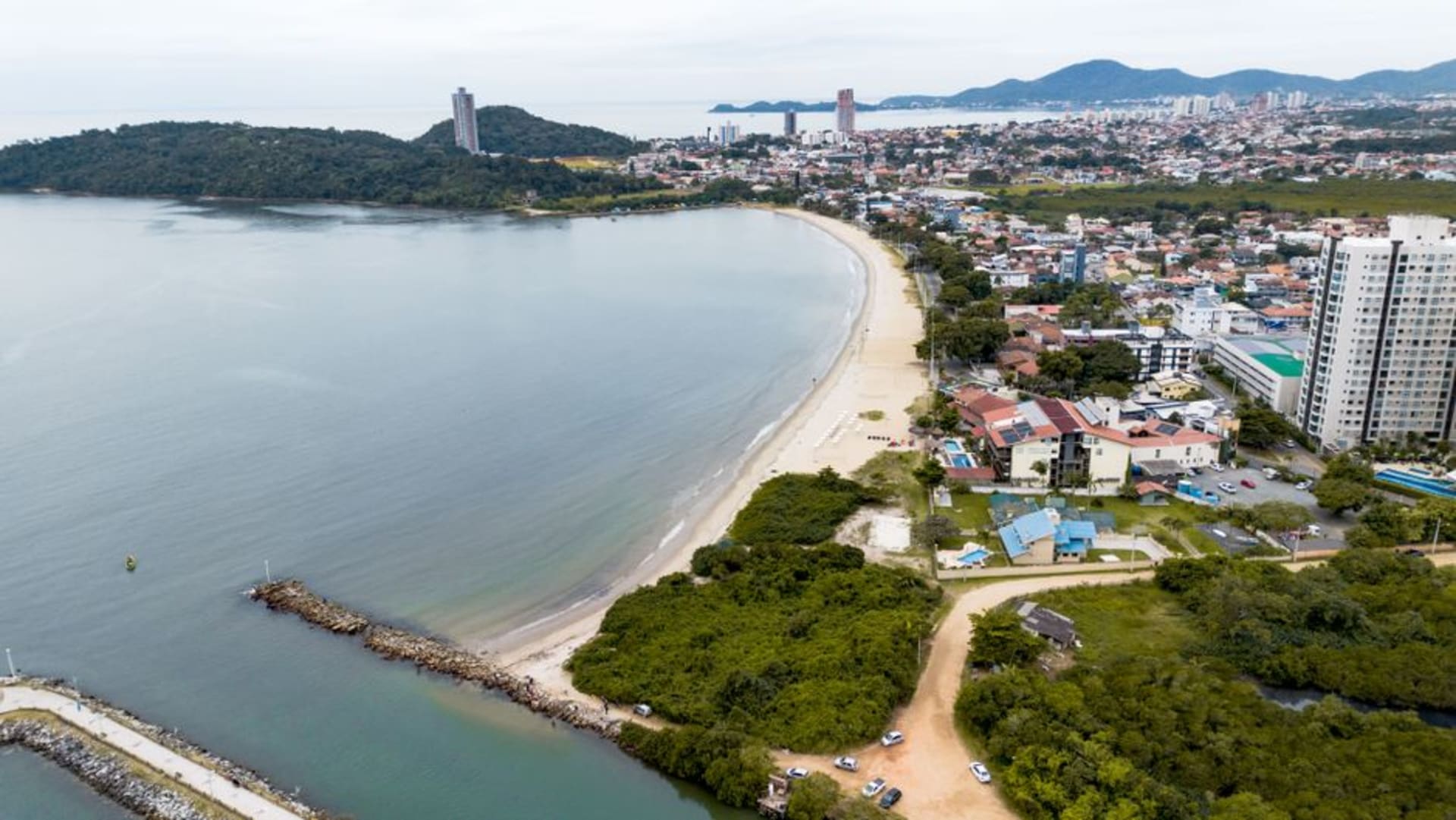
Getting to Maragogipe from Salvador means crossing the Bay of All Saints and cutting into the Recôncavo, the ring of fertile lowlands that once grew the sugar and tobacco fortunes of colonial Bahia. The town sits on the Rio Paraguaçu, its waterfront lined with faded colonial warehouses that used to ship tobacco leaf downriver to Salvador and beyond. Almost nobody outside Bahia has heard of it, which is precisely why a Brazilian friend in Salvador insisted we go.
A Town Built on Tobacco
Maragogipe’s economy ran for two centuries on tobacco cultivation in the surrounding Recôncavo soil, and the old charuto-rolling trade still survives in small workshops around town, though at a fraction of its former scale. We visited one where an older woman rolled cigars by hand with the same unhurried, exact motions her mother had likely used, the smell of cured tobacco leaf thick in a small room that clearly hadn’t changed its layout in decades.

Pottery on the Riverbank
The other trade that defines Maragogipe is ceramics, made from clay dug directly out of the mangrove banks along the Paraguaçu. Family workshops on the edge of town still fire pots, jars, and roof tiles in wood-burning kilns using techniques that go back to enslaved and Indigenous artisans who first worked this clay centuries ago. We watched a potter named Dona Ivone shape a large water jug on a foot-powered wheel, her hands moving with a confidence that made the whole process look far easier than it clearly was.
The Micareta and a Different Kind of Carnival
Maragogipe’s biggest claim to fame within Bahia is its pre-Carnival costume tradition — a raucous, satirical street parade in the weeks before Ash Wednesday where locals dress in elaborate, often grotesque disguises and parade through town in a spirit closer to European carnival masking than the samba-driven blocos of Salvador. We missed it by a few weeks and heard about it, with real regret in their voices, from three separate locals who insisted we come back for it specifically.

When to go: The weeks before Carnival (usually late January to February) bring the town’s famous costume parade. April through August is quieter and drier, better for visiting the pottery workshops at an unhurried pace.
Keep exploring
More from Brazil
 brazil
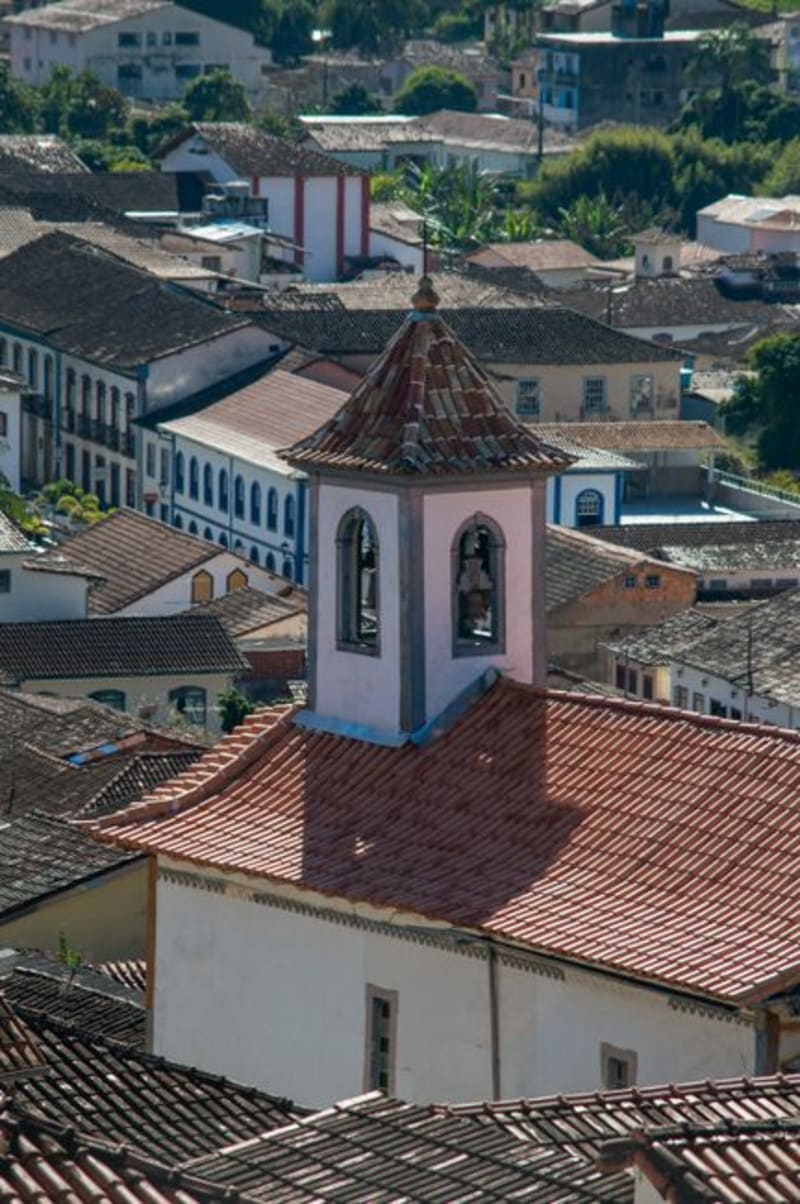
 Mariana
Minas Gerais's oldest colonial town, twenty minutes from Ouro Preto and considerably quieter, with the same gold-rush churches and a fraction of the crowds.
Explore brazil
 Morro Branco
A labyrinth of colored sandstone cliffs south of Fortaleza, famous for the tiny bottles of layered sand that local artisans build one grain at a time.
Explore brazil
 Morro de São Paulo
A car-free island town on Tinharé where sand replaces streets, golf carts replace taxis, and five numbered beaches unfurl south from a 16th-century fort into ever quieter water.
Explore brazil
 Nobres
A small Mato Grosso town built around rivers so transparent they've become a bucket-list snorkeling destination in their own right.
Explore brazil
 Novo Airão
The small Rio Negro town where wild pink river dolphins swim up to meet you, hand to fin, in water the color of tea.
Explore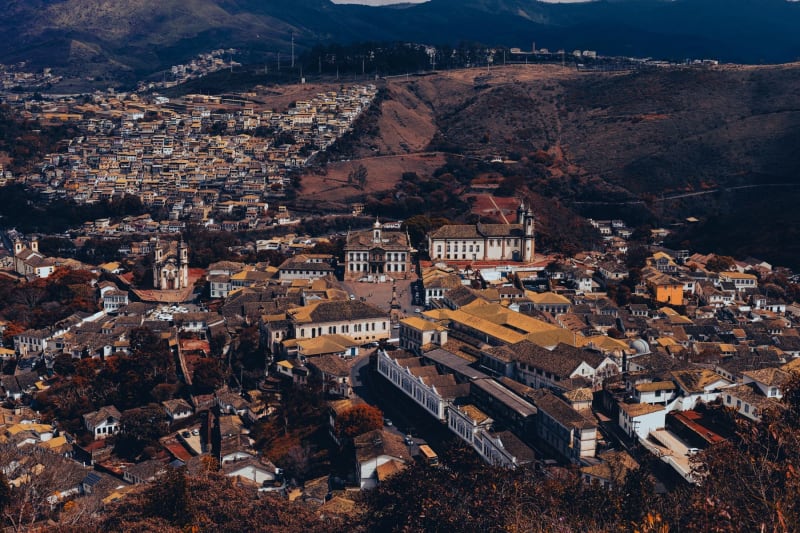 brazil
 Ouro Preto
A Baroque masterpiece of black stone churches and gold-rush opulence tumbling down Minas Gerais hillsides.
Explore