
A remote dune and mangrove fishing village at Bahia's northern edge, reachable only by boat, where white sand dunes meet the Rio Real and time seems to have stopped somewhere in the 1970s.

Mangue Seco sits at the very northern tip of Bahia, right where the state hands off to Sergipe, and reaching it requires abandoning the road entirely. We drove as far as the fishing town of Pontal, left the car with a man who assured us it would be “totalmente seguro,” and took a small wooden boat across the Rio Real and through a channel of mangroves that closed in tight enough to touch on both sides. Twenty minutes later the mangrove opened onto dunes — genuine, rolling, Sahara-adjacent dunes — dropping straight into the village.
The Dunes
The dunes are the reason people make the trip, and they earn it. Fine white sand climbs in waves twenty and thirty meters high, with the village’s low rooftops and the ocean visible from the crests depending on which way you turn. We climbed one at golden hour with a local kid who offered, unprompted, to guide us for a small fee and then spent most of the walk asking Lia questions about France. From the top, the Atlantic on one side and the mangrove channel on the other made the whole geography click into place — river, dune, sea, in that order, compressed into a few hundred meters.

Bacurau and a Certain Cinematic Fame
Mangue Seco has an odd secondary identity as the setting for Dona Flor e Seus Dois Maridos and, decades later, a village whose remoteness helped inspire the fictional town in the film Bacurau, though the actual shoot happened elsewhere in the northeast. Locals mention the connection with a mix of pride and mild bemusement — this is a place that gets romanticized in fiction more often than it gets visited in person, and the two facts sit at odds with each other in a way that felt very on-brand for how overlooked this corner of Bahia is.
A Fishing Village, Still
Beyond the dunes, Mangue Seco remains what it has always been: a small fishing community of a few hundred people, sand streets, simple pousadas, and restaurants serving whatever the boats brought in that morning. We ate a moqueca de peixe at a plastic table overlooking the mangrove channel, watching a fisherman untangle a net with the unhurried patience of someone who has done this every day of his working life.

When to go: September through March gives the driest weather and calmest boat crossing. Go early in the day — the dunes are brutal under a midday sun with almost no shade.
Keep exploring
More from Brazil
 brazil
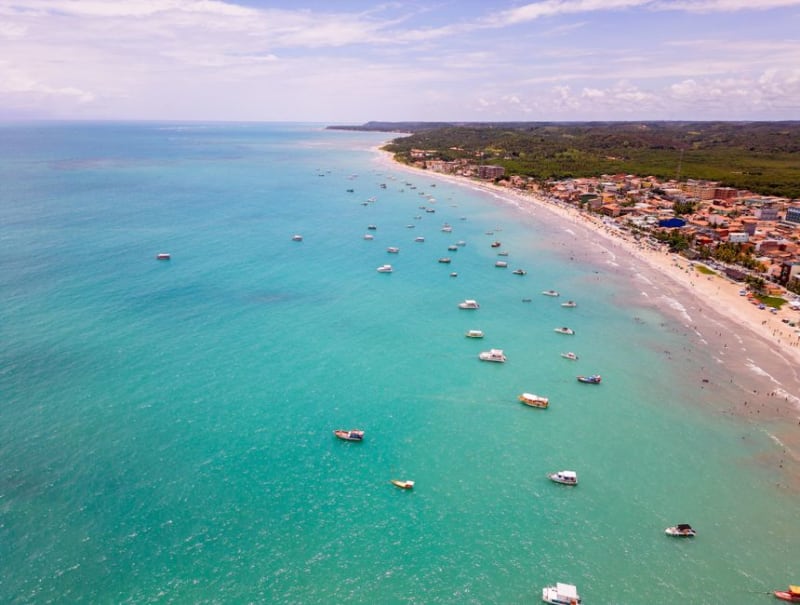
Maragogi
Alagoas' 'Caribbean of Brazil', where a reef several kilometers offshore holds back the Atlantic to form pools so clear they seem lit from below.
Explore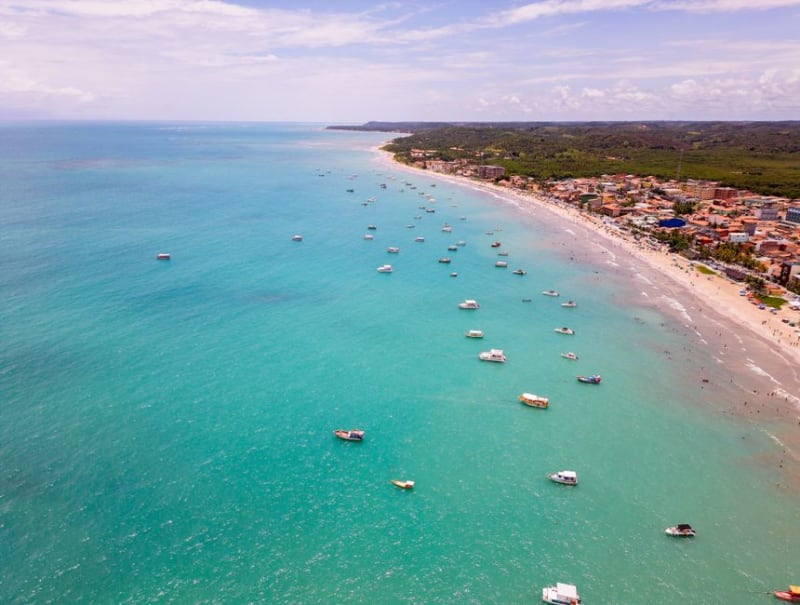 brazil
Maragogipe
A slow river town in Bahia's Recôncavo, built on tobacco money and kept alive by generations of hand-thrown pottery, best known for a raucous pre-Carnival costume tradition.
Explore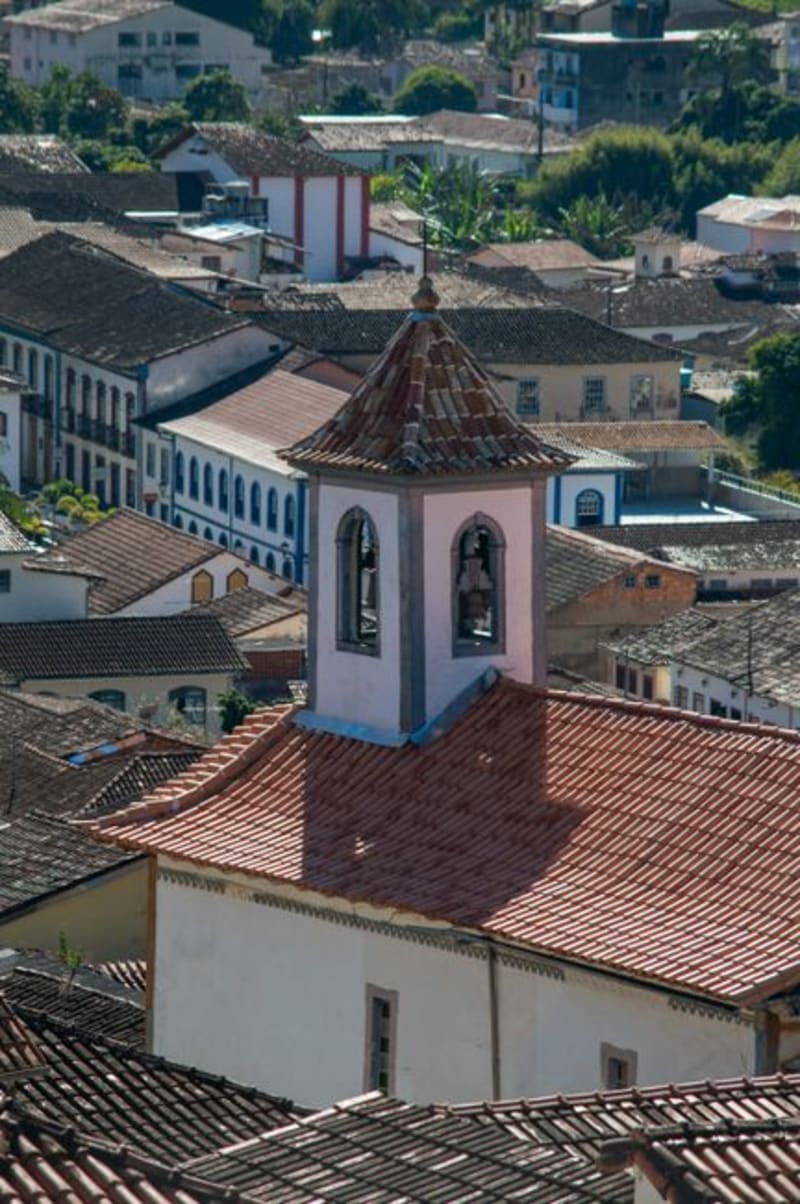 brazil
Mariana
Minas Gerais's oldest colonial town, twenty minutes from Ouro Preto and considerably quieter, with the same gold-rush churches and a fraction of the crowds.
Explore brazil
Morro Branco
A labyrinth of colored sandstone cliffs south of Fortaleza, famous for the tiny bottles of layered sand that local artisans build one grain at a time.
Explore brazil
Morro de São Paulo
A car-free island town on Tinharé where sand replaces streets, golf carts replace taxis, and five numbered beaches unfurl south from a 16th-century fort into ever quieter water.
Explore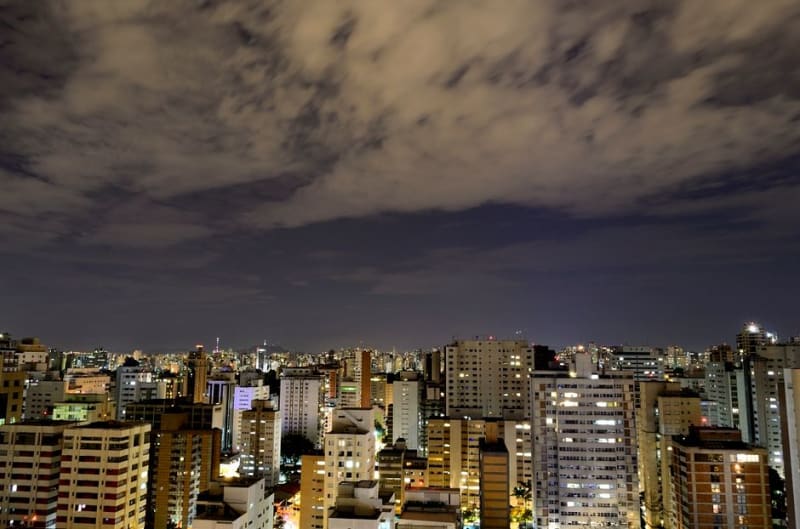 brazil
Nobres
A small Mato Grosso town built around rivers so transparent they've become a bucket-list snorkeling destination in their own right.
Explore