Maceio
"I have seen this exact color of water in the Caribbean. I did not expect to see it from a city bus stop in Brazil."
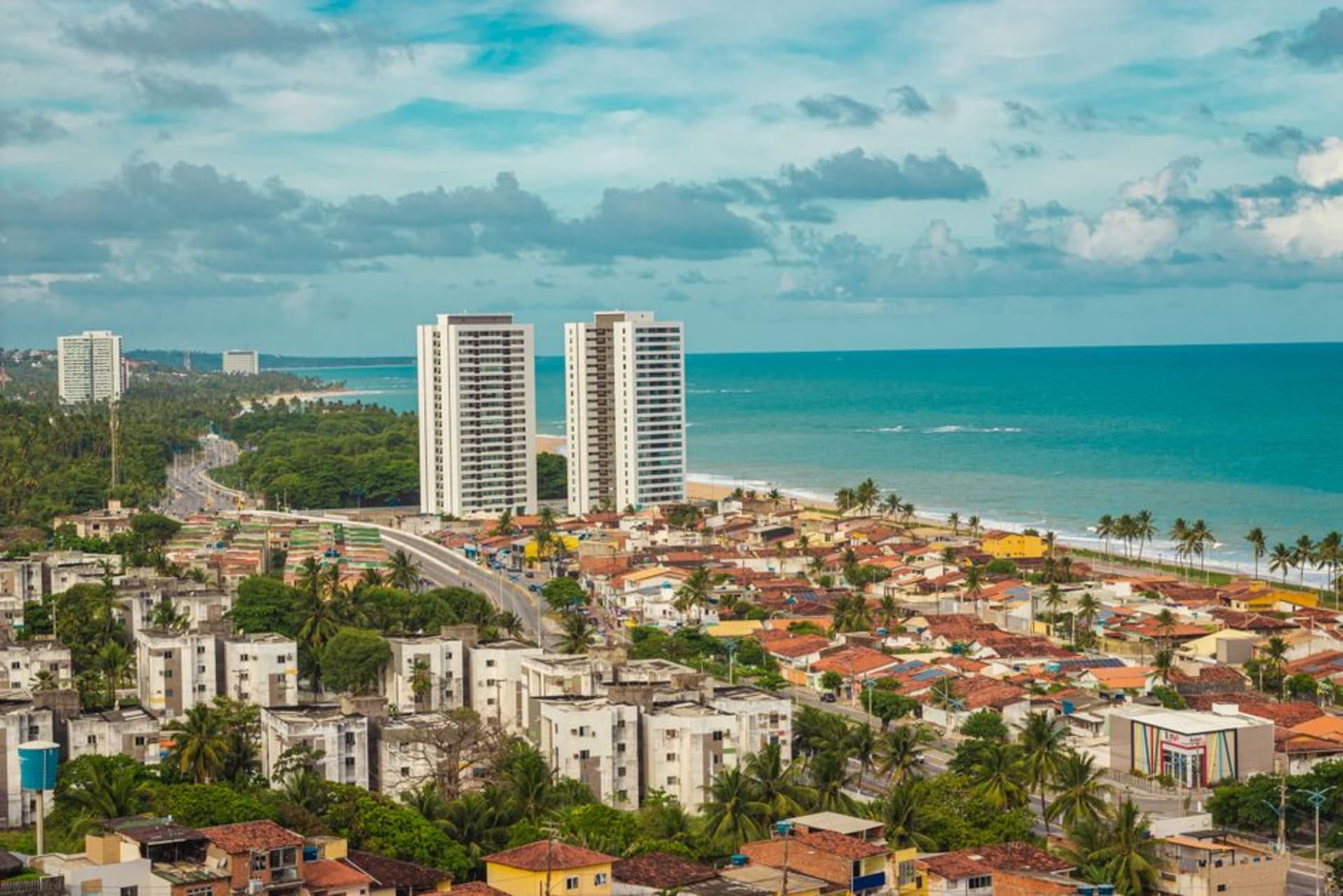
Alagoas' capital, a city of turquoise reef pools and palm-lined city beaches that earned its nickname, the Caribbean of Brazil.

Every guidebook calls Maceió the Caribbean of Brazil, and I arrived braced for the usual gap between marketing copy and reality. There wasn’t one. I stepped off a bus at Pajuçara beach, walked past a row of jangada sailboats parked on the sand, and looked out at water so uniformly turquoise it seemed color-corrected — and this was the city beach, five minutes from apartment towers and a Sunday market, not some remote cove requiring a boat and a guide.
Pajuçara and the Reef Pools
At low tide, a barrier reef a few hundred meters offshore traps shallow pools of warm, startlingly clear water, and jangadas ferry visitors out to wade among them. I went with Lia on our second morning, the boat cutting slow through water so transparent I could count individual fish shadows on the sandy bottom before we even reached the reef. Vendors set up floating stalls right in the pools themselves, selling grilled cheese and coconut water to people standing waist-deep, a scene of such casual absurdity that I laughed out loud the first time a woman handed me a caipirinha over the side of her canoe.

Along the Coastal Strip
Maceió’s beaches run in a long unbroken chain — Pajuçara blending into Ponta Verde, then Jatiúca, each with its own promenade energy but the same palm-and-turquoise formula. We walked the full stretch one evening as the beach kiosks lit up and families set out folding chairs for the sunset, and stopped for grilled shrimp skewers at a cart that had clearly been in the same spot for decades, judging by the loyalty of its regulars.

The City Behind the Beach
Maceió is a real working capital, not just a resort strip, and the old center around Praça Dom Pedro II has a faded colonial dignity worth an afternoon away from the sand — municipal buildings in pastel stucco, a market selling regional handicrafts, and rendas de bilro, the intricate bobbin lace that Alagoas women have made for generations, sold from stalls near the cathedral.
When to go: September to February for the driest, sunniest stretch and the calmest reef pools at low tide. Check tide tables before planning a pool visit — the effect only works within a couple of hours either side of low water.
Keep exploring
More from Brazil
 brazil
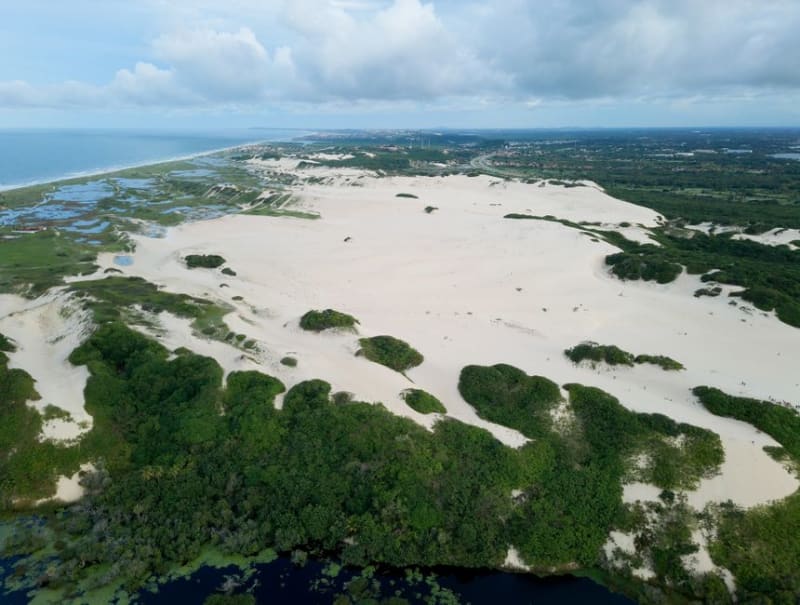
 Mamirauá Reserve
A flooded forest sanctuary where pink river dolphins surface beside your canoe and conservation actually seems to be working.
Explore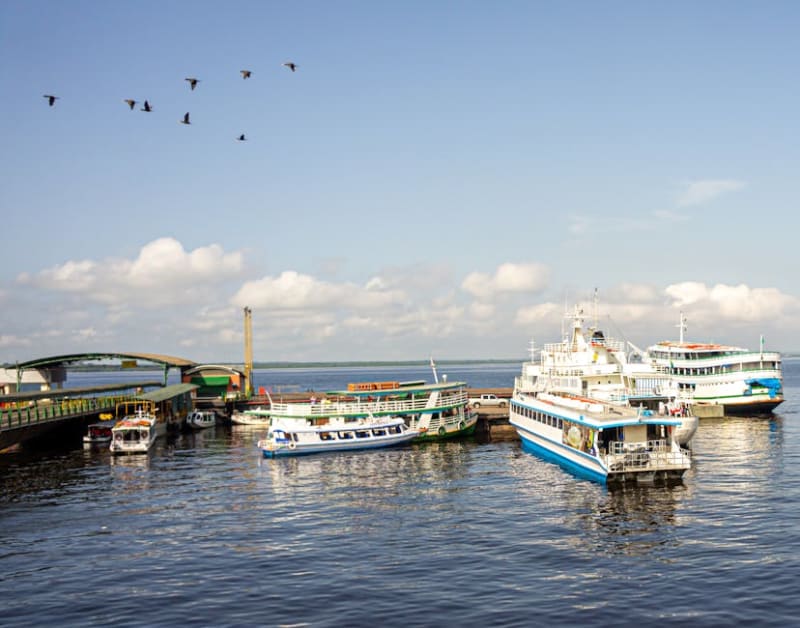 brazil
 Manaus
The gateway to the Amazon — a rubber-boom opera house in the jungle and a river system that dwarfs everything you imagined.
Explore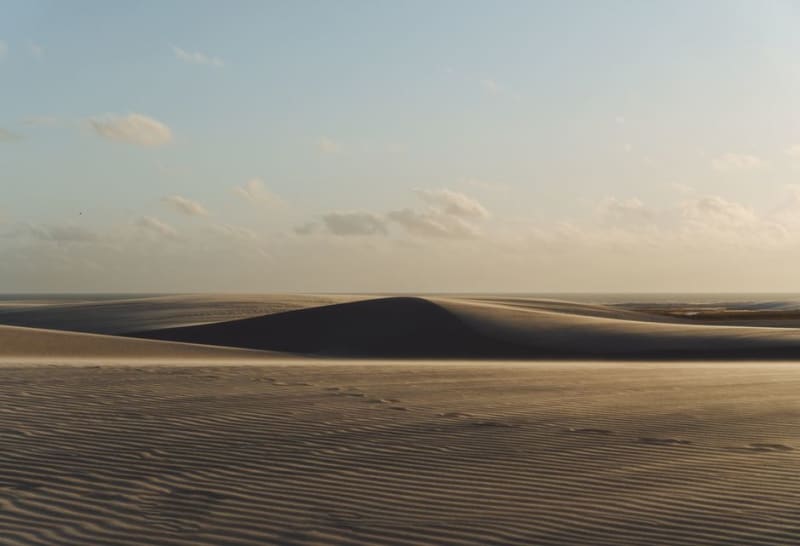 brazil
 Mangue Seco
A remote dune and mangrove fishing village at Bahia's northern edge, reachable only by boat, where white sand dunes meet the Rio Real and time seems to have stopped somewhere in the 1970s.
Explore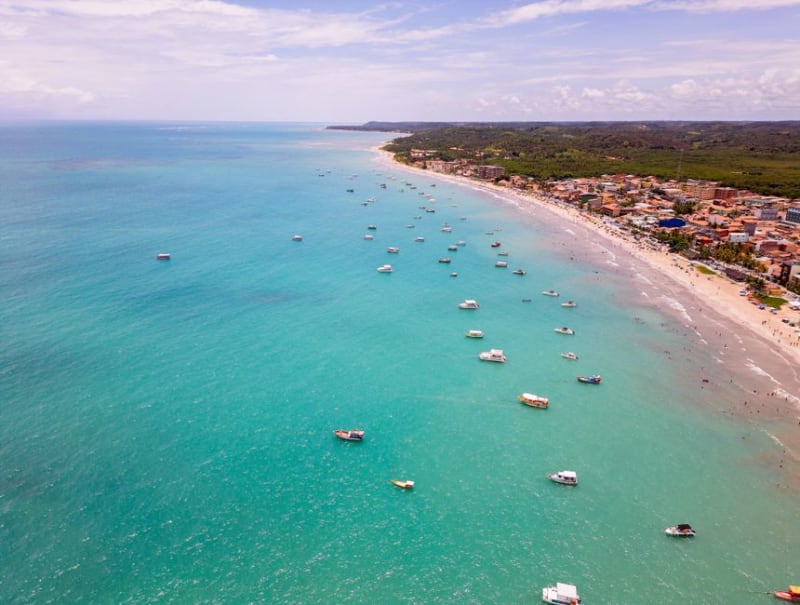 brazil
 Maragogi
Alagoas' 'Caribbean of Brazil', where a reef several kilometers offshore holds back the Atlantic to form pools so clear they seem lit from below.
Explore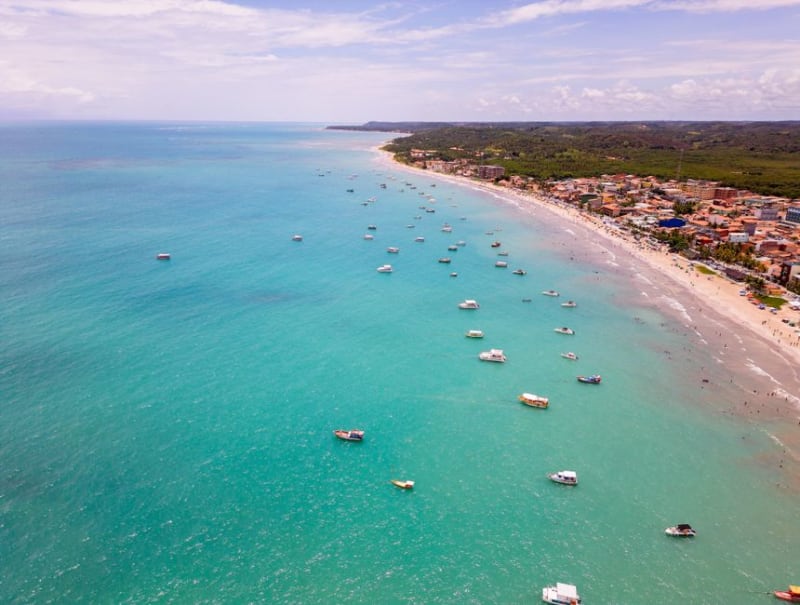 brazil
 Maragogipe
A slow river town in Bahia's Recôncavo, built on tobacco money and kept alive by generations of hand-thrown pottery, best known for a raucous pre-Carnival costume tradition.
Explore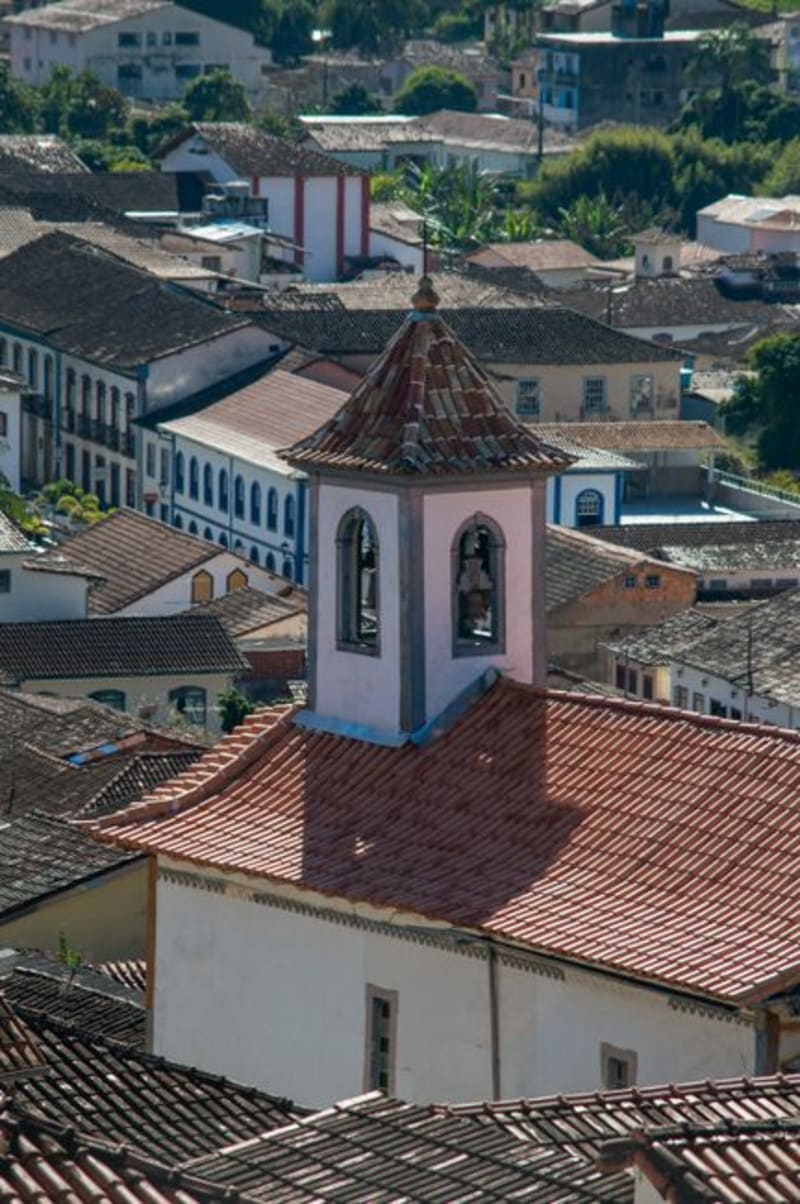 brazil
 Mariana
Minas Gerais's oldest colonial town, twenty minutes from Ouro Preto and considerably quieter, with the same gold-rush churches and a fraction of the crowds.
Explore