Americas
Belize
"Belize is the Caribbean without the package-deal machinery."
A sliver of jungle and reef where the second-largest barrier reef on Earth begins just offshore and Maya temples still disappear into the canopy.
The first thing you notice arriving into Belize City is that nobody is trying to sell you anything. After Guatemala’s tourist gauntlet and Cancún’s relentless transfer buses, the small international airport feels almost indifferent to your presence. A sign says “Welcome to Belize.” A ceiling fan turns slowly. That’s about it. I remember standing there with my bag thinking: okay, I’m going to like it here.
Belize is English-speaking, which is genuinely strange in Central America — a colonial hangover from British Honduras that makes it feel like a different planet from its Spanish-speaking neighbors. The culture is a layered thing: Creole, Garifuna, Maya, Mennonite, Mestizo, expat. In a country of fewer than half a million people, you can eat fry jacks and stewed beans for breakfast in Belmopan, hear Garifuna drumming in Dangriga on a Friday night, buy vegetables from Mennonite farmers at the market in San Ignacio, and drink rum on a dock in Caye Caulker watching a nurse shark cruise past in the shallows. There is nowhere else quite like this.
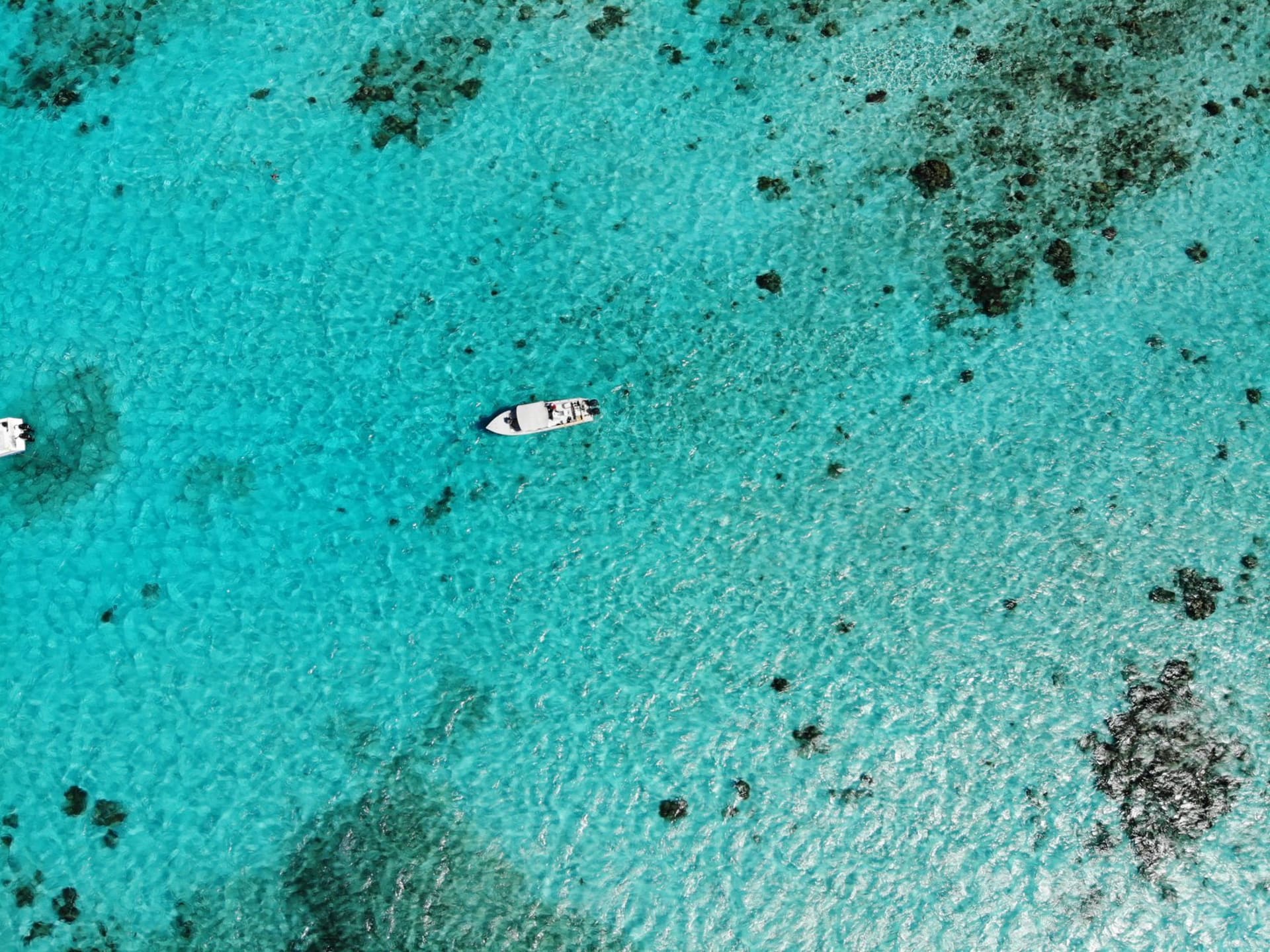
The reef is the reason most people come, and it justifies every superlative thrown at it. The Mesoamerican Barrier Reef — the second longest in the world — runs the length of the coast, and even a mediocre snorkeling day here means swimming through clouds of angelfish and parrotfish above coral formations that look designed by committee. The Great Blue Hole off Lighthouse Reef is overrated for snorkeling but genuinely spectacular from the air, a near-perfect circle of deep indigo punched into the turquoise shallows, visible for kilometers. Take the morning flight from Caye Caulker if you can — the perspective changes everything. For diving, Turneffe Atoll is quieter than the Blue Hole circuit and rewards the effort with walls and nurse sharks that seem to have decided humans are acceptable but barely. Inland, the Caracol ruins in the Chiquibul Forest and the caves of the Cayo District remind you that Belize is also, very seriously, a Maya country. ATM Cave — Actun Tunichil Muknal — requires wading through underground rivers and climbing into chambers where Maya ritual remains sit exactly as left, a thousand years later. It’s one of the most visceral archaeological experiences I’ve had anywhere.
When to go: February to May is the dry season and the best window for reef visibility. December to January is popular but gets breezy and can turn the cayes cold at night. The rainy season runs June through November — September and October are hurricane months, best avoided. April is the sweet spot: dry, warm, and just before the high-season crowds fully dissolve.
What most guides get wrong: They treat Belize as a one-note dive destination, which sells it badly short. The country has more protected jungle per capita than almost any other in the Americas, and the inland experience — rivers, caves, ruins, remote lodges in the Mountain Pine Ridge — is its own argument entirely. The other mistake is going straight to Ambergris Caye and San Pedro, which has become expensive and surprisingly generic. Caye Caulker is cheaper, slower, and more honest. Go further out — Tobacco Caye, South Water Caye — and you’ll understand what this coast was before the golf carts arrived.
Explore
Places in Belize
 belize
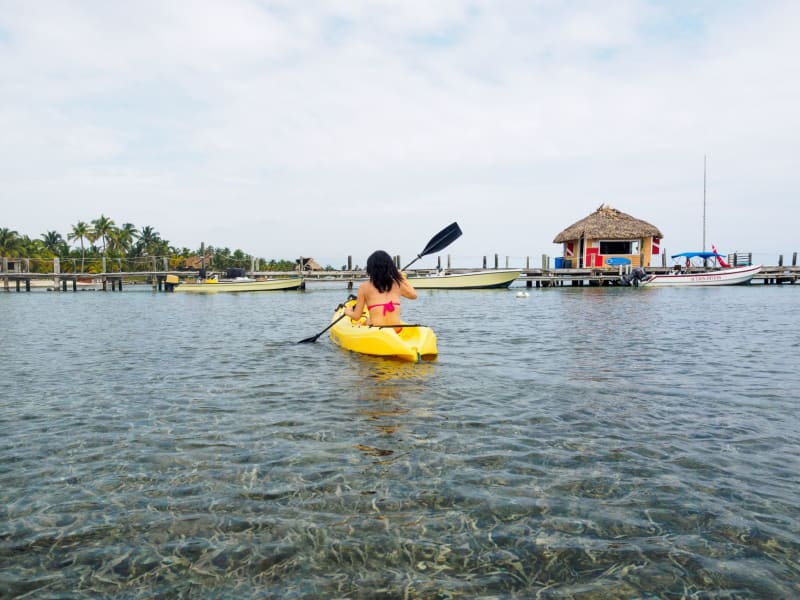
 Ambergris Caye
Belize's largest island, a strip of sand and mangrove fronting the world's second-longest barrier reef, where golf carts outnumber cars and the diving is the whole argument.
Explore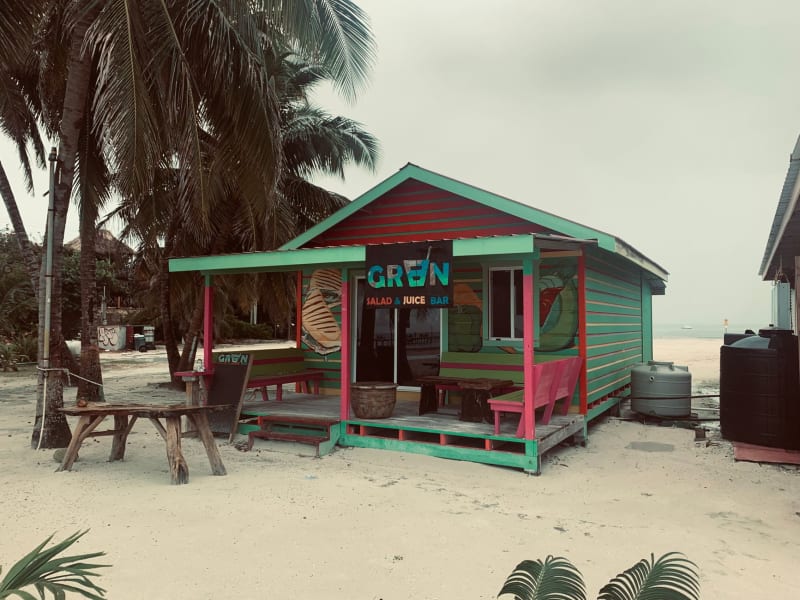 belize
 Belize City
A colonial Caribbean port that everyone advises you to skip quickly and that repays the hour you spend not skipping it with canals, wooden architecture, and the slow theater of the swing bridge.
Explore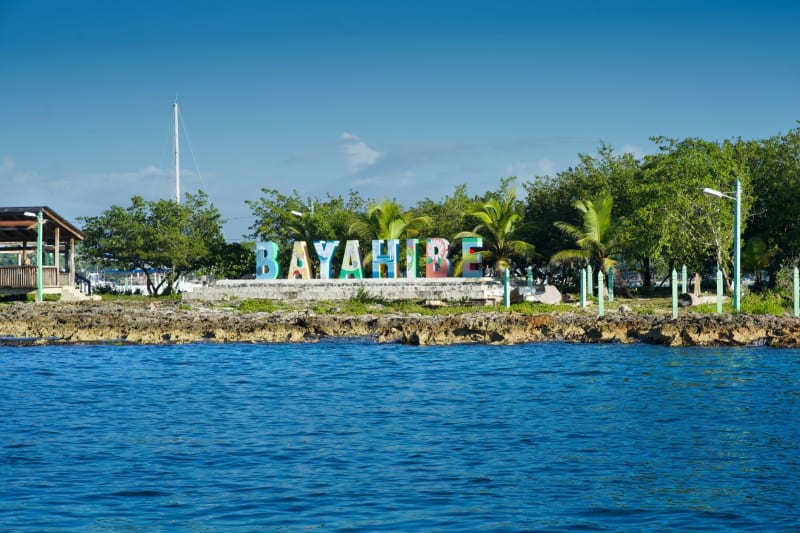 belize
 Caye Caulker
A sand-street island where the only rule is painted on every fence post — Go Slow — and the Caribbean does most of the enforcing.
Explore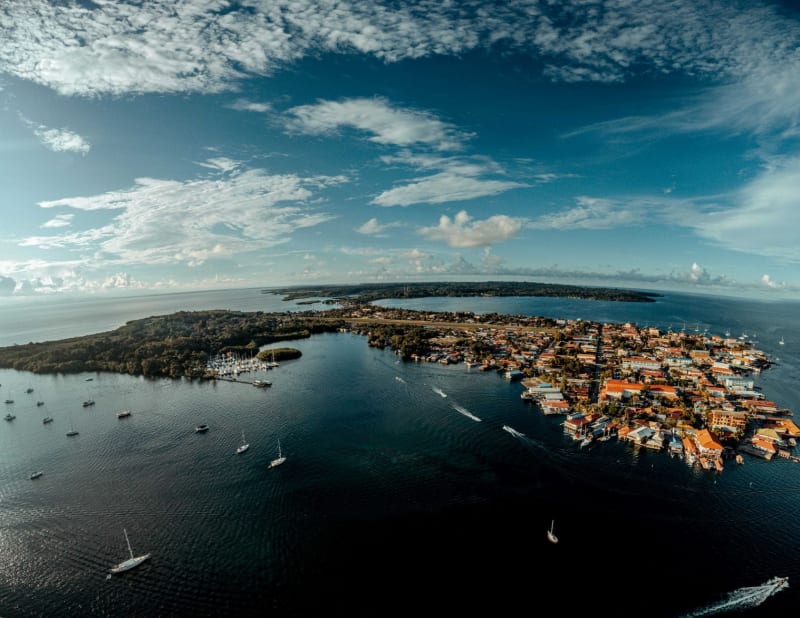 belize
 Belize City and Cayes
A string of Caribbean cayes sit atop the world's second-largest barrier reef, with the Great Blue Hole offshore.
Explore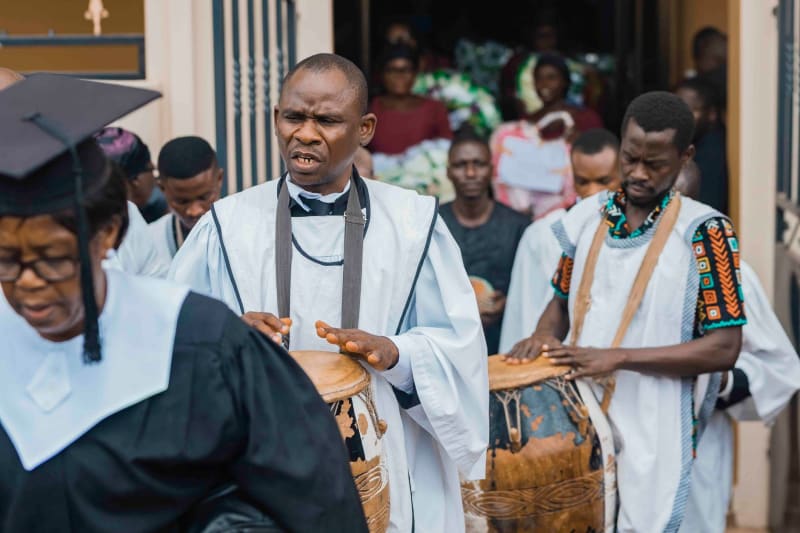 belize
 Dangriga
The self-declared cultural capital of the Garifuna world, where Settlement Day is less a holiday than an annual act of reclamation, and the drumming never really stops.
Explore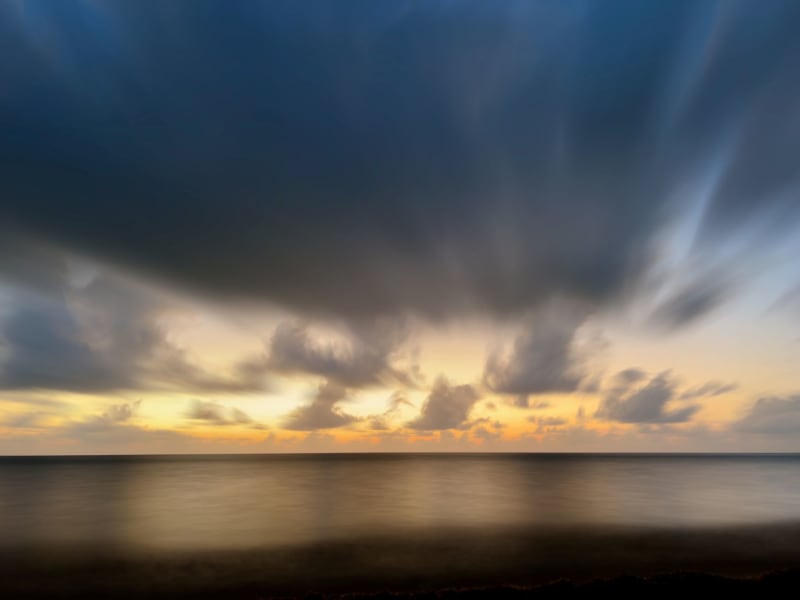 belize
 Hopkins
A Garifuna fishing village where punta drums carry down the beach after dark and the cassava bread is still made by the same women who made it thirty years ago.
Explore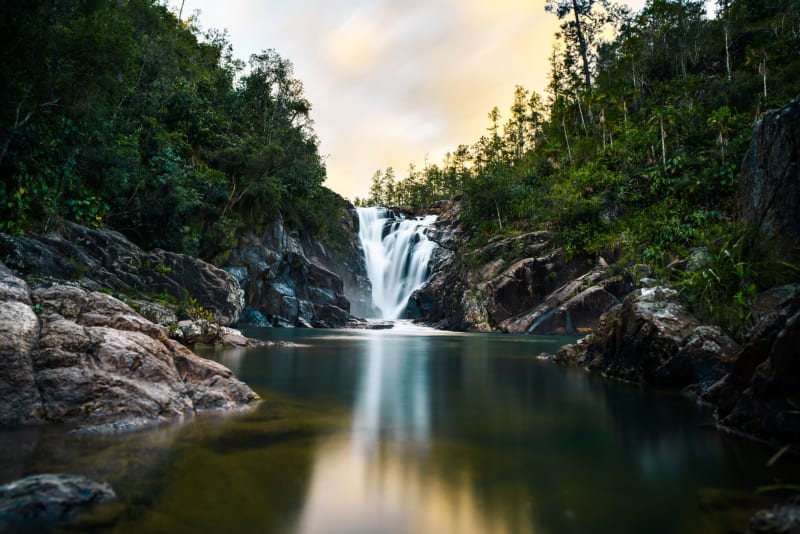 belize
 Mountain Pine Ridge
A forest reserve in the Cayo highlands where the lowland jungle abruptly gives way to pines, granite boulders, and waterfalls cold enough to reset your nervous system.
Explore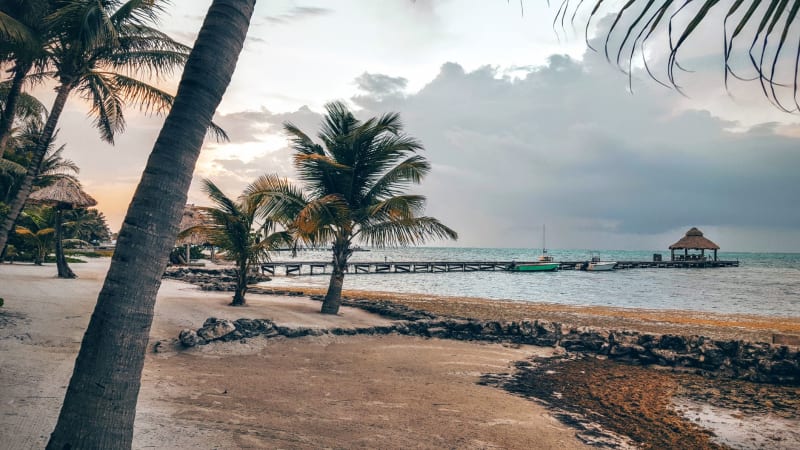 belize
 Orange Walk
A sugar-cane town that earns its place on every itinerary not for itself but for the river journey it launches you on — a slow boat through jungle to the ruins of Lamanai.
Explore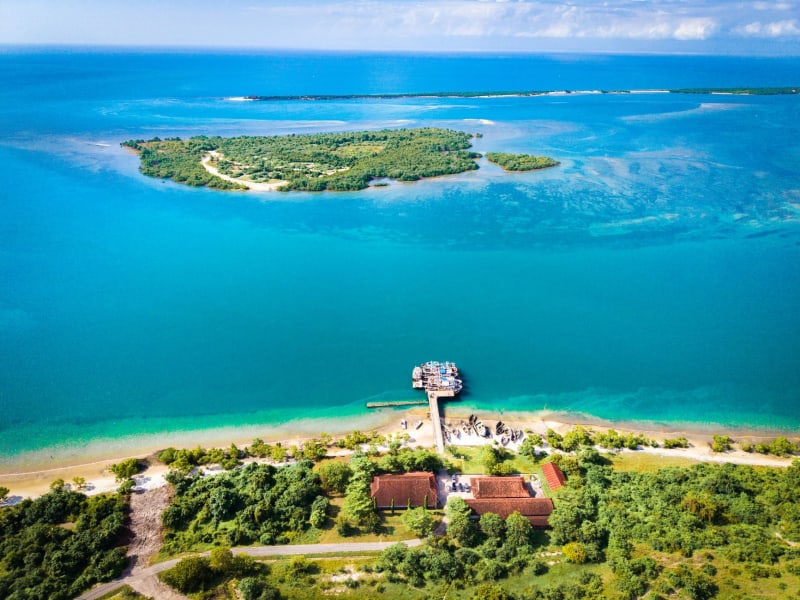 belize
 Placencia
A needle-thin peninsula where the Caribbean side runs turquoise and postcard-clean and the lagoon side smells of mangroves and low tide, and both are exactly what you needed.
Explore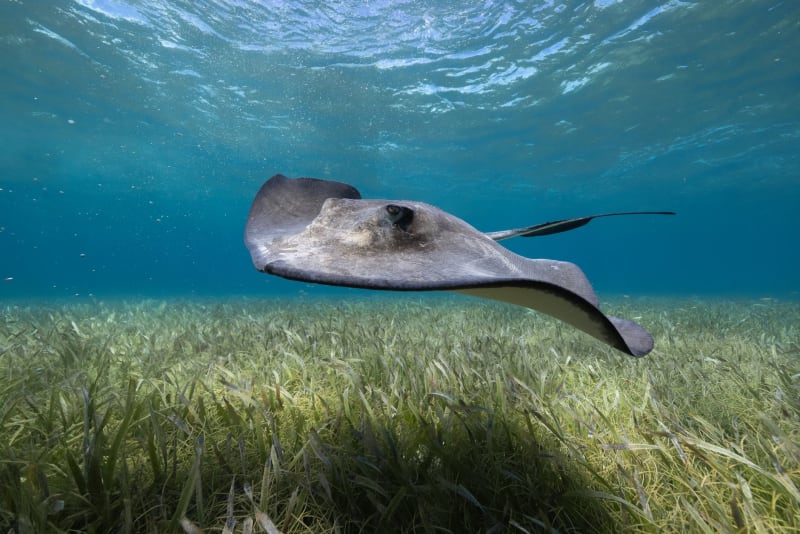 belize
 Punta Gorda
The rain-soaked southern tip of Belize where Maya villages begin past the market's edge and the cacao grown in these hills ends up in bars sold in Brooklyn for eighteen dollars.
Explore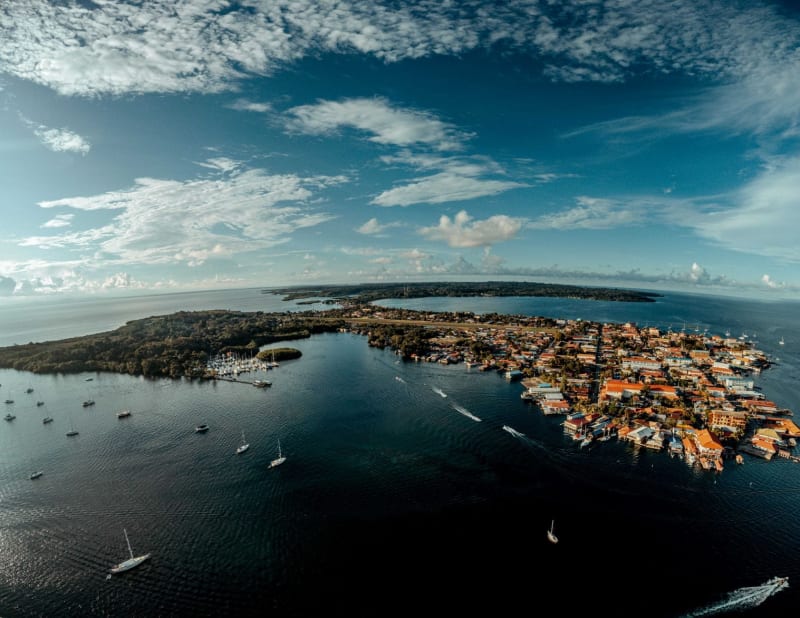 belize
 San Ignacio Belize
A jungle town gateway to ATM Cave and Xunantunich, where Mayan ceremonial rites meet caving adventures.
Explore