The Skinny on the Peninsula
Placencia sits at the end of a sixteen-mile finger of land that tapers to almost nothing before it meets the sea. The famous Placencia Sidewalk — officially the narrowest main street in the world, or so locals will tell you with pride — runs the length of the village past painted wooden houses and a few cafés. You cannot pass another person without turning sideways. I found this less charming in theory than in practice. In practice, it forced a pace the whole place seemed to insist on.
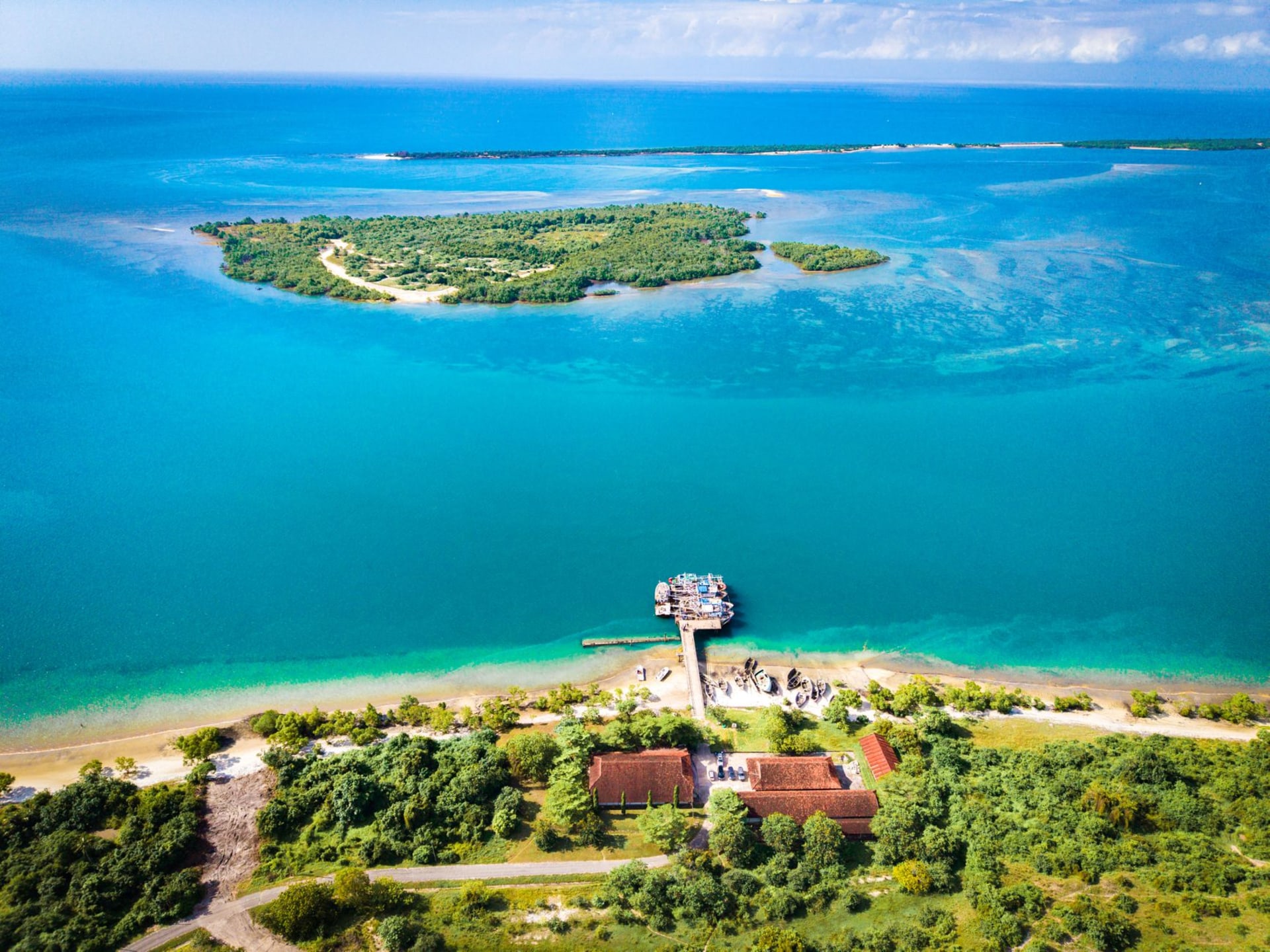
I arrived from the north by water taxi, skimming over the lagoon as the late afternoon turned the water a muddy gold. The Caribbean side, which faces east, was already in shade but the sand stayed warm underfoot and the water beyond the reef was that impossible flat blue that still surprises me every time.
Two Waters, Two Moods
The peninsula has a split personality and it’s worth understanding both sides. The Caribbean beach is where you swim — calm, clear, with a barrier reef breaking the swells just a few miles out. Mornings here have a specific quality: absolute stillness before the wind comes up, pelicans doing their ungainly plunge-dives, the occasional pangas motoring toward the fishing grounds before dawn.
The lagoon side is different. Darker, softer, smell of salt and decay in the nicest possible sense. Mangroves line the shore and frigate birds hang in the updrafts. I spent an evening watching the sun go down from the lagoon side and it was a completely different light than the east — orange bleeding into purple, a fishing boat silhouetted with total precision. Neither side is better. They’re just different arguments for why this stretch of land matters.
What to Eat and Where to Be
Placencia runs on fish. Snapper grilled over coals, conch fritters fried to order at the market, hudut — a Garifuna fish stew with coconut milk and plantain that takes all afternoon to make. I ate the hudut at a small place near the sidewalk’s southern end and it sat heavy and perfect. The coconut was fresh-grated. The plantain had gone almost sweet from long simmering.
The village is small enough that you can exhaust the restaurant options in two nights, which is not a complaint — it means you find your favorites fast and return without ceremony. There are bars along the beach where cold Belikins appear without much prompting and the music trends toward soca after nine p.m.
Between the Reef and the Rum
The offshore water is worth the effort. Day trips to the barrier reef deliver the kind of visibility that makes snorkeling feel almost too easy — coral gardens, nurse sharks resting on sand patches, moray eels uncoiled from crevices in slow inquiry. Whale shark season (March to June) brings dive operators into particular excitement.
But I’d argue the best hours in Placencia are the ones that cost nothing: morning coffee on a dock, the village sidewalk at dusk when everything slows to a walk, a hammock at the end of the day. The peninsula has been discovered enough to have reliable infrastructure and not so much that you feel managed.
When to go: December through April is dry season — reliable sun, lower humidity, calmer seas. March to June coincides with whale shark aggregations near Gladden Spit if diving is a priority. Avoid September and October, peak hurricane season, when some businesses close and the weather can turn for weeks at a time.