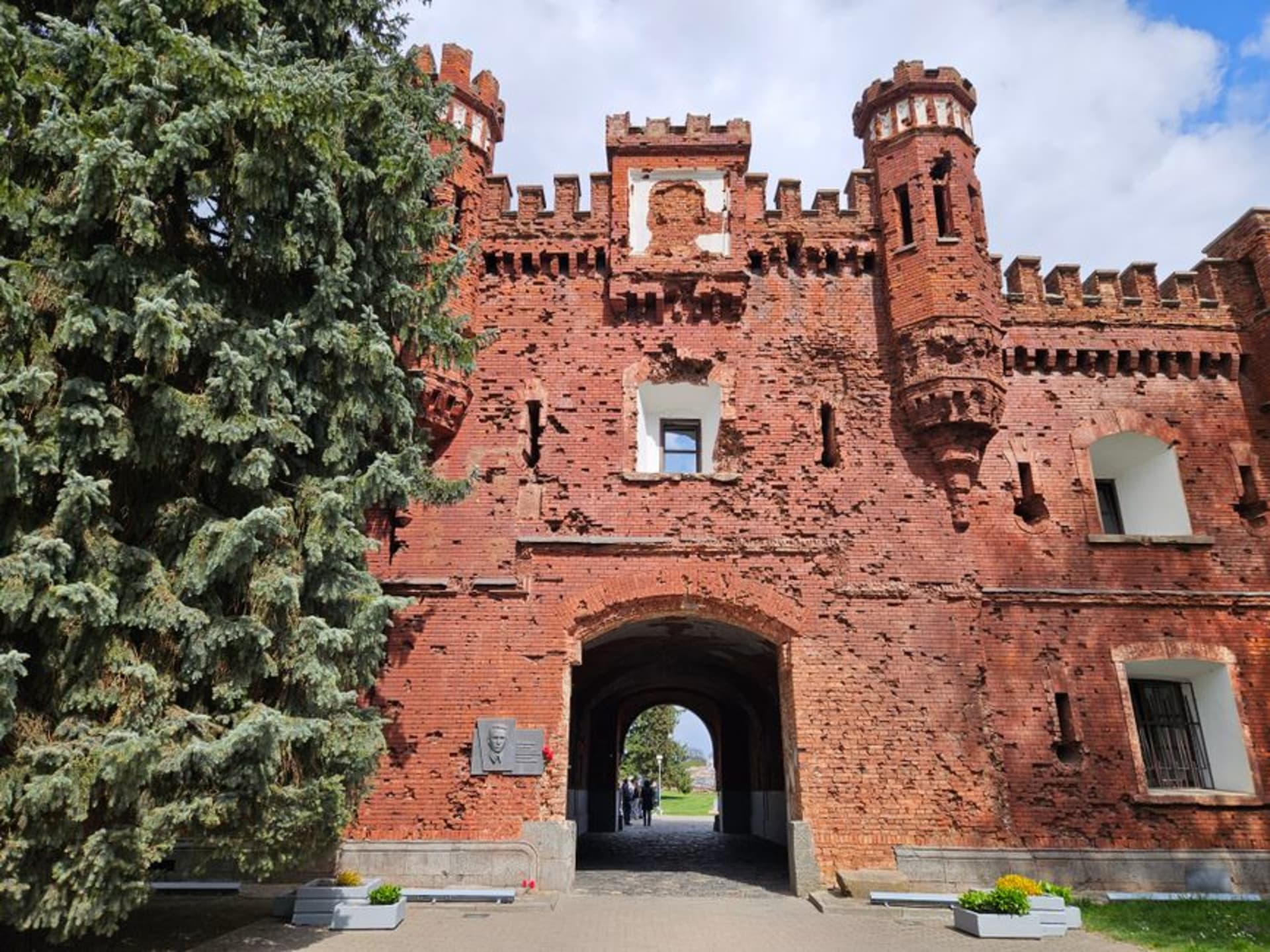
Bobruisk
"Lia found a rusted iron ring set into the fortress wall and spent ten minutes guessing what it had once been used to tie down."
A Berezina River fortress city whose imposing 19th-century citadel and quiet Jewish-heritage streets outlast its industrial reputation.

Bobruisk gets a bit of a reputation joke inside Belarus, something like the Belarusian equivalent of naming a slightly unglamorous provincial city, and I’ll admit that primed me for less than I actually found. We came in from Minsk on a fairly ordinary regional bus, and the town that unfolded past the bus station was rougher-edged than Grodno or Vitebsk, more industrial in feel, but the Berezina River running through the middle of it gives the place a scale and openness I liked immediately.
The fortress is the reason to come. Built in the early nineteenth century as part of the Russian Empire’s western defensive line, it was massive for its time, one of the largest fortifications in the empire, and it played a real role during the 1812 war with Napoleon, holding out under siege while much of the surrounding region fell. What’s left today is a mix of overgrown earthwork ramparts, brick casemates you can wander into on your own without much in the way of official supervision, and long stretches of wall where grass has pushed up through the stone. It’s not manicured like some restored European fortresses, and I actually preferred it that way — there’s something about climbing over crumbling nineteenth-century brickwork with nobody else around that a polished museum exhibit can’t replicate.

We also spent time in the old town streets near the market, which still carry traces of Bobruisk’s history as a major shtetl — before the war, this was one of the most heavily Jewish cities in the region, and a handful of wooden houses and a couple of restored synagogue buildings survive as quiet reminders of that. A local guide we’d arranged through the tourist office walked us past a faded memorial plaque and talked for a long while about a community that essentially vanished here within a few years, which put a heavier weight on the rest of the afternoon than I’d expected walking in.

We ended the day on the Berezina embankment, watching a couple of fishermen and a lot of teenagers doing not much of anything, which felt like an honest snapshot of the city. Bobruisk won’t charm you the way Grodno or Nesvizh might, and I wouldn’t send someone here expecting postcard prettiness. But between the fortress and the older layers of the town, it gave me a rougher, more honest read on this part of Belarus than the more polished stops did.
When to go: Late spring to early autumn, so you can actually walk the overgrown fortress grounds comfortably and sit by the river afterward without the winter cold cutting the visit short.
Keep exploring
More from Belarus
 belarus
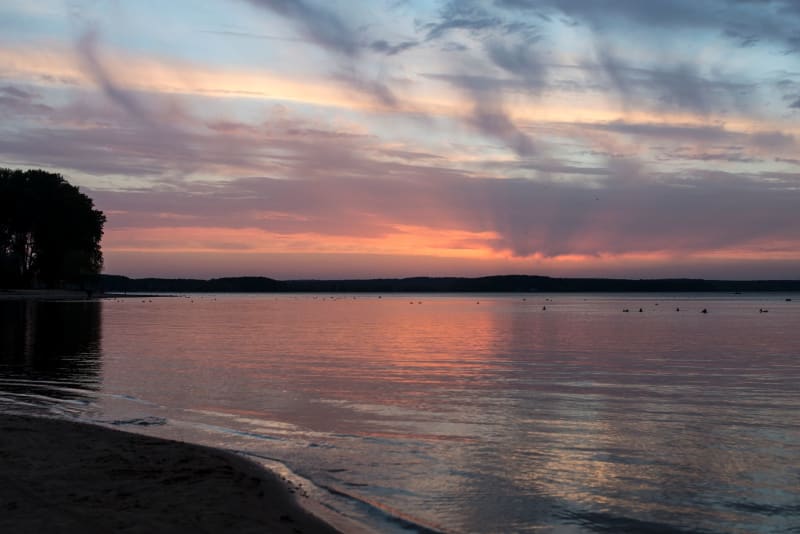
 Braslav Lakes
A northern lake district so blue and birch-fringed that in midsummer it barely seems to belong to landlocked Belarus at all.
Explore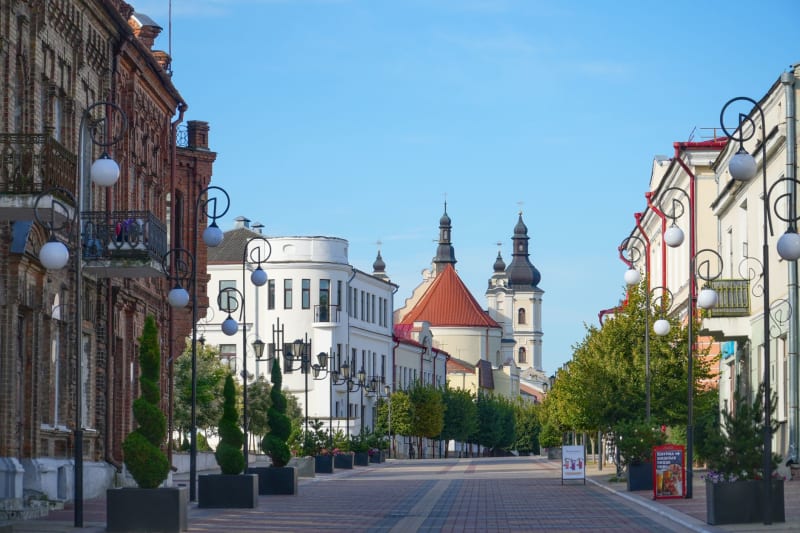 belarus
 Brest
A border city where the Second World War still sits right under the surface, and a fortress that held for a month against impossible odds still leaves you short of breath.
Explore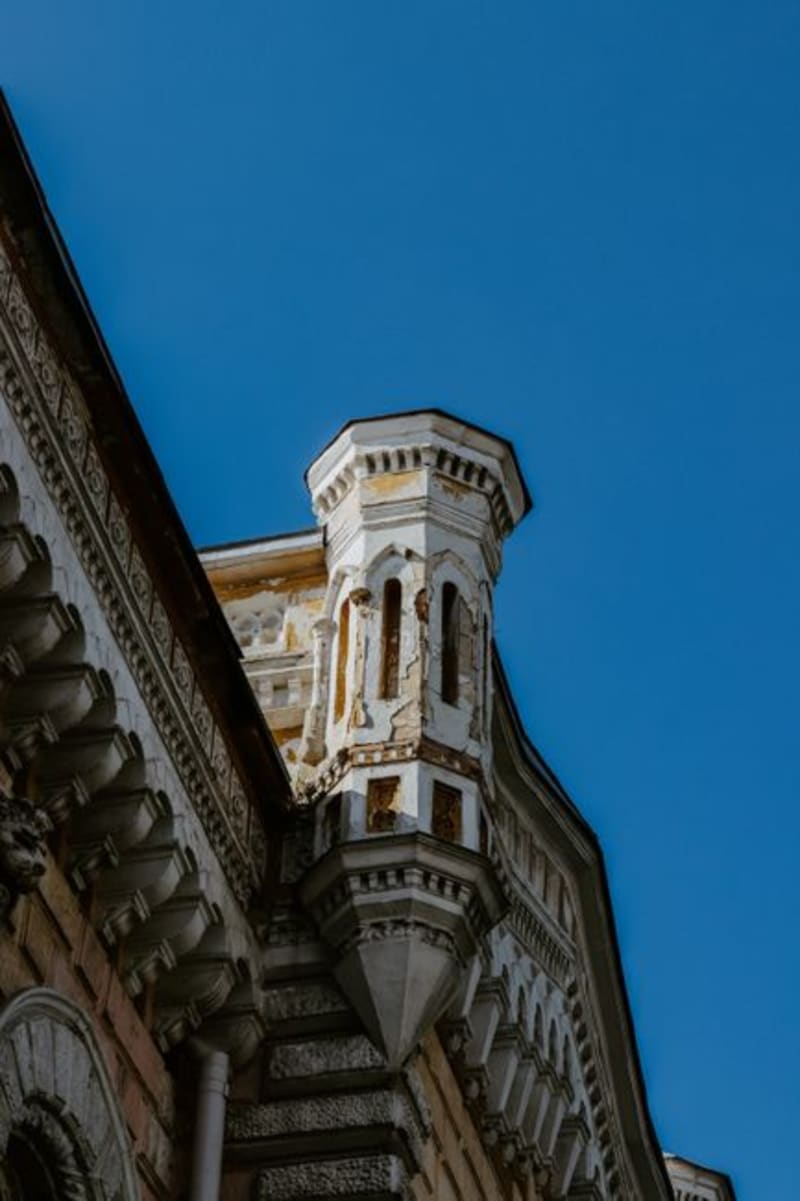 belarus
 Gomel (Homyel)
Belarus's second city on the Sozh River, where a princely palace and its English-style park make for an unexpectedly graceful afternoon.
Explore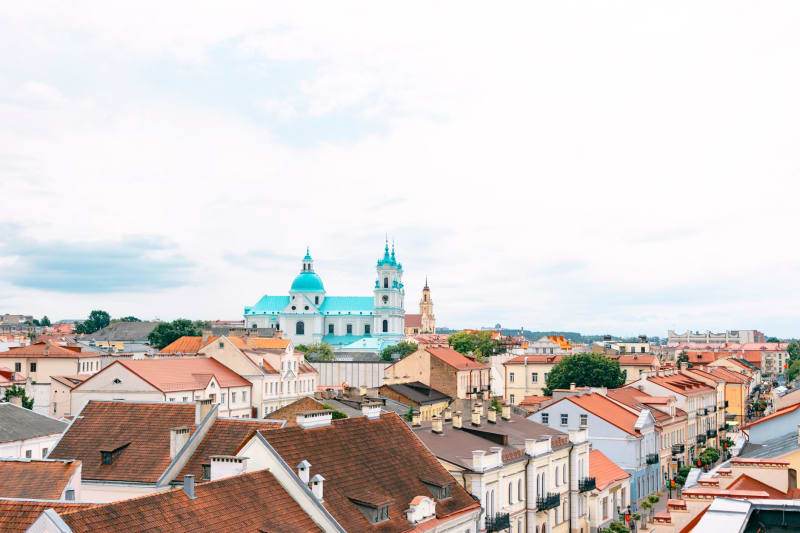 belarus
 Grodno
Belarus's most architecturally layered city, where Orthodox domes, Catholic spires, and a haunted Jewish past all compete for the same old-town skyline.
Explore belarus
 Khatyn Memorial
A field of bronze chimneys north of Minsk where bells toll for a village that no longer exists.
Explore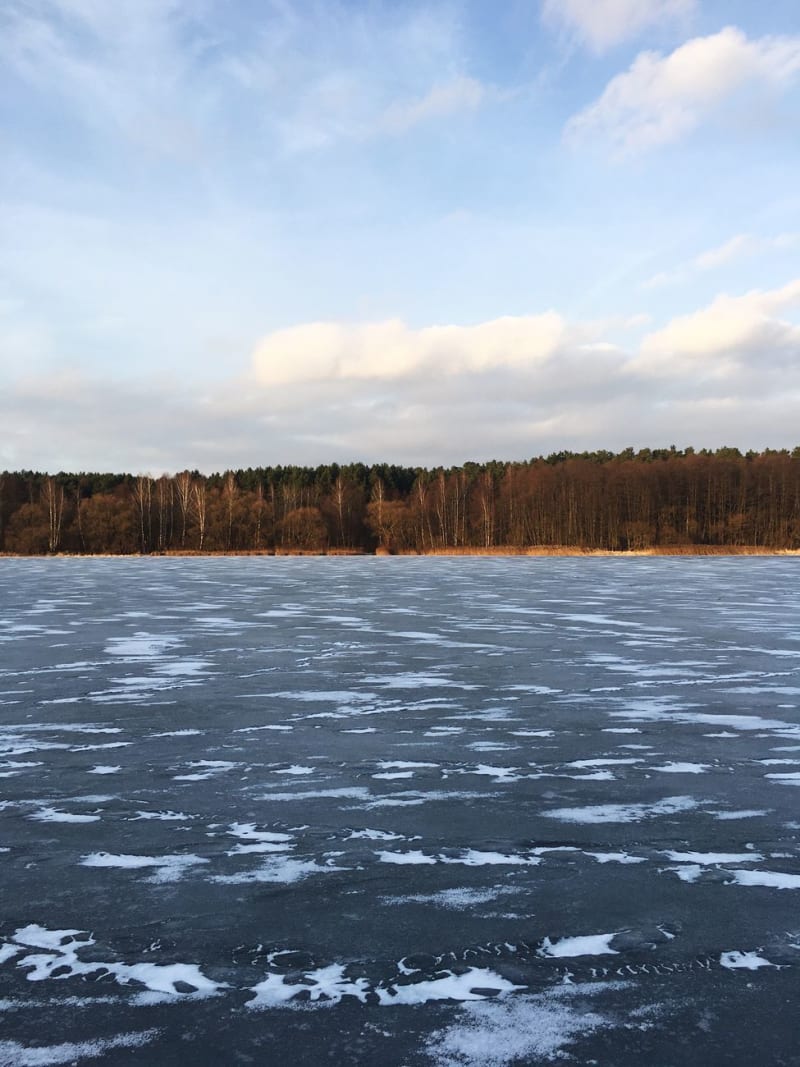 belarus
 Lake Naroch
Belarus's largest lake, a pale freshwater sea ringed by pine forest and faded Soviet sanatoriums that still hum with a peculiar, unhurried optimism.
Explore