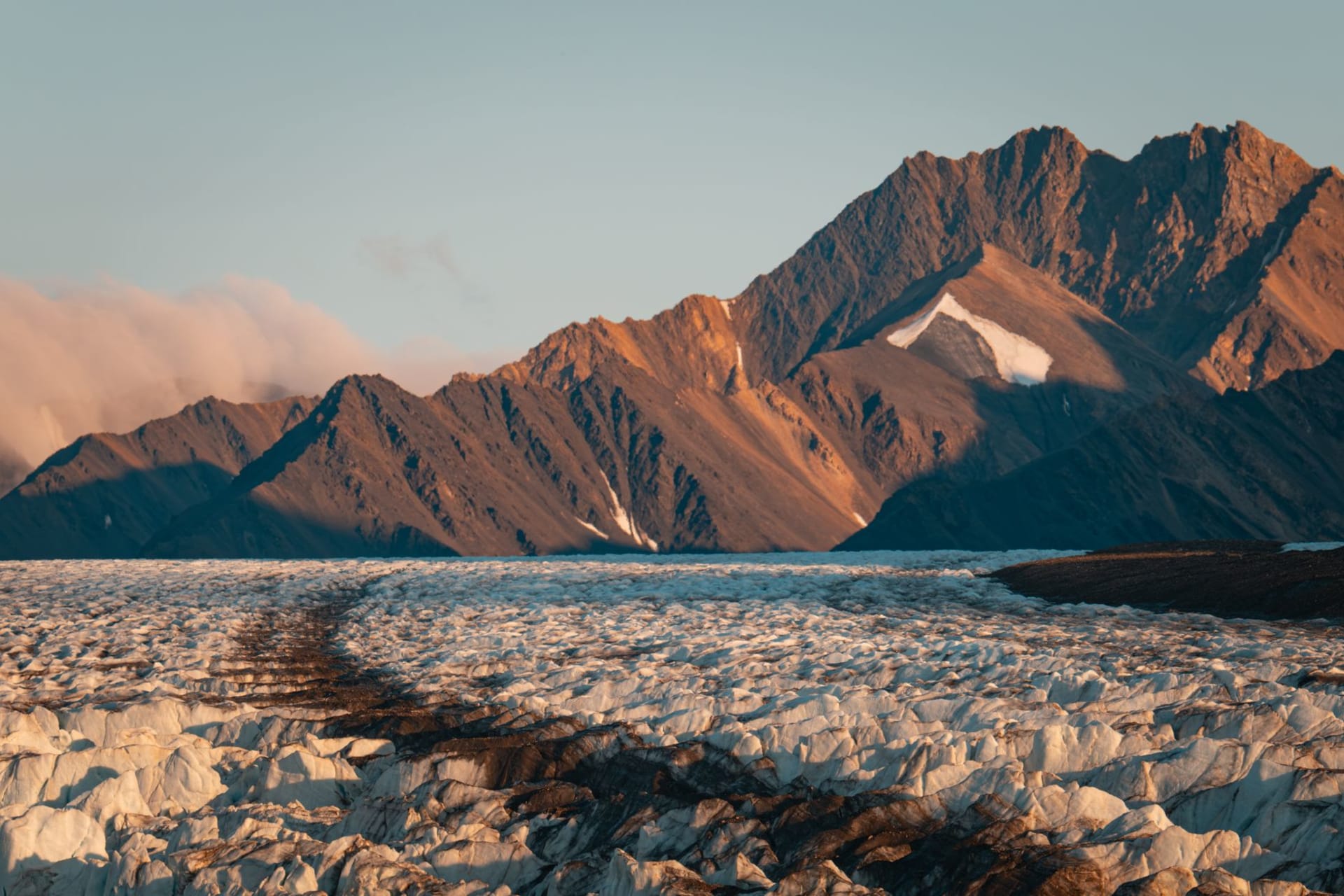
Americas
Alaska
"Alaska doesn't impress you — it simply makes everything else feel small."
The last place on the continent where the land still has the final word — a state-sized wilderness that makes you renegotiate what you thought you knew about scale.

I landed in Anchorage in late May, which meant the light was already doing strange things — golden at ten in the evening, never quite dark, the sky cycling through shades of copper and rose while people walked their dogs like it was four in the afternoon. That first disorientation is Alaska’s opening move. Nothing about it operates on the schedule you arrived with.
The scale is the thing nobody warns you about properly. I’d seen photographs of Denali from the park road, that great white mass dominating the horizon, and I thought I understood what I was looking at. I didn’t. The mountain is so large that your brain refuses to process it as a single object — it reads as sky, as background, as something that can’t possibly be as close as it is. I stood at the Eielson Visitor Center with my jaw actually open, which has never happened to me before and felt embarrassing until I noticed everyone else doing the same thing. We drove to Talkeetna for a rest stop and ate reindeer sausage from a stand near the railway depot — dense, smoky, slightly gamey — while floatplanes buzzed overhead on their way to drop climbers at base camp. That combination of the mundane and the extraordinary is pure Alaska.
The coastline is a different story altogether. I took the ferry through the Inside Passage from Bellingham to Juneau, three days of watching glaciers calve into grey-green water, bald eagles perched on every dead spruce, orca fins cutting through the channel without ceremony. Juneau itself is a small city reachable only by sea or air — no road connects it to the rest of Alaska — and there’s something philosophically freeing about that. The town has good coffee, a surprisingly decent dining scene, and the Mendenhall Glacier sitting at its edge like an uninvited guest who’s been there long enough to feel permanent. Kayaking in Tracy Arm Fjord among floating ice, the silence broken only by the groaning of the glacier and the occasional thunderclap of a calving, is one of those experiences I’m still processing.
When to go: Late May through early September for the interior — Denali is best in June and early July when the mountain is most likely to be visible. June offers the midnight sun in full force. Southeast Alaska (Juneau, Sitka, Ketchikan) is accessible and green all summer but prepare for rain regardless of month. September brings the first autumn colors and fewer crowds. Avoid winter unless you’re specifically chasing the northern lights — February and March offer good aurora viewing around Fairbanks, but the cold is genuinely extreme.
What most guides get wrong: They push the cruise ship experience as the default Alaska, which gives you a version of the state seen from a floating hotel — beautiful but controlled. The real Alaska requires either your own vehicle, a floatplane, or the ferry system. The distances between things are enormous, and the places that stay with you are almost always the ones you had to work slightly harder to reach. Also: Fairbanks is criminally underrated. It’s ugly in the way frontier towns are ugly, completely practical, and it sits at the edge of genuinely wild country that most visitors never see.
Explore
Places in Alaska
 alaska
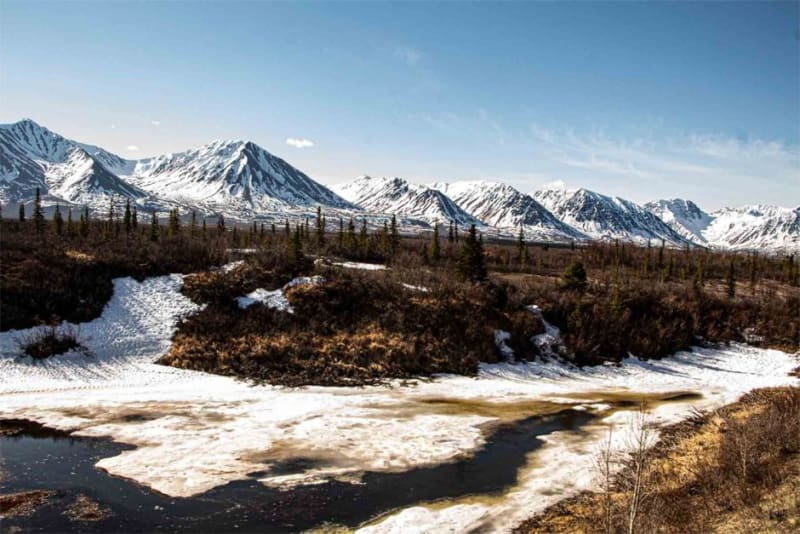
 Chena Hot Springs
A geothermal resort deep in the boreal forest outside Fairbanks, where you can soak in mineral water at minus thirty degrees while the aurora moves overhead.
Explore alaska
 Cordova
A fishing town reachable only by boat or plane, built entirely around the Copper River salmon run and a glacier-fed delta that shakes with millions of migrating shorebirds.
Explore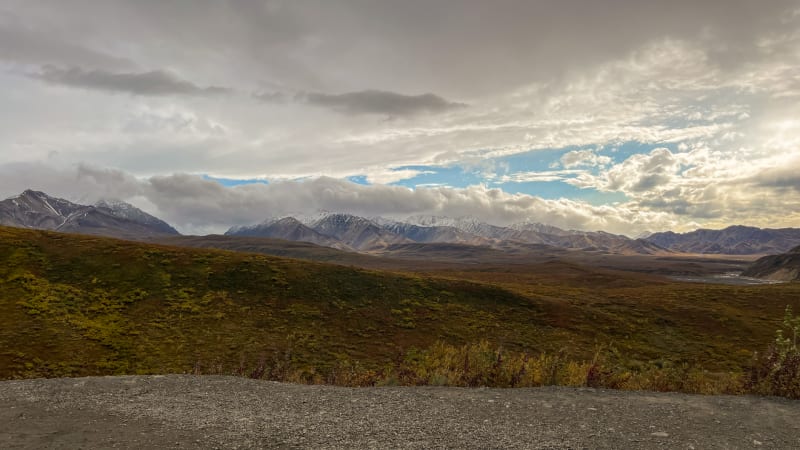 alaska
 Denali National Park
A six-million-acre wilderness built around one mountain so large your brain refuses to accept it as a single object.
Explore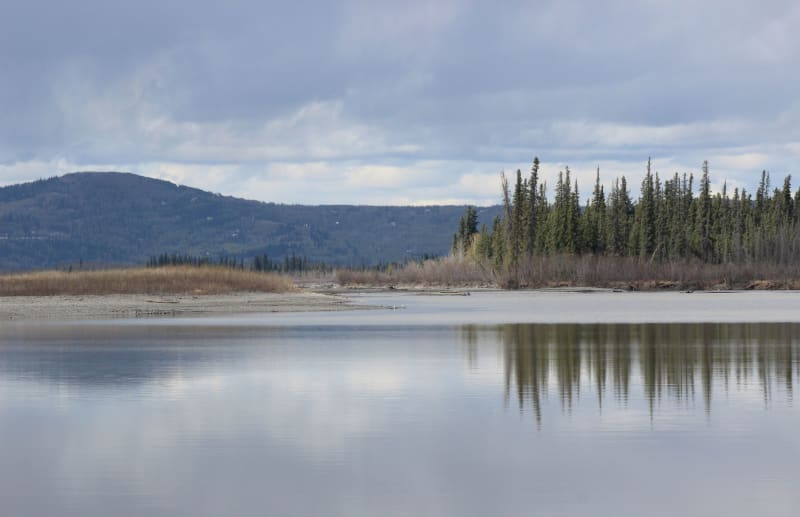 alaska
 Fairbanks
A utilitarian frontier city that earns its ugliness honestly and rewards the patient traveler with the best aurora views on the continent.
Explore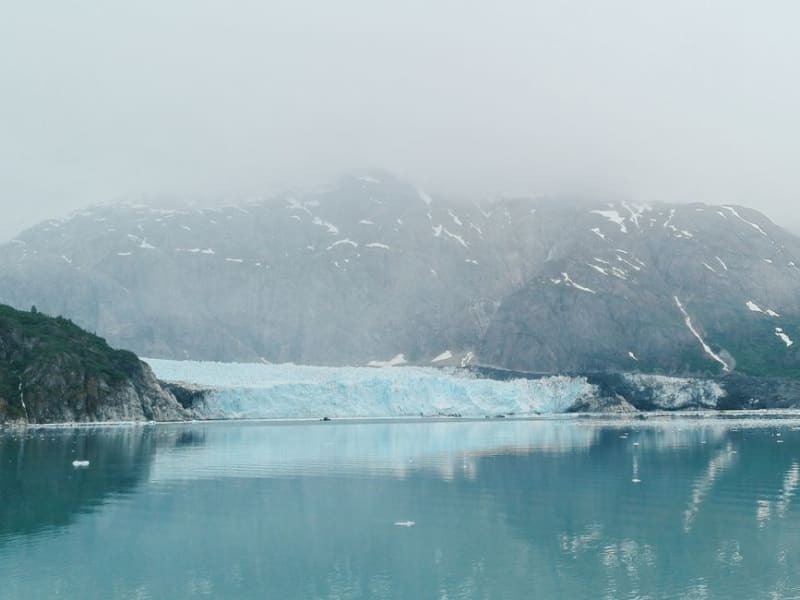 alaska
 Glacier Bay National Park
A national park that didn't exist two centuries ago, still opening up as tidewater glaciers retreat from a bay carved entirely within living memory.
Explore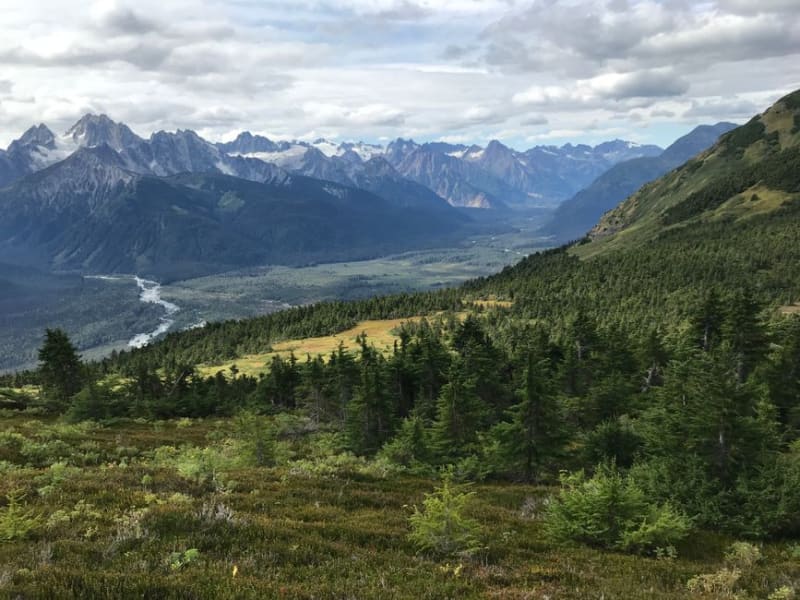 alaska
 Haines
A quiet Southeast Alaska town where more bald eagles gather each autumn than there are people, and where an old Army fort has become an artists' colony.
Explore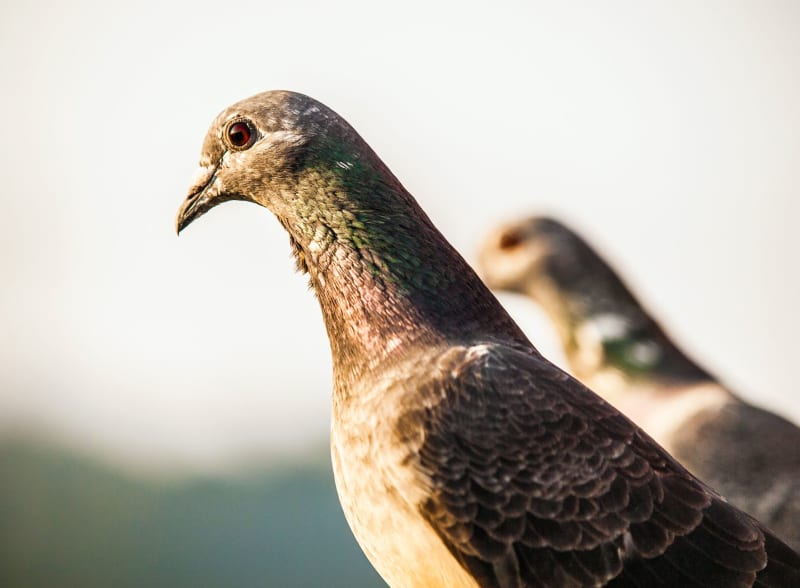 alaska
 Homer
A small art-and-fishing town at the end of the road on Kachemak Bay, where halibut boats and galleries coexist without apparent friction.
Explore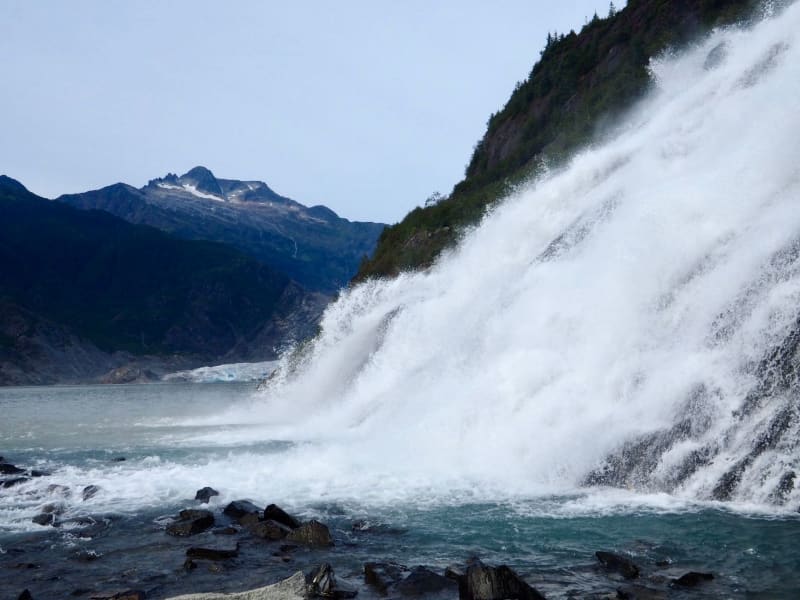 alaska
 Juneau
Alaska's capital city has no road connecting it to the rest of the state — and something philosophically liberating follows from that fact.
Explore alaska
 Kenai Fjords National Park
Where tidewater glaciers calve directly into the Gulf of Alaska and the wildlife operates at a density that makes the rest of the world feel thin.
Explore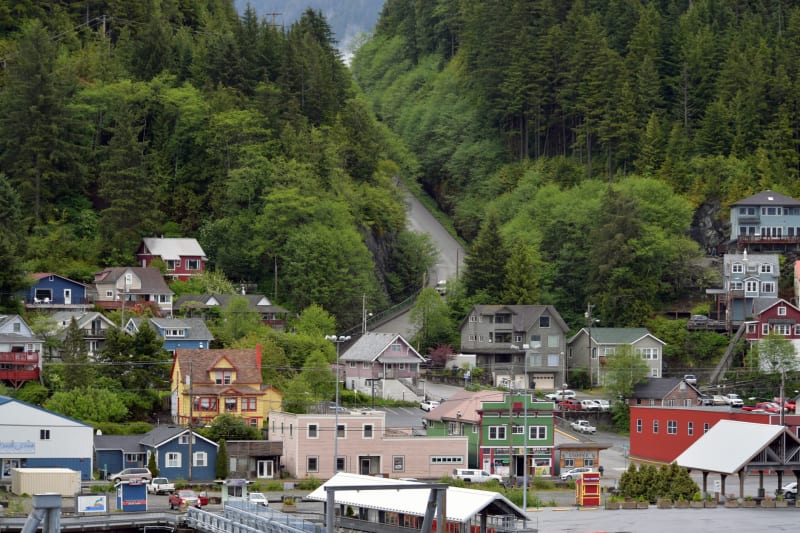 alaska
 Ketchikan
Alaska's rainiest city built on salmon and cedar, where totem poles stand in the forest and a red-light creek runs right through downtown.
Explore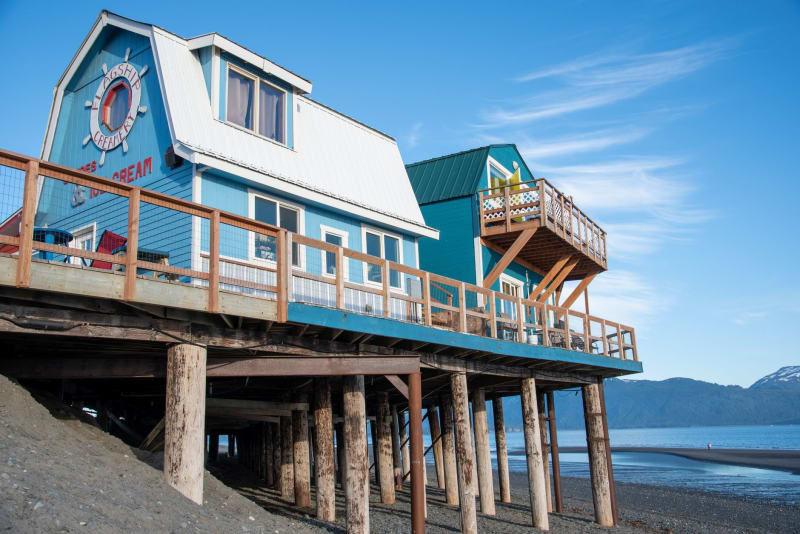 alaska
 Kodiak Island
A fog-wrapped island in the Gulf of Alaska where the bears are the size of myth and the fishing culture runs deeper than tourism ever will.
Explore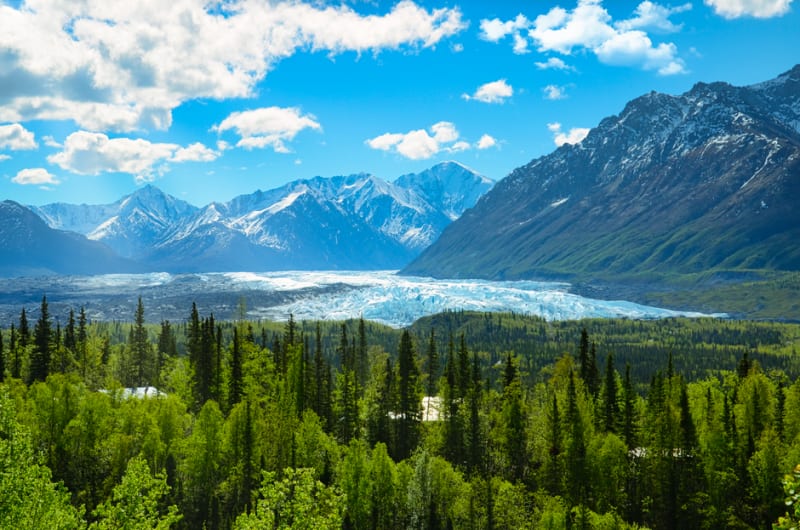 alaska
 Matanuska Glacier
The most accessible glacier in Alaska, a river of blue ice you can actually walk out onto within a short hike of the Glenn Highway.
Explore alaska
 Nome
A former gold rush boomtown on the Bering Sea coast, now the finish line of the Iditarod and the gateway to a genuinely Arctic landscape most visitors never see.
Explore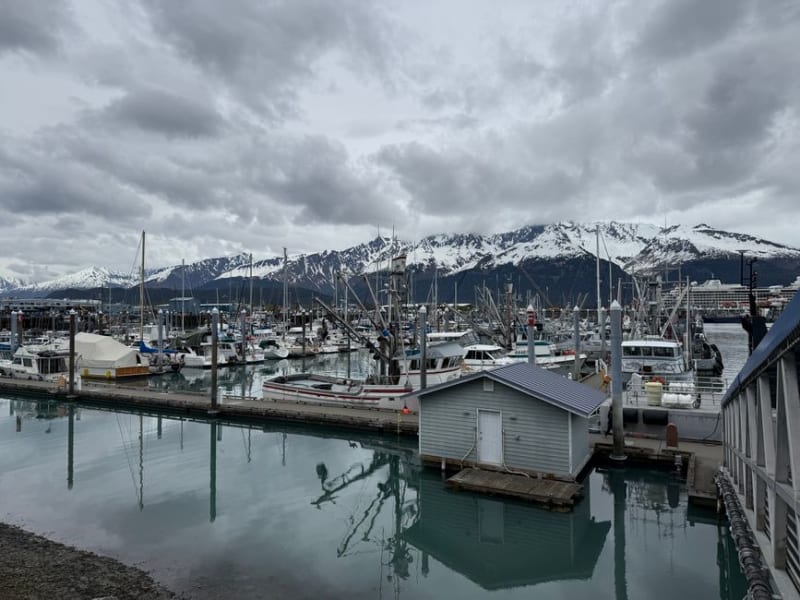 alaska
 Seward
A harbor town wedged between mountains and Resurrection Bay, built around fishing boats, glacier tours, and a footrace up a mountain that seems designed to hurt.
Explore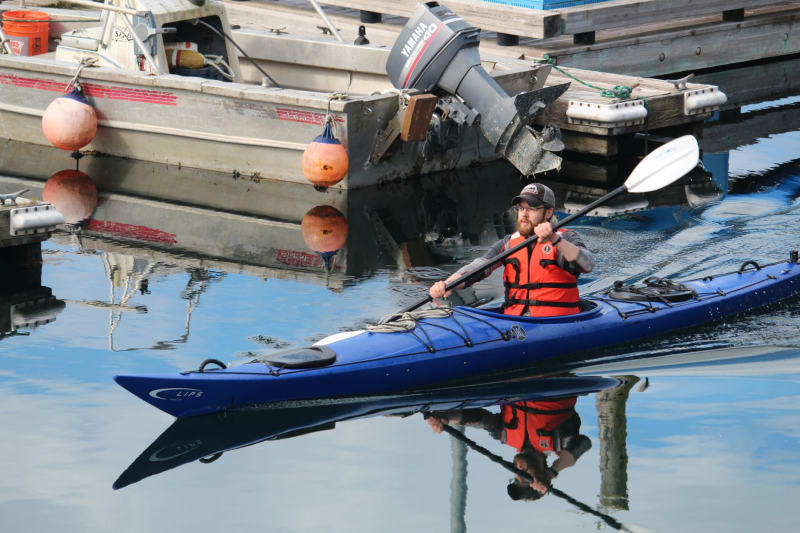 alaska
 Sitka
The old Russian capital of Alaska, where onion domes sit above a Tlingit landscape and sea otters float in the harbour like they own it.
Explore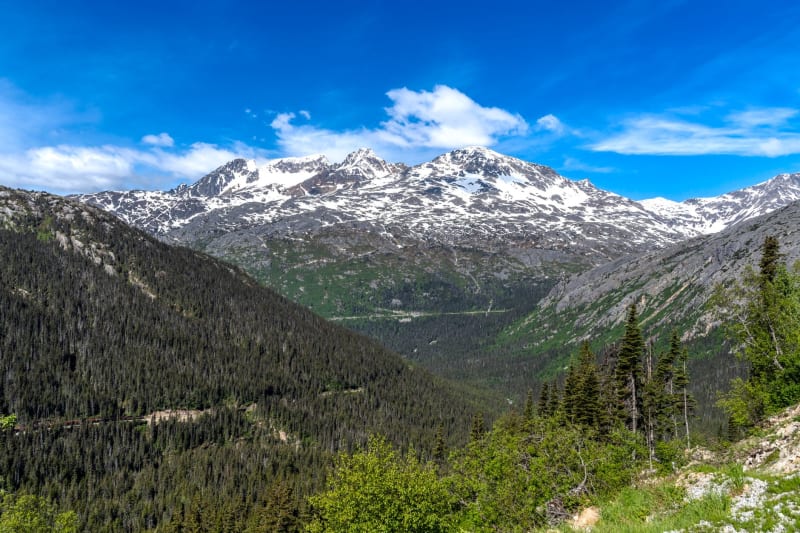 alaska
 Skagway
A gold-rush boomtown frozen mid-sentence at the head of a fjord, where false-front saloons line a single street and a narrow-gauge railway claws up into the mountains.
Explore