Juneau
"A capital city you can only reach by sea or air — that detail alone changes how the whole place feels."
Alaska's capital city has no road connecting it to the rest of the state — and something philosophically liberating follows from that fact.

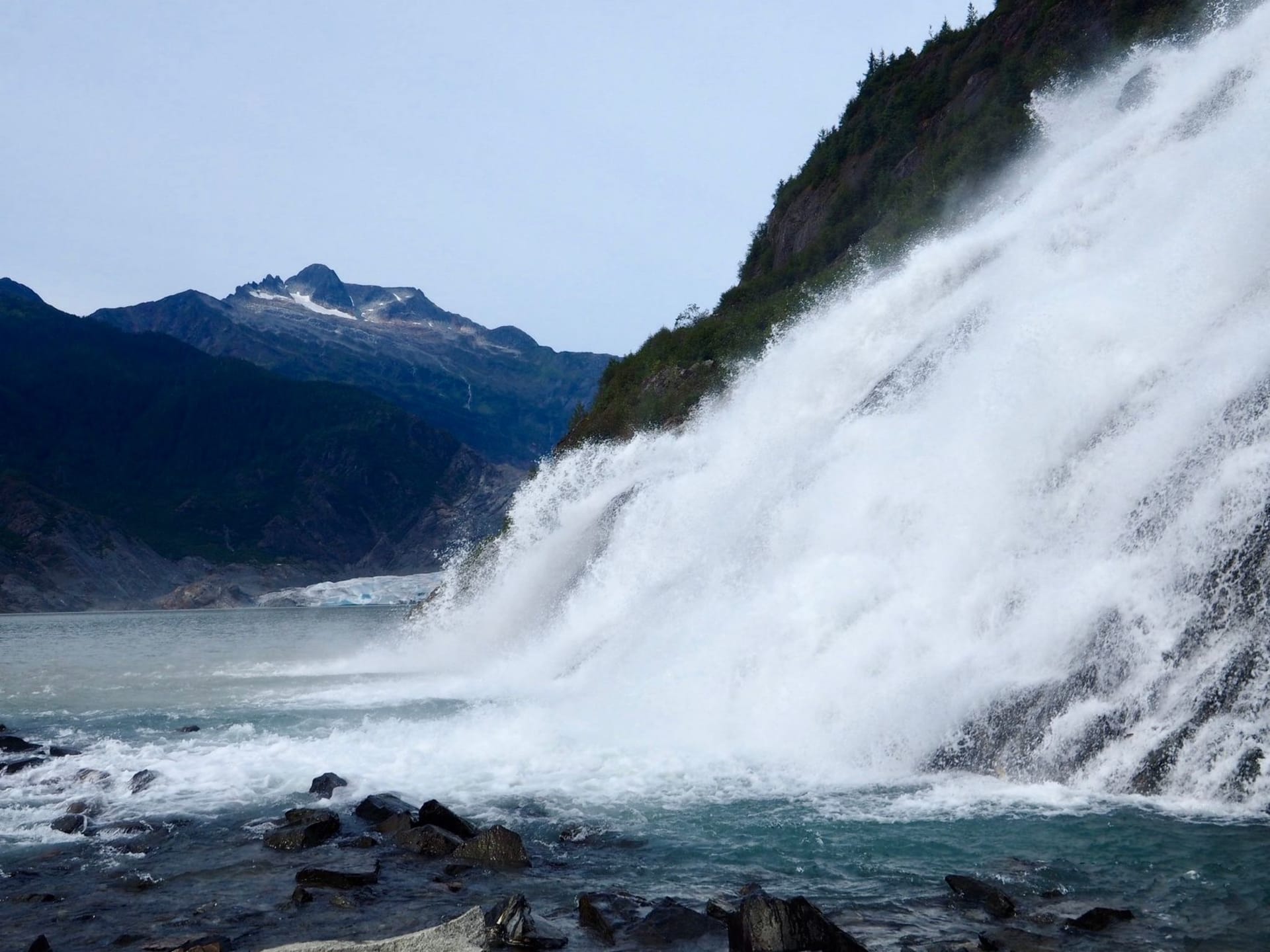
I arrived on the Alaska Marine Highway ferry after two days threading through the Inside Passage from Bellingham, and Juneau materialized from the rain exactly the way a coastal Alaskan city should: gradually, through grey, a cluster of buildings wedged between mountains so steep they feel like walls. There’s nowhere for the city to go — up is rock, the ocean is at the front door — so Juneau simply compresses itself against the waterfront and makes do with vertical. I stepped off the ferry into mist and spruce smell and felt immediately that this was a place that had decided what it was and stopped negotiating.
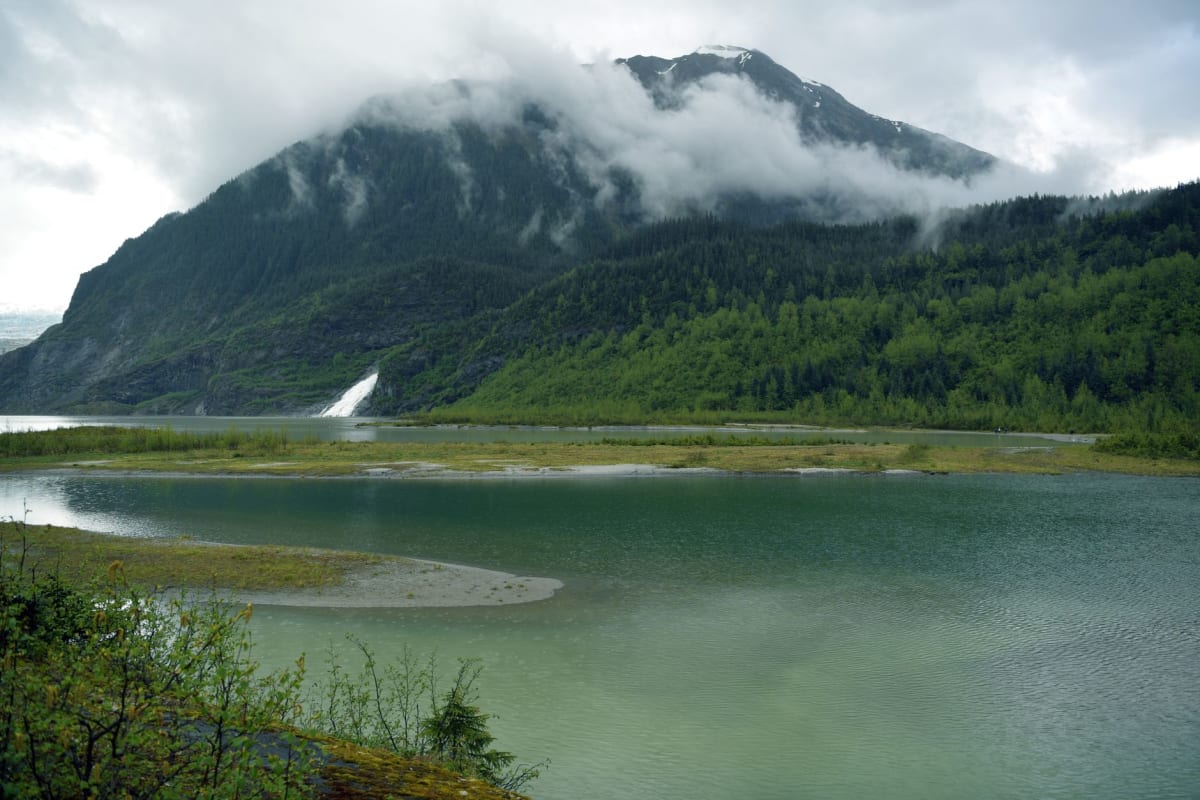
The Mendenhall Glacier sits at the city’s edge like a geological argument. You drive out through a suburb of normal Alaska houses — pickup trucks in driveways, children’s bikes on lawns — and then the road ends at a visitor center and there it is: a river of blue-white ice flowing out of the Juneau Icefield, calving into a lake where icebergs the size of delivery vans drift without urgency. I walked the West Glacier Trail in the rain — the trail was empty, the forest dense and dark, and when I came out onto a rock ledge above the ice I stood there for a long time getting wet in a way I didn’t mind at all. The glacier has retreated significantly in my lifetime. The shoreline is marked with posts showing where the ice edge stood in different decades. That kind of time made visible does something to you.
The town itself is better than it deserves to be. There’s a coffee shop on Franklin Street where the barista knew every regular’s order before they reached the counter, and a small restaurant in the district behind the waterfront where I had halibut in a brown butter with capers that was quietly one of the better fish dishes of my year. Juneau is small enough that you feel the city’s personality within a few hours — a particular combination of government-worker pragmatism, wilderness proximity, and genuine civic pride. The people here chose to stay, or came back, and that choice is visible in how they talk about the place.
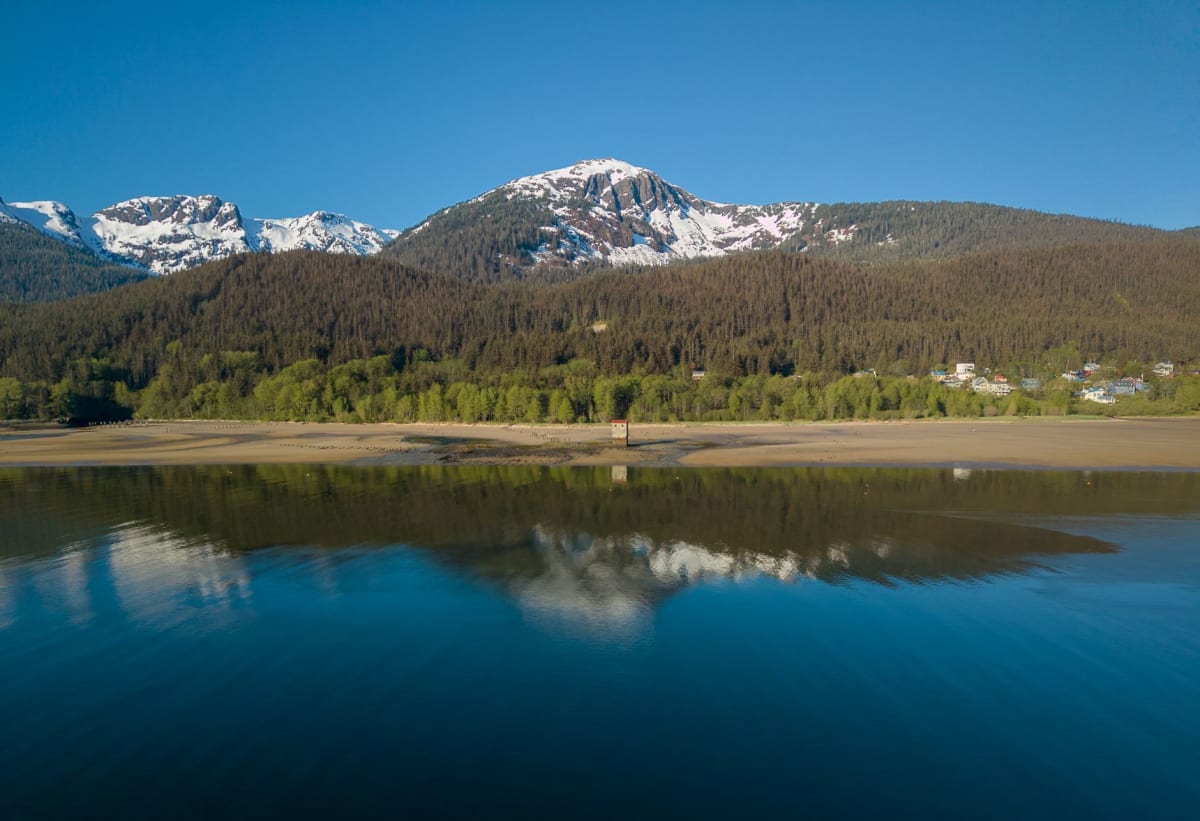
Tracy Arm Fjord is the excursion that justifies the flight cost alone. I went by small boat — just twelve people, a skipper who talked about the glaciers the way a person talks about difficult relatives — and spent a day threading between walls of rock draped in waterfalls, past icebergs that glowed turquoise from the inside, toward the Sawyer Glaciers at the end of the fjord. The sound of calving — a crack like a rifle shot followed by a deep groan and then a wave that rocks the boat — doesn’t lose its power on repetition. The silence between calving events was absolute. No wind, no engine, just ice and water and the occasional Steller sea lion surfacing ten metres off the bow.
When to go: May through September is the accessible season. June and July bring the most daylight. Accept the rain — Juneau gets around 1,500mm per year, and the most interesting days are often overcast ones. The summer cruise ship crowds are real but concentrated on the waterfront; head slightly inland or take an early boat and you’ll largely avoid them.
Keep exploring
More from Alaska
 alaska
 Kenai Fjords National Park
Where tidewater glaciers calve directly into the Gulf of Alaska and the wildlife operates at a density that makes the rest of the world feel thin.
Explore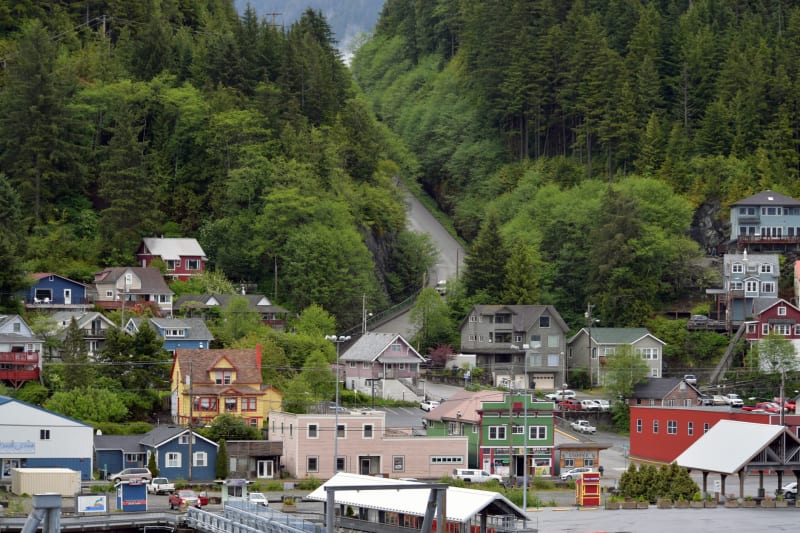 alaska
 Ketchikan
Alaska's rainiest city built on salmon and cedar, where totem poles stand in the forest and a red-light creek runs right through downtown.
Explore alaska
 Kodiak Island
A fog-wrapped island in the Gulf of Alaska where the bears are the size of myth and the fishing culture runs deeper than tourism ever will.
Explore alaska
 Matanuska Glacier
The most accessible glacier in Alaska, a river of blue ice you can actually walk out onto within a short hike of the Glenn Highway.
Explore alaska
 Nome
A former gold rush boomtown on the Bering Sea coast, now the finish line of the Iditarod and the gateway to a genuinely Arctic landscape most visitors never see.
Explore alaska
 Seward
A harbor town wedged between mountains and Resurrection Bay, built around fishing boats, glacier tours, and a footrace up a mountain that seems designed to hurt.
Explore