Homer
"The Spit reaches out into the bay like the town is trying to stay in touch with the water for as long as possible."
A small art-and-fishing town at the end of the road on Kachemak Bay, where halibut boats and galleries coexist without apparent friction.

The Sterling Highway ends in Homer, which is to say the road ends at a bluff above Kachemak Bay and then continues as a five-kilometre gravel spit that pushes out into the water toward the Kenai Mountains across the bay. On a clear day — and the days are sometimes startlingly clear here, the low-angled light doing things to the water that I have no name for — those mountains are so sharp and close-looking that they feel reachable in an afternoon. They are not. They are a forty-minute boat ride and then several hours of difficult terrain, and the bay between is serious water. But the illusion of nearness does something to how you sit in this town. You spend a lot of time looking across the water, thinking.

Homer has a character I didn’t expect and had trouble categorizing. It’s a fishing town — genuinely, meaningfully, the halibut charter industry here is substantial and the processing plants are real — but it’s also been colonized by artists and writers in a way that’s been going on long enough that the two communities have worked out a kind of accommodation. The main street has a gallery next to a hardware store next to a bar where commercial fishermen drink alongside people who teach yoga. The Pratt Museum is small but serious, with excellent Alutiiq material and thoughtful natural history exhibits and a coastal ecology section that made me stay longer than I planned. The bookstore — Ptarmigan Arts — has a used section in the back that absorbed an entire afternoon.
The Spit itself is where the fishing economy lives most visibly. Charter boats line the dock and leave before dawn, returning in the afternoon with halibut that are legitimately enormous — I watched one being unloaded that was nearly as long as the man carrying it, and he was not a small man. The fish cleaning tables at the dock are social spaces in the way that bars are social spaces: everyone is doing something with their hands, the conversation flows easily, and there’s a generosity to it. Several charter operators sell their excess directly off the boats and I bought a piece of halibut that I took to a campsite and cooked over a fire in the simplest way possible and it was magnificent.

The restaurants on and near the Spit do good work with the local catch. I had clam chowder at a wooden place on the water — so thick the spoon stood up in it, heavy with butter and local clams — and then king crab legs at a crab shack that had been there long enough to have the particular gravity of places that know what they’re doing. Homer is also, surprisingly, a wine town — several small establishments pour thoughtful selections in settings that look out over the bay, which is a combination of pleasures I was not prepared for in coastal Alaska.
When to go: May through September. June and July offer the most reliable clear days and the longest light. The halibut fishing is best in July and August. The Kachemak Bay Shorebird Festival in May — when hundreds of thousands of birds stop to feed here during migration — is worth planning around if you have any interest in birding. Kachemak Bay State Park across the water requires a water taxi and rewards those who make the crossing.
Keep exploring
More from Alaska
 alaska
 Juneau
Alaska's capital city has no road connecting it to the rest of the state — and something philosophically liberating follows from that fact.
Explore alaska
 Kenai Fjords National Park
Where tidewater glaciers calve directly into the Gulf of Alaska and the wildlife operates at a density that makes the rest of the world feel thin.
Explore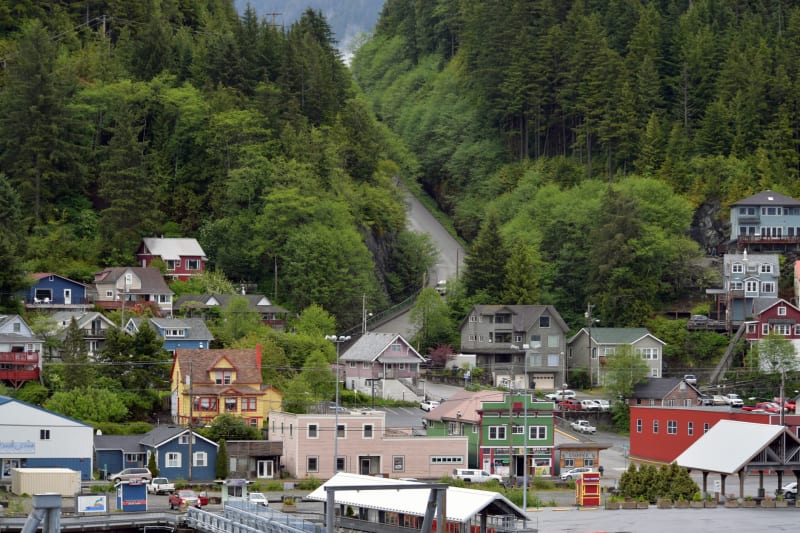 alaska
 Ketchikan
Alaska's rainiest city built on salmon and cedar, where totem poles stand in the forest and a red-light creek runs right through downtown.
Explore alaska
 Kodiak Island
A fog-wrapped island in the Gulf of Alaska where the bears are the size of myth and the fishing culture runs deeper than tourism ever will.
Explore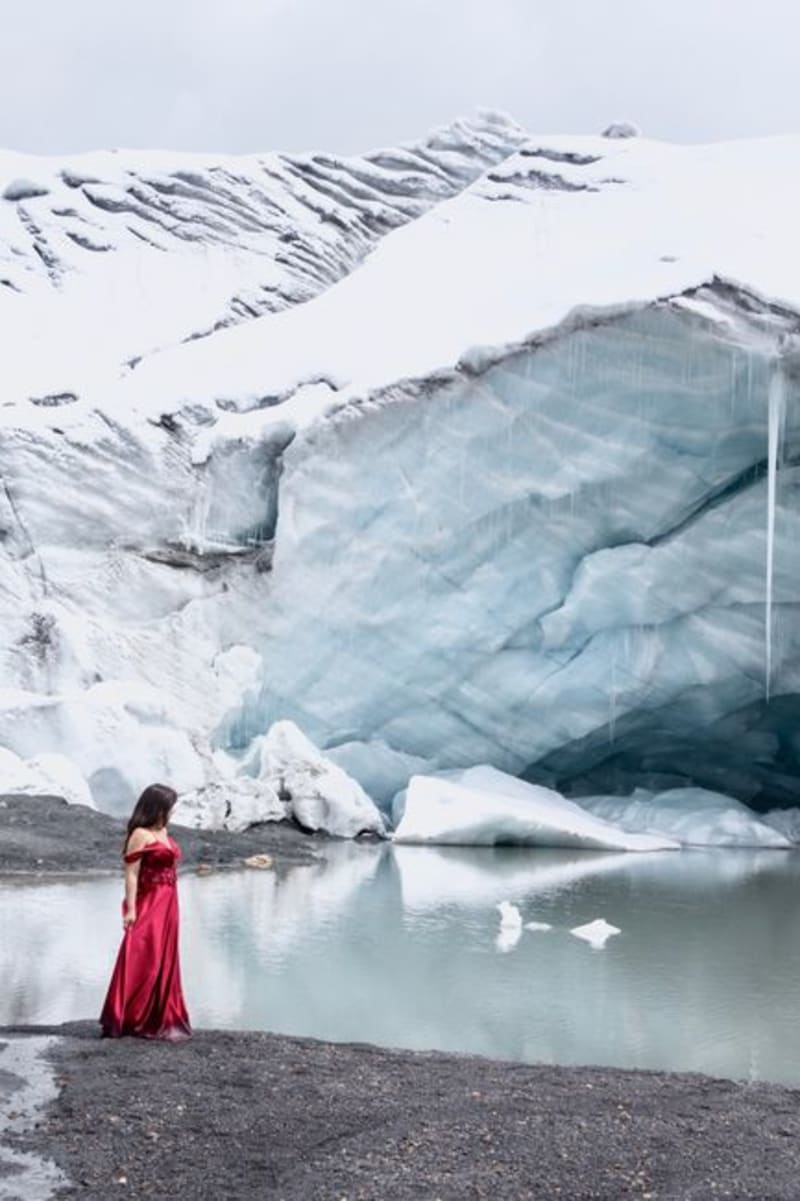 alaska
 Matanuska Glacier
The most accessible glacier in Alaska, a river of blue ice you can actually walk out onto within a short hike of the Glenn Highway.
Explore alaska
 Nome
A former gold rush boomtown on the Bering Sea coast, now the finish line of the Iditarod and the gateway to a genuinely Arctic landscape most visitors never see.
Explore