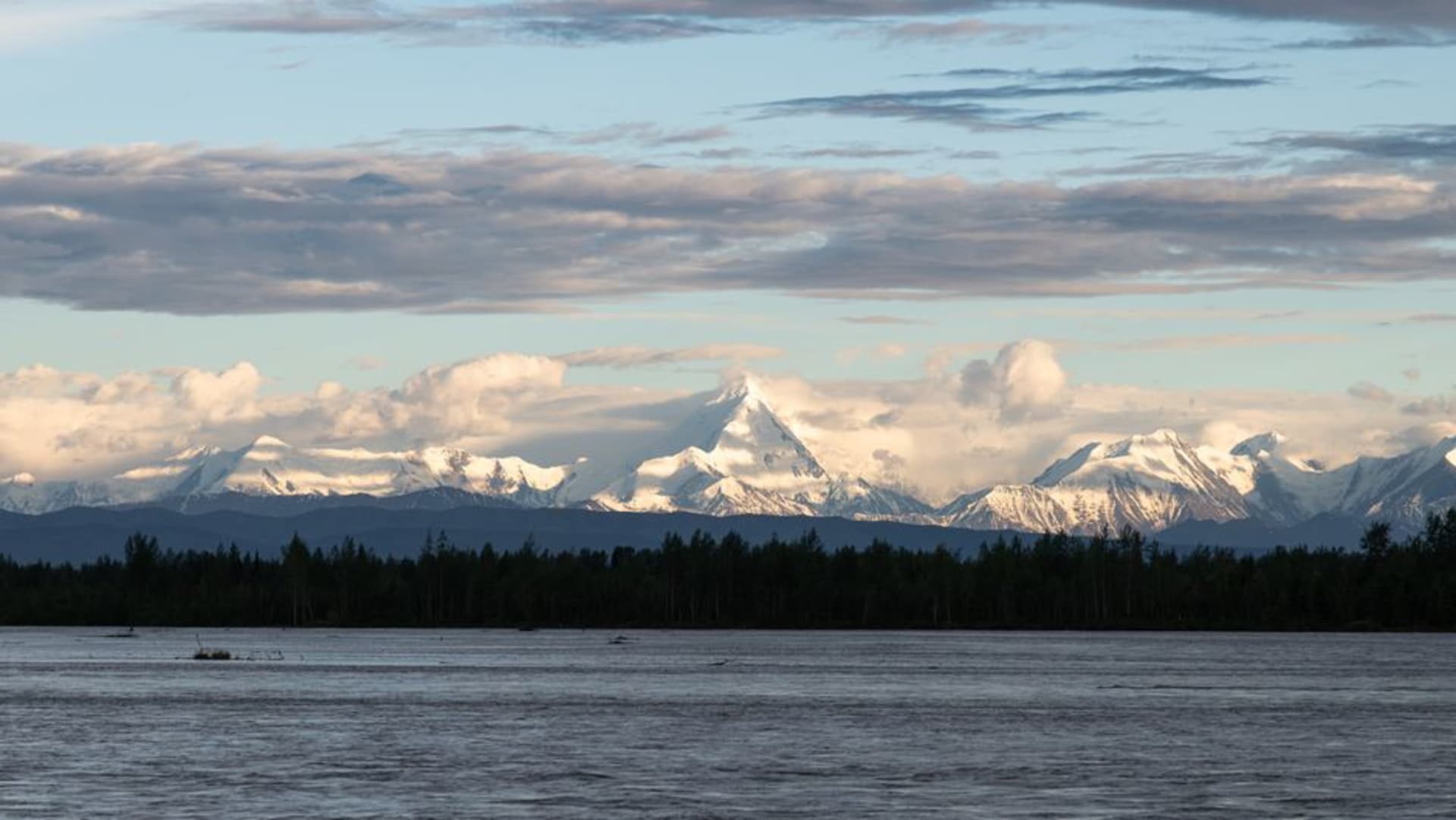
Wrangell
"Wrangell doesn't perform for visitors, which is exactly why it's worth the detour."
An unpolished timber-and-fishing town on Southeast Alaska's Wrangell Island, where kids still dig garnets from a public ledge and petroglyphs line a quiet beach.

Wrangell doesn’t get many visitors, and the ones who do come are usually passing through on their way to somewhere with a bigger name attached. That’s a mistake, because Wrangell — sitting at the mouth of the Stikine River on its own island — has one of the least self-conscious town centers I found anywhere in Southeast Alaska, a place still genuinely built around timber and fishing rather than tourism, where the harbor smells like diesel and fish and nobody has bothered dressing up Main Street for anyone’s benefit.

Petroglyph Beach sits a short walk north of downtown, an unassuming stretch of rocky shoreline where dozens of petroglyphs — spirals, faces, animal forms carved by ancestors of the Tlingit people, some estimated at over 2,000 years old — are scattered among the tide-washed stones with no fencing and barely a placard, so that finding them feels like discovery rather than exhibition. I spent an hour on my hands and knees at low tide tracing the carvings with my eyes, entirely alone except for a bald eagle working the tideline nearby.
The town’s other odd claim to fame is the Wrangell garnet ledge, a deposit of semi-precious garnets on the Stikine River delta that was deeded to the local children’s association decades ago, meaning the garnets there can legally only be sold by kids. I bought a small handful from a table outside the ferry dock, sold to me by a girl who couldn’t have been older than ten and who clearly knew more about garnet grading than I did.

A jet boat trip up the Stikine River, one of the fastest free-flowing rivers in North America, took me past hot springs, glaciers, and a density of moose and bear sign that made our guide slow the boat repeatedly, and it remains one of the least crowded wilderness experiences I’ve had anywhere in the state.
When to go: May through September for river trips and reliable ferry service. Low tide is essential for Petroglyph Beach — check tide tables before you go, since many of the carvings disappear underwater at high water.
Keep exploring
More from Alaska
 alaska
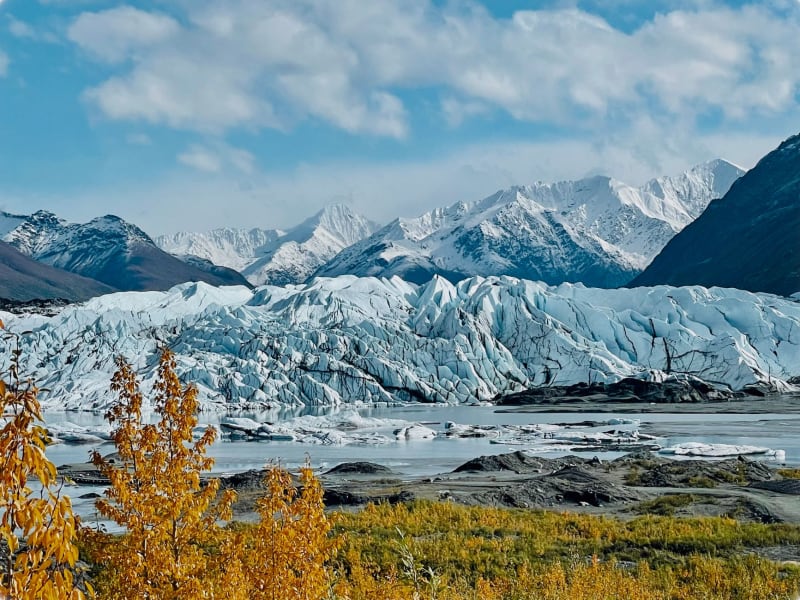
 Wrangell-St. Elias
The largest national park in the United States, where four mountain ranges collide and an abandoned copper mine rusts magnificently in the wilderness.
Explore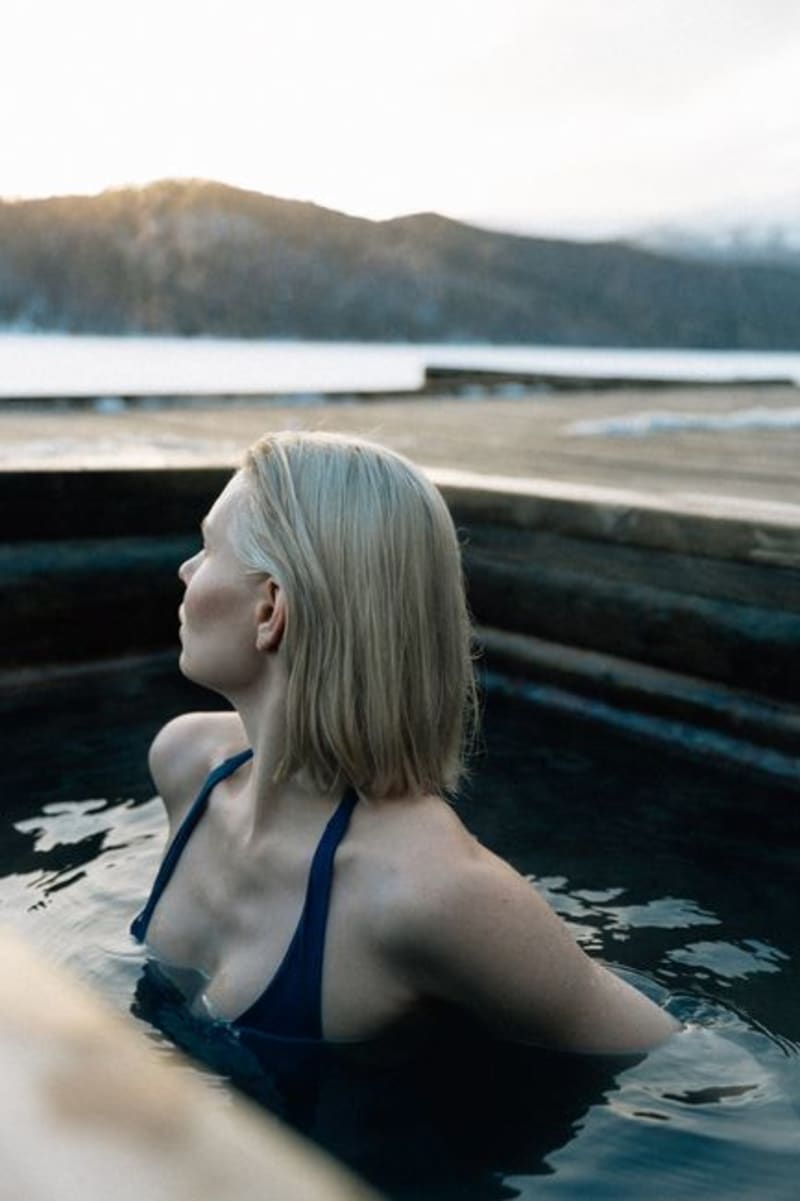 alaska
 Chena Hot Springs
A geothermal resort deep in the boreal forest outside Fairbanks, where you can soak in mineral water at minus thirty degrees while the aurora moves overhead.
Explore alaska
 Cordova
A fishing town reachable only by boat or plane, built entirely around the Copper River salmon run and a glacier-fed delta that shakes with millions of migrating shorebirds.
Explore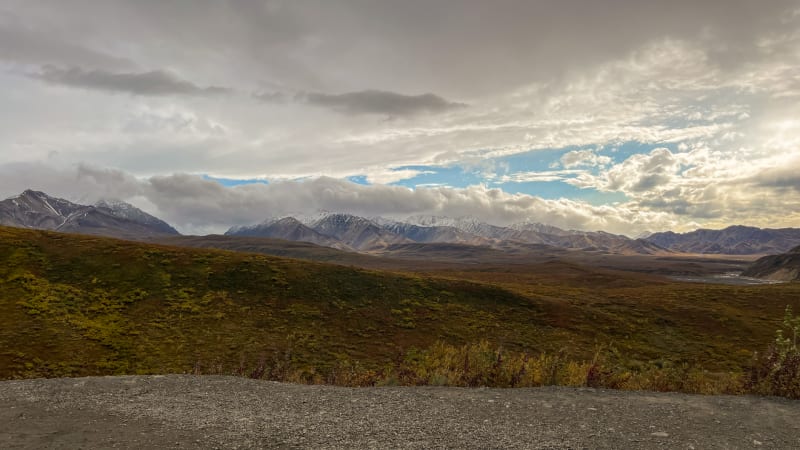 alaska
 Denali National Park
A six-million-acre wilderness built around one mountain so large your brain refuses to accept it as a single object.
Explore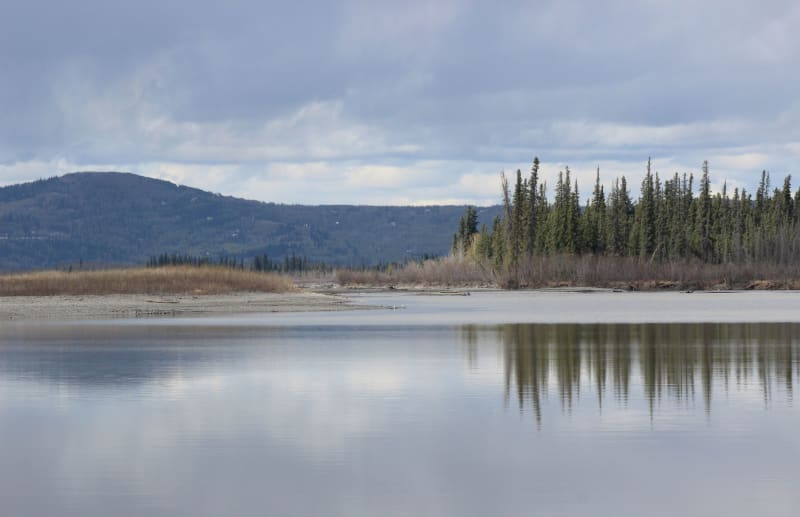 alaska
 Fairbanks
A utilitarian frontier city that earns its ugliness honestly and rewards the patient traveler with the best aurora views on the continent.
Explore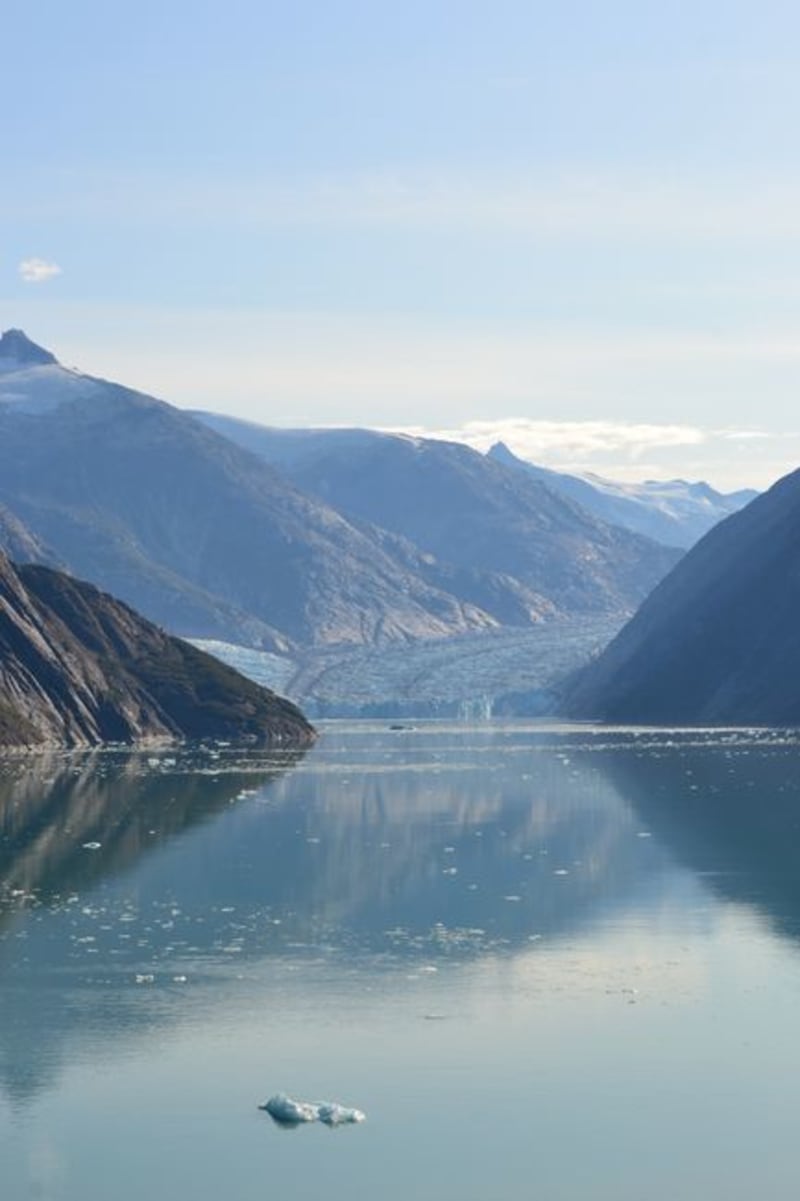 alaska
 Glacier Bay National Park
A national park that didn't exist two centuries ago, still opening up as tidewater glaciers retreat from a bay carved entirely within living memory.
Explore