Gweru
"Walking a lion at heel felt absurd for exactly the first two minutes, and then it just felt like being alive."
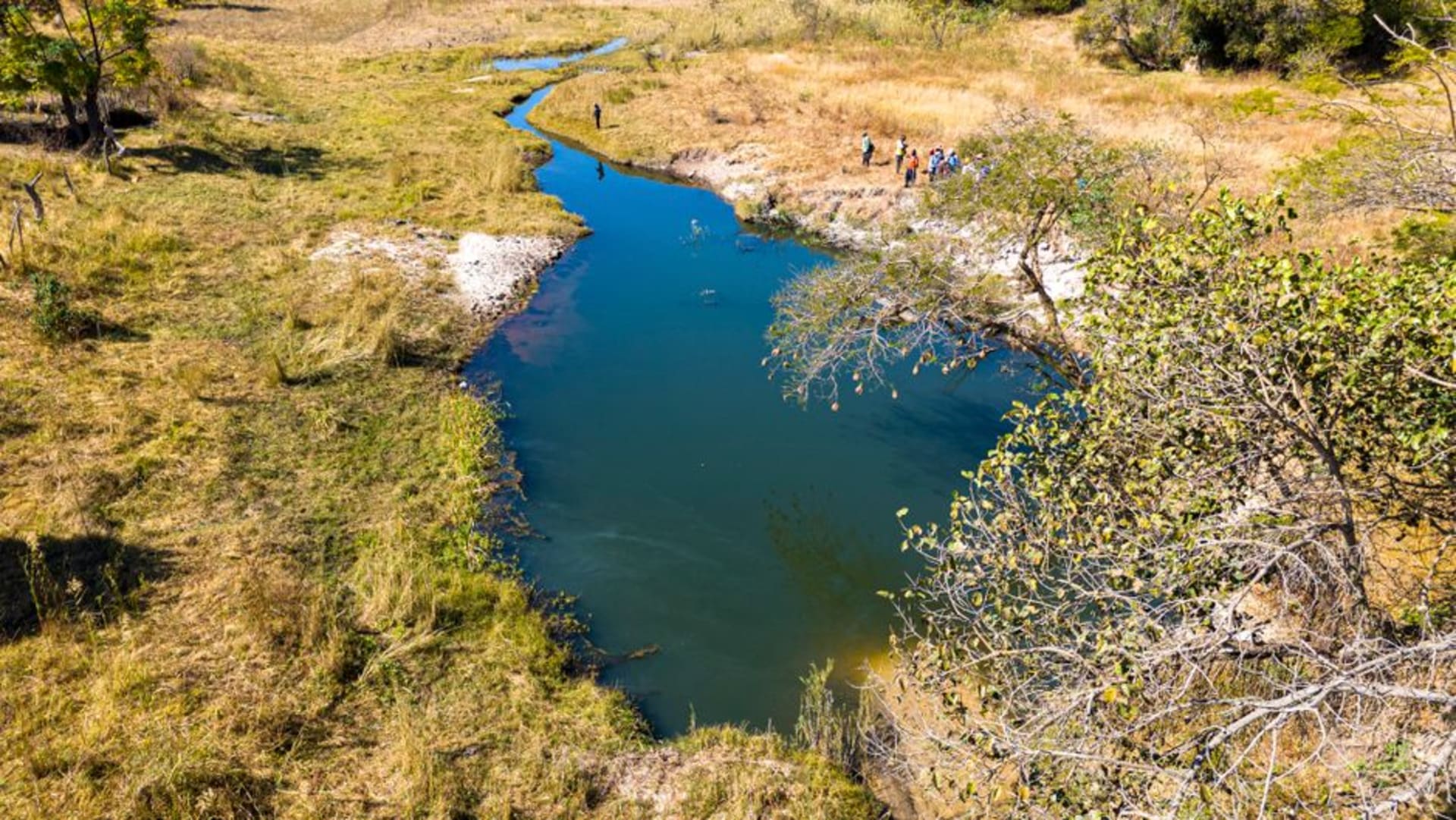
A central Midlands city best known as the base for Antelope Park, where rehabilitated lions are walked and studied along the Gweru River.

Gweru itself is not a destination anyone drives across the country for — it’s a workaday Midlands city, railway junction, some old mining and industry history, a scattering of colonial-era buildings downtown that have seen better decades. We drove through it mostly to reach Antelope Park, a private reserve a few kilometers outside town along the Gweru River, and that’s honestly the pattern for most visitors: Gweru as a waypoint, Antelope Park as the reason. I don’t think that’s unfair to the town, exactly, it just is what it is, a place people pass through on the road between Bulawayo and Harare.
Antelope Park runs a lion rehabilitation and research program that’s been through a fair amount of public debate over the years — walking with captive-bred lions is a controversial practice, and I went in skeptical, half expecting a glorified photo-op dressed up as conservation. What we found was more complicated than that. The program describes itself as working toward eventually releasing lion prides onto large, human-free islands where they’d have to hunt and raise cubs without human contact, a multi-generational process, and the walks themselves are framed as behavioral research and exercise for lions that can’t simply be released into the wild. We walked alongside two young lions at dusk, a guide close by the whole time, the lions more interested in stalking guinea fowl in the long grass than in us, and it was a genuinely strange, humbling thing to be that close to an animal that could kill you without much effort and just wasn’t interested.

I’ll say plainly that I still have mixed feelings about the ethics of lion encounter tourism generally, and I think anyone visiting should read up on the specific program before booking rather than taking any operator’s word for it. What I can say is that Antelope Park itself, beyond the lion program, is a genuinely pleasant reserve — river frontage, giraffe and zebra and antelope grazing the open grassland, horseback safaris in the early morning that felt lower-impact and just as memorable as the lion walk. We stayed two nights in a thatched chalet by the water and ate dinner outside listening to a hippo grunting somewhere downstream, which is a sound I never fully got used to the whole trip.

Back in Gweru proper we grabbed lunch and wandered the main street for maybe an hour, more out of curiosity than expectation, and found a decent museum with mining history exhibits that gave some context to why the city exists where it does. It’s not a place I’d plan a trip around, but as a base for the Antelope Park experience, or a lunch stop breaking up the Bulawayo–Harare drive, it does its job without pretense.
When to go: April to October, the dry season, when the grass is lower for lion walks and game viewing along the river is easiest.
Keep exploring
More from Zimbabwe
 zimbabwe
 Harare
Zimbabwe's high, green, jacaranda-shaded capital, a city of faded modernist towers, sprawling markets, and a stone-balancing rock formation on its eastern edge that ended up on the banknotes.
Explore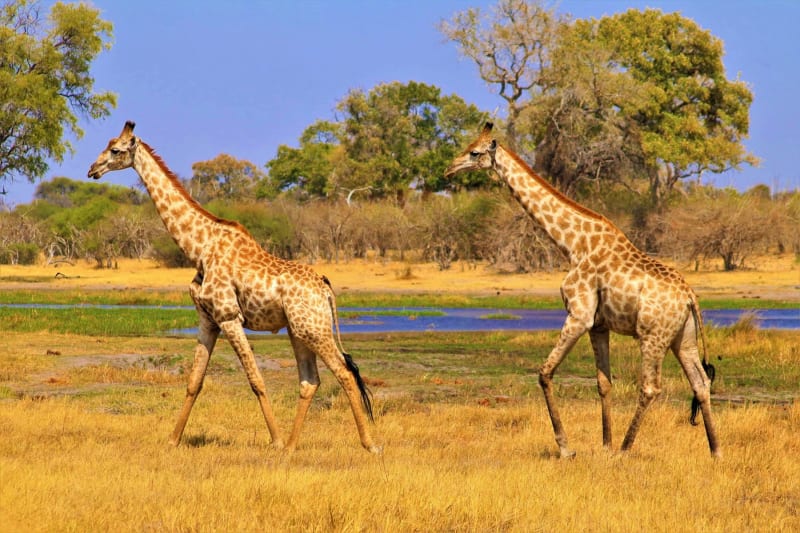 zimbabwe
 Hwange National Park
Zimbabwe's largest park, with one of Africa's largest elephant populations and dramatic dry-season waterholes.
Explore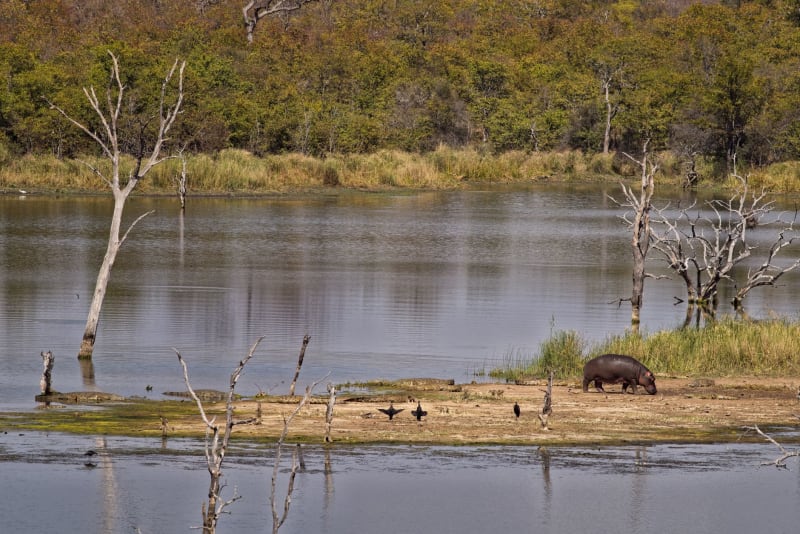 zimbabwe
 Lake Kariba
A vast man-made sea on the Zambezi where houseboat safaris drift past drowned forests and tiger fish tear through water the color of old glass.
Explore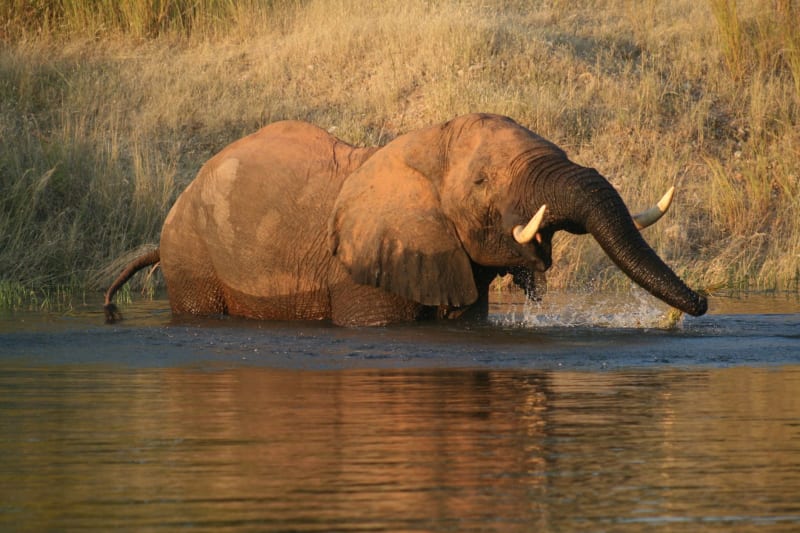 zimbabwe
 Mana Pools
A floodplain wilderness on the Zambezi where elephants wade chest-deep and canoe safaris put you eye-level with hippos in the current.
Explore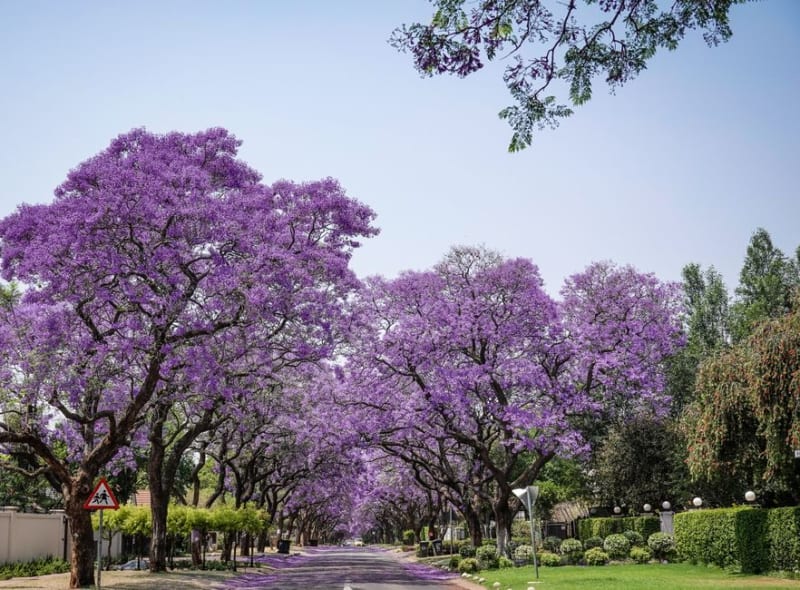 zimbabwe
 Masvingo
Zimbabwe's oldest colonial-era town, a low-key stopover of jacaranda streets and old facades that mostly serves as the gateway to Great Zimbabwe.
Explore zimbabwe
 Matobo Hills
A labyrinth of balancing granite boulders where San rock paintings, white rhinos, and Cecil Rhodes' grave share the same ancient silence.
Explore