Africa
Zimbabwe
"The most underestimated country in Africa, and I mean that as a compliment."
A country that holds Victoria Falls, Hwange's elephant herds, and the ruins of Great Zimbabwe — and still manages to feel like Africa's best-kept secret.
I arrived at Victoria Falls from the Zimbabwean side, which everyone told me was the wrong side. They were mistaken. The spray hits you from two hundred meters away — a cold wall of mist that soaks your clothes before you even see the water. Then the gorge opens up, the Zambezi drops 108 meters, and the sound is not a roar so much as a sustained concussion. The Zambian side gives you the wider view. The Zimbabwean side puts you inside it. I stood there dripping, grinning like an idiot, and thought: this is the most effective natural spectacle I have ever witnessed.
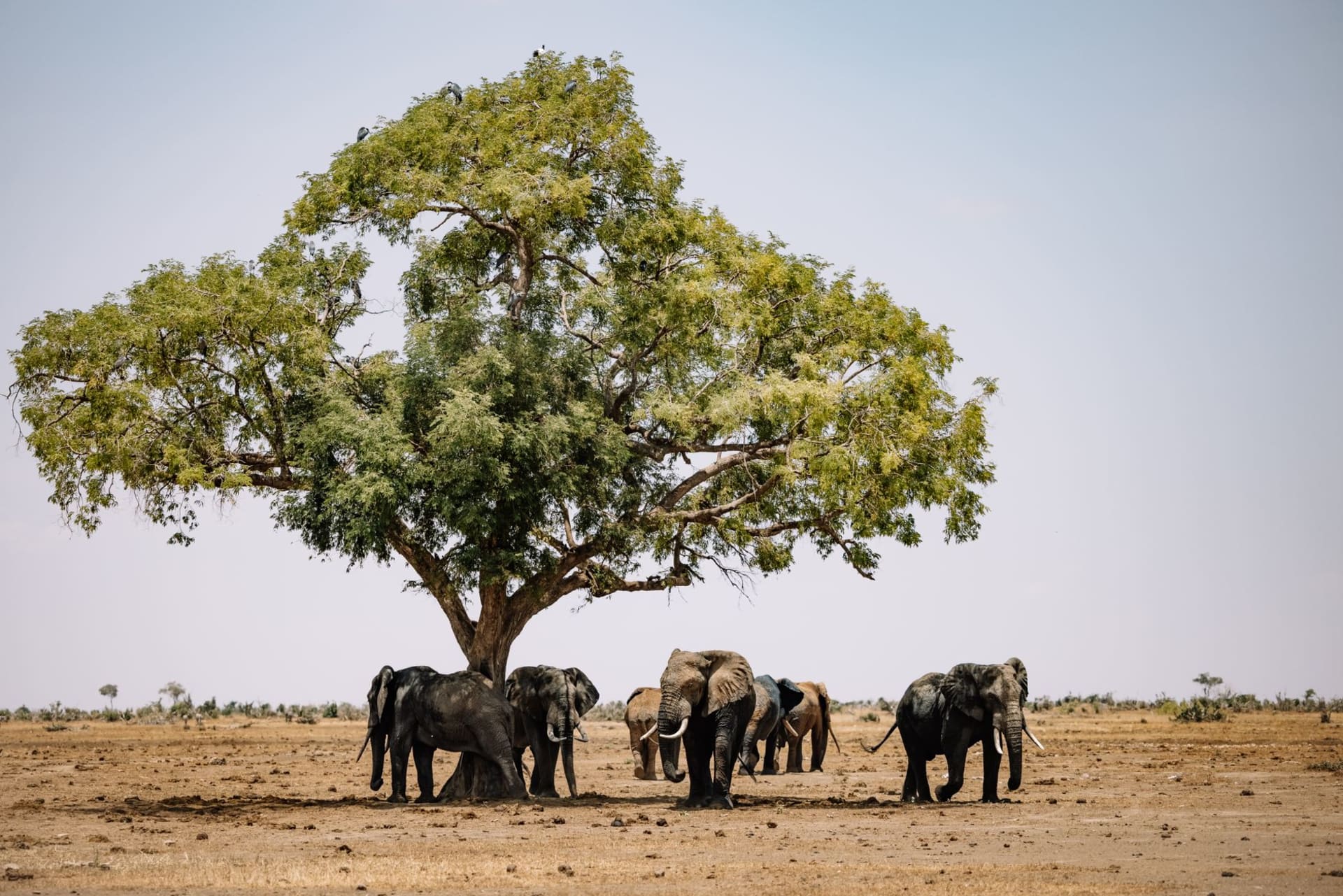
What Zimbabwe does that its neighbors do not is make you feel like the only person there. After years of economic crisis and a tourism collapse that started around 2000, the infrastructure quietly rebuilt itself while the crowds never came back. Hwange National Park has one of the highest concentrations of elephants on the continent — tens of thousands of them — but I spent an entire morning at a water hole in October without seeing another vehicle. The elephants came in waves: matriarchs first, then calves stumbling forward on unsteady legs, then bulls drifting in from the tree line. No guide counted them into Instagram frames. We just sat and watched.
The food rarely makes it into the brochures, and that is accurate — Zimbabwe’s restaurant scene is thin, and sadza, the dense maize porridge that is the national staple, takes some getting used to. But the people compensate for everything. I have traveled through a lot of countries where tourism has worn local patience to a thin veneer, where warmth is performed rather than offered. In Zimbabwe I kept being caught off guard by conversations that had nothing to sell. A teacher in Bulawayo who explained the colonial history of the city’s street grid over a beer he insisted on buying. A ranger in Matobo Hills who knew every rock formation by name and described their spiritual significance without the faintest trace of a sales pitch. Genuine curiosity goes in both directions here.
When to go: August to October for wildlife — the dry season concentrates animals around water sources in Hwange, and elephants gather in numbers that stop being believable. October is brutal heat, but the sightings are extraordinary. November through April is the green season: the landscape transforms, migratory birds arrive, and Victoria Falls is at its most powerful, though the spray can obscure the view. Avoid May and June if you want warmth — southern African winters bite harder than most people expect.
What most guides get wrong: They treat Zimbabwe as a detour on a Zambia itinerary or a discount alternative to Botswana. It is neither. The country has a distinct identity: Great Zimbabwe’s stone ruins, which prove a sophisticated pre-colonial civilization that colonial-era historians spent decades trying to attribute to anyone but Africans; the spiritual landscape of Matobo Hills, with its San rock paintings and Cecil Rhodes’ grave set incongruously among sacred boulders; the warmth of a population that has been through extraordinary hardship and remains, stubbornly, some of the most welcoming people on the continent. Zimbabwe is not a consolation prize. It is the destination.
Explore
Places in Zimbabwe
 zimbabwe
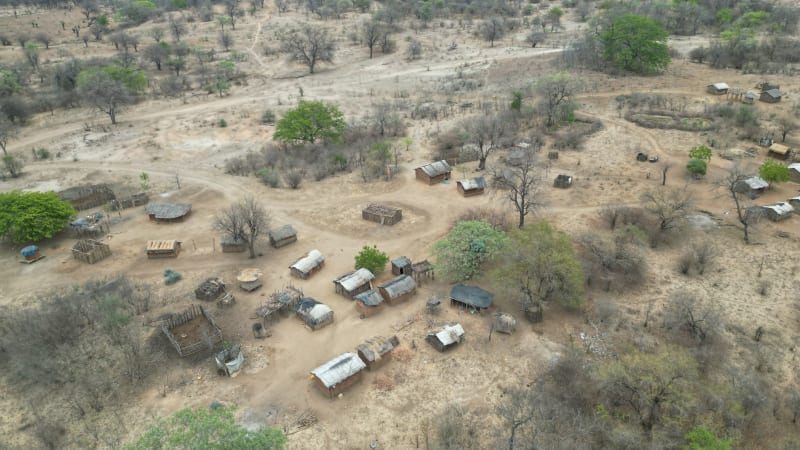
 Bulawayo
Zimbabwe's second city moves at a pace that feels earned rather than tired — wide colonial avenues, a world-class railway museum, and a food culture that rewards the patient.
Explore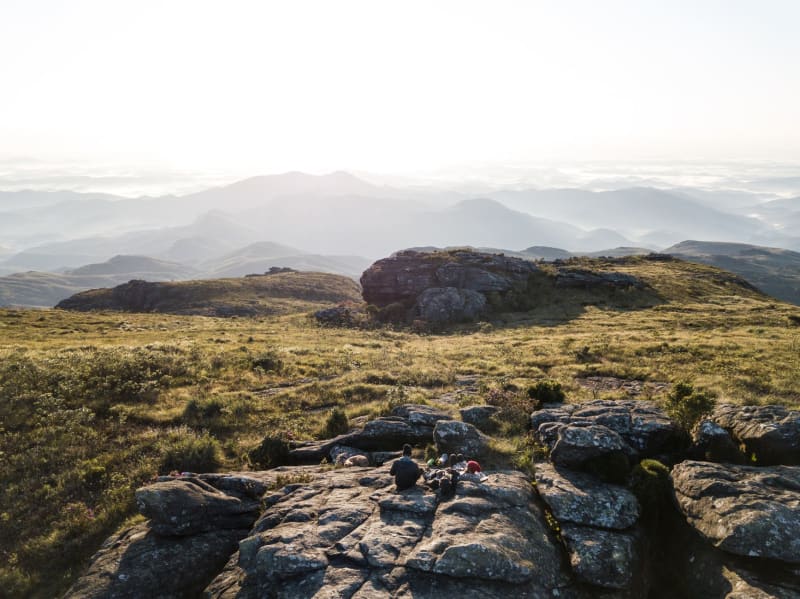 zimbabwe
 Chimanimani
A quartzite mountain range on the Mozambique border accessible only on foot, where waterfalls run cold through heath and protea, and the silence is the kind that takes days to hear properly.
Explore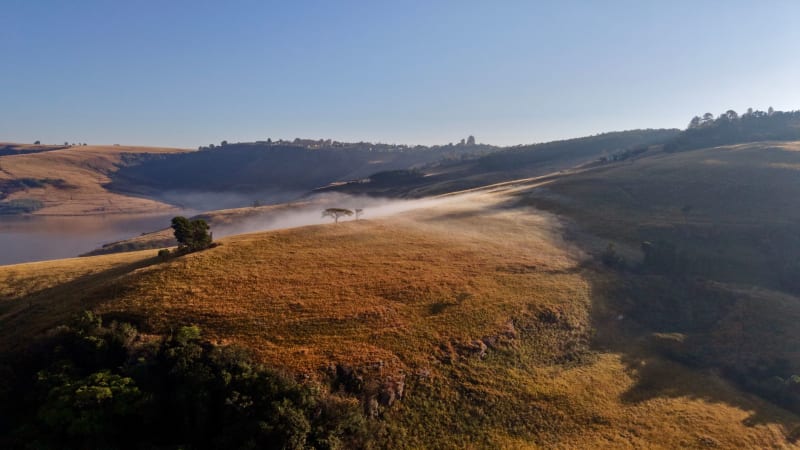 zimbabwe
 Eastern Highlands
A cool, mist-draped mountain border world where trout streams, tea estates, and pine forests feel nothing like the Zimbabwe most people picture.
Explore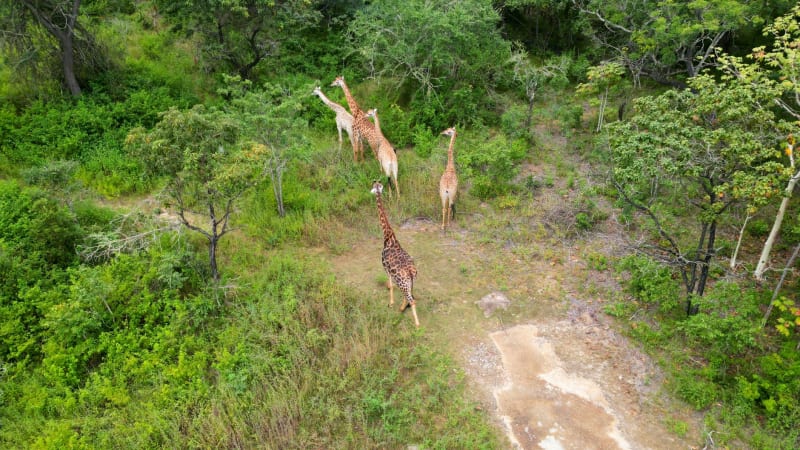 zimbabwe
 Gonarezhou
Zimbabwe's wildest and most remote national park, where enormous tusker elephants roam red sandstone cliffs and the Runde River runs through country that feels genuinely untamed.
Explore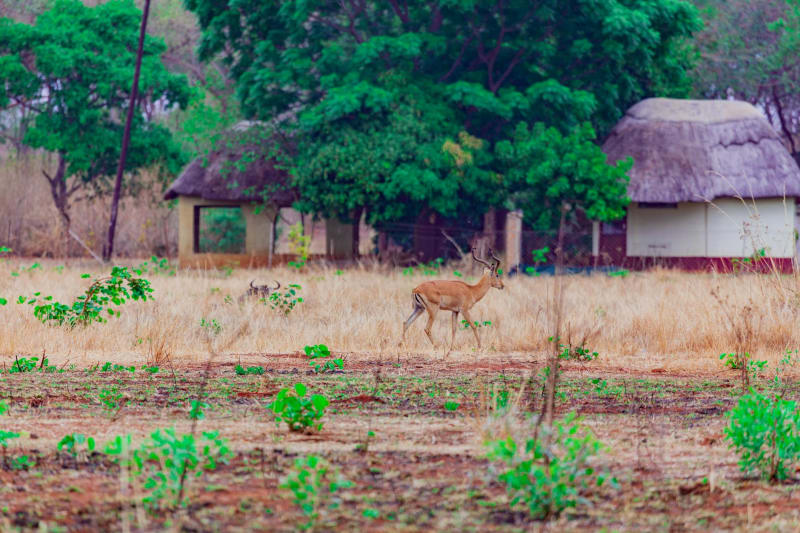 zimbabwe
 Great Zimbabwe
The medieval stone city that gave a nation its name — 11th-century dry-stone walls built without a single brick.
Explore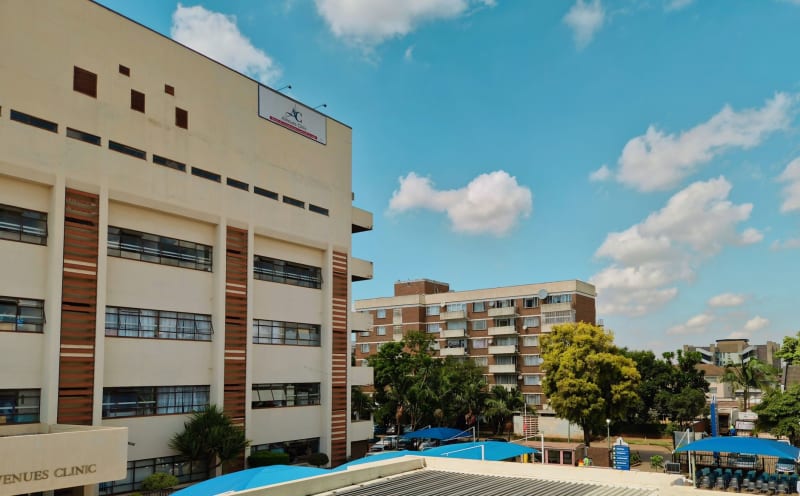 zimbabwe
 Harare
Zimbabwe's high, green, jacaranda-shaded capital, a city of faded modernist towers, sprawling markets, and a stone-balancing rock formation on its eastern edge that ended up on the banknotes.
Explore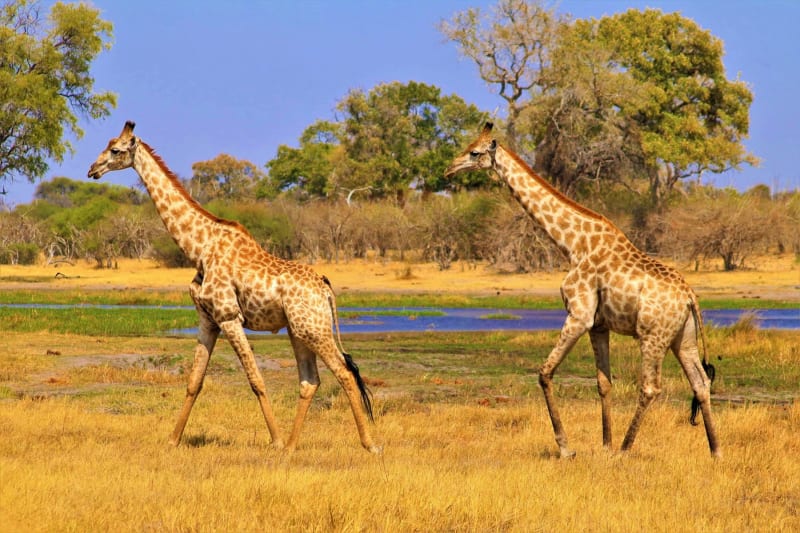 zimbabwe
 Hwange National Park
Zimbabwe's largest park, with one of Africa's largest elephant populations and dramatic dry-season waterholes.
Explore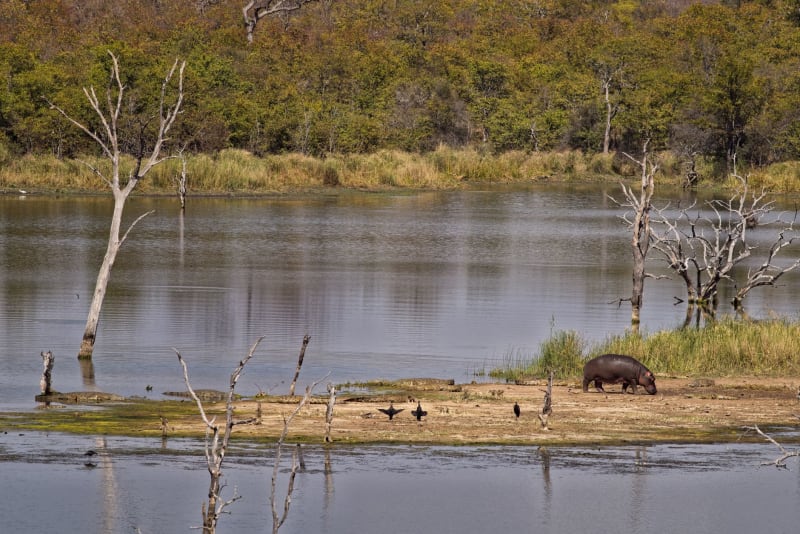 zimbabwe
 Lake Kariba
A vast man-made sea on the Zambezi where houseboat safaris drift past drowned forests and tiger fish tear through water the color of old glass.
Explore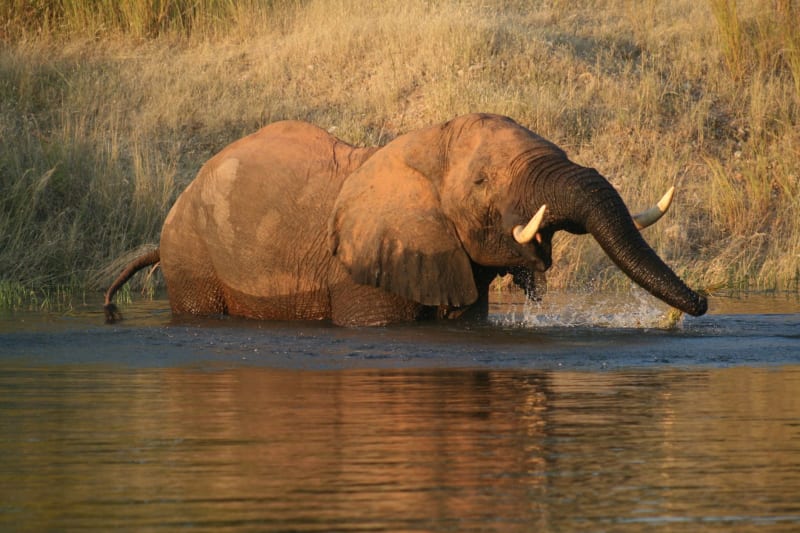 zimbabwe
 Mana Pools
A floodplain wilderness on the Zambezi where elephants wade chest-deep and canoe safaris put you eye-level with hippos in the current.
Explore zimbabwe
 Matobo Hills
A labyrinth of balancing granite boulders where San rock paintings, white rhinos, and Cecil Rhodes' grave share the same ancient silence.
Explore zimbabwe
 Victoria Falls Zimbabwe Side
Stand in the spray of the world's largest waterfall curtain — the Zambezi's thunder felt in the chest before heard.
Explore