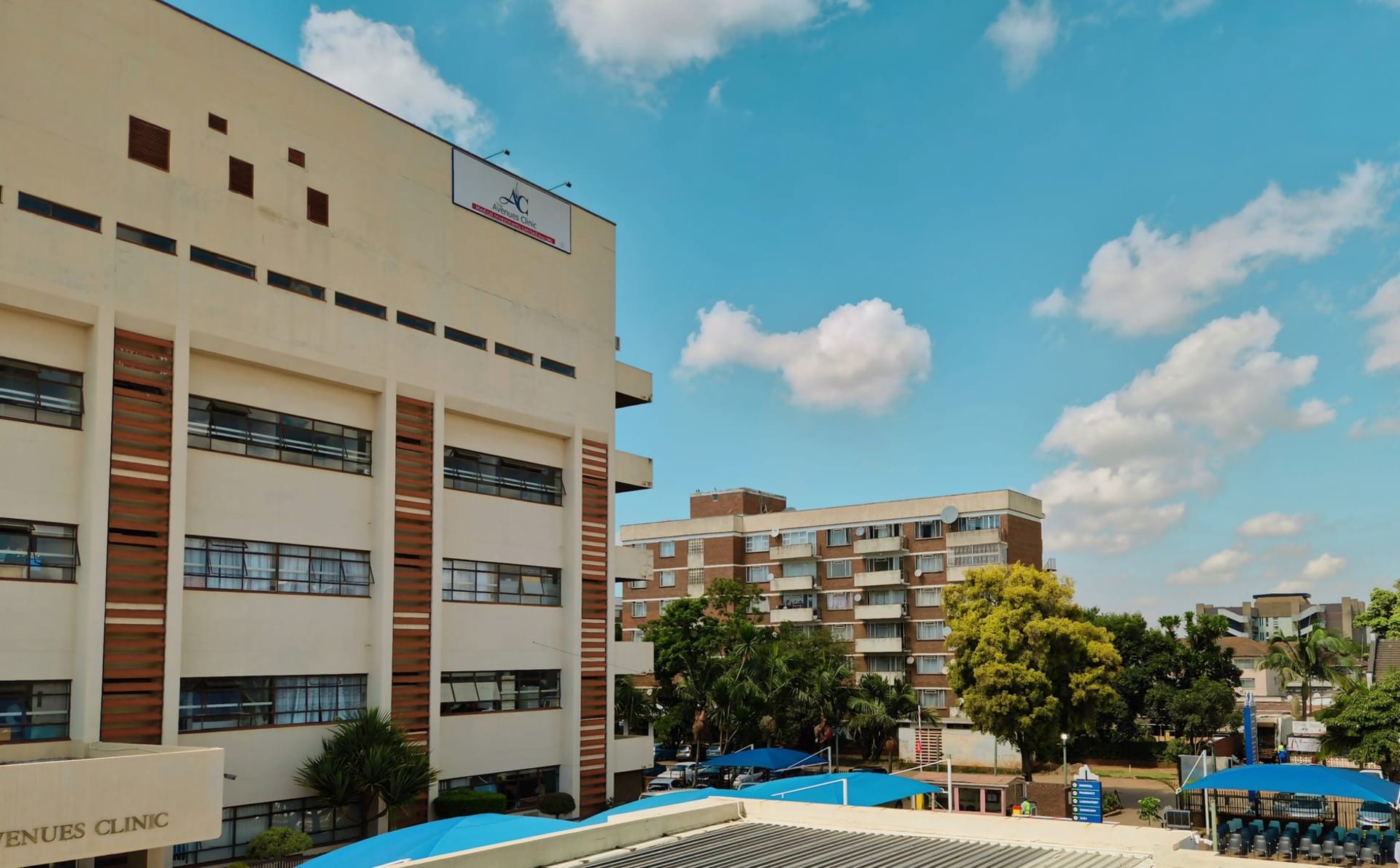
Harare
"Everyone treats Harare as the place you fly into before the real trip — I'd argue the real trip is partly here, if you give it a day."
The City Most People Skip
Harare is where almost every Zimbabwe itinerary begins and where almost nobody lingers. You land, you sleep, you head for Hwange or Victoria Falls or Mana Pools. I understand the logic and I think it’s a small mistake. Harare is a genuine African capital with a texture all its own, and the city rewards a day given freely rather than grudgingly.
It sits high — over 1,400 metres on the Zimbabwean highveld — which means a climate that surprised me. Even close to the equator the air is dry and mild, the nights cool, and in October the city turns purple as the jacaranda trees that line the older avenues all bloom at once. We arrived in that brief window and walked streets carpeted in fallen blossom, the petals sticking to your shoes, the whole place smelling faintly sweet and looking, frankly, theatrical.
The centre is a layered thing: confident modernist towers from the optimistic decades after independence, now weathered and patched; colonial-era buildings repurposed and renamed; and everywhere the informal economy that keeps the city actually running. The Zimbabwe economy has been through hyperinflation, currency collapses, and reinventions that would have broken most places, and the resilience of ordinary Harare — people trading, fixing, improvising — is the most impressive thing about it.

Markets, Galleries, and a Lesson in Reading a Room
Mbare is Harare’s oldest and largest township and the site of Mbare Musika, a vast, intense market that is the commercial heart of the city — produce, secondhand clothes, hardware, traditional medicine, music blasting from competing speakers. It is not a tourist market and it doesn’t pretend to be, which is exactly why it’s worth seeing, and exactly why you go with someone who knows it. We went with a Zimbabwean friend of a friend, which transformed it from intimidating to fascinating; I would not have wandered in alone with a camera, and the friend made that clear before I could be foolish about it.
For something gentler, the National Gallery of Zimbabwe holds a serious collection of Shona stone sculpture, the country’s great contribution to twentieth-century art — heavy, polished, figurative work carved from local serpentine and springstone. I’m not usually a gallery-stayer, but Lia had to physically steer me out of the sculpture rooms. The forms are extraordinary, and seeing them in Harare, where the tradition lives, beats seeing them scattered across museums in Europe.
The Balancing Rocks at Epworth
On the city’s southeastern edge, near the suburb of Epworth, sit the Balancing Rocks — granite boulders weathered over millions of years into improbable stacks, great rounded blocks resting on smaller ones in arrangements that look one stiff breeze from collapse and have stood for ages. One formation became so iconic it was printed on Zimbabwean banknotes, which gave looking at it a strange double quality: a natural wonder and a piece of currency at the same time.
We went late in the afternoon, when the low sun turned the granite gold and the long shadows made the balancing look even more precarious. There’s no great infrastructure, just the rocks and the bush and the city humming somewhere behind. I sat on a flat boulder while Lia photographed the famous stack, and thought about how a city most travellers skip had quietly given us a full, varied, memorable day. That’s usually the way of it.
When to go: September to October for the jacarandas and warm, dry highveld days. April and May, just after the rains, for green surroundings and comfortable temperatures. Avoid the wet months around December to February if you want reliable conditions for the markets and the rocks.