The Place of Elephants
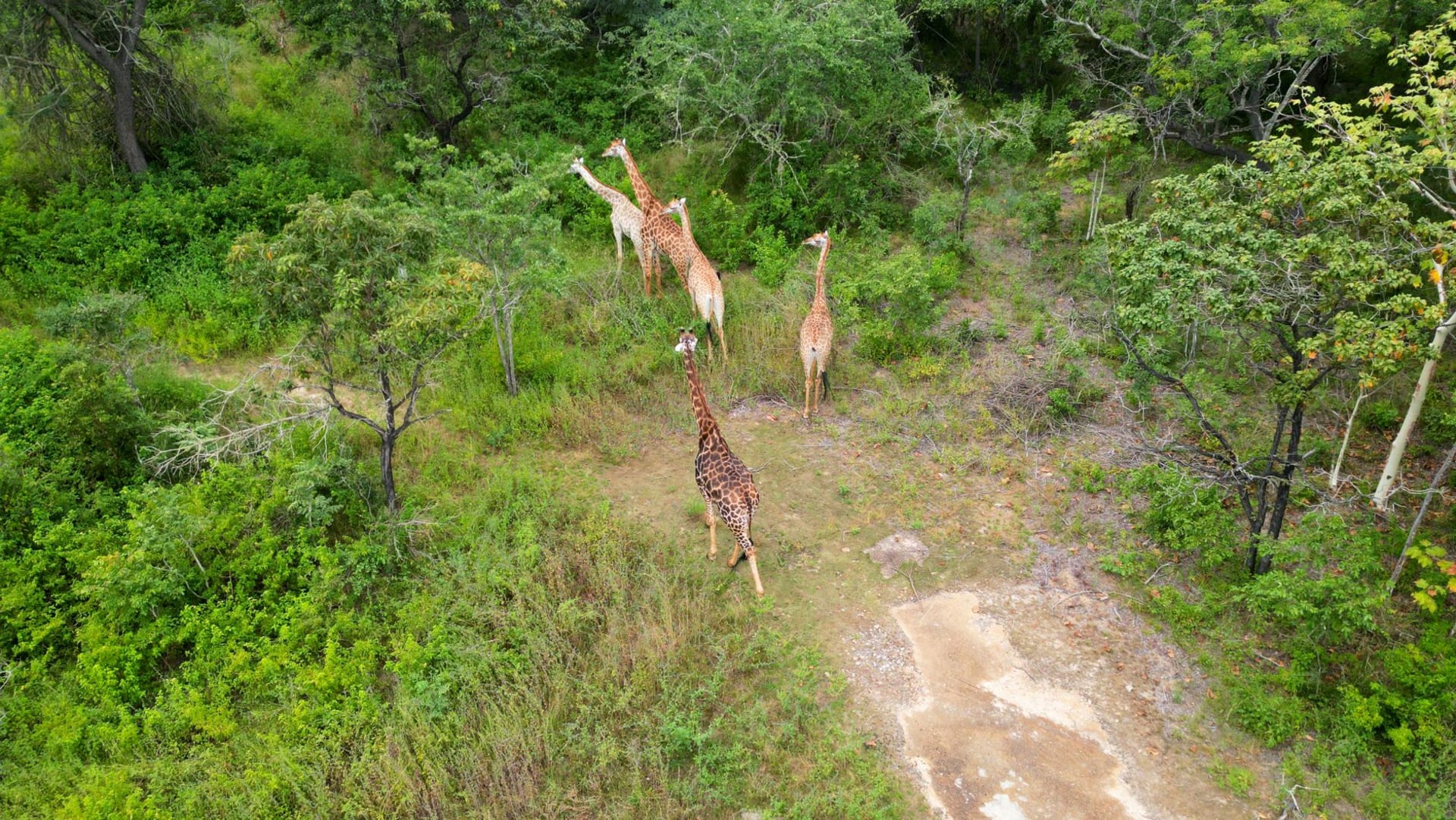
The name means “place of elephants” in Ndau, and it is apt in both the historical and present-tense sense. Gonarezhou sits in Zimbabwe’s far southeast, wedged into the corner where Zimbabwe, Mozambique, and South Africa meet, forming part of the Great Limpopo Transfrontier Park — a cross-border wilderness roughly the size of Portugal. The elephants here are the largest-bodied in Zimbabwe, some of the largest in the world, and they carry the wariness of a population that was heavily poached through the 1970s and 80s and hasn’t entirely forgotten it.
Getting there is a statement of intent. From Harare it’s the better part of eight hours on roads that deteriorate in interesting ways as you approach the park boundary. I traveled with a guide who knew the track to the Chipinda Pools camp and still paused twice to check the route. A good 4WD is not a suggestion.
The Chilojo Cliffs
The park’s most arresting feature is a geological accident: the Chilojo Cliffs, red sandstone ramparts that rise above a bend in the Runde River for several kilometers. The iron oxide gives them a color that shifts through the day — pale terracotta in morning, deep red in afternoon, almost black in the last light. The river below runs clear and green, lined with fever trees and jackalberry, and the combination is the kind of thing that makes you want to describe it and then realize that description is insufficient.
I watched the cliffs at sunrise from a viewpoint on the opposite bank, drinking coffee from a thermos while a herd of about forty buffalo crossed the river below, the sound of their hooves on the riverbed audible even from that distance. Nothing about the scene felt managed.
Walking Wilderness
Gonarezhou is primarily self-drive, with a handful of guided walking options run by the handful of camps operating inside the park. Walking here is different from parks further north — the bush is thick, mopane woodland alternating with open savanna grassland, and visibility is often low. This changes the wildlife experience fundamentally. You are inside the habitat rather than observing it from a raised angle. In thick mopane at close range, the protocol is proximity awareness rather than distance management, and the guide I walked with communicated primarily in hand signals and controlled breathing.
We found lion tracks two days running without finding the lion. The tracks were fresh enough that this felt like a near-miss rather than a disappointment.
The Quiet of the Place
Gonarezhou has no lodges in the conventional luxury sense. The National Parks camps are basic, the private camps small and genuinely remote. This is not accidental — the park’s management has consistently prioritized low visitor numbers and low footprint over revenue. The result is something increasingly rare: a large African wilderness where you can spend three days without seeing another tourist vehicle.
The night sounds are consequential. Hyena calls carry for kilometers in the dry season silence, and once, at around two in the morning, something — I still don’t know what — ran through the camp with enough weight to shake the ground. I lay listening until it passed and then for a while longer.
When to go: May through October is the accessible season; the park closes during the rains when the black cotton soil roads become completely impassable. August and September offer the best wildlife concentration around the Runde and Mwenezi rivers as water sources dry up. October is extreme heat but worthwhile for serious safari enthusiasts.