Takhini Hot Springs
"I went in at minus twenty-two. My hair froze within thirty seconds. The water was 38 degrees and perfect."
Sulfurous geothermal pools in the boreal forest north of Whitehorse, where you can soak outdoors in -30°C while your hair freezes solid and the aurora moves overhead.

The Hot Springs Road turns off the Klondike Highway about nineteen kilometers north of Whitehorse and runs through spruce forest to a facility that has been operating in some form since 1945. Takhini Hot Springs is not a luxury resort. It is a series of outdoor pools fed by natural geothermal water, surrounded by wooden decking, with a changing room that smells of sulfur and wet boots. It is exactly what you want it to be.
The water comes out of the ground at about 47°C and the pools are maintained in the high thirties to low forties. In summer this is pleasant. In winter it is one of the more striking physical experiences available in the north: the air at ambient temperature, the water at body temperature, and the steam that rises between them creating a small microclimate above the pool surface. In deep winter the steam freezes on any surface it contacts. Your hair, if you let it get wet, will freeze within minutes of getting out. The Hot Springs holds an annual competition for the most elaborate frozen hair sculpture. It is a real thing and the entries are remarkable.
The Springs in Winter
I visited in February, which I understand sounds like a decision made by someone who hasn’t thought it through. I had thought it through. The road was maintained and the drive from Whitehorse took thirty minutes in a rental with good tires. The parking lot had a dozen vehicles. Inside the changing room, which was warm and smelled strongly of sulfur, a family from Japan was wrestling children into swimsuits with the determined efficiency of people who had planned this in advance.
The moment of getting from the changing room to the pool is the interesting part. You go through a door and the cold hits you, and then you descend the steps into the water and the cold becomes irrelevant. I soaked for an hour. Other guests came and went. The steam was thick enough in the cold that the far end of the pool was barely visible. Someone’s child ran between the hot pool and the cold plunge pool with the invincibility of a ten-year-old in water.
Aurora Watching from the Water
The Hot Springs is positioned well for northern lights viewing because the light pollution from Whitehorse is blocked by the forest and the sky above the pools is mostly unobstructed. On clear nights in the right season, aurora can appear while you’re soaking, which creates the specific sensation of lying back in warm water watching the sky perform. Lia and I did this one evening in February when the forecast showed good activity. The lights came around ten: first a pale green band, then a stronger pulse that moved quickly south and brightened to something that deserved the word spectacular. We stayed in the pool until we were waterlogged, then drove back to Whitehorse through -28°C darkness with the heater running full and the memory of the sky above the steam.
The Campground and Horse Barn
The property includes a campground, which in summer offers one of the better camping setups near Whitehorse — pool access, a quiet forest setting, and just enough infrastructure. There are also horses. The facility runs trail rides in summer through the surrounding boreal, which felt like a specific combination of activities (hot springs + horseback + aurora) that belonged to a small number of places on earth.
The café is basic — soup, sandwiches, hot chocolate — but the hot chocolate after a winter soak hits with particular force. There’s something about the cold just outside and the warmth just behind you that makes simple food taste very good.
The Sulfur Smell
It follows you home. Your bathing suit, your towel, your hair — all of them carry the smell for a day or two. It’s not unpleasant exactly, more like a very specific mineral signature. On the drive back to Whitehorse I opened the window slightly and the cold air came in and the sulfur smell mixed with spruce forest and diesel from the highway and the overall effect was deeply, specifically Yukon.
When to go: Year-round, but winter (November to March) is the iconic experience for frozen hair, aurora viewing, and the contrast between air and water temperatures. Summer offers long evening soaks. Book online in peak summer and winter aurora season, as the pools have capacity limits.
Keep exploring
More from Yukon
 yukon
Teslin
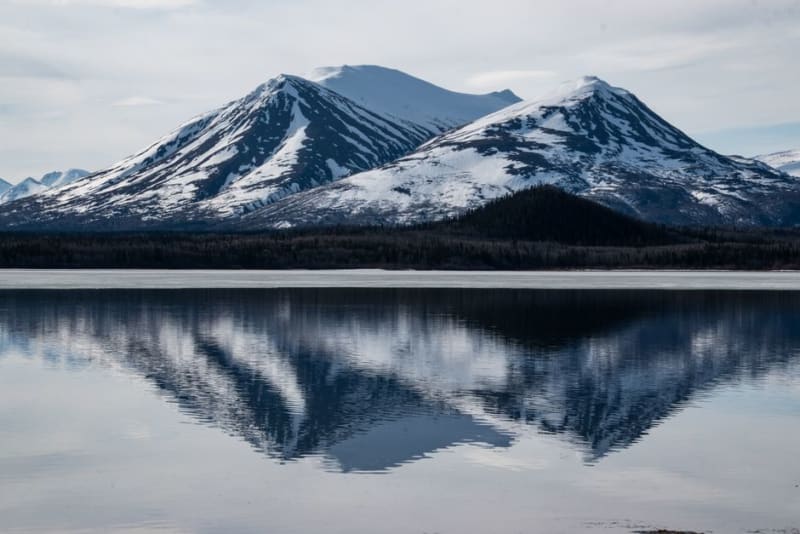
A village on the shore of Teslin Lake, home to a major Tlingit heritage center and some of the best lake views along the whole highway.
Explore yukon
Tombstone Territorial Park
Jagged black peaks rising from tundra the color of fire — a landscape so visually specific it has become the unofficial symbol of the Yukon's wild interior.
Explore yukon
Watson Lake
The first town you reach entering the Yukon from the south, famous for a forest of 100,000 signs and the specific weariness of people who've been driving the Alaska Highway for two days.
Explore yukon
Whitehorse
A frontier capital where the Yukon River still runs wide and cold past coffee shops full of people who look like they just came in from the bush.
Explore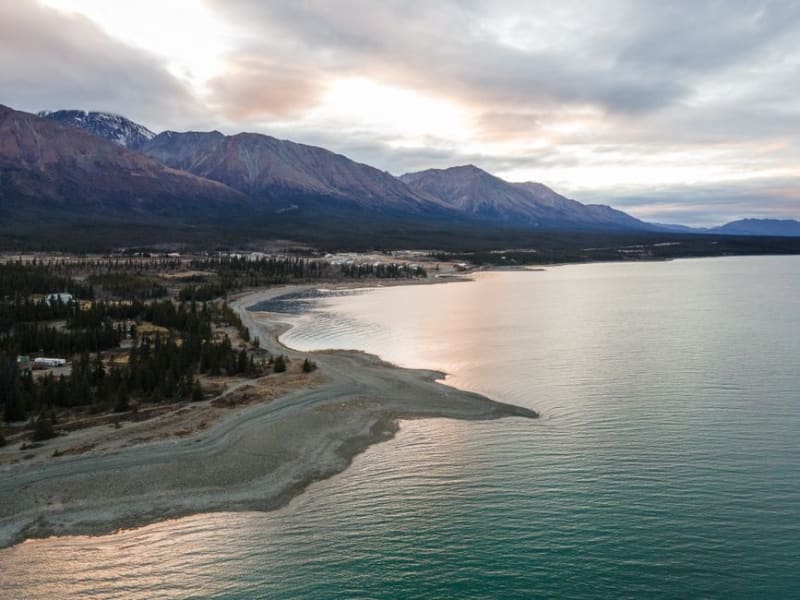 yukon
Beaver Creek
Canada's westernmost community, a small highway outpost near the Alaska border where the Yukon effectively runs out.
Explore yukon
Carcross
A tiny crossroads town between two lakes that somehow contains both the world's smallest desert and one of North America's most celebrated mountain bike trail networks.
Explore