
Whitehorse
"The capital of the Yukon feels less like a city and more like a very organized wilderness camp."
A frontier capital where the Yukon River still runs wide and cold past coffee shops full of people who look like they just came in from the bush.

There is a particular kind of person you meet in Whitehorse. They wear Carhartt not as a fashion statement but because they actually need it. They know how to change a tire in -30°C and they will absolutely tell you the best spot to see the northern lights without being asked. I found this less annoying and more genuinely useful than I expected.
Whitehorse is small — around 25,000 people, which is roughly 75% of the entire Yukon’s population — and it has the slightly surreal quality of a frontier boomtown that decided to grow up. There are actual restaurants here. A craft brewery. A yoga studio. And then, at the end of the main street, the Yukon River just opens up wide and cold and completely indifferent to all of it.
Along the River
The Miles Canyon road takes you out of town quickly. I walked it in the early morning when the air still had that particular northern bite that makes your nose work harder than normal and your coffee taste twice as good. The canyon walls are basalt, and the river below moves with purpose, darker than you expect, carrying the color of old granite. Jack London came through here during the Klondike rush and nearly lost his boat in the rapids. They’ve since dammed it into a calmer lake, but standing on the suspension bridge you can still feel why people wrote dramatic things about this place.
Downtown and the SS Klondike
The old sternwheeler SS Klondike is beached on the riverbank like a museum piece that forgot it was a museum piece. I spent more time on it than I planned. The crew quarters, the cargo holds, the galley with its industrial stove — there’s a specific melancholy to retired working boats, everything built for a purpose that no longer exists. The Yukon River boats stopped running when the Alaska Highway made them redundant. The highway killed the river traffic and the river traffic was the whole point of Whitehorse.
The downtown core is walkable in about twenty minutes. Second Avenue has the shops and the cafés. Old Crow Coffee is where I wrote most of my notes. The people coming in wore mud on their boots and ordered complicated drinks without any apparent irony.
Northern Lights and Dark Skies
If you time it right — August through April, away from city lights — the aurora can be visible from just outside town. Lia and I drove to a pullout on the Alaska Highway one night when the forecast looked promising. We waited in the car with the engine running for warmth, drinking tea from a thermos. The lights came around midnight: green first, then a brief ripple of violet, then nothing. We drove back cold and satisfied. The Yukon does not perform on demand. That’s part of the deal.
Getting Your Bearings
Whitehorse is the place you need to get sorted before going anywhere else in the territory. Rent the truck here, buy the extra-thick sleeping bag, stock up on food if you’re heading north. The Yukon Suspension Bridge visitor center has decent maps. The wilderness just past the city limits is real wilderness — not the managed kind — and people treat it accordingly.
When to go: June and July offer near-24-hour daylight and the most accessible roads. For northern lights, September to March gives you dark skies with fewer extreme temperatures than deep winter. Avoid late April and early May when mud season makes many gravel roads impassable.
Keep exploring
More from Yukon
 yukon
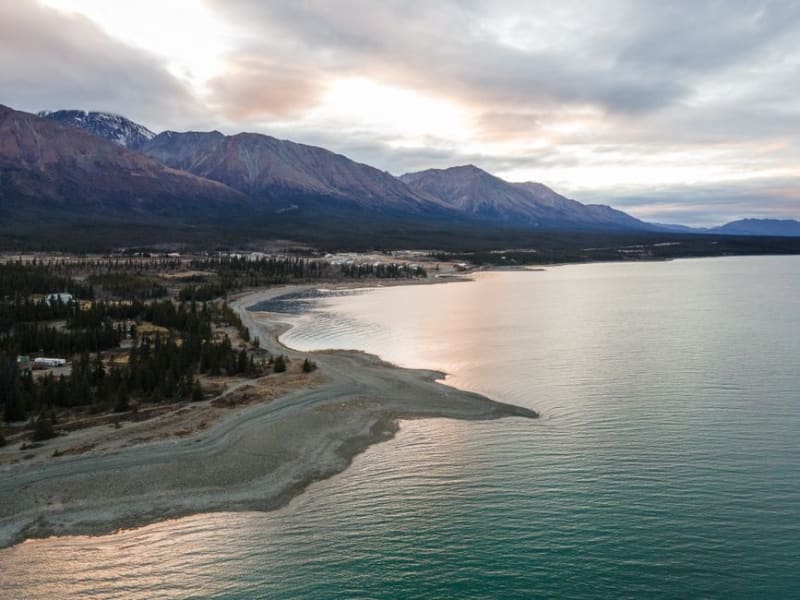
Beaver Creek
Canada's westernmost community, a small highway outpost near the Alaska border where the Yukon effectively runs out.
Explore yukon
Carcross
A tiny crossroads town between two lakes that somehow contains both the world's smallest desert and one of North America's most celebrated mountain bike trail networks.
Explore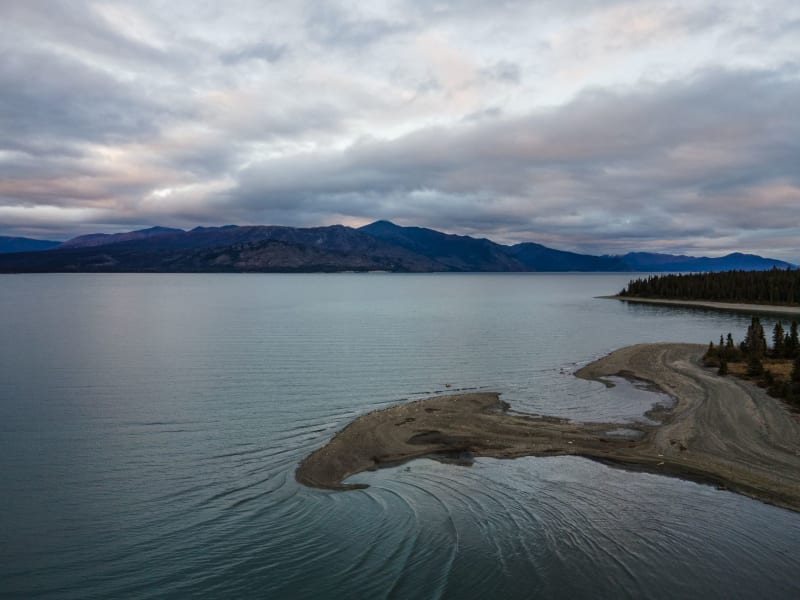 yukon
Dawson City
A gold rush town that never quite returned to normal, still running on whiskey and ambition at the end of a long dirt road.
Explore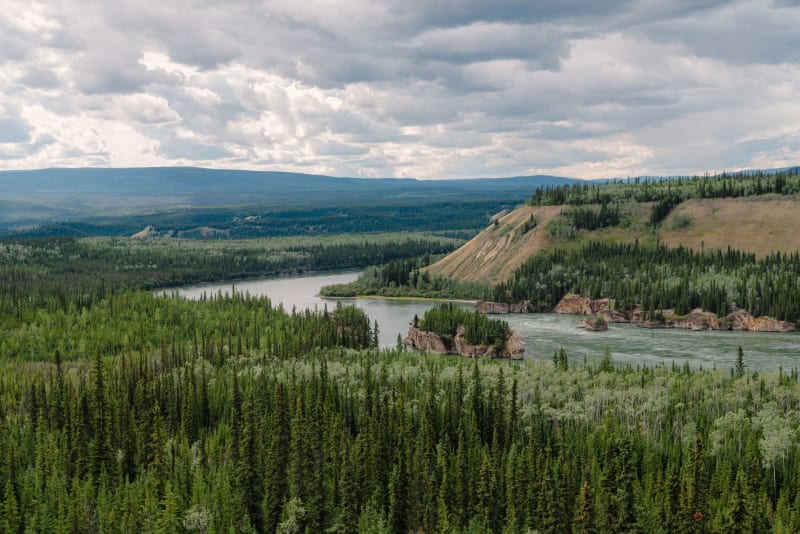 yukon
Dempster Highway
The only public road in Canada to cross the Arctic Circle, 740 kilometers of gravel threading through wilderness that has no particular interest in your schedule.
Explore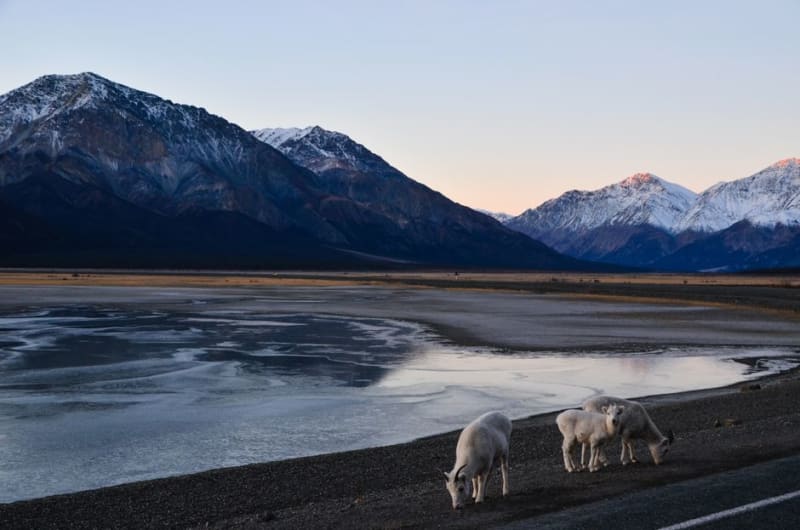 yukon
Faro
A former lead-zinc mining town built for ten thousand and now home to a few hundred, better known these days for its rare Fannin sheep than its ore.
Explore yukon
Haines Junction
A small town at the edge of the world's largest protected wilderness, where the Alaska Highway meets the mountains and the grizzlies outnumber the residents.
Explore