Progreso
"I asked a local how far the pier went and he just laughed and said 'further than you want to walk.'"
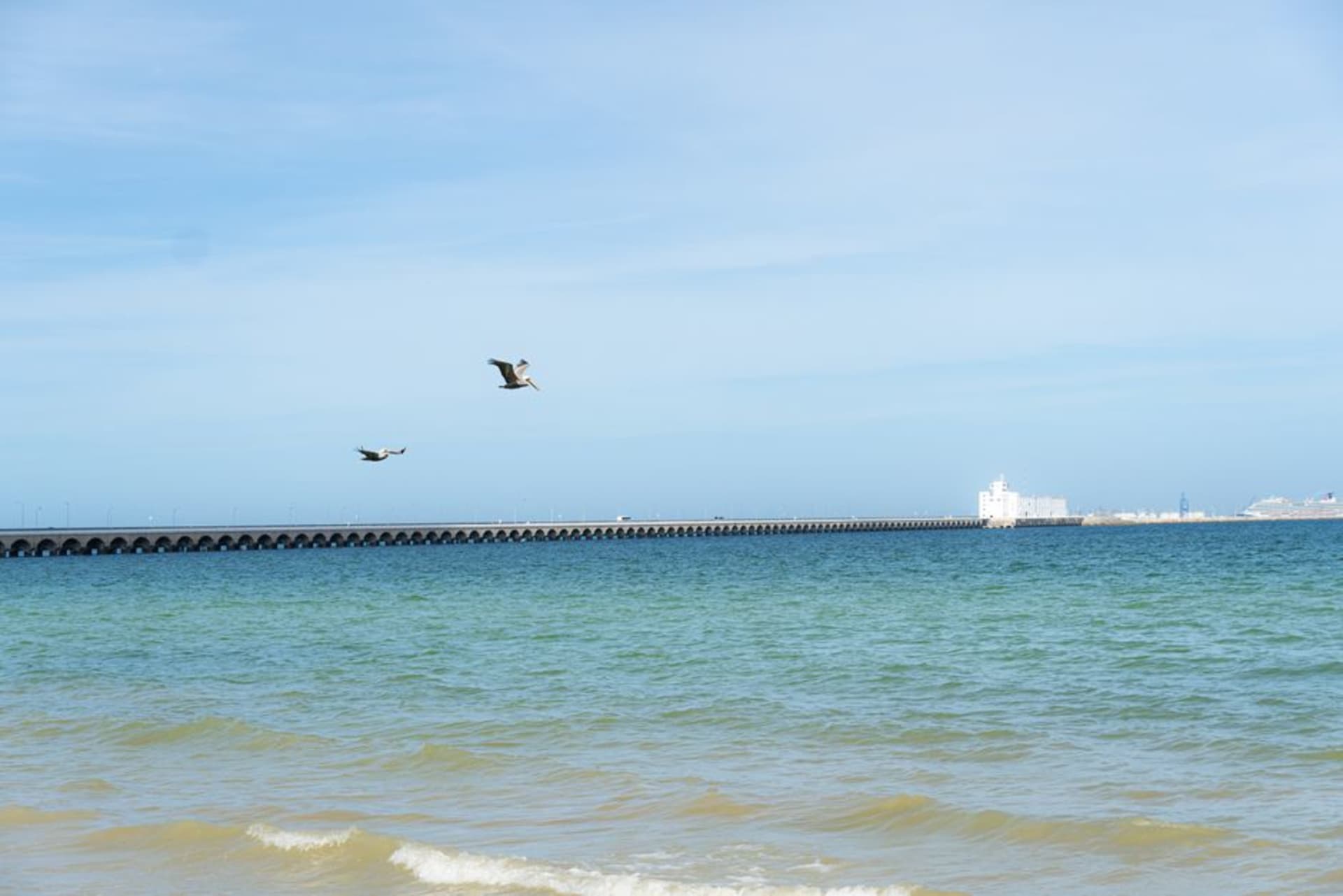
Merida's low-key port town on the Gulf, anchored by a pier that stretches so far out to sea it disappears into the horizon.

Progreso is where Merida goes to breathe. It’s about forty-five minutes north of the city by highway, and on weekends the malecon fills up with families from Merida who’ve made the same drive we did, chairs and coolers dragged down to the waterline, kids running in and out of water that’s shallow enough to walk out into for what feels like ages before it gets past your waist. It’s not a resort town in the Cancun sense at all — no high-rises, no all-inclusive gates, just a genuinely local Gulf-coast beach town with a strong economic identity built around its port.
That port is the reason Progreso shows up in trivia questions: the pier extends about 6.5 kilometers out into the Gulf, making it the longest pier in the world, built originally because the coastline here is so shallow that ships couldn’t get anywhere close to shore without one. Standing at the base of it, you genuinely can’t see the end — it just narrows and vanishes into the horizon line, which gave me a weird vertigo feeling I wasn’t expecting from a concrete structure.

Cruise ships dock way out at the end of it now, which explains the little strip of souvenir shops and margarita stands that pop up near the malecon whenever a ship’s in port — a strange contrast against the otherwise unhurried, plastic-chairs-and-fried-fish vibe of the town. We happened to be there on a non-cruise day and it felt like a completely different place: quiet, local, older men playing dominoes in the shade near the lighthouse, nobody trying to sell us anything.

We ate lunch at one of the palapa restaurants right on the sand — grilled fish, a mountain of tortillas, and a beer that arrived so cold it had ice forming on the glass within minutes in that heat. It’s the kind of unpretentious meal that costs a third of what you’d pay in Playa del Carmen and tastes better for it. Afterward we walked the malecon at sunset, watching pelicans dive-bomb the shallows while the light went orange over that impossibly long pier.
When to go: Weekday afternoons if you want it quiet and local, or a Sunday if you want to see it the way Merida families do — packed, loud, and genuinely happy to be at the beach.
Keep exploring
More from Yucatán Peninsula
 yucatan-peninsula
 Río Lagartos
A fishing village on the Yucatán's north coast wrapped in a biosphere reserve of flamingos, mangroves, and a lake the colour of bubblegum.
Explore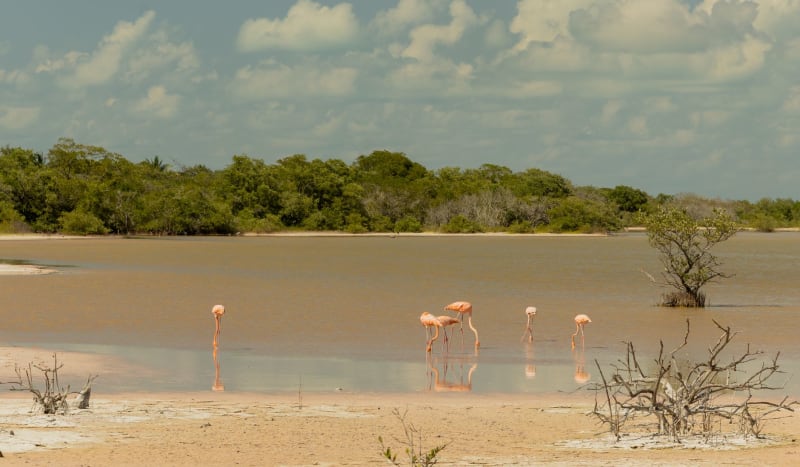 yucatan-peninsula
 Sian Ka'an
A UNESCO biosphere reserve of mangrove lagoons, ancient Maya canals, and Caribbean reef just south of Tulum, where the coast returns to something that existed before beach clubs had opinions about it.
Explore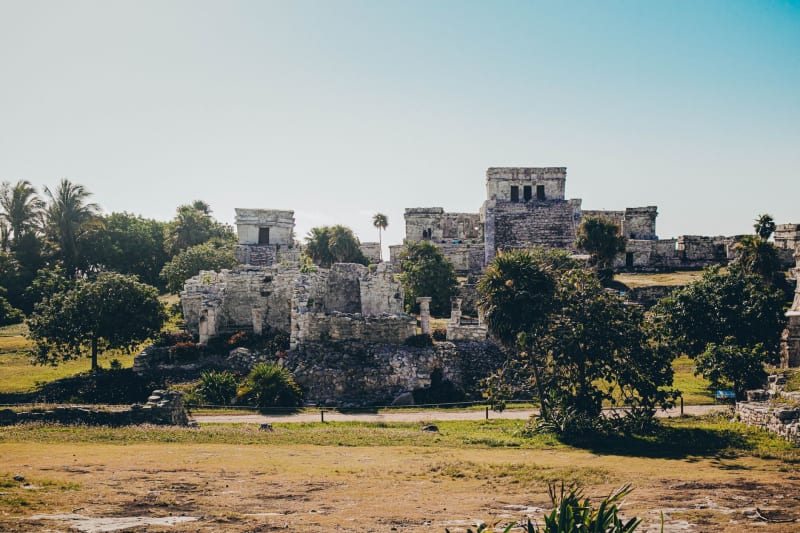 yucatan-peninsula
 Tulum
A clifftop Maya ruin overlooking the Caribbean and a town below that has transformed itself, for better and worse, into Mexico's most photographed bohemian beach destination.
Explore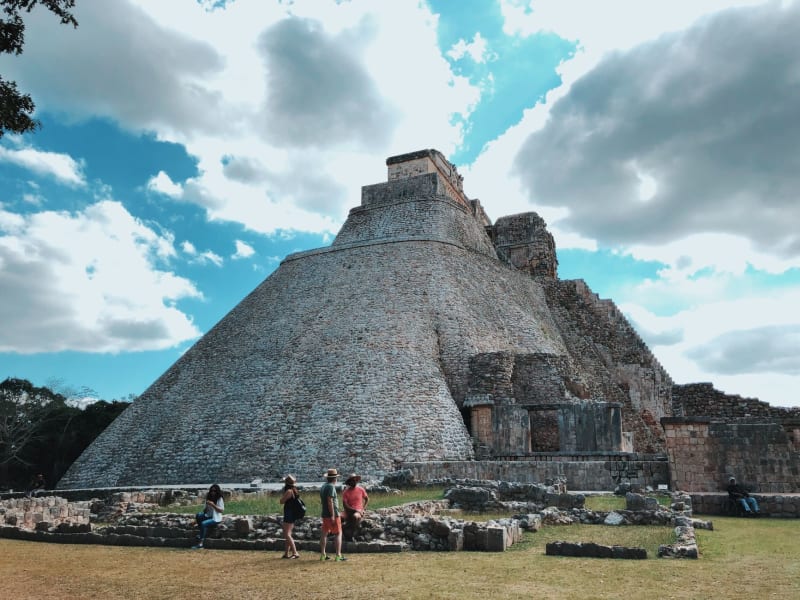 yucatan-peninsula
 Uxmal
A Puuc Maya city of extraordinary stone mosaic facades, built without cenotes on a ridge in the dry hill country southwest of Mérida, less visited than Chichén Itzá and more architecturally refined.
Explore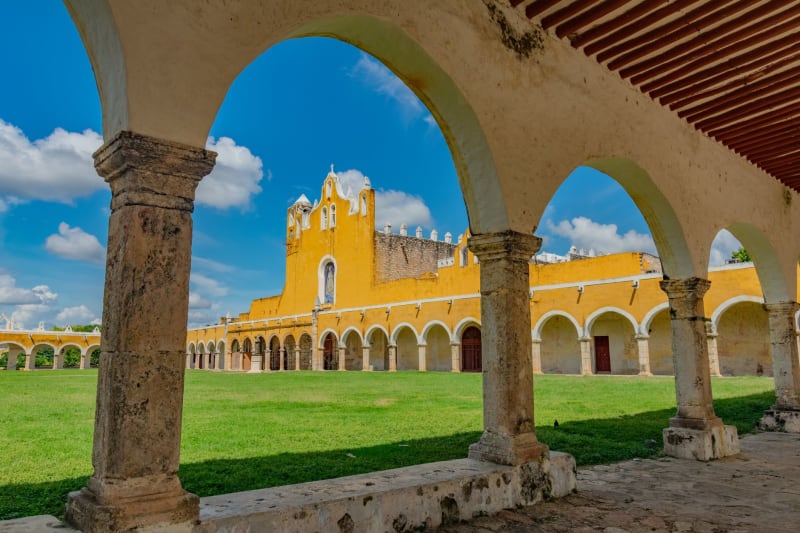 yucatan-peninsula
 Valladolid
A colonial town of faded pastels and quiet cenotes midway between Mérida and Cancún, where the Yucatan's slower rhythms survive at the intersection of every major highway.
Explore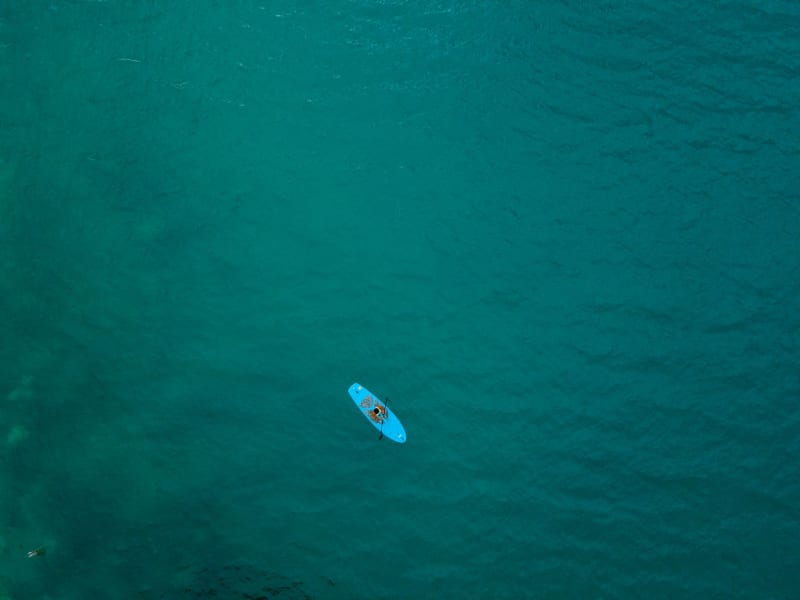 yucatan-peninsula
 Bacalar
A long, shallow lake of seven color bands that graduates from translucent turquoise to deep indigo, in a small town that Tulum's overflow crowd is discovering with predictable results.
Explore