Americas
Yucatán Peninsula
"I swam in a cenote at noon and understood why the Maya considered them sacred."
A limestone shelf riddled with sacred cenotes, ancient Maya cities, and Caribbean coastline that somehow survived becoming one of the world's most visited places.

I arrived in Mérida on a bus from Mexico City and walked out of the terminal into air so thick with heat and humidity it felt like pushing through warm water. It was six in the morning. By seven I was eating papadzules — hard-boiled eggs wrapped in tortillas soaked in pumpkin seed sauce — at a table on the main plaza, watching the city come to life in that unhurried way colonial cities do when they know they’ve been around long enough not to rush. Mérida is the capital of Yucatán state and one of the most livable cities in all of Mexico. Most people blow through it to get to Chichen Itzá or the beach. That is a mistake I watch tourists make constantly.
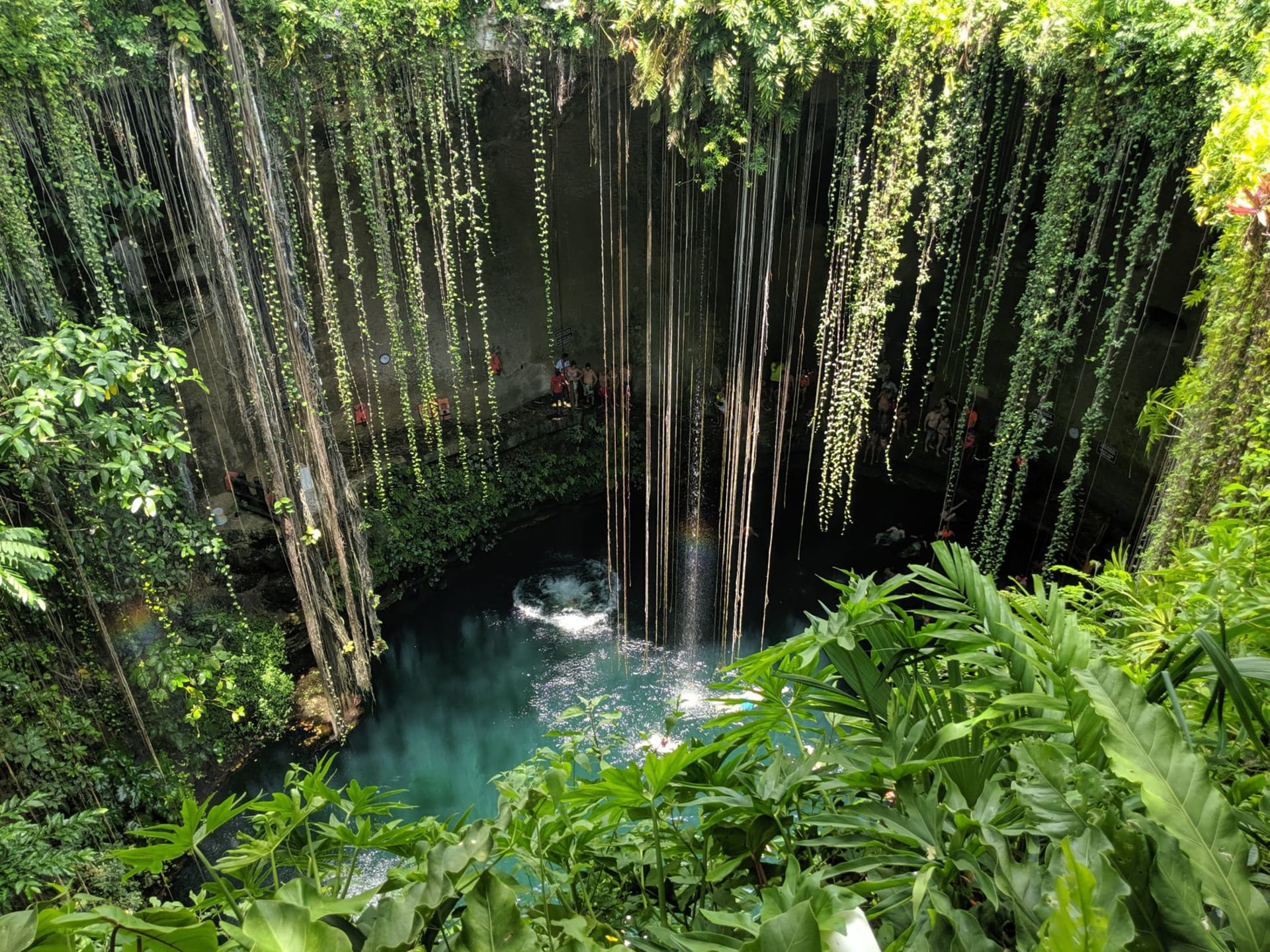
The peninsula is structured like a geology lesson you didn’t sign up for but can’t stop attending. The entire thing is flat limestone, and rainwater seeps straight through it, carving caves and underground rivers over millennia until the ceilings collapse and you get cenotes — those astonishing round pools of perfectly clear, perfectly cold freshwater that open up out of nowhere in the middle of jungle. There are estimated to be over six thousand of them across the peninsula. I’ve swum in maybe a dozen. Each one felt like a different secret. Cenote Ik Kil near Chichen Itzá is the famous one, the postcard, and it earns its reputation — hanging vines trailing down sixty feet of vertical limestone into an emerald pool while small fish circle your ankles. But the real pleasure is finding the smaller ones, the ones without ticket booths, where you share the water with a handful of local families on a Sunday afternoon.
Chichen Itzá itself is worth the early wake-up — arrive when the gates open at eight and you’ll have an hour before the tour buses arrive and the site becomes a slow-moving crowd. The scale of El Castillo, the main pyramid, doesn’t come through in photographs. Stand at its base and you understand that the people who built it were operating at a level of astronomical and architectural precision that would be impressive in any century. Eat before you go — the food near the site is bad and overpriced — and combine it with a stop at Valladolid on the way back, a smaller colonial town with its own cenote in the middle of a convent courtyard. Lunch at one of the spots around the main square. Order the cochinita pibil if it’s on the menu.
When to go: November through February is the sweet spot — dry, manageable temperatures in the low thirties, and the Caribbean coast is calm. March and April work too but get crowded around Semana Santa. Avoid July and August unless you enjoy sweating through your clothes before breakfast; the humidity is genuinely punishing and hurricane season runs June through October.
What most guides get wrong: They treat the Riviera Maya — Cancún, Playa del Carmen, Tulum — as if it’s the whole peninsula. It is the least interesting part. The interior of Yucatán, the haciendas converted into hotels, the Puuc Route with its lesser-visited Maya sites like Uxmal and Kabah, the slow pace of Mérida’s barrios — that’s where the place actually lives. The beach is fine. The civilization that preceded it is extraordinary.
Explore
Places in Yucatán Peninsula
 yucatan-peninsula
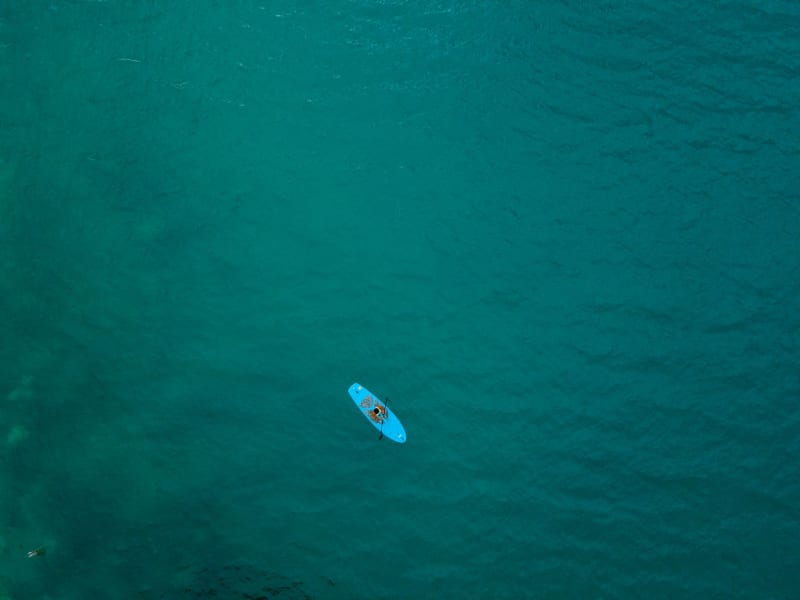
 Bacalar
A long, shallow lake of seven color bands that graduates from translucent turquoise to deep indigo, in a small town that Tulum's overflow crowd is discovering with predictable results.
Explore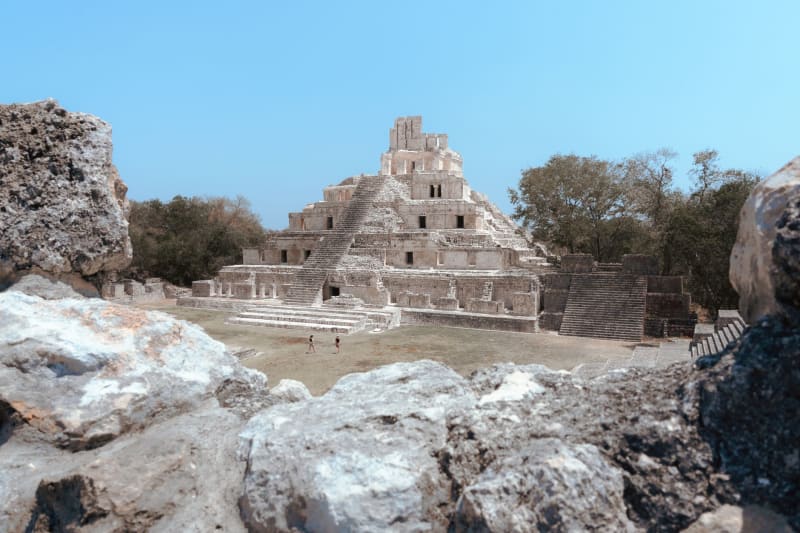 yucatan-peninsula
 Campeche
A fortified port city of painted colonial facades and intact 17th-century walls, where the Gulf of Mexico turns rose-gold at sunset and the tourist infrastructure hasn't caught up to the beauty.
Explore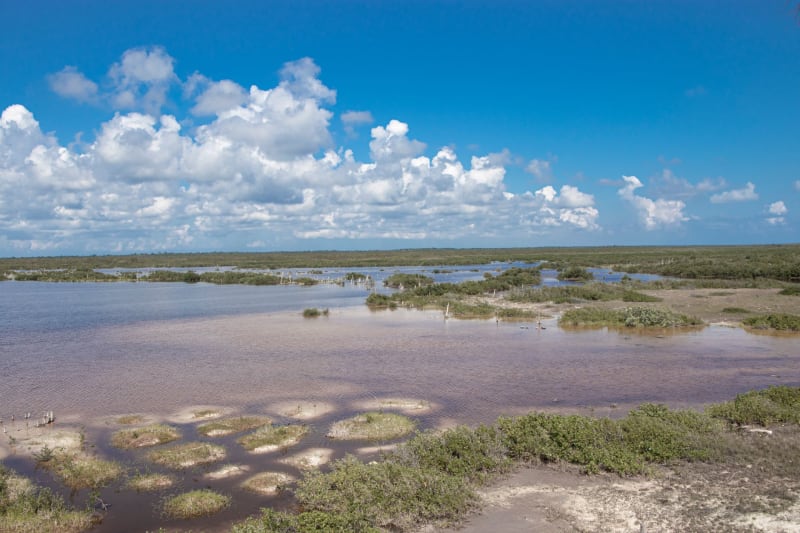 yucatan-peninsula
 Celestún
A fishing village at the edge of a flamingo biosphere reserve on the Gulf of Mexico's western shore, where pink birds wade in the estuary and the seafood arrives so fresh it still tastes like the sea.
Explore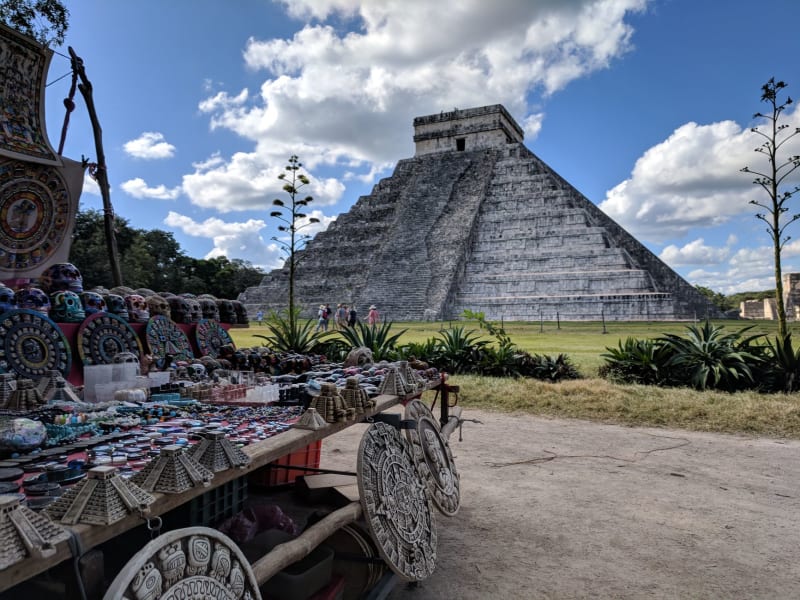 yucatan-peninsula
 Chichén Itzá
The most visited Maya site on the peninsula, where El Castillo pyramid rises from the scrub with an authority that no amount of tourist infrastructure can diminish.
Explore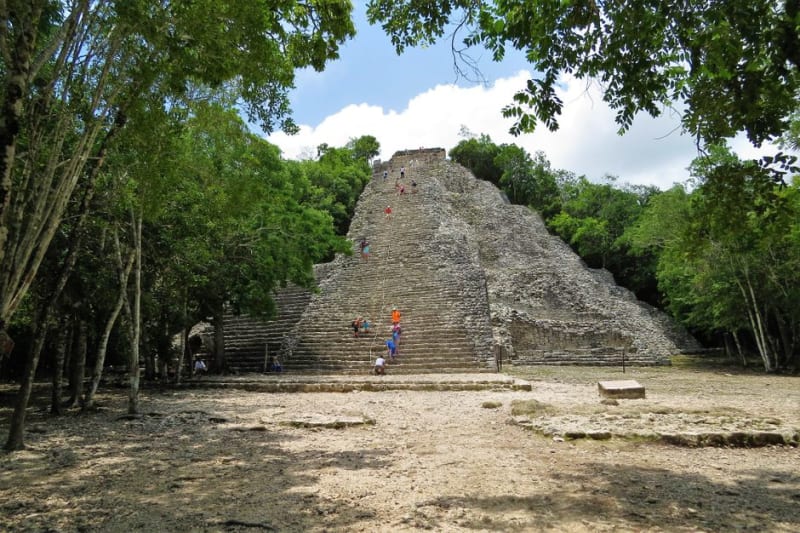 yucatan-peninsula
 Coba
A sprawling jungle ruin near Tulum where Nohoch Mul, the tallest climbable pyramid in the Yucatan, still lets you earn the view with your own legs.
Explore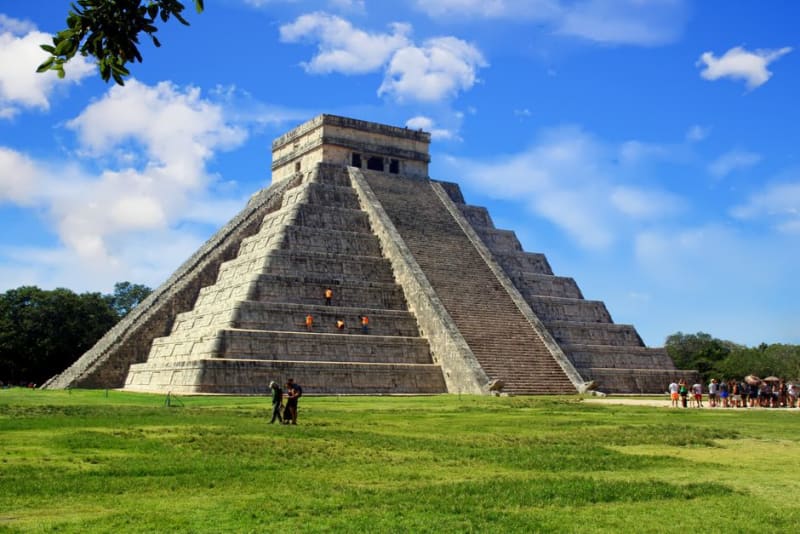 yucatan-peninsula
 Ek Balam
A quiet Maya ruin north of Valladolid where you can still climb the main pyramid and touch the crumbling stucco jaguar teeth at its base.
Explore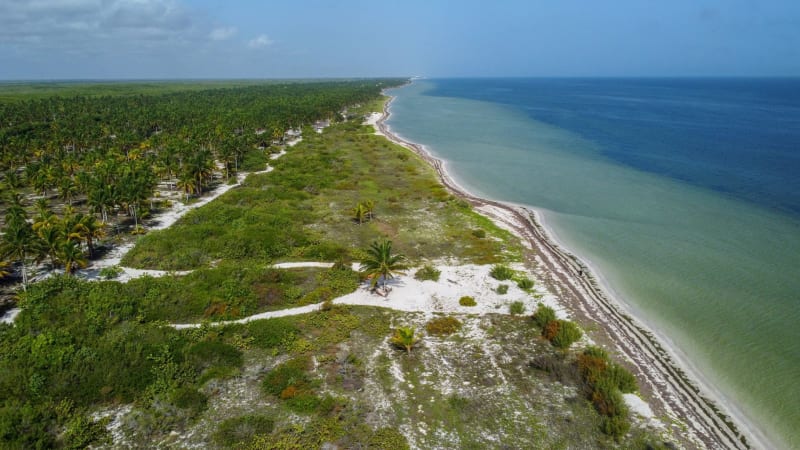 yucatan-peninsula
 Holbox
A car-free island off the northern tip of the peninsula where the Gulf meets the Caribbean in shallow flat water, flamingos wade at the edge of town, and whale sharks arrive every summer like an appointment.
Explore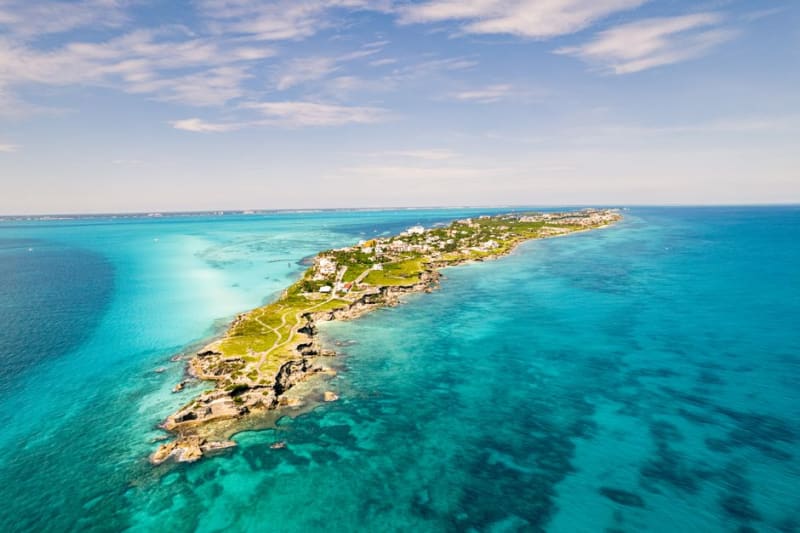 yucatan-peninsula
 Isla Mujeres
A slim, golf-cart-paced island a short ferry ride from Cancun, with calm turquoise swimming beaches that make the whole mainland feel unnecessary.
Explore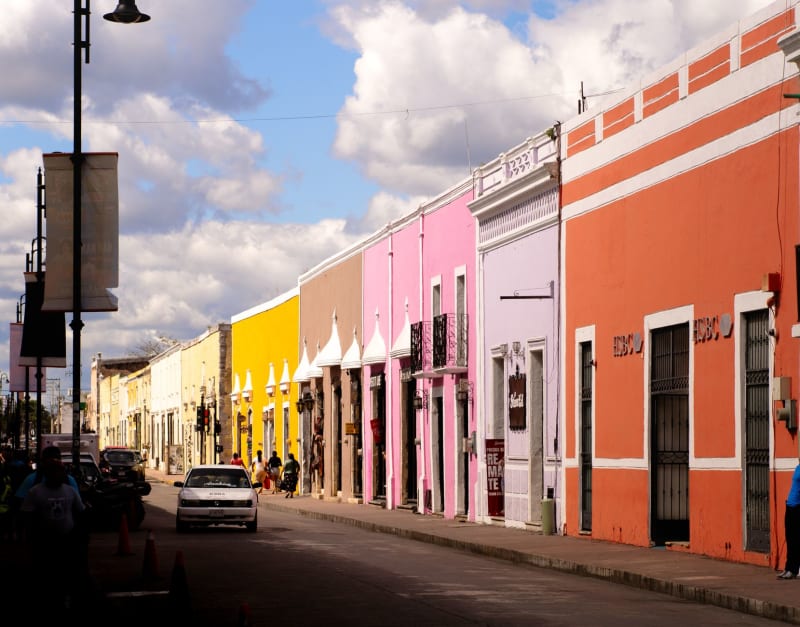 yucatan-peninsula
 Izamal
The Yellow City — a Yucatecan pilgrimage town where a 16th-century Franciscan convent was built directly onto a Maya pyramid and every building in the centro has been painted the same shade of ochre yellow since 1993.
Explore yucatan-peninsula
 Las Coloradas
A remote string of bubblegum-pink saltwater lagoons on the Yucatan's north coast, colored by algae and brine shrimp thriving in the salt pans.
Explore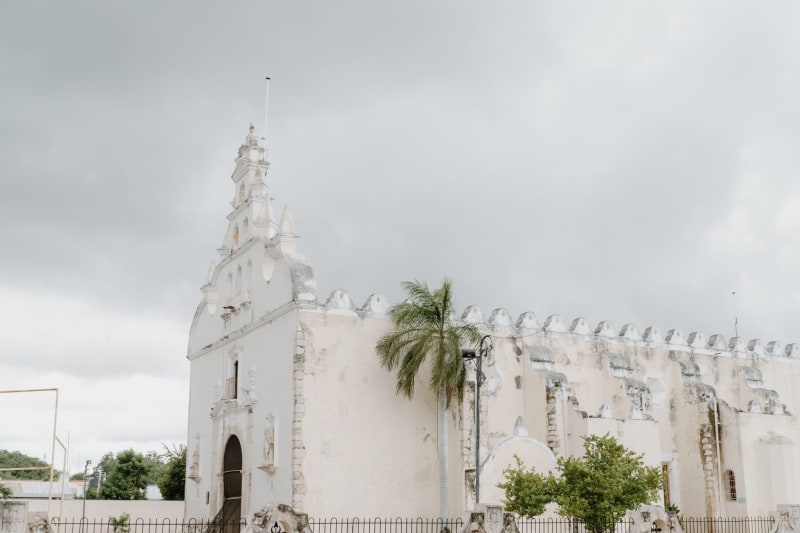 yucatan-peninsula
 Mérida
A colonial capital where Maya culture hums underneath every stone plaza and Sunday concert, and where the heat itself becomes part of the architecture.
Explore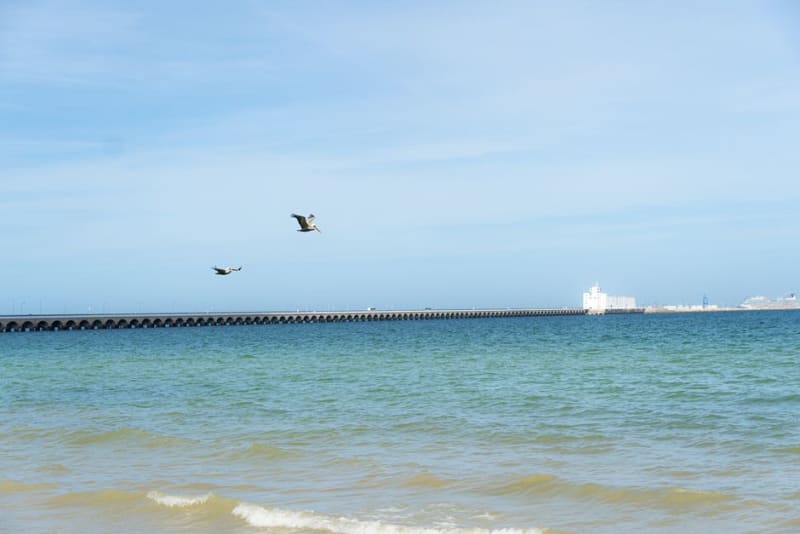 yucatan-peninsula
 Progreso
Merida's low-key port town on the Gulf, anchored by a pier that stretches so far out to sea it disappears into the horizon.
Explore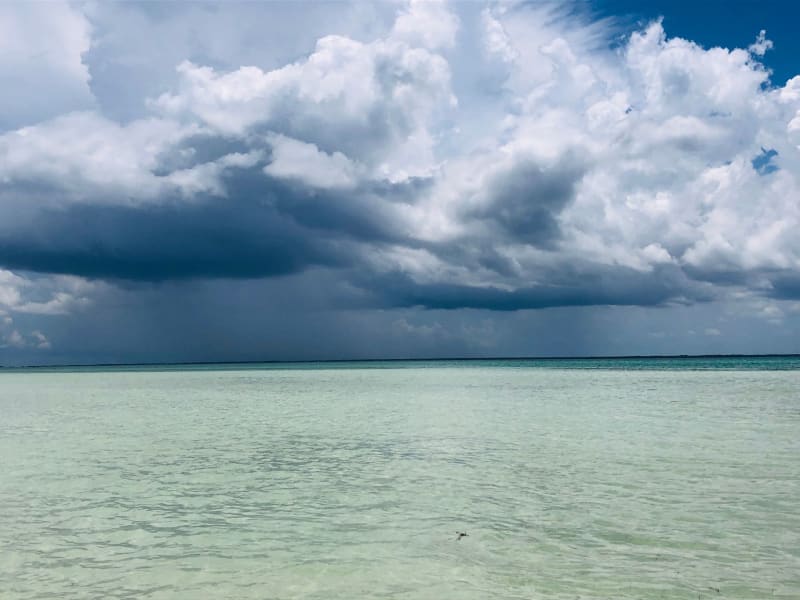 yucatan-peninsula
 Río Lagartos
A fishing village on the Yucatán's north coast wrapped in a biosphere reserve of flamingos, mangroves, and a lake the colour of bubblegum.
Explore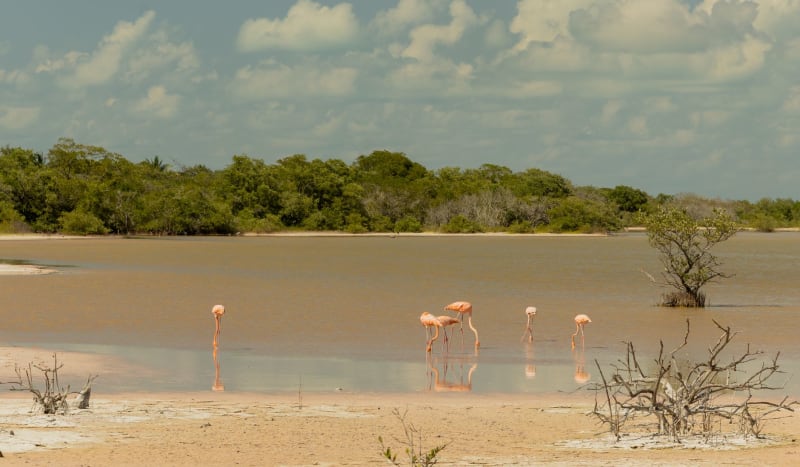 yucatan-peninsula
 Sian Ka'an
A UNESCO biosphere reserve of mangrove lagoons, ancient Maya canals, and Caribbean reef just south of Tulum, where the coast returns to something that existed before beach clubs had opinions about it.
Explore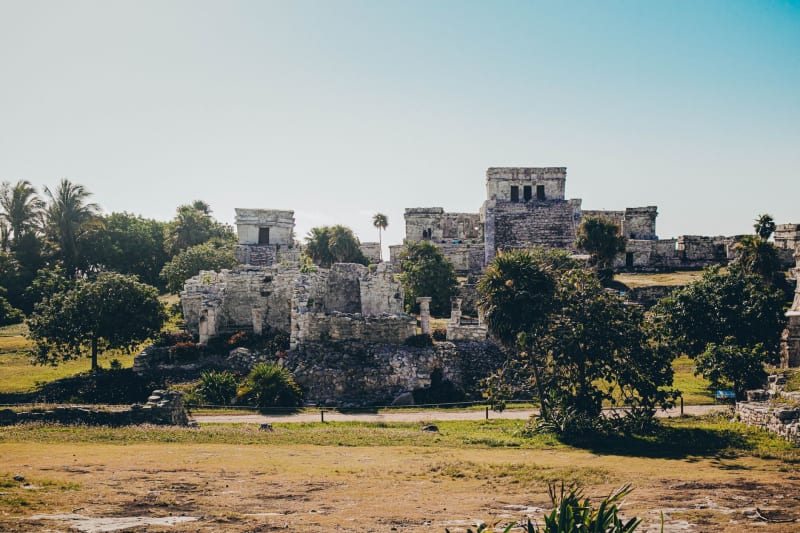 yucatan-peninsula
 Tulum
A clifftop Maya ruin overlooking the Caribbean and a town below that has transformed itself, for better and worse, into Mexico's most photographed bohemian beach destination.
Explore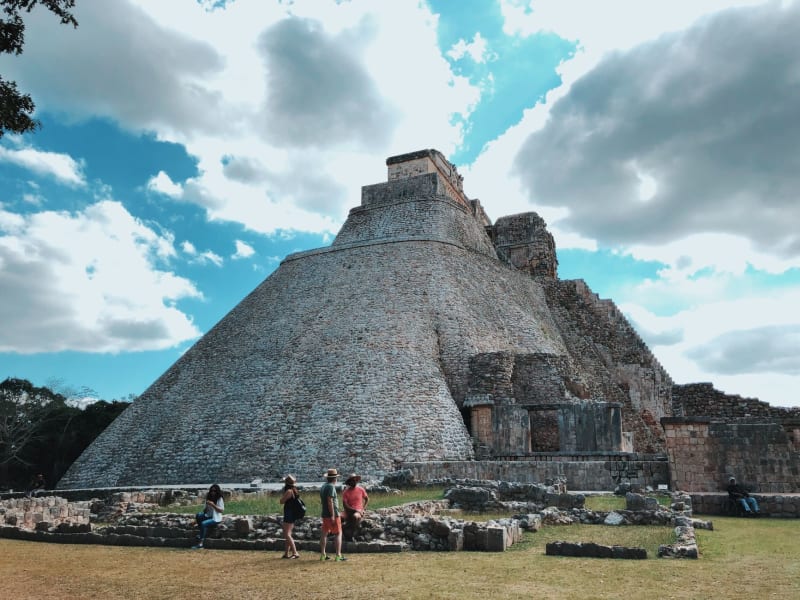 yucatan-peninsula
 Uxmal
A Puuc Maya city of extraordinary stone mosaic facades, built without cenotes on a ridge in the dry hill country southwest of Mérida, less visited than Chichén Itzá and more architecturally refined.
Explore