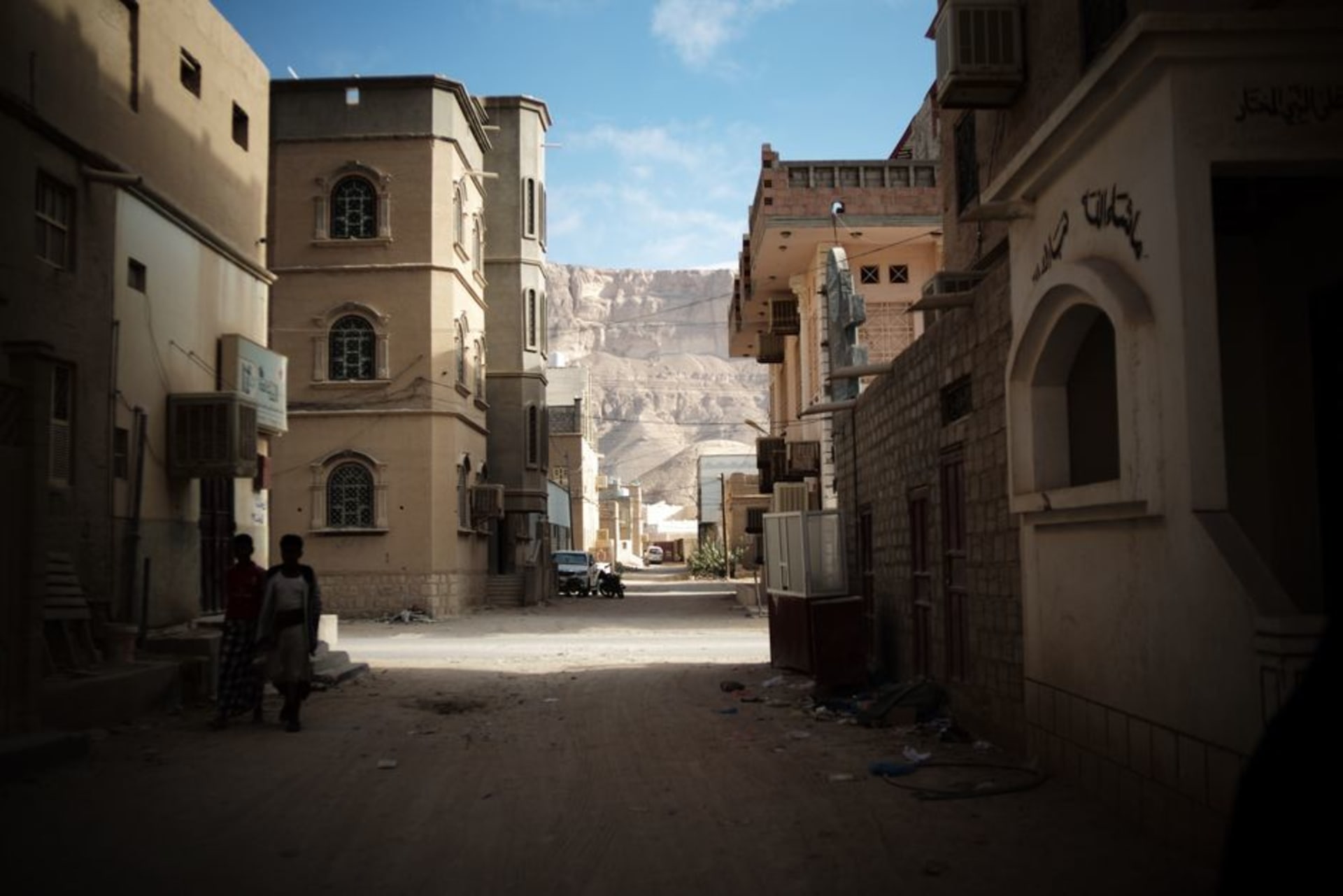
Dhamar
"Nobody in Dhamar's market seemed to know or care that a lost kingdom's capital was buried a short drive away, and I found that strangely comforting."
A working highland market city sitting quietly beside the buried capital of the ancient Himyarite kingdom.

Dhamar doesn’t try to sell itself to you, and after a run of towns that lean hard into being picturesque, I actually appreciated that. It’s a real working city, high on the plateau, full of trucks hauling produce and men arguing prices in the livestock market and the general unglamorous churn of a place that exists for its own people first. I liked it immediately for that reason, even though it took me a day to figure out why.
The pull for me was Zafar, the old Himyarite capital just outside town, mostly unexcavated, mounds and scattered stonework where a kingdom that controlled much of ancient South Arabia once had its seat. I walked around it with a local guide who kept pointing at unremarkable-looking rises in the ground and saying, almost casually, that’s a palace, that’s a temple, like he was pointing out a corner store. Only a fraction of it has ever been dug up. Most of what made this civilization is still sitting under the dirt, waiting.

Back in Dhamar itself, the market is what stayed with me longest. It’s loud in a good way — sheep bleating, vendors calling out prices for qat and grain, the metallic clang of someone repairing a truck axle two stalls down from a spice seller. I bought coffee husk tea, qishr, from a woman working a blackened kettle over coals, and she added so much ginger I could feel it in my chest for an hour afterward. Good kind of feeling, though.
Lia pointed out something I hadn’t quite articulated: that Dhamar felt less like a destination and more like a place we’d been let into for a day, going about its business whether we watched or not. I think that’s the honest truth about a lot of highland Yemen, but Dhamar wears it plainly, without the fortress-town drama of some of its neighbors. It’s just a city getting on with things, sitting on top of one of the region’s oldest stories.

When to go: Visit between October and March, when Dhamar’s high elevation keeps the days mild and the market at its most active.
Keep exploring
More from Yemen
 yemen
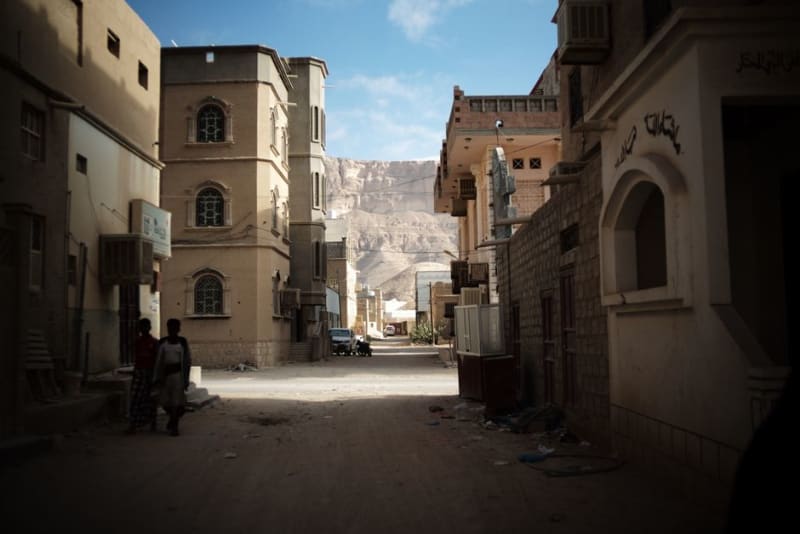
yemen Hajjah
A mountain fortress town clinging to a knife-edge ridge, its stone houses stacked so tightly they look carved from the cliff itself.
Explore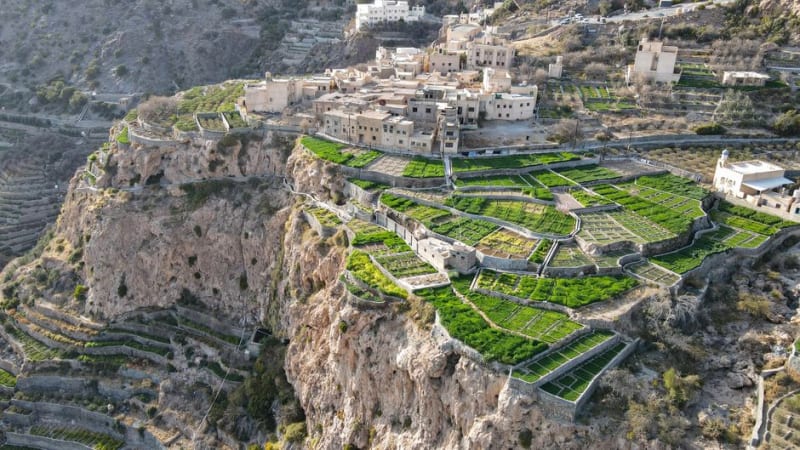 yemen
yemen Jibla
A terraced hillside town in Ibb province that once ruled as the capital of the 11th-century Sulayhid queen Arwa.
Explore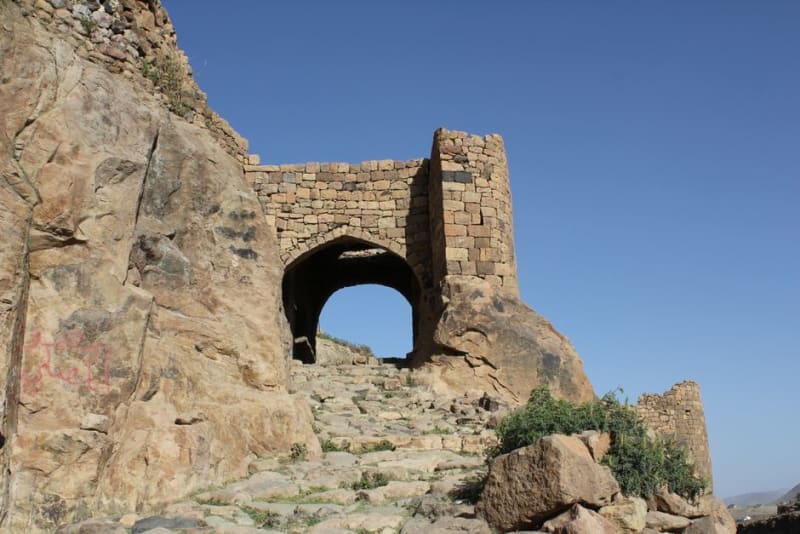 yemen
yemen Kawkaban
A clifftop fortress village reached by a centuries-old stone staircase climbing the mountainside above Shibam Kawkaban.
Explore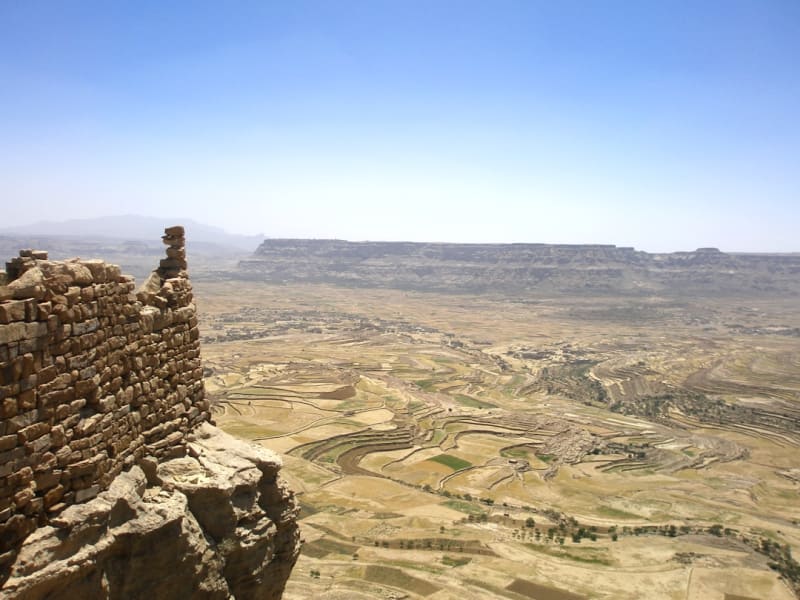 yemen
yemen Marib
The ancient capital of the Sabaean kingdom, where the ruins of the Great Dam and the Temple of the Moon god still carry the weight of a civilization that controlled Arabia's frankincense trade for a thousand years.
Explore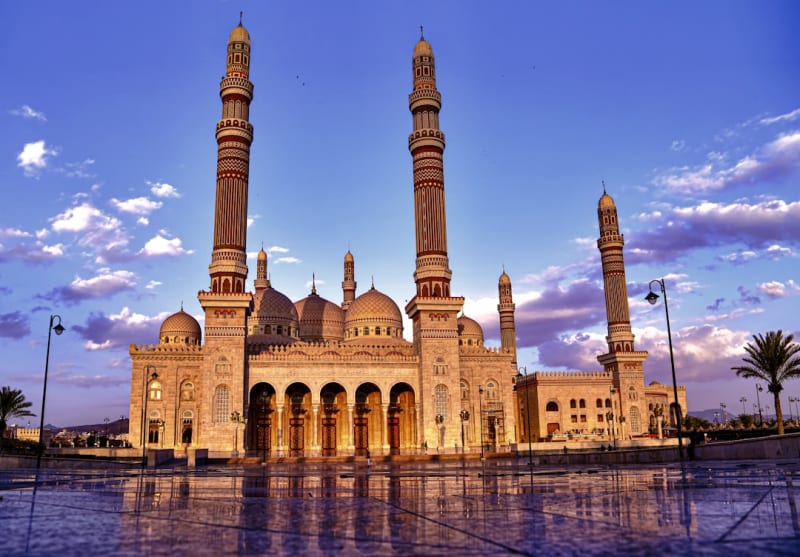 yemen
yemen Mukalla
A whitewashed port city on the Arabian Sea where the Hadhramaut valley meets the ocean, its seafront architecture a compressed history of Indian Ocean trade routes.
Explore yemen
yemen Sana'a
A walled medieval city of tower houses with alabaster windows that turns the afternoon light into something close to stained glass.
Explore