Caernarfon
"I stood in the middle of the courtyard where Charles was invested as Prince of Wales in 1969 and felt, for a second, genuinely small in front of it."
A north Wales town dominated by a UNESCO-listed 13th-century castle where Princes of Wales have historically been formally invested.

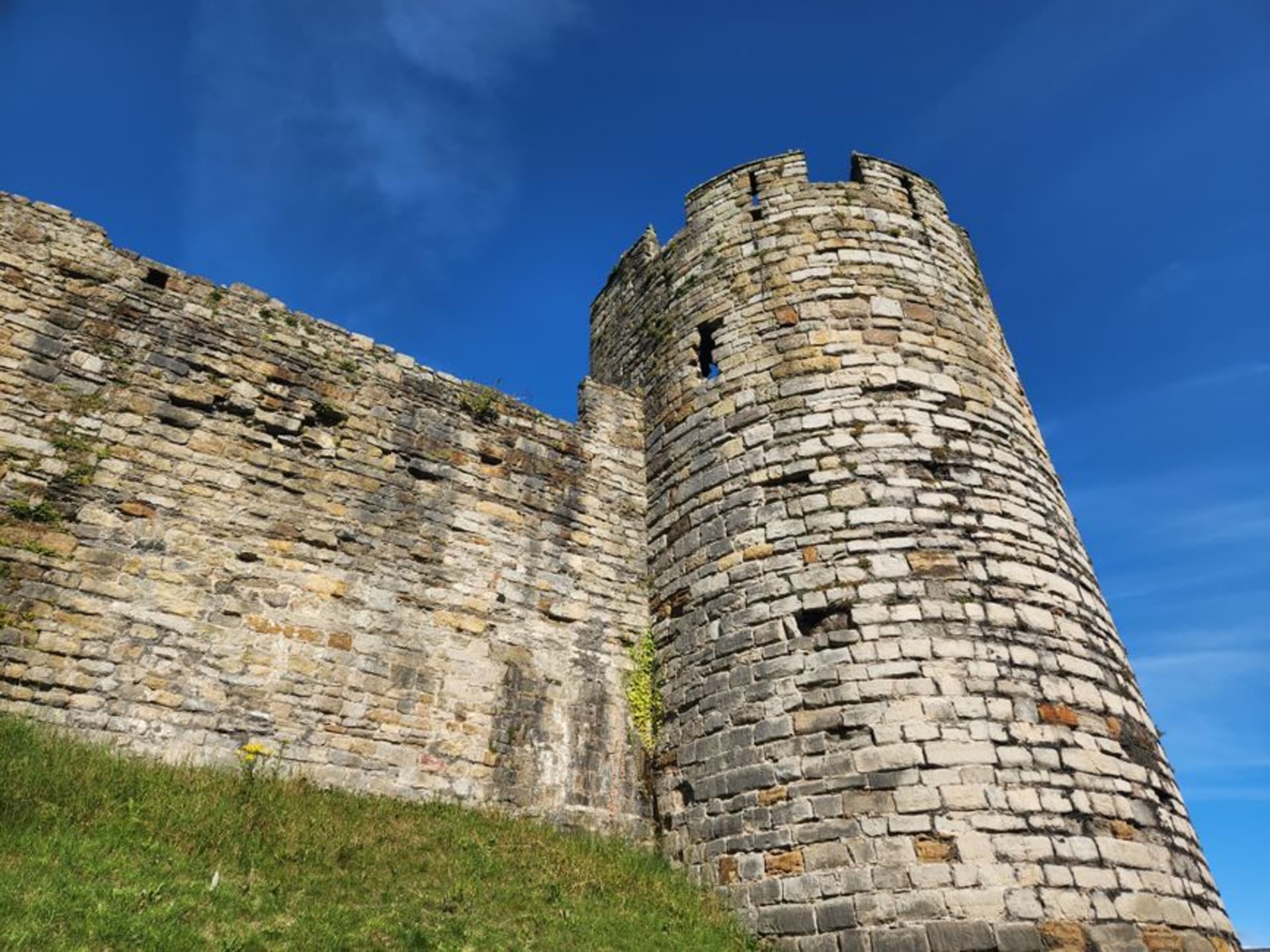
You see Caernarfon Castle before you see the town, which is sort of the point — Edward I built it in the 1280s to be seen, to make an unmistakable statement to the Welsh he’d just conquered about who was now in charge. Nearly seven and a half centuries later it still works. Lia and I came around the bend on the road along the Menai Strait and the towers just appeared, banded stone in that distinctive polygonal shape modeled, the guides will tell you, on the walls of Constantinople. It’s not subtle, and it isn’t meant to be.
We spent a couple of hours climbing the towers, which is more physically involved than I expected — narrow spiral stairs, low doorways I kept misjudging with my head, and then suddenly a rampart walk with the whole town and the strait laid out below. It’s here, in the Queen’s Tower, that they keep the exhibition on the investiture of the Prince of Wales, including the actual dais used in 1969 when a young Charles knelt in front of his mother in that courtyard on television watched by millions. Whatever you make of the monarchy, standing in the spot where that happened has a weight to it that surprised me.

The town itself grew up entirely in the castle’s shadow, literally — Caernarfon still has its own medieval walls, built at the same time as the castle as part of the same fortification scheme, and you can walk a good stretch of them for a view down onto slate rooftops and the harbor beyond. We ducked into a small bakery near the square for bara brith, the dense spiced fruit loaf that seems to be everywhere in Wales, and ate it sitting on the harbor wall watching a couple of small boats come in with the tide, the castle towers looming over the whole scene like they’d never once let anyone forget who was watching.

What I didn’t expect was how Welsh the town felt in the most everyday sense — Welsh was the language I heard first in the shops, on signs, between people on the street, more than anywhere else we’d been on that trip. It made the castle’s history land differently, walking out of a fortress built explicitly to suppress a culture and hearing that culture very much alive and unbothered in the streets around it.
When to go: Visit on a clear day if you can manage it — the tower climbs and rampart walks are the whole point, and a dry, bright afternoon lets you see clear across the Menai Strait to Anglesey.
Keep exploring
More from Wales
 wales
wales Cardiff
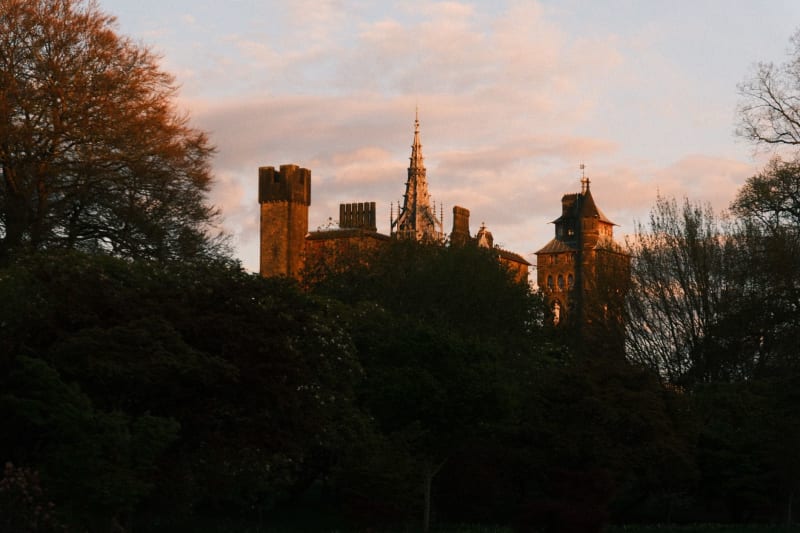
A post-industrial capital that rebuilt itself around a Victorian covered market and a bay full of unlikely ambition.
Explore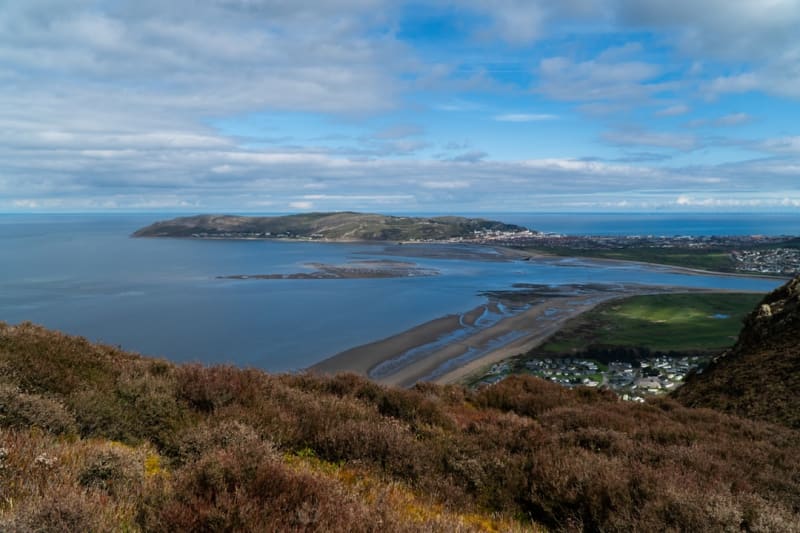 wales
wales Conwy
A medieval walled town with eight towers and one of Edward I's great castles, still contained within the same footprint it held in 1284.
Explore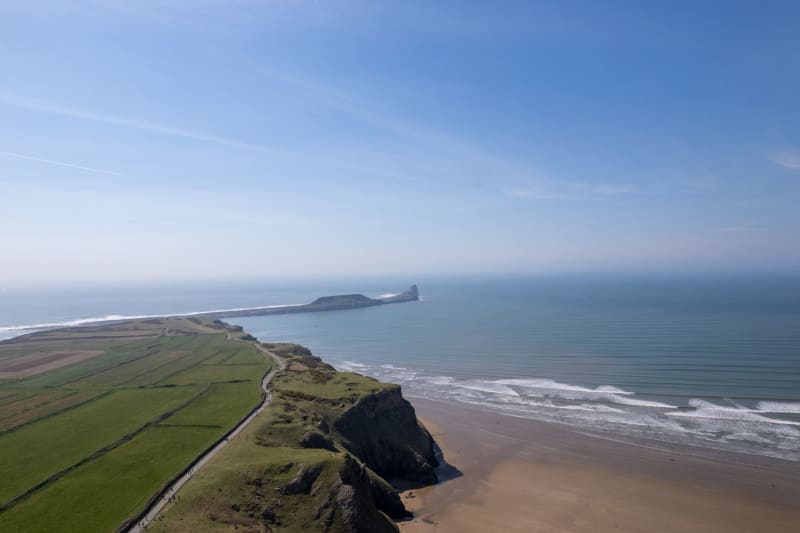 wales
wales Gower Peninsula
The first place in Britain ever designated an Area of Outstanding Natural Beauty, a fourteen-mile tongue of limestone beaches and gorse-covered cliffs that juts into the Bristol Channel.
Explore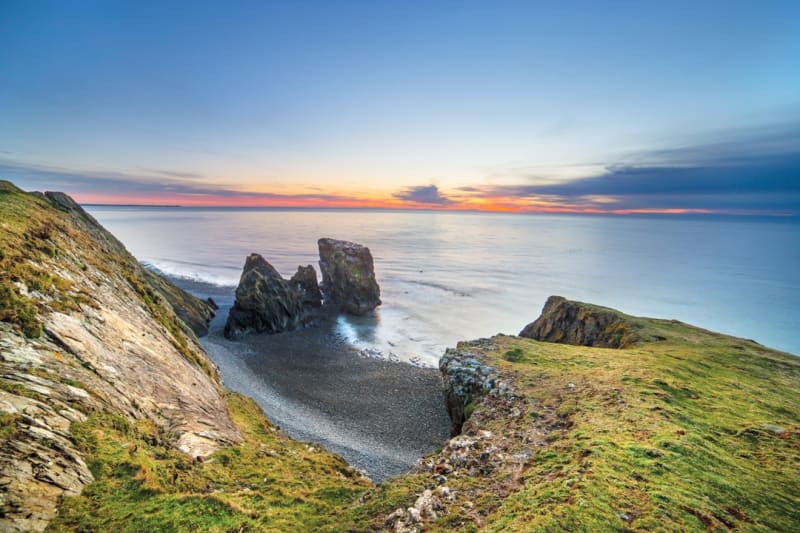 wales
wales Hay-on-Wye
A small market town on the English border that declared independence in 1977 and became the world capital of secondhand books, apparently by accident.
Explore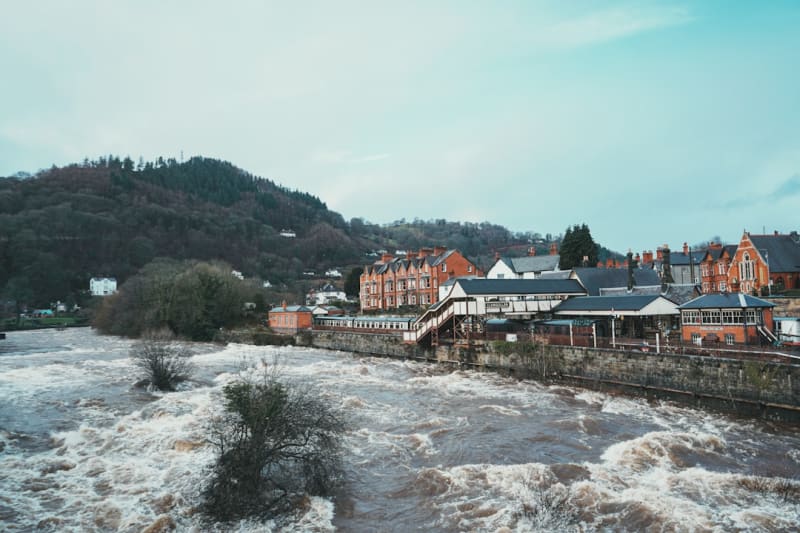 wales
wales Llangollen
A market town in a deep river valley where a Pontcysyllte Aqueduct carries a canal over the Dee on nineteen arches, 38 metres in the air, and it still works.
Explore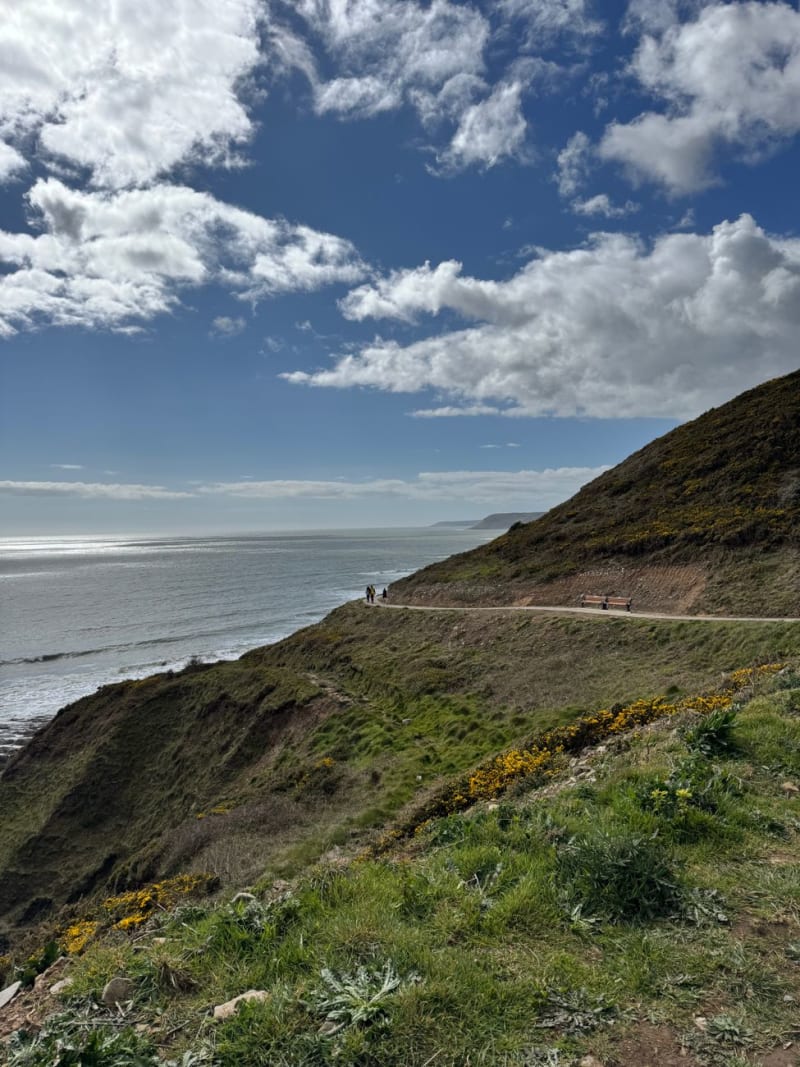 wales
wales Llŷn Peninsula
A long Welsh-speaking finger of land reaching into the Irish Sea, ending at a holy island that pilgrims once walked the length of the country to reach.
Explore