
A national park of mangrove channels and coral cays on Venezuela's northwest coast, where flamingos stand in the shallows at dawn and the boat drops you on an empty island with nothing but your lunch and the sound of the sea.

The trick with Morrocoy is knowing that its gateway town, Chichiriviche, is less appealing than what it leads to. You pass through the dust and the shouted offers from boat operators and the smell of diesel, and ten minutes later you’re skimming across a lagoon the color of shallow sea glass toward a cay that has no permanent residents and no reason to exist except beauty.
Morrocoy National Park protects a stretch of coast about 200 kilometers west of Caracas — mangrove estuaries, open lagoons, and a scattering of coral cays just offshore. The cays have names and personalities: Cayo Sombrero is the largest and most visited, with actual shade trees and vendors who appear by noon; Cayo Borracho is quieter; Cayo Peraza and Pelón offer the best snorkeling. The boatmen who’ve worked these waters for decades will steer you toward what you actually want if you tell them honestly.
The Flamingo Lagoon at Dawn
This is not a zoo spectacle. The flamingos of Morrocoy live in the brackish lagoon near Chichiriviche in numbers that shift seasonally but can reach into the hundreds. At first light, when the water is still and the mangroves are backlit, the birds stand in loose formations in the shallows, feeding. The pink is not vivid like a postcard — it’s muted, dusty, the color of something diluted by salt water and early morning light. Lia and I hired a boat at six in the morning and sat in silence for the better part of an hour watching them move. It cost almost nothing and felt like the best-kept secret in Venezuela.
On the Reef
The coral here is Caribbean reef standard — brain coral, elkhorn, sea fans — but the visibility is good on calm days and the fish life is serious enough to reward a mask and snorkel. The parrotfish are loud, their teeth scraping coral audibly in the silence below the surface. On the leeward side of the outer cays, you drift above fields of sea grass where conch move slowly across the sand.
The reef suffered damage from a major oil spill in the early 2000s and recovery has been uneven — some sections are bleached and dull, others are vivid and crowded with life. The outer cays, farther from boat traffic, are consistently the healthiest.
The Cay Rhythm
You arrive at nine, the boat leaving you with a cooler and an agreed pickup time. The day has a structure imposed entirely by sun angle and tide. You swim, you lie in whatever shade the palms provide, you eat whatever you brought. At some point the trade wind picks up and the water turns choppy and you’re glad the boat is coming back for you.
On Sombrero on a Sunday, Venezuelan families set up elaborate beach camps — inflatable toys, coolers of Polar beer, speakers playing vallenato — and the cay transforms into a floating neighborhood. It’s noisy and chaotic and I loved every minute of it. The week days are something else entirely: quiet, slow, the light doing what it wants to the water.
When to go: November through April offers the most reliable calm seas and clear water for snorkeling. The dry season peaks in January and February. Weekends in December and January bring heavy domestic tourism; visit on weekdays for a different experience entirely. June through October sees rougher conditions and occasional rough crossings, but the park is nearly empty.
Keep exploring
More from Venezuela
 venezuela
 Orinoco Delta
A vast maze of jungle waterways in eastern Venezuela where the Orinoco meets the Atlantic through a thousand braided channels, and the Warao people have lived on stilts above the river for centuries.
Explore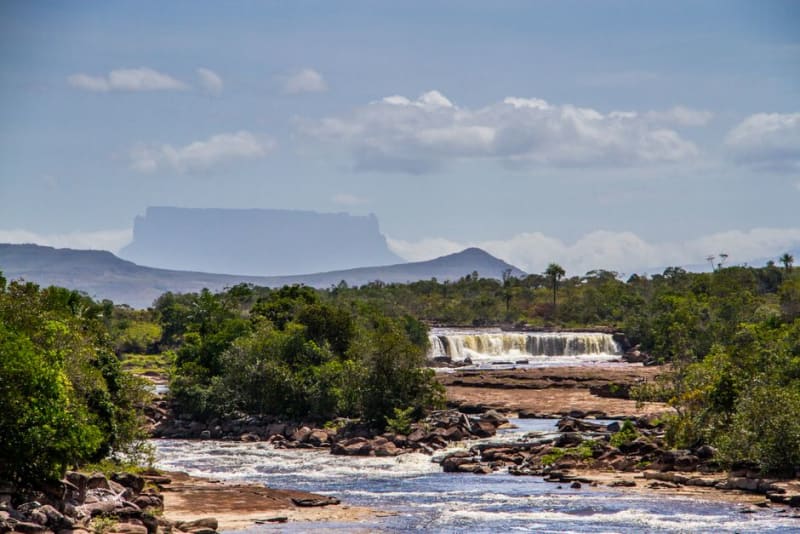 venezuela
 Roraima Tepui
A flat-topped 'lost world' mountain rising sheer above the savanna, its summit shared by Venezuela, Brazil, and Guyana.
Explore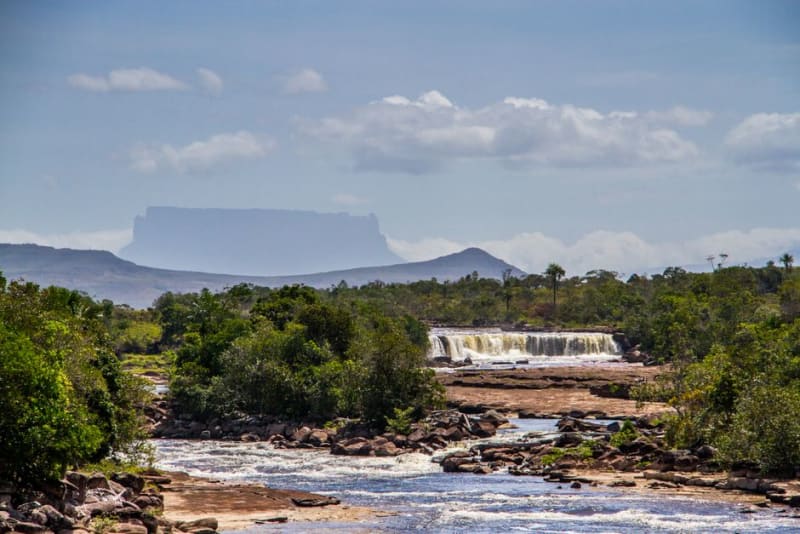 venezuela
 Angel Falls
A 979-meter curtain of water dissolving into mist before it reaches the jungle floor of Canaima National Park.
Explore venezuela
 Canaima and Angel Falls
The world's highest uninterrupted waterfall drops 979m from a tepui mesa in Venezuela's Gran Sabana.
Explore venezuela
 Caracas
A city of four million people stuffed into a narrow Andean valley, running at a speed that seems unsustainable and somehow sustains itself, held together by arepas and the stubbornness of Caraqueños.
Explore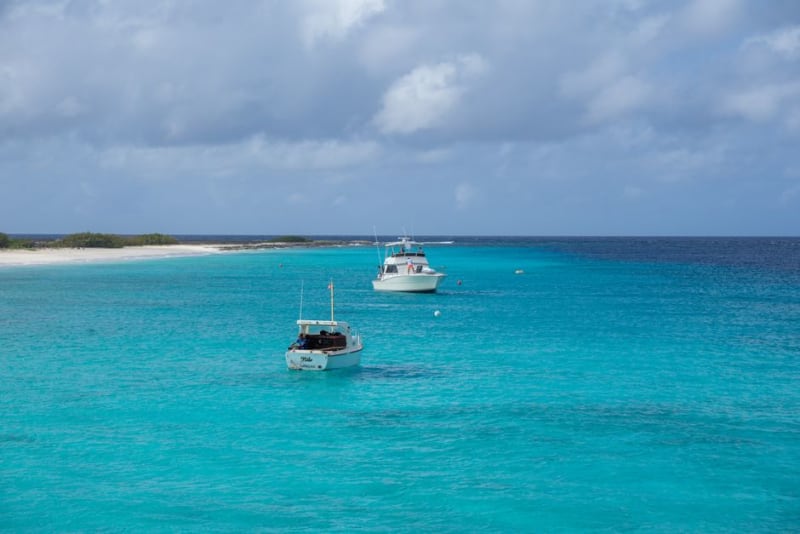 venezuela
 Chichiriviche
A low-key fishing town where dented lanchas ferry you out to the white sandbars and coral cays of Parque Nacional Morrocoy.
Explore