Angel Falls
"By the time the water reached us it wasn't rain and it wasn't falls anymore, it was just weather, and we stood there and let it happen."
A 979-meter curtain of water dissolving into mist before it reaches the jungle floor of Canaima National Park.

Getting to Angel Falls takes longer than seeing it, and I think that’s the whole point. We flew into Canaima from Ciudad Bolívar in a six-seater that rattled over the savanna like it resented being airborne, then spent the better part of a day in a curiara, one of those long wooden canoes, going up the Carrao river with a Pemón guide named Isidro who steered standing up, reading a current I couldn’t even see. Lia kept asking how deep the water was and he kept laughing instead of answering, which I took as its own kind of answer.
The rains matter more than people admit before they go. We went in June, when the Churún river still had enough water to make the crossing possible but wasn’t yet the brown flood it becomes by August. Isidro said in the dry months the fall sometimes thins to almost nothing at the top, just a smear on the rock, and I believed him, because even in June the upper half of Kerepakupai Vená, its name in Pemón before it was ever Angel Falls, looked more like smoke than water by the time it had fallen a few hundred meters.

The number is 979 meters, and I’d read it a dozen times before arriving without it meaning anything. It meant something at the Mirador Laime, the lookout after the last hour of muddy uphill walking, when we stood there and watched the top of the fall simply not be visible, swallowed into the underside of a cloud sitting on top of Auyantepui like it belonged there. What comes down never really arrives as a waterfall in the way I understood the word. It arrives as wind, as a fine cold rain blowing sideways across the pool at the base, because eighteen seconds of freefall turns water into something closer to weather than to a river.
We camped that night in hammocks strung under a tin roof a short walk from the falls, and I didn’t sleep so much as lie there listening to a sound that never let up and never got louder, this constant white noise underneath everything, frogs and Isidro’s radio and Lia’s breathing. In the morning the cloud had lifted just enough to see the whole drop at once, tabletop mountain to jungle floor, and Isidro told us that on a clear day you can sometimes see it twice, once falling and once as a rainbow standing in the spray. We got the rainbow. I’ve been trying to describe the scale of it to friends back home ever since and mostly failing.

What I keep coming back to is how little of the falls is actually about the falls. It’s the canoe ride where nobody talks because the engine is too loud to bother. It’s a Pemón guide who has walked this route since he was a kid and still stops to point things out like he’s never seen them before. Angel Falls is the tallest waterfall on earth, sure, but what I brought home was three days of moving slowly through a place that doesn’t especially care whether you show up.
When to go: Visit June through November when the rivers carry enough water for the canoe approach; outside that window, particularly February to April, the falls can shrink to a trickle and boats may not run at all.
Keep exploring
More from Venezuela
 venezuela
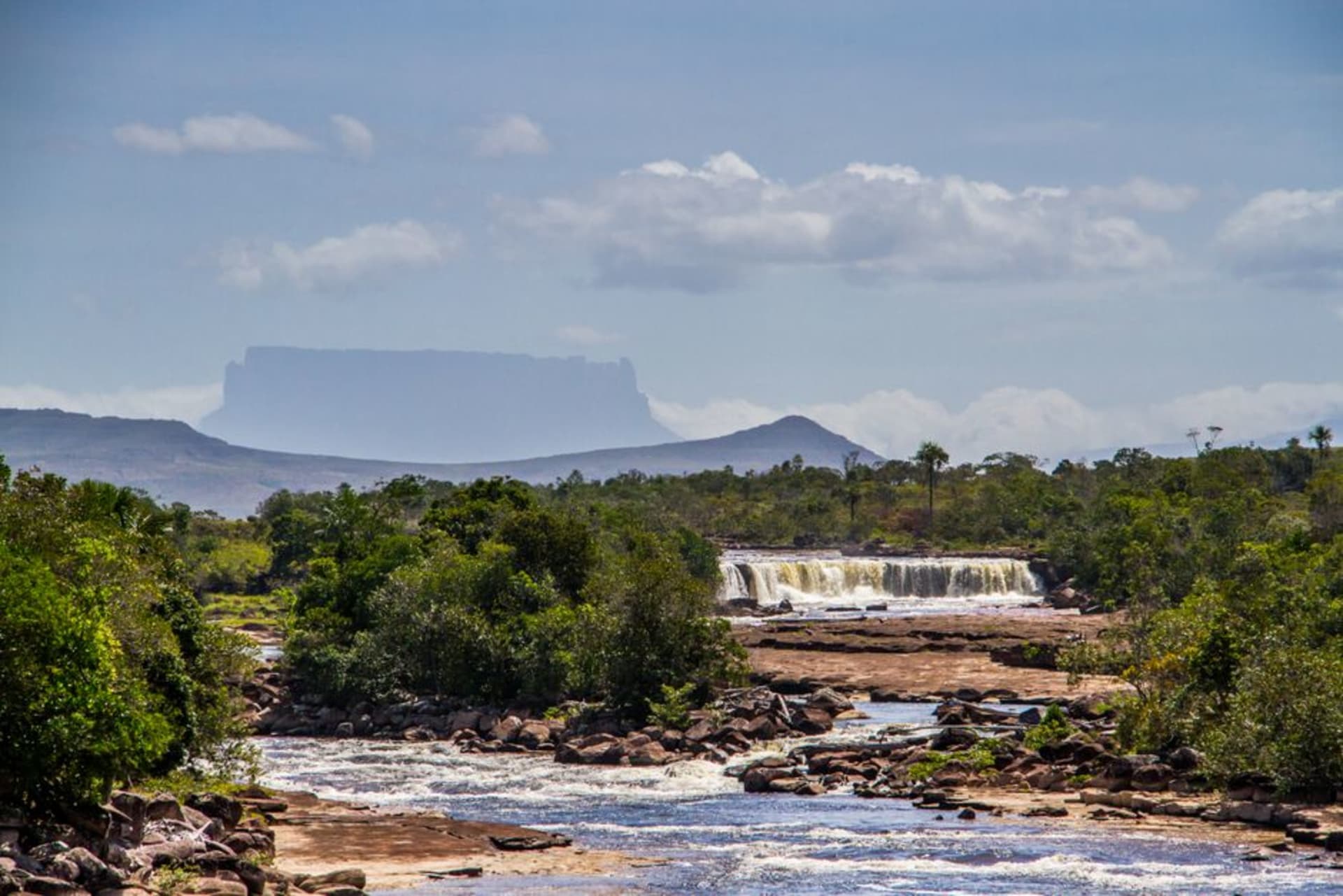
 Canaima and Angel Falls
The world's highest uninterrupted waterfall drops 979m from a tepui mesa in Venezuela's Gran Sabana.
Explore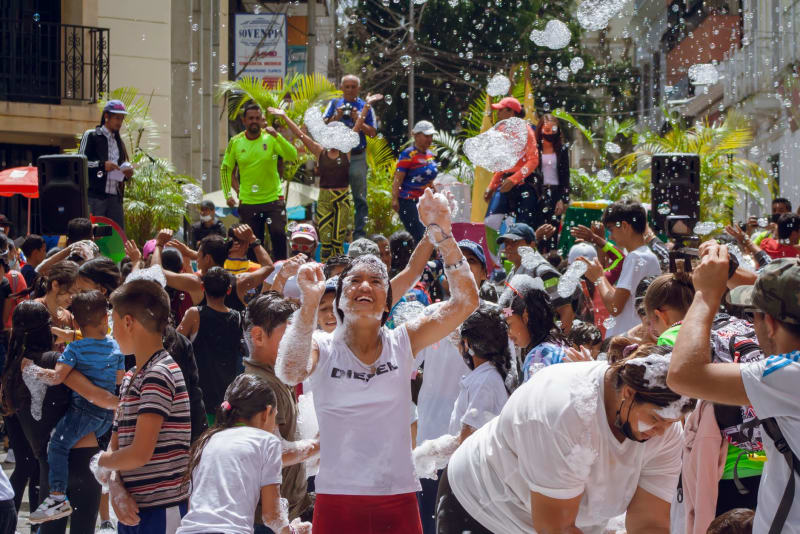 venezuela
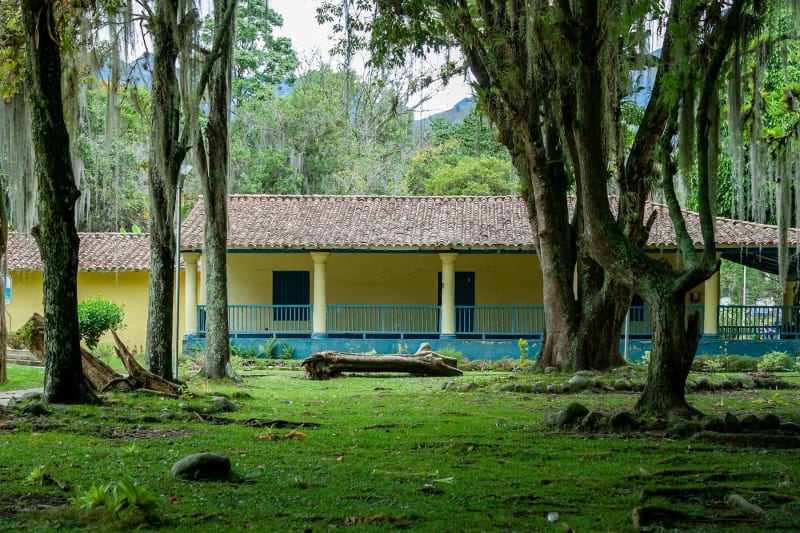
 Caracas
A city of four million people stuffed into a narrow Andean valley, running at a speed that seems unsustainable and somehow sustains itself, held together by arepas and the stubbornness of Caraqueños.
Explore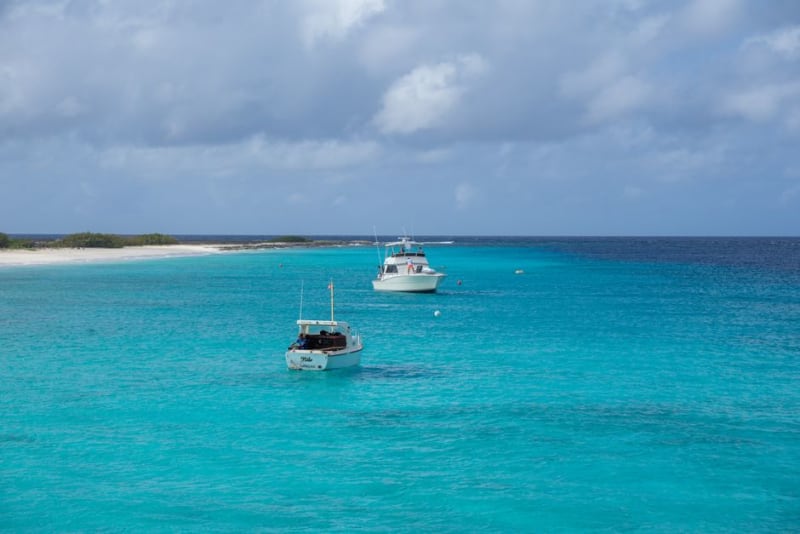 venezuela
 Chichiriviche
A low-key fishing town where dented lanchas ferry you out to the white sandbars and coral cays of Parque Nacional Morrocoy.
Explore venezuela
 Colonia Tovar
A misty mountain town of timber-framed houses and German dialect, founded by Black Forest settlers two hours from Caracas.
Explore venezuela
 Coro
A whitewashed colonial city of earthen mudbrick houses standing between arid dunes and the Caribbean coast.
Explore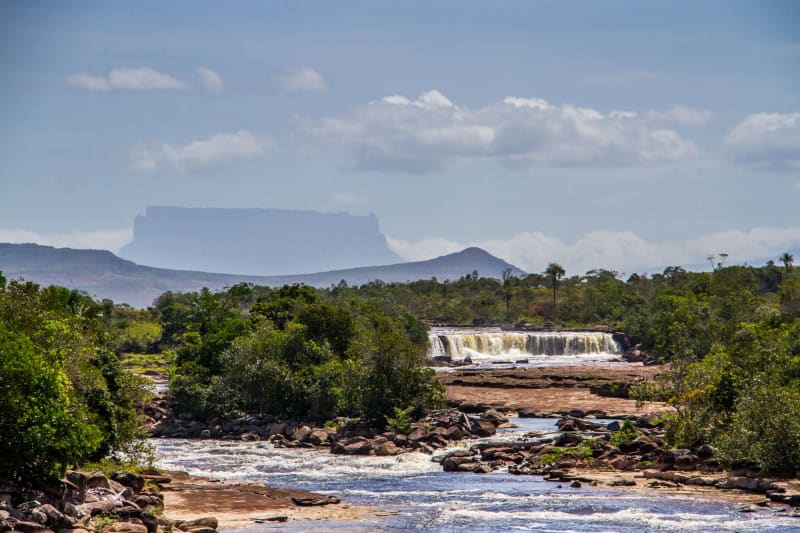 venezuela
 Gran Sabana
A high plateau in southeastern Venezuela where flat-topped tepuis rise from open savanna like islands above a sea of grass, and waterfalls fall so far they turn to mist before they land.
Explore