Maracaibo
"No storm on Earth announces itself as reliably or as magnificently as Catatumbo."
The lightning capital of Earth, where Catatumbo lightning storms flash over the lake up to 280 nights per year.

Nobody warned me that the lightning would feel personal.
I had read the statistics before we arrived — up to 280 nights per year, more than a million bolts annually, a fixed atmospheric engine where warm lake air meets the Andes and the Perijá mountains and simply never stops colliding. I understood it intellectually the way you understand a famous painting before you see it in a museum. Then Lia grabbed my arm somewhere near the waterfront on Avenida El Milagro and said, quietly, look, and I looked, and the whole southwestern sky cracked open like something was being born inside it.
The Lake After Dark
The Catatumbo lightning doesn’t rumble toward you the way a normal storm does. It ignites in silence — or what passes for silence at that distance, fifty kilometers south over the water, above the mouth of the Catatumbo River where it spills into Lake Maracaibo. You sit on the malecón and watch it the way you watch a fire: without thinking about anything in particular, your body doing the looking for you. The bolts are white-blue, sometimes a deep arterial purple, and they branch in shapes that remind me of the cracks in old ceramic glaze. One, two, a pause, then five at once. The lake holds the reflection for a half-second longer than the sky does.
I ate bollo pelón — cornmeal dumplings stuffed with spiced beef, served from a paper cone at a cart near Calle Ciencias — and watched the storm for two hours without getting bored. That is not something I can say about many things.
The City Between the Flashes
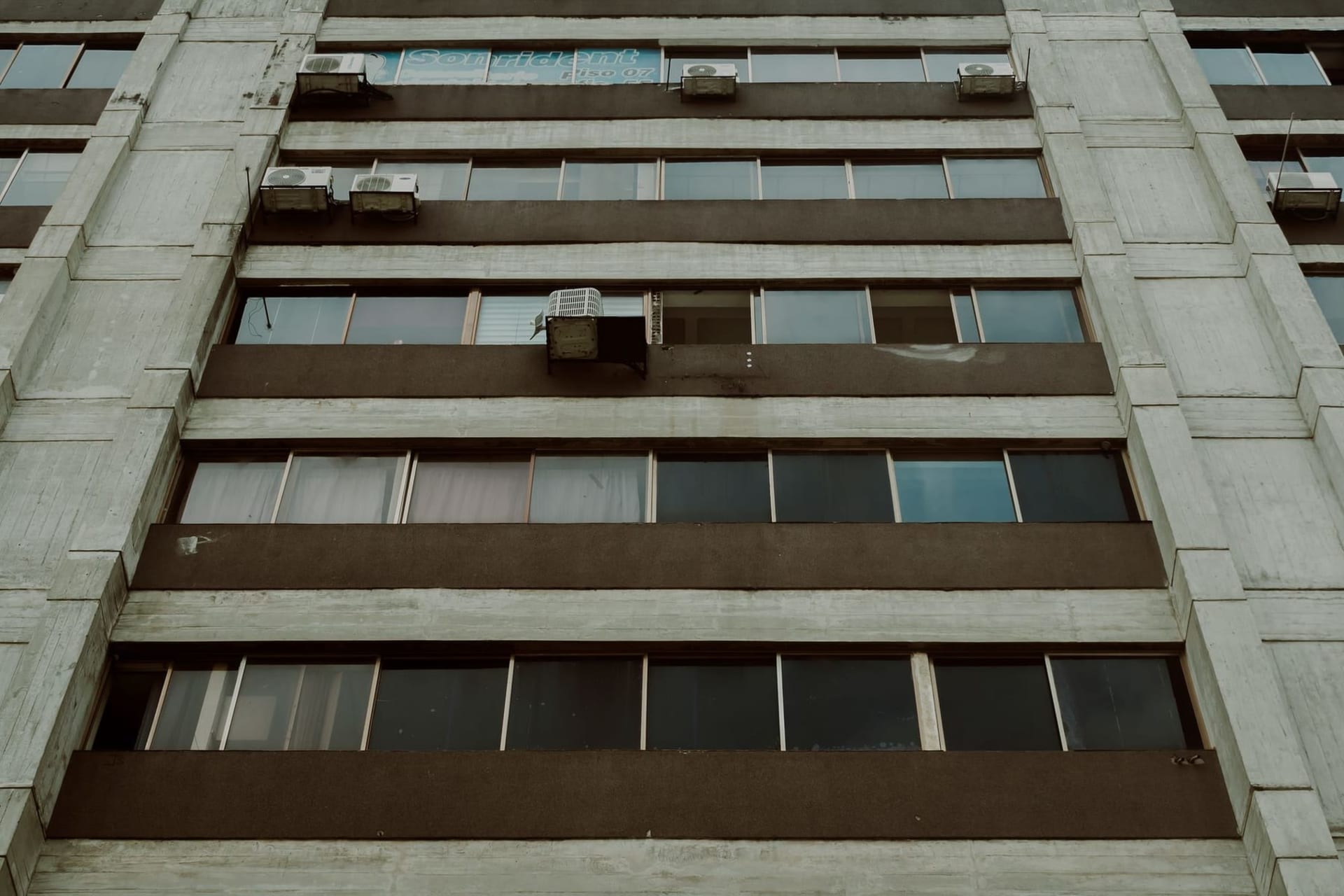
Maracaibo proper surprised me. I had expected a city defined entirely by its weather phenomenon, arranged around it like a shrine. Instead I found a working, sweating, fast-talking city with its own obsessions: the smell of maize and hot oil drifting from the bakeries on Calle 77, the chatter of the Sunday morning market near the old cathedral on Plaza Bolívar, the way every conversation seemed to involve baseball statistics. The colonial center around the Basílica de la Chiquinquirá — La Chinita, as everyone calls her — has a humidity so dense you feel it as texture, a warmth that is not unpleasant so much as total.
The unexpected thing: the lake itself is more beautiful in ordinary daylight than I expected. Oil platforms on the horizon, yes, but also herons, and the long low shadow of the Rafael Urdaneta Bridge pulling your eye toward Cabimas on the far shore. Maracaibo doesn’t ask you to look only at the lightning. It has opinions about the rest of the hours too.
When to go: The Catatumbo lightning peaks between October and November, when the phenomenon is most consistent and the nights longest — arrive in late October if possible, and plan to spend at least two evenings on the lake’s southern shores for unobstructed views.
Keep exploring
More from Venezuela
 venezuela
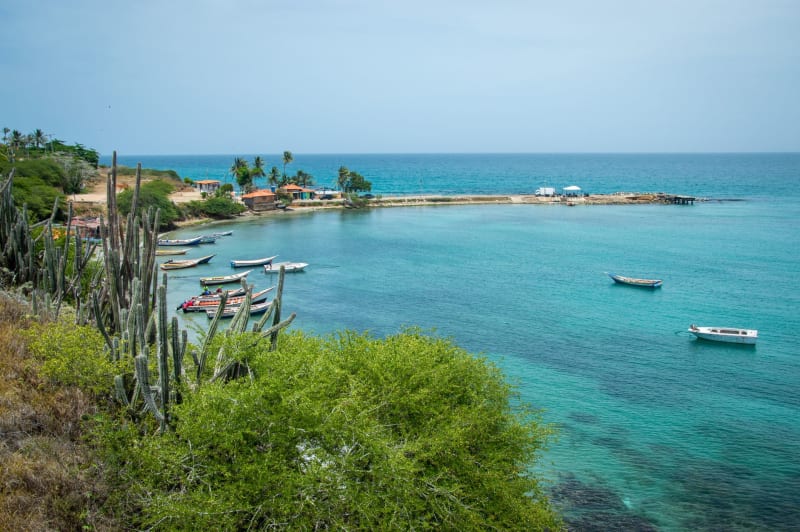
 Margarita Island
Venezuela's largest Caribbean island, historically famous for its pearls and currently famous for its wind, its beaches, and its colonial capital that history forgot to modernize.
Explore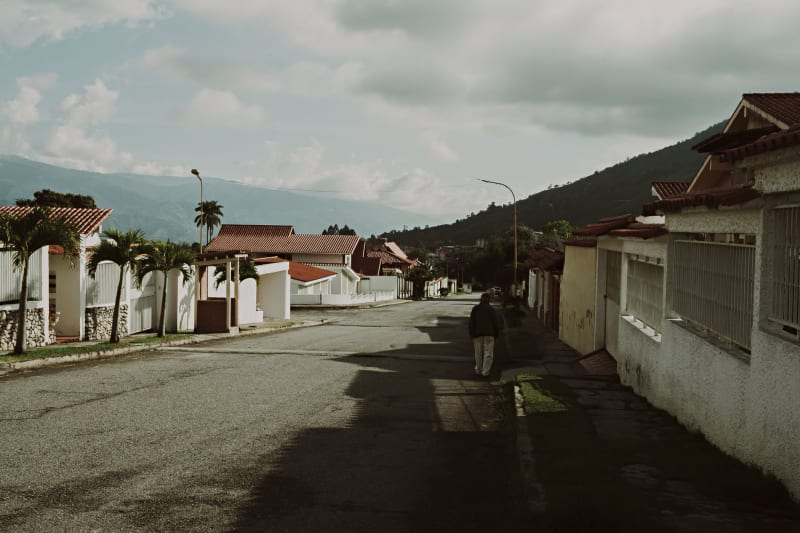 venezuela
 Mérida
A university city folded into the Venezuelan Andes where the air is thin, the helados come in flavors no one asked for but everyone needs, and the páramo begins just above the treeline.
Explore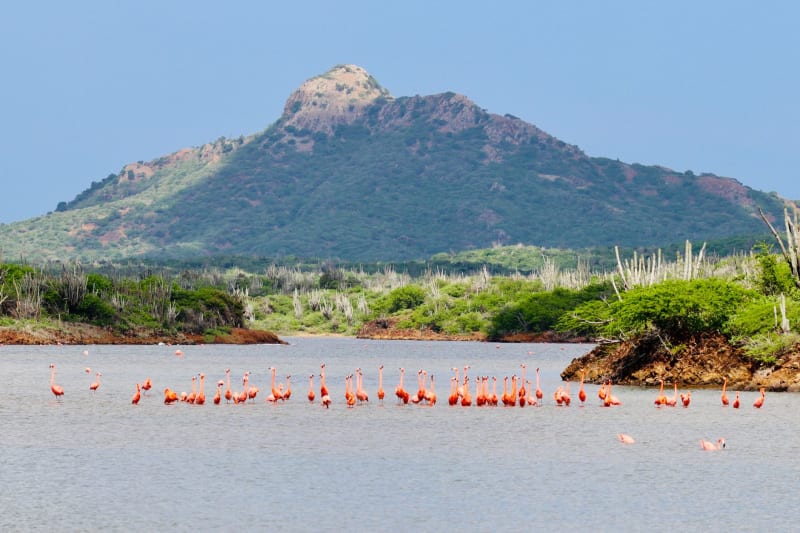 venezuela
 Mochima
A small fishing town on Venezuela's northeastern coast where the road arrives at a bay of turquoise water and stops, as if the highway finally gave up and decided to swim.
Explore venezuela
 Morrocoy
A national park of mangrove channels and coral cays on Venezuela's northwest coast, where flamingos stand in the shallows at dawn and the boat drops you on an empty island with nothing but your lunch and the sound of the sea.
Explore venezuela
 Orinoco Delta
A vast maze of jungle waterways in eastern Venezuela where the Orinoco meets the Atlantic through a thousand braided channels, and the Warao people have lived on stilts above the river for centuries.
Explore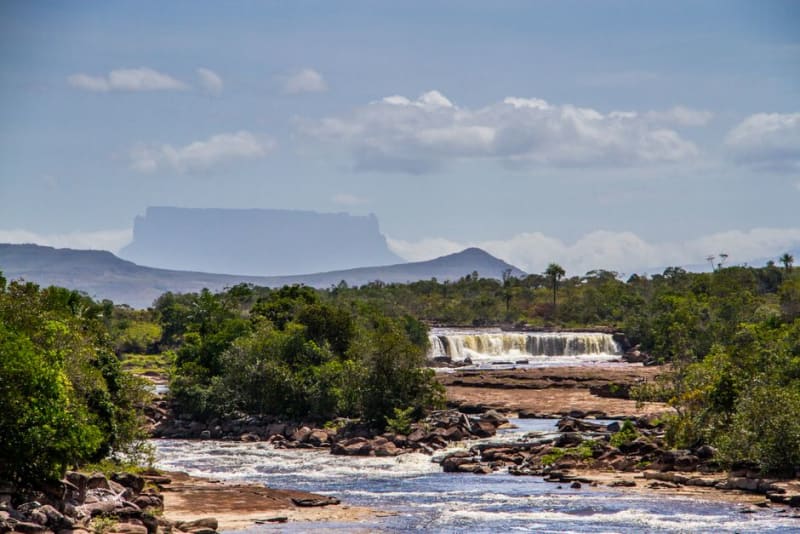 venezuela
 Roraima Tepui
A flat-topped 'lost world' mountain rising sheer above the savanna, its summit shared by Venezuela, Brazil, and Guyana.
Explore