
Coro
"Lia touched the wall of the cathedral and said it felt like the inside of an oven that had been left off for five hundred years."
A whitewashed colonial city of earthen mudbrick houses standing between arid dunes and the Caribbean coast.

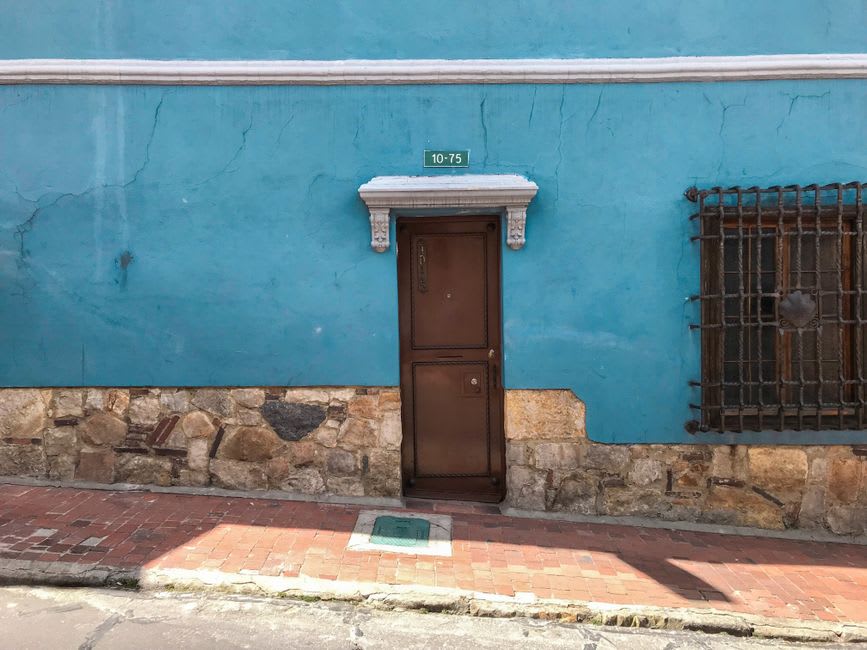
Coro doesn’t look like the rest of Venezuela, and that’s exactly why UNESCO put it on the list back in 1993. Founded in 1527, it’s one of the oldest surviving Spanish settlements on the continent, and the historic center is still built almost entirely from tapia and bahareque, mud and clay walls a foot thick that keep the houses cool even when the sun outside is doing its worst. We wandered Calle Zamora for an entire afternoon just looking at doorways, because that’s apparently the local specialty, elaborately carved wooden doors on houses that otherwise present nothing but a flat white wall to the street.
What surprised me was how empty it felt for a UNESCO site, no lines, no ticket booths, just a few old men playing dominoes in the shade of the Balcón de los Arcaya and a woman selling cheese arepas from a cart outside the Casa del Sol. The cathedral, one of the oldest in Venezuela, has this squat, fortress-like solidity to it that I found more moving than the ornate churches I’d seen in Mexico, less about impressing God and more about simply surviving centuries of heat and the odd hurricane.
The real surprise came the next morning, when we drove twenty minutes north and the colonial city just stopped and the Médanos de Coro began, a sea of pale sand dunes that shouldn’t logically exist this close to the Caribbean. We climbed one at sunrise before the heat made it unbearable, and from the top you can see ocean on one side and city rooftops on the other, which is a disorienting thing to process before coffee. The wind had erased our footprints from the climb up by the time we turned around, which Lia found unreasonably delightful.
Back in town we ate at a little place near the Plaza San Clemente, goat stew that the owner insisted was the only correct way to eat in Coro, and I believed her, because everyone we asked recommended the same three dishes with the same absolute conviction. There’s a directness to Coro that I liked, a city that isn’t performing colonial charm for visitors so much as just continuing to be what it’s always been, adobe walls and all, mostly indifferent to whether anyone notices.

We only planned one night and stayed two, which seems to be the standard story everyone tells about Coro. It’s not a place that overwhelms you with things to do, it’s a place that rewards walking slowly and looking up at doorframes, and honestly after the intensity of Angel Falls and Roraima earlier that trip, slow was exactly what we needed.
When to go: Visit between December and April, when temperatures are more forgiving and the dune crossing at Los Médanos doesn’t feel like a punishment.
Keep exploring
More from Venezuela
 venezuela
 Gran Sabana
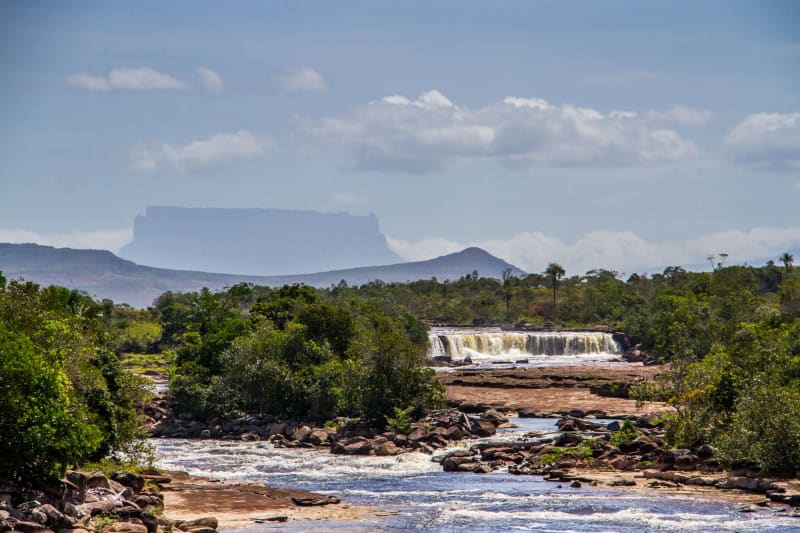
A high plateau in southeastern Venezuela where flat-topped tepuis rise from open savanna like islands above a sea of grass, and waterfalls fall so far they turn to mist before they land.
Explore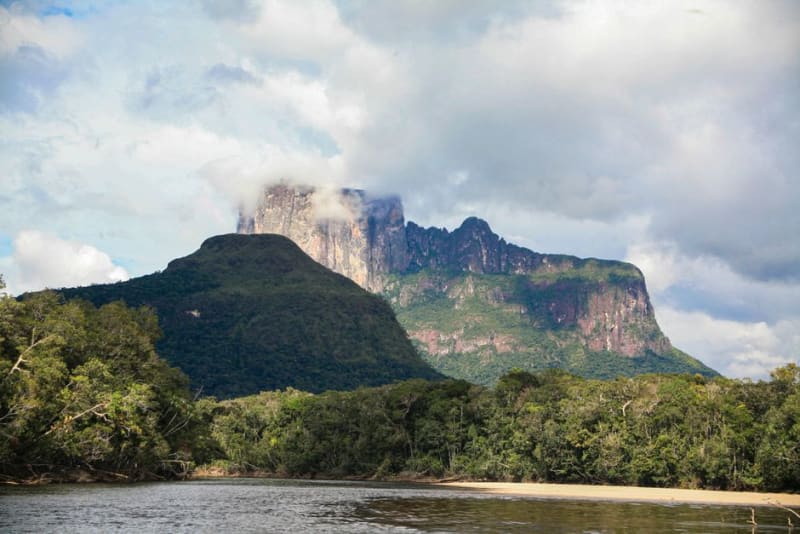 venezuela
 Henri Pittier
Venezuela's oldest national park, where cloud forest tumbles from Andean ridges straight down to Caribbean beaches.
Explore venezuela
 Los Llanos
A vast tropical grassland the size of France stretching across central Venezuela, where anacondas, capybaras, and giant anteaters move through flooded savannas with the unhurried confidence of animals that have no real predators.
Explore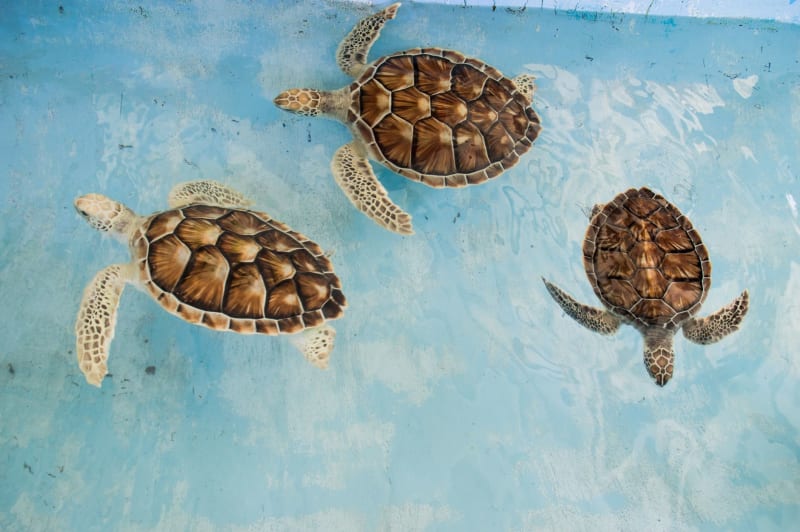 venezuela
 Los Roques
A scattered Caribbean atoll of impossible turquoise water and bone-white sand, accessible only by small plane and completely uninterested in hurrying you along.
Explore venezuela
 Maracaibo
The lightning capital of Earth, where Catatumbo lightning storms flash over the lake up to 280 nights per year.
Explore venezuela
 Margarita Island
Venezuela's largest Caribbean island, historically famous for its pearls and currently famous for its wind, its beaches, and its colonial capital that history forgot to modernize.
Explore