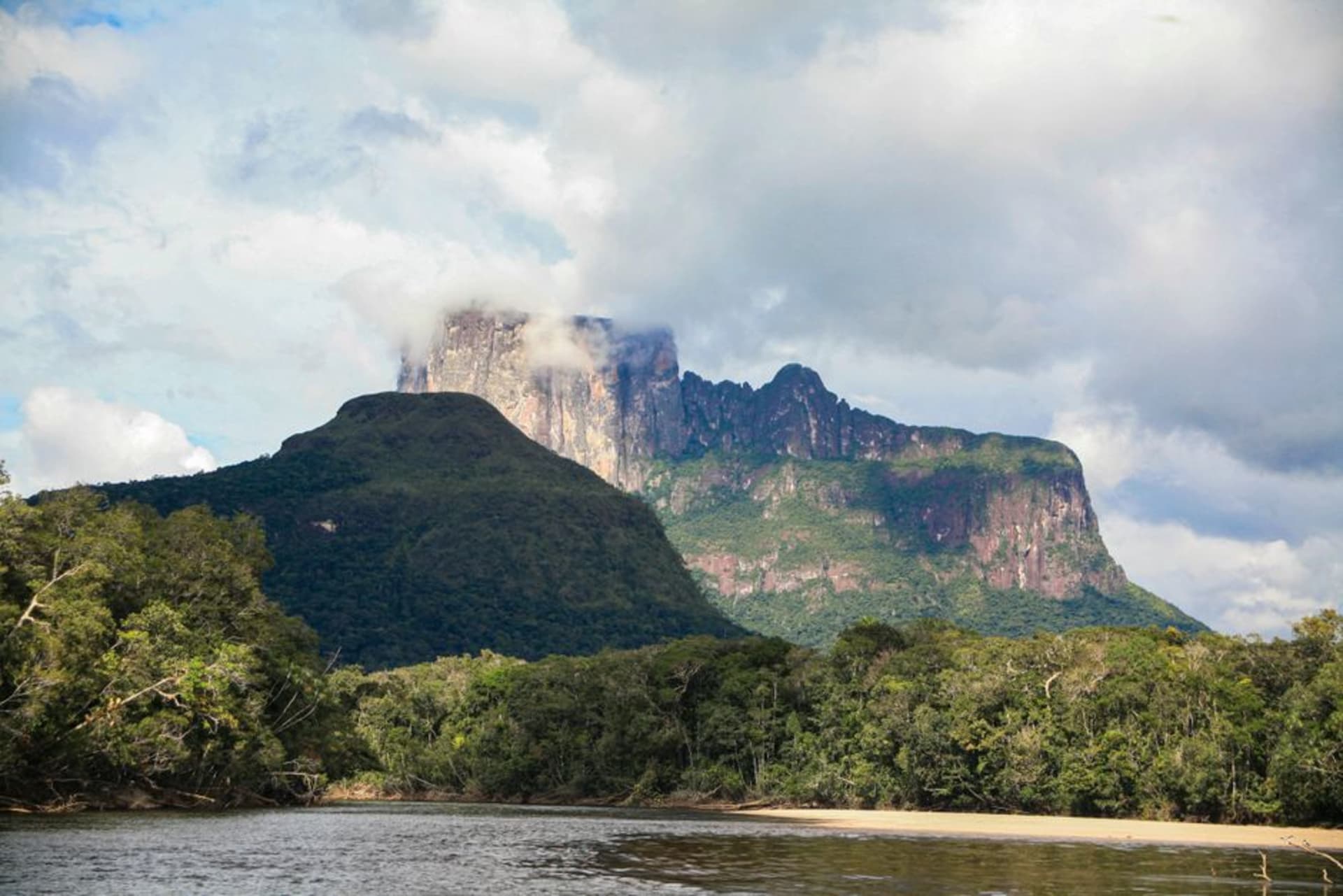
Henri Pittier
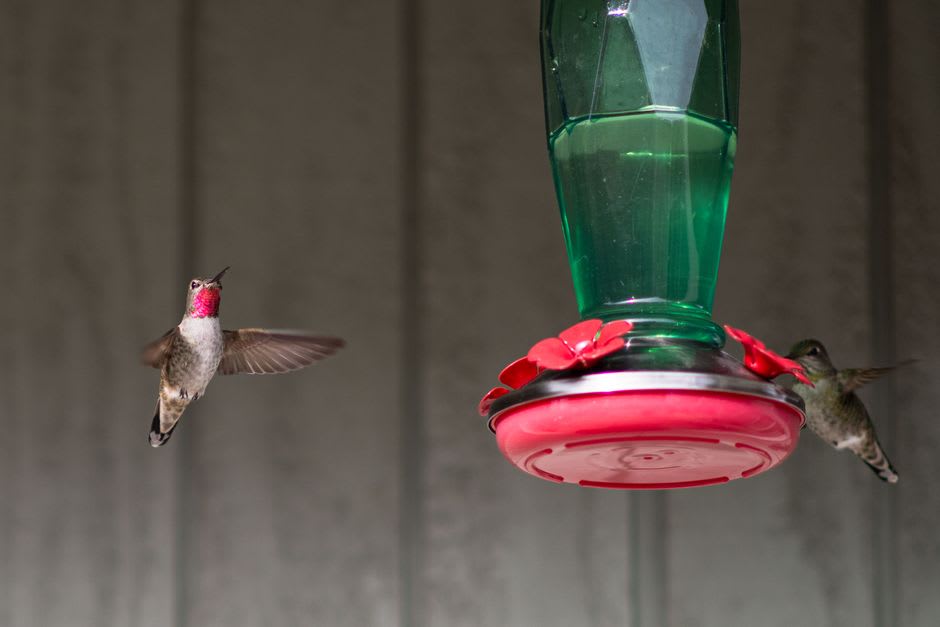
"We counted hummingbirds instead of talking for a solid hour at Rancho Grande, which is not something I ever thought I'd do with Lia."
Venezuela's oldest national park, where cloud forest tumbles from Andean ridges straight down to Caribbean beaches.

Henri Pittier became Venezuela’s first national park back in 1937, and driving the old road through it, the one connecting Maracay to the coastal town of Choroní, you understand immediately why someone decided this particular strip of mountain deserved protecting before almost anywhere else. In under an hour you drop from cool, mist-wrapped cloud forest at over a thousand meters to hot Caribbean coastline, and the vegetation changes so completely along the way that it feels like driving through three different countries stitched together.
We stopped at the Rancho Grande biological station, a research building from the 1950s that looks half-abandoned but is apparently still one of the best birdwatching spots in South America, and I say this as someone who came into that day with zero interest in birds. A guide named Freddy set up outside with binoculars and just started calling out names, violet-fronted brilliant, green-crowned woodnymph, sparkling ones I couldn’t keep straight, and within twenty minutes Lia had stopped checking her phone entirely, which for her is a genuine event.
The road down to Choroní is the part nobody prepares you for, a narrow two-lane switchback with cloud forest pressing in from both sides and views that open up suddenly between curves to show the coast far below, still hazy and distant. We drove it slowly, windows down, and the temperature climbed a few degrees with every bend until by the time we reached sea level we’d swapped jackets for t-shirts stuck to our backs. Locals coming the other way honked at blind curves out of habit, a system that apparently works because everyone does it.
Choroní and Puerto Colombia at the bottom felt like an entirely different park, black sand beaches, colonial houses painted in colors that had clearly faded and been repainted many times over, fishermen hauling nets in the late afternoon while kids swam past them without a second thought. We ate fried fish at a plastic table steps from the water and watched pelicans dive-bomb the same stretch of sea the fishermen had just left, an efficient little ecosystem nobody seemed to be managing on purpose.

What I keep thinking about is how compressed the whole park feels, cloud forest and Caribbean coast within an hour of driving, a scale that shouldn’t work but does. It’s the kind of place that rewards not rushing the middle section just to get to the beach, because the middle section, all mist and hummingbirds and switchbacks, turned out to be the part I remember most clearly.
When to go: Visit in the dry season, roughly December through April, when the mountain road is safest to drive and the coastal towns aren’t waterlogged by afternoon storms.
Keep exploring
More from Venezuela
 venezuela
 Los Llanos
A vast tropical grassland the size of France stretching across central Venezuela, where anacondas, capybaras, and giant anteaters move through flooded savannas with the unhurried confidence of animals that have no real predators.
Explore venezuela
 Los Roques
A scattered Caribbean atoll of impossible turquoise water and bone-white sand, accessible only by small plane and completely uninterested in hurrying you along.
Explore venezuela
 Maracaibo
The lightning capital of Earth, where Catatumbo lightning storms flash over the lake up to 280 nights per year.
Explore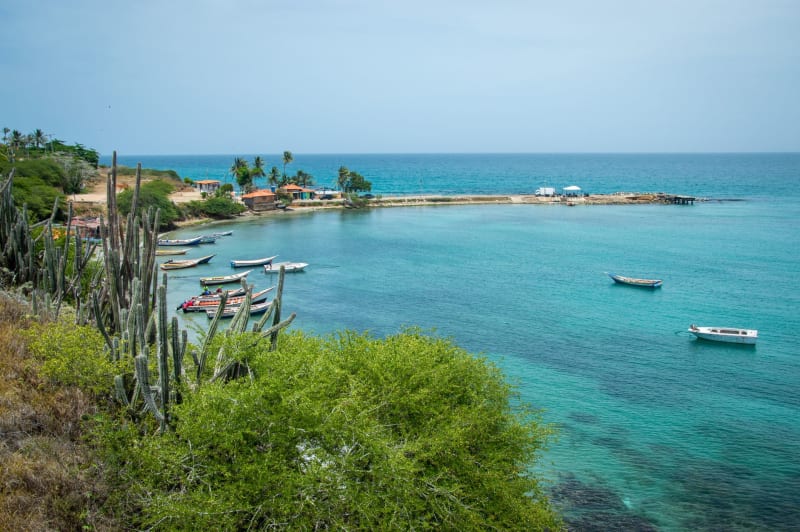 venezuela
 Margarita Island
Venezuela's largest Caribbean island, historically famous for its pearls and currently famous for its wind, its beaches, and its colonial capital that history forgot to modernize.
Explore venezuela
 Mérida
A university city folded into the Venezuelan Andes where the air is thin, the helados come in flavors no one asked for but everyone needs, and the páramo begins just above the treeline.
Explore venezuela
 Mochima
A small fishing town on Venezuela's northeastern coast where the road arrives at a bay of turquoise water and stops, as if the highway finally gave up and decided to swim.
Explore