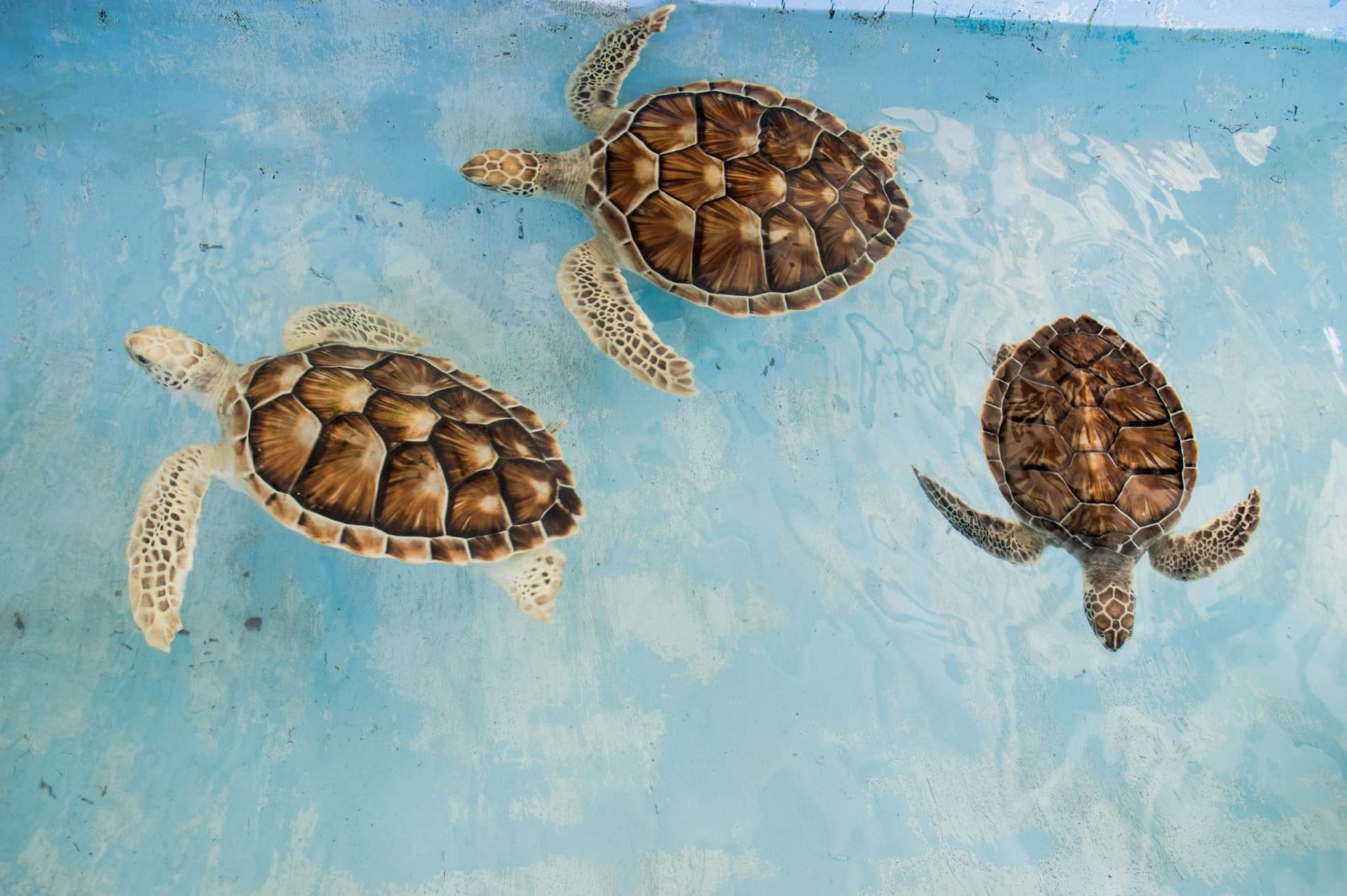
Los Roques
"From above, it looked like someone had dropped a handful of coins into an ink-blue sea."
A scattered Caribbean atoll of impossible turquoise water and bone-white sand, accessible only by small plane and completely uninterested in hurrying you along.

The flight in sets the tone. Twenty minutes from Caracas in a twelve-seat prop plane, the pilot banking low enough that you can see the reef structure through the water below — dark coral heads in pale aquamarine, like a topographic map drawn in color rather than contour lines. I pressed my face against the scratched oval window and felt immediately underprepared for what I was about to see.
Los Roques is an archipelago of roughly fifty islands and three hundred cays strung across a protected national park about 170 kilometers north of the Venezuelan coast. Gran Roque, the main island, has one actual road (unpaved, brief), a handful of posadas run by Italian families who arrived decades ago and never left, and a social life centered on the dock where fishermen unload conch at five in the morning.
The Water Does Things to You
There’s a specific shade of Caribbean water that travel photographers have tried to capture and largely failed. Los Roques has it — that blue-green translucency where you can see your shadow on the sandy bottom in three meters of water. Crasqui, Francisquí, Madrizquí: the cays each have a slightly different personality, but the water is always the same aberrant color. Lia spent a full afternoon snorkeling the windward side of Crasquí without coming up for anything other than air and the occasional announcement that she’d found another parrotfish.
The reef is in better shape than most Caribbean coral I’ve seen — fewer boats, less runoff, a park system that, whatever its funding problems, has kept mass tourism from arriving. You swim with the queenfish and the barracuda and feel briefly outside of time.
Life on Gran Roque
The village is not picturesque so much as functional, which I find more interesting. Colorful but faded, the posadas sharing walls with houses where local families have lived for generations. The Italian owners serve pasta alongside pabellón criollo without anyone finding this strange. Breakfast arrives in the form of arepas and café negro strong enough to make your hands vibrate slightly.
In the evening, everyone converges on the small plaza where someone reliably has a speaker going. The wind is constant here — it comes off the open Atlantic and doesn’t stop — and by mid-afternoon it picks up enough that the kitesurfers appear in the channel between Gran Roque and the reef, working the gusts with the focused pleasure of people who came specifically for this.
Getting Out to the Cays
You hire a boat in the morning, negotiate a pickup time, and spend the day island-hopping. The boatmen know the tides and the channels; the boats are small and fast and occasionally alarming in the chop. You bring your lunch because there is nothing else to bring it. On Madrizquí, I found a hammock strung between two palms at the waterline and made a significant life decision to spend three hours in it doing absolutely nothing.
The conch ceviche they sell from coolers at some of the cays is the best thing I ate in Venezuela — the flesh still slightly chewy, lime-bright, with the red bite of ají dulce.
When to go: December through April is dry season and the preferred window — lower humidity, reliable sun, calmer seas. May through November brings more rain and rougher crossings to the outer cays. Book posadas well ahead for peak weeks (Christmas, Carnival, Semana Santa), when availability collapses entirely. Avoid visiting during school holiday peaks if you want the cays to yourself.
Keep exploring
More from Venezuela
 venezuela
 Maracaibo
The lightning capital of Earth, where Catatumbo lightning storms flash over the lake up to 280 nights per year.
Explore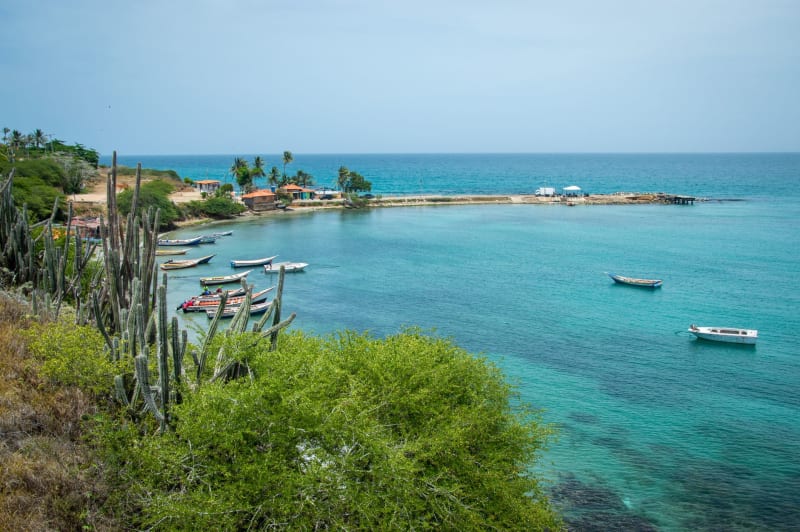 venezuela
 Margarita Island
Venezuela's largest Caribbean island, historically famous for its pearls and currently famous for its wind, its beaches, and its colonial capital that history forgot to modernize.
Explore venezuela
 Mérida
A university city folded into the Venezuelan Andes where the air is thin, the helados come in flavors no one asked for but everyone needs, and the páramo begins just above the treeline.
Explore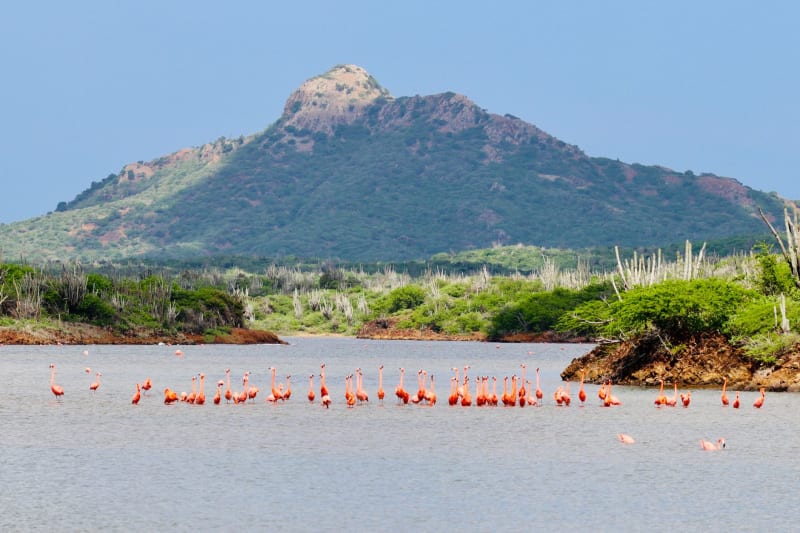 venezuela
 Mochima
A small fishing town on Venezuela's northeastern coast where the road arrives at a bay of turquoise water and stops, as if the highway finally gave up and decided to swim.
Explore venezuela
 Morrocoy
A national park of mangrove channels and coral cays on Venezuela's northwest coast, where flamingos stand in the shallows at dawn and the boat drops you on an empty island with nothing but your lunch and the sound of the sea.
Explore venezuela
 Orinoco Delta
A vast maze of jungle waterways in eastern Venezuela where the Orinoco meets the Atlantic through a thousand braided channels, and the Warao people have lived on stilts above the river for centuries.
Explore