
Concón
"Lia said we came for the dunes and stayed for the empanadas, and she was not wrong."
A coastal town north of Viña del Mar where giant dunes spill toward the sea and the empanadas are a regional religion.

Concón gets skipped. Most people barrel up the coast road from Viña del Mar heading for somewhere with a bigger reputation, and the town slides past the window — a refinery on the headland, a stretch of restaurants, those enormous dunes piled against the hillside like the desert took a wrong turn and ended up at the sea. We pulled over almost by accident, and ended up giving it the better part of two days.
The famous thing here, and the thing that surprised me, is the dune field right in the middle of town. Las Dunas de Concón is a protected sandscape sitting directly above the houses, a genuine fragment of mobile dune that somehow survived the apartment towers crowding in on every side. You climb up off a residential street, and suddenly you’re knee-deep in soft sand with the whole bay laid out below.
The Dunes Above the Town
We went up in the late afternoon, which I’d recommend to anyone — the light comes in low and sideways and the sand goes the colour of a ripe apricot. People sandboard the steeper faces; a teenager near us was doing it on what looked like a stolen cafeteria tray, with more commitment than technique. Lia, sensibly, declined.

What I didn’t expect was how quiet it got up there. A hundred metres from a busy avenue and you can hear the wind reshaping the dune grain by grain. We sat until the sun dropped into the Pacific, watched the lights of Viña come on down the coast, and got sand in places I’m still finding.
La Boca and the Empanada Question
Concón’s other claim, loudly advertised on banners all over town, is to be the empanada capital of Chile. This is the kind of statement that invites argument, and Chileans will give it to you. The cluster of stalls and restaurants around the river mouth — La Boca — sells dozens of varieties, and I committed myself to research.
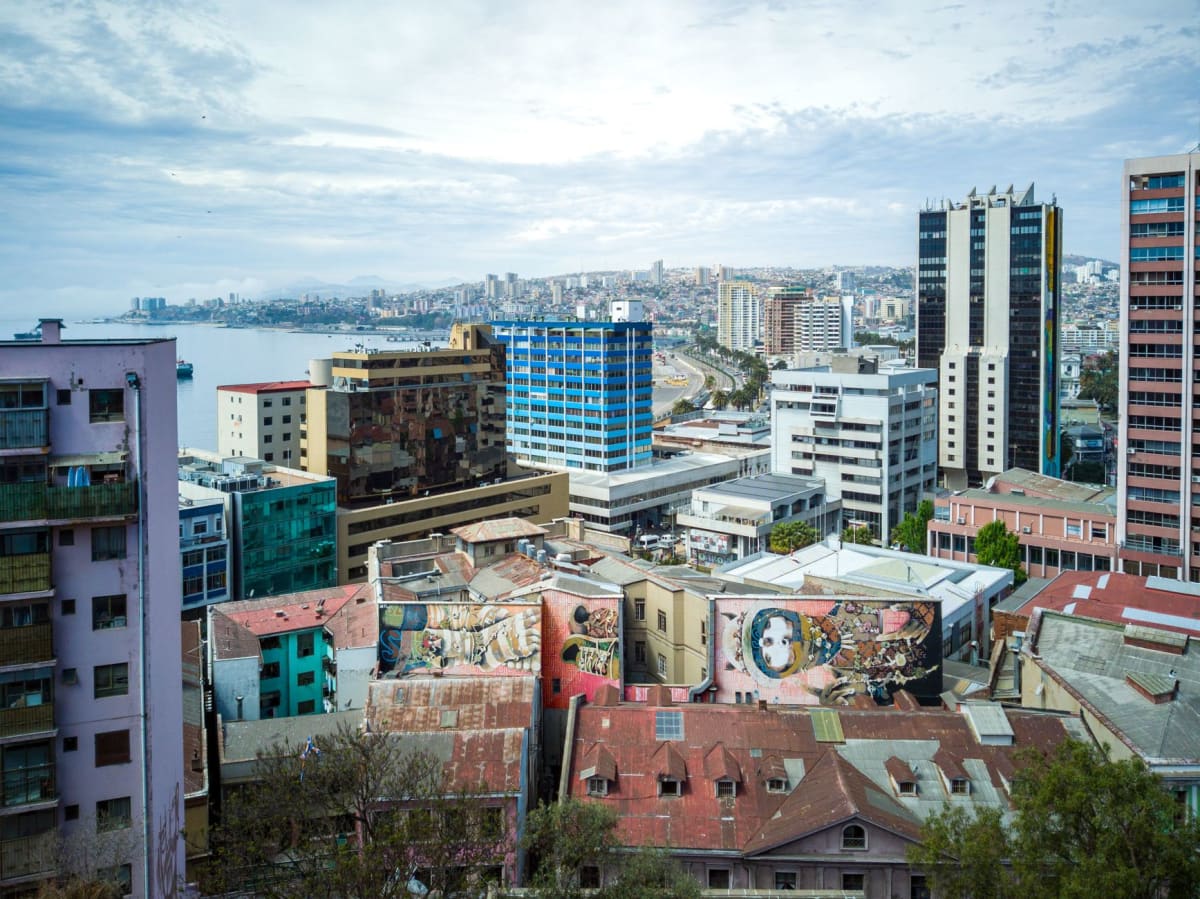
The local specialty is seafood — machas, locos, a shrimp-and-cheese number that should not work and absolutely does. I ate one straight from the oven, burned the roof of my mouth in the time-honoured way, and ordered a second immediately. Wash it down with a glass of Casablanca Valley white from just inland, watch the pelicans dive-bomb the fishing boats, and you have a lunch that justifies the whole detour.
Rocks, Sea Lions, and Slowness
The coastline south of the river is a string of rocky points and small caletas where fishermen still land their boats. We walked a good stretch of it, scrambling over the rocks at low tide, finding pools full of the small dramas of crabs and anemones. Out on the offshore rocks a colony of sea lions kept up a constant argument that carried clear across the water.
It is not a dramatic place, exactly. It’s a comfortable one — a town that lives its own life and lets you sit at the edge of it. After the steepness and theatre of Valparaíso just down the coast, Concón felt like exhaling.
When to go: December to March for warm, settled weather. The coast is often grey and cool with morning camanchaca fog the rest of the year, which has its own moody appeal but is less kind to the dunes.
Keep exploring
More from Valparaíso
 valparaiso-region
Horcon
A former whaling village on the northern coast that traded harpoons for handicraft stalls and became Chile's most unhurried bohemian hideout.
Explore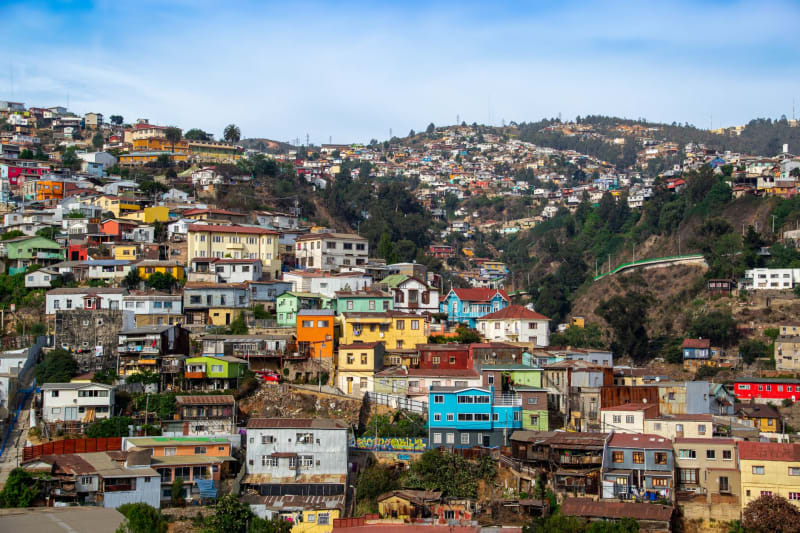 valparaiso-region
Isla Negra
Pablo Neruda's coastal house, built into a headland above the Pacific, where the poet collected ships' figureheads and carousel horses and managed to make obsession look like curation.
Explore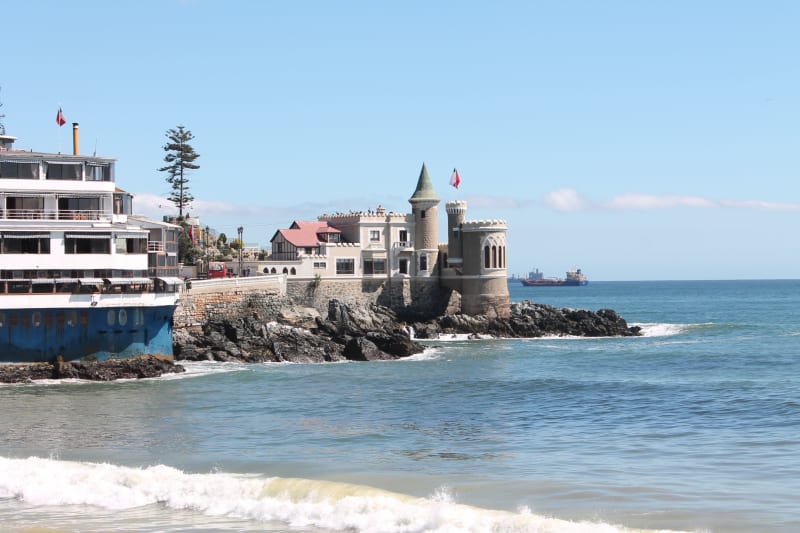 valparaiso-region
La Campana National Park
A national park in the coastal range where Darwin walked in 1834 and where the last large stands of Chilean wine palm still survive between the rocky peaks.
Explore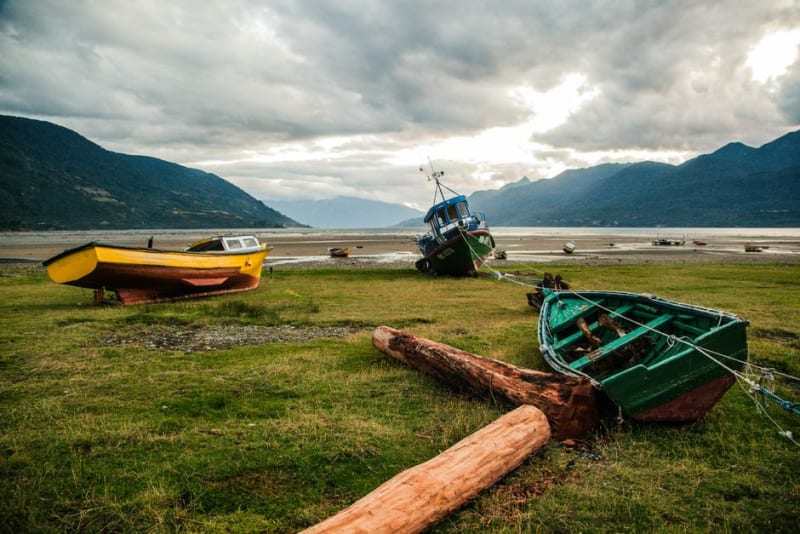 valparaiso-region
Laguna Verde
A sleepy fishing cove south of Valparaiso wrapped around a jade-green bay, where the boats outnumber the tourists by a wide margin.
Explore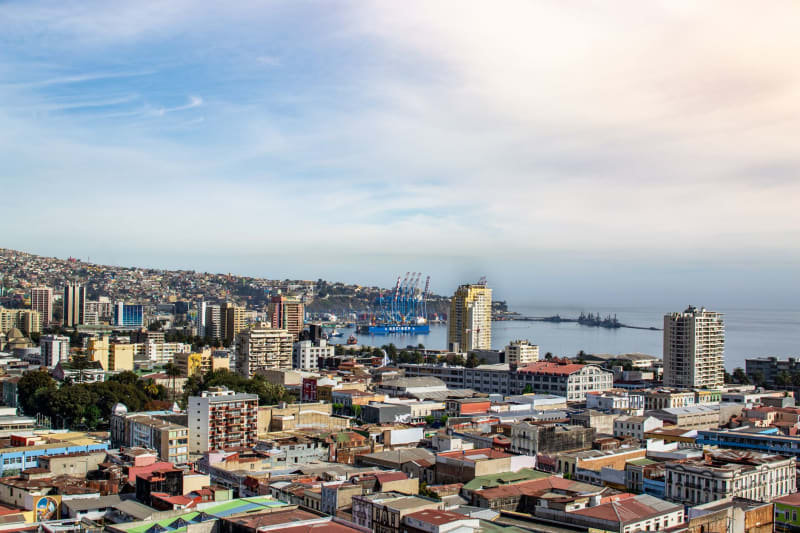 valparaiso-region
Los Andes
A colonial city at the foot of the Andes where the Cristo Redentor road begins and the mountains fill every north-facing window with the weight of altitude.
Explore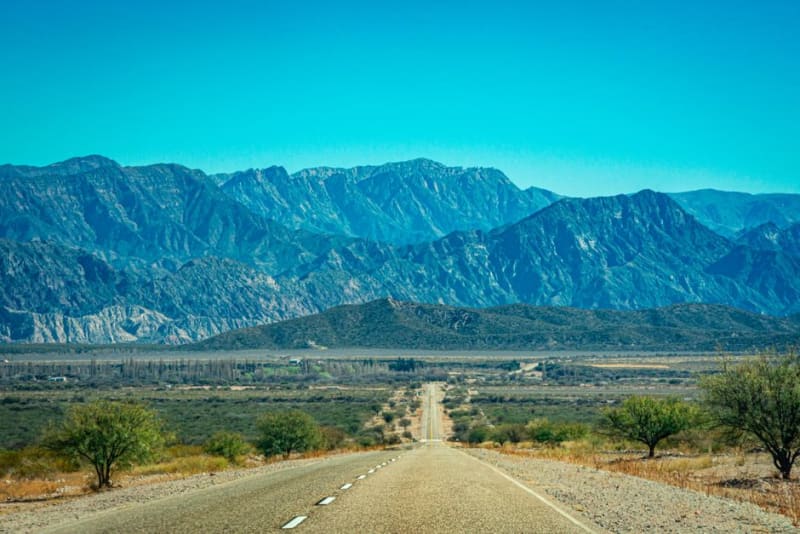 valparaiso-region
Olmue
A quiet valley town at the base of La Campana where hikers refuel before the climb and everyone else just comes to slow down at a spa.
Explore