Laguna Verde
"We had the whole cove to ourselves except for a fisherman untangling his net, and nobody said a word for twenty minutes."
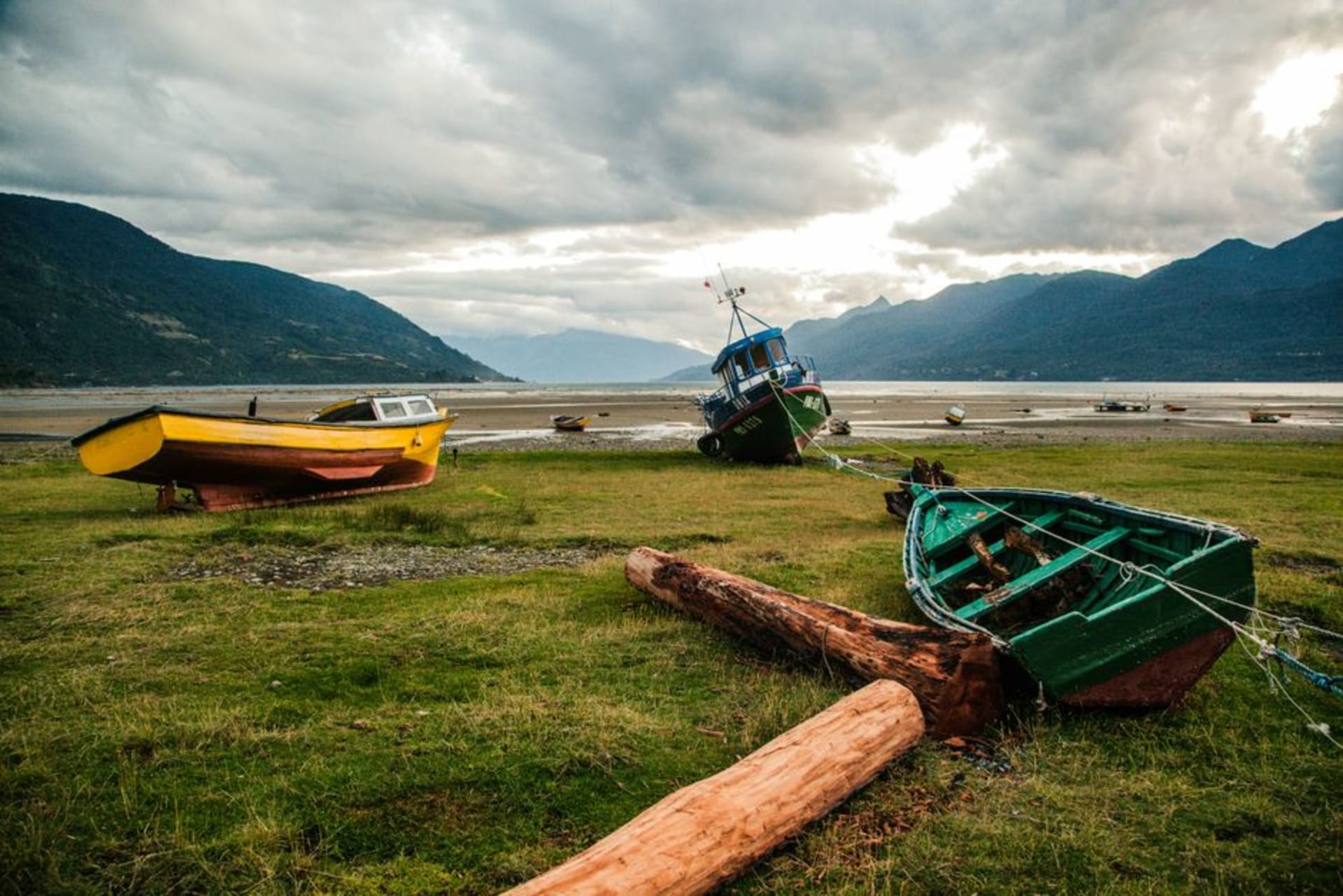
A sleepy fishing cove south of Valparaiso wrapped around a jade-green bay, where the boats outnumber the tourists by a wide margin.

Laguna Verde is maybe fifteen kilometers south of Valparaiso as the gull flies, but it feels like a different decade. We drove down a coastal road that gets rougher the further you go, past scrubby hills and the occasional grazing horse, until the bay opens up and you understand the name immediately. The water really is a jade green, something to do with the minerals or the algae or the way the light hits the shelter of the cove, and it sits there almost unnaturally still compared to the open Pacific just around the point.
It’s a working fishing village first and a destination second, which I mean as a compliment. There’s no boardwalk, no row of matching restaurants angling for your business. Just a cluster of houses, a handful of small boats bobbing at anchor, and men mending nets on the rocks in the late morning the way they probably have for generations. We bought a kilo of fresh congrio directly off a boat for less than a mediocre lunch would’ve cost us in Valparaiso, and grilled it that night over a fire we weren’t entirely sure we were allowed to build.

There’s also, oddly, an air force base nearby with a small aviation museum, which threw me the first time I saw a military jet parked near what is otherwise the quietest possible stretch of coastline. Lia found it funny that Chile put a fighter jet display next to a place this sleepy. We didn’t go in, honestly, we were more interested in the tide pools scattered along the rocks, thick with anemones and the occasional stranded crab that Lia insisted on rescuing back into a pool.
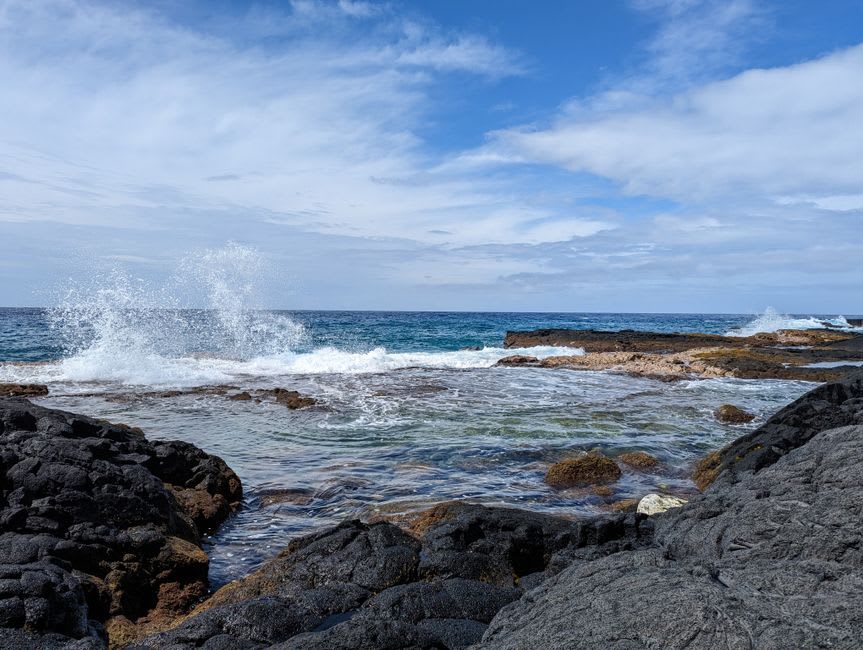
What I keep coming back to is the quiet. No cruise ship crowds bleeding down from Valparaiso, no influencer setups on the rocks, just the sound of water in the cove and someone’s radio playing cumbia faintly from a house up the hill. It’s the kind of place that reminds you the region isn’t only murals and funiculars.
When to go: Visit on a clear weekday, ideally in late spring or early autumn, when the water is calmest and you’ll likely have long stretches of the shore to yourself.
Keep exploring
More from Valparaíso
 valparaiso-region
Los Andes
A colonial city at the foot of the Andes where the Cristo Redentor road begins and the mountains fill every north-facing window with the weight of altitude.
Explore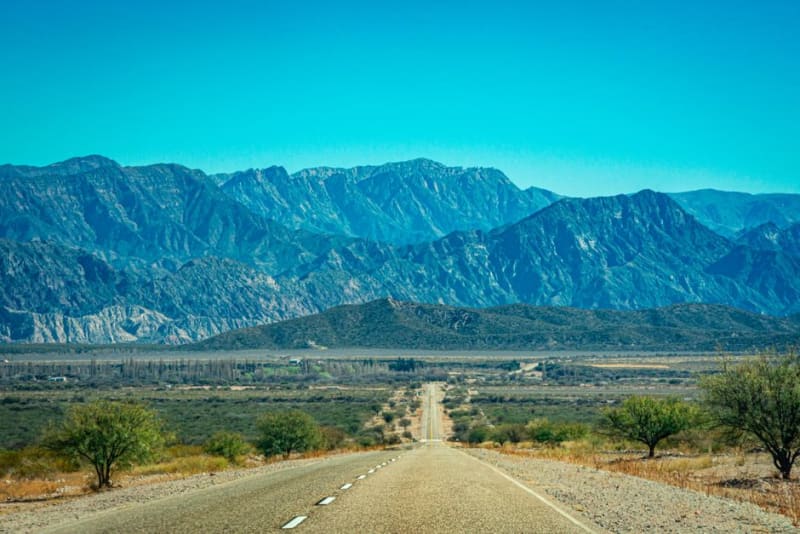 valparaiso-region
Olmue
A quiet valley town at the base of La Campana where hikers refuel before the climb and everyone else just comes to slow down at a spa.
Explore valparaiso-region
Papudo
A small coastal town at the northern edge of the Valparaíso region where the beaches are long and uncrowded and the architecture still remembers the early twentieth century.
Explore valparaiso-region
Portillo
A high-altitude ski resort perched beside a frozen Andean lake on the Chilean side of the pass to Argentina, where the season is short and the scenery is operatic year-round.
Explore valparaiso-region
Quintay
A former industrial whaling station turned quiet fishing village where the bones of the old furnaces rust above a cove of extraordinary clarity.
Explore valparaiso-region
Renaca
A high-rise beach strip north of Vina del Mar where Santiago comes to sunbathe, all wide sand and questionable seafood shacks.
Explore