
Horcon
"An old fisherman told me this cove used to run red with whale blood, and then sold me a bracelet made of shells."
A former whaling village on the northern coast that traded harpoons for handicraft stalls and became Chile's most unhurried bohemian hideout.

Horcon has this split personality that took me a whole afternoon to reconcile. Up until the 1950s it was a whaling station, and you can still see the bones of that history if you look, the old processing sheds, the harpoon displayed almost apologetically near the entrance to town, an elderly man who told us over empanadas that his grandfather worked the boats. Then in the sixties and seventies, artists and hippies started drifting in, drawn by the cheap rent and the cliffs, and the whole place quietly rewired itself into a crafts town.
Now the main street down to the cove is lined with stalls selling woven bags, lapis lazuli jewelry, hand-thrown ceramics, and enough dreamcatchers to make you wonder if you’d wandered into a different country. I found it charming rather than kitschy, mostly because it doesn’t feel performed. The vendors seem to actually live here, actually make the stuff, actually not care that much whether you buy it. We bought a small ceramic bowl from a woman who was more interested in telling us about her dog than closing the sale.

The cove itself is small and packed with brightly painted fishing boats that somehow still work the water every morning despite the tourist traffic overhead. We walked the cliff path north of town toward Cau Cau beach, past little seafood shacks perched right on the rocks, and stopped at one where a woman was frying empanadas de mariscos in a pan that looked older than me. Best five dollars I spent in the region, easily.

What I liked most, honestly, was how unbothered it all felt. Horcon doesn’t seem to be trying to become the next big coastal town. It’s got its rhythm, tourists in summer, quiet the rest of the year, fishermen who go out regardless. Lia said it reminded her of towns on the French Atlantic coast before everyone discovered them, and I think that’s about right.
When to go: Come on a weekday outside of January and February, when the crowds thin and you can actually hear the waves over the tourists.
Keep exploring
More from Valparaíso
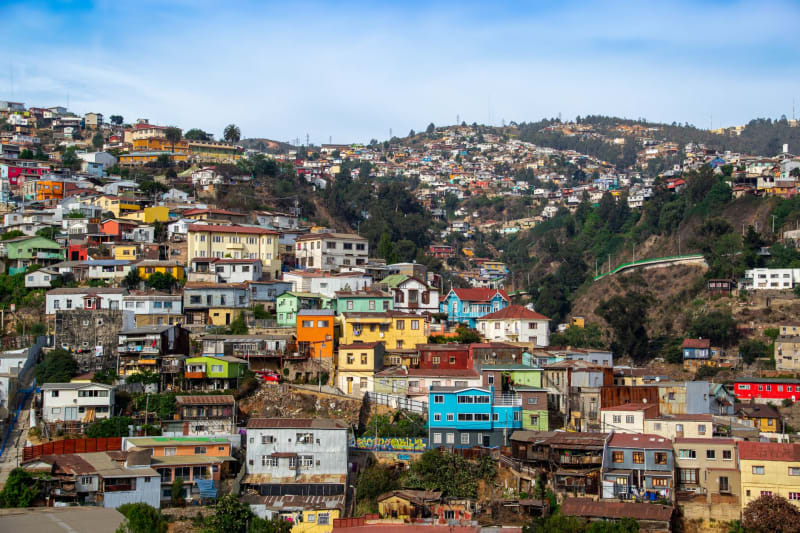 valparaiso-region
Isla Negra
Pablo Neruda's coastal house, built into a headland above the Pacific, where the poet collected ships' figureheads and carousel horses and managed to make obsession look like curation.
Explore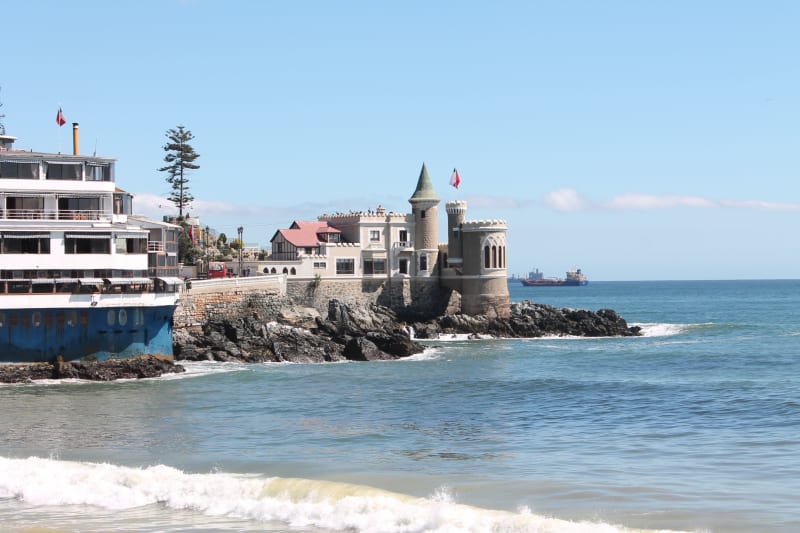 valparaiso-region
La Campana National Park
A national park in the coastal range where Darwin walked in 1834 and where the last large stands of Chilean wine palm still survive between the rocky peaks.
Explore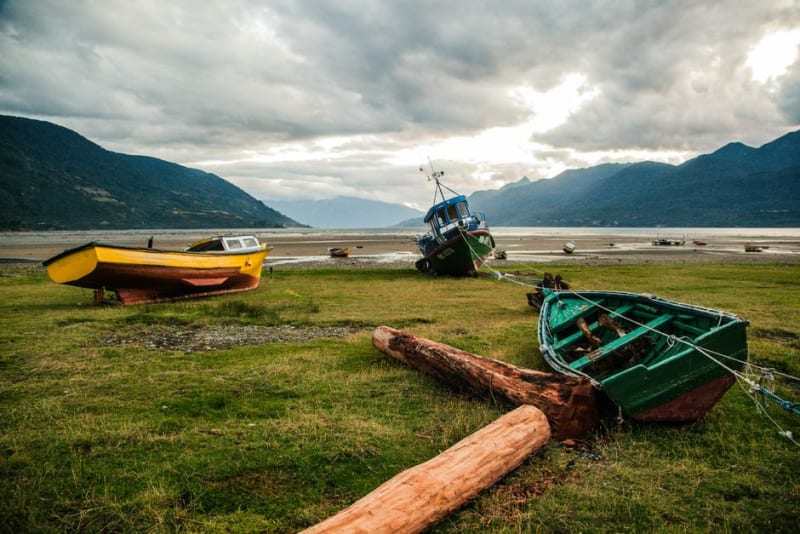 valparaiso-region
Laguna Verde
A sleepy fishing cove south of Valparaiso wrapped around a jade-green bay, where the boats outnumber the tourists by a wide margin.
Explore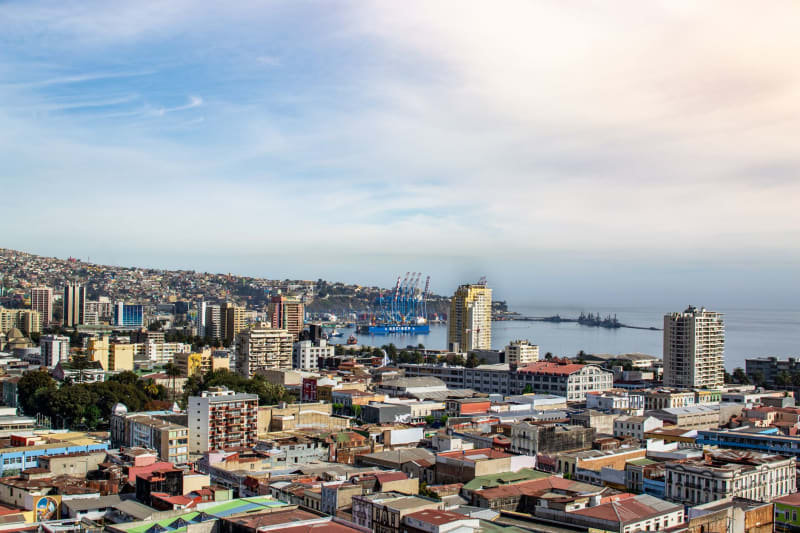 valparaiso-region
Los Andes
A colonial city at the foot of the Andes where the Cristo Redentor road begins and the mountains fill every north-facing window with the weight of altitude.
Explore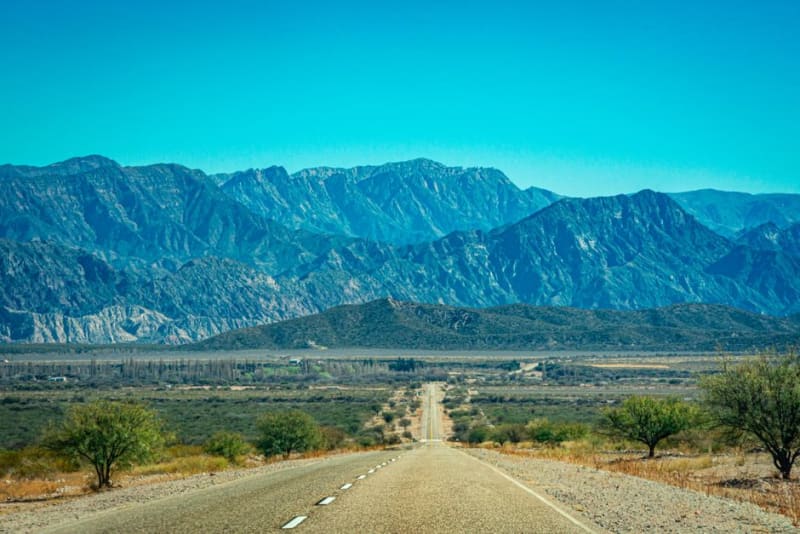 valparaiso-region
Olmue
A quiet valley town at the base of La Campana where hikers refuel before the climb and everyone else just comes to slow down at a spa.
Explore valparaiso-region
Papudo
A small coastal town at the northern edge of the Valparaíso region where the beaches are long and uncrowded and the architecture still remembers the early twentieth century.
Explore