Americas
Uruguay
"Uruguay doesn't try to impress you, and somehow that's what impresses you most."
The smallest country in the Southern Cone is also its most quietly radical — a secular, literate democracy where the beach towns stay empty and the beef is nearly as serious as the silence.
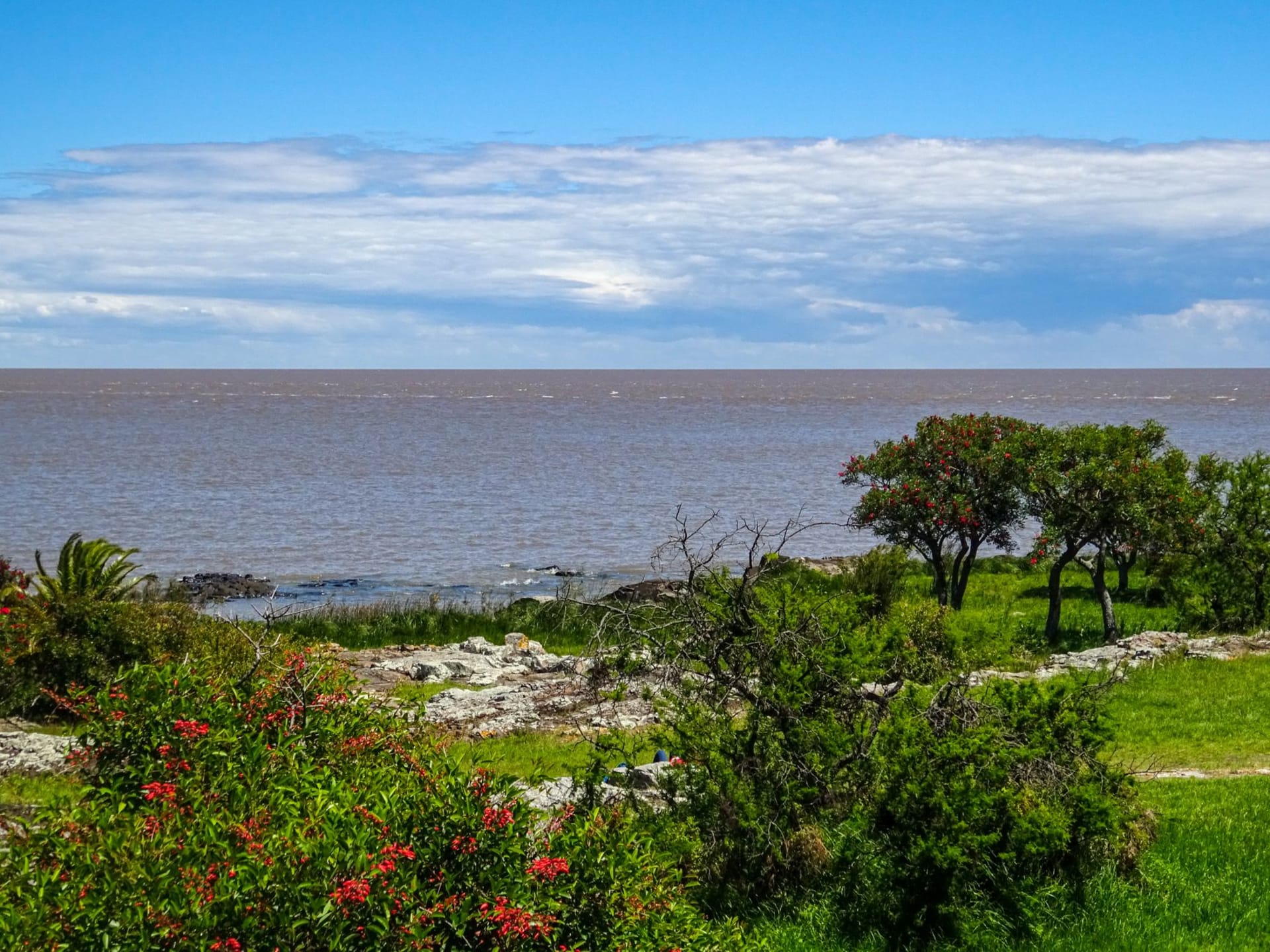
I crossed from Buenos Aires on the overnight ferry and arrived in Colonia del Sacramento just as the morning mist was still burning off the Rio de la Plata. There was almost no one on the cobbled streets. A dog slept in the middle of the road next to a crumbling Portuguese wall, and a woman in her sixties was sweeping a doorstep with the unhurried tempo of someone who had nothing to prove. I had been in Argentina for two weeks, surrounded by noise and appetite and performance. Uruguay felt like taking off a pair of shoes that had been on too long.
Colonia is the obvious entry point, and it earns its UNESCO status without any effort to cash in on it — the old quarter is genuinely old, genuinely quiet, genuinely beautiful. But what surprised me more was Montevideo, which most visitors treat as a corridor to somewhere else. The Old City rambla, stretching along the river for almost thirty kilometers, is one of South America’s great urban walks. I spent a morning covering maybe three kilometers of it, stopping for a torta frita from a woman frying them in a cast-iron pan on the sidewalk, then a cortado at a bar that had clearly not changed its decor since 1971. The food here is not flashy — it is beef, offal, and bread, executed with an almost Protestant seriousness. The chivito sandwich, loaded with tenderloin, ham, egg, mozzarella, and olives, is a document of what Uruguayans actually value: generosity without theater.
Punta del Este gets all the press as the playground of Argentine and Brazilian money, and in January it is exactly that — loud, expensive, and crawling with status anxiety. But go in late March or April, when the crowds have evaporated, and you find something else entirely: a peninsula of strikingly clean beaches, low-rise modernist architecture, and the kind of emptiness that makes you understand why artists and writers have been coming here for decades. I walked the beach at Punta Ballena at dawn without passing another person. The Atlantic at that latitude has a cold edge that the Pacific never quite manages.
When to go: March through May is the ideal window — summer crowds have gone, the heat has softened, and the country relaxes into itself. December through February is peak season in Punta del Este: avoid it unless you are specifically there for the scene. Colonia and Montevideo work year-round, with spring (September to November) particularly pleasant.
What most guides get wrong: They reduce Uruguay to Punta del Este and a day trip from Buenos Aires. Both of these are wrong. Punta del Este out of season is a completely different animal, and Montevideo deserves at minimum three days of real attention — not a rushed afternoon layover. The interior, the thermal baths of Salto, the wine country around Carmelo — these exist almost entirely outside the tourist imagination, and they are where the country makes the most sense.
Explore
Places in Uruguay
 uruguay
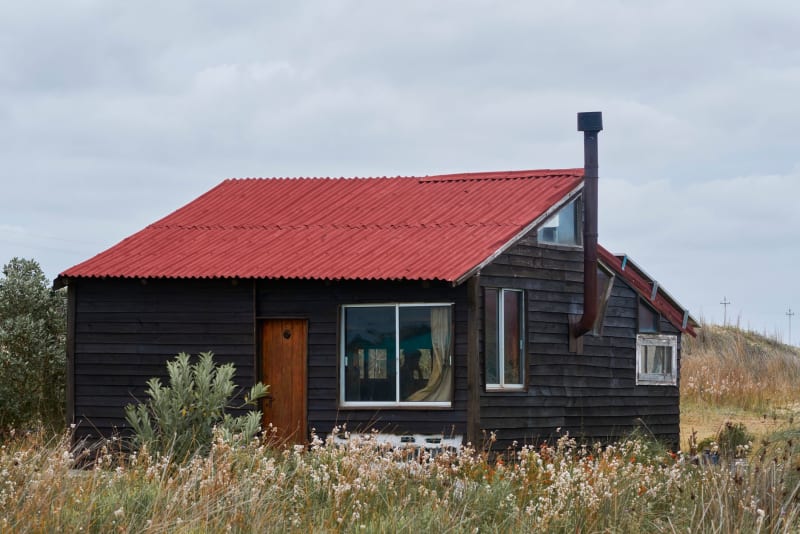
 Cabo Polonio
A village with no roads, no grid power, and more sea lions than tourists — the Atlantic coast's most stubbornly off-grid corner.
Explore uruguay
 Carmelo
A small river town where gauchos, wine, and the slow Río de la Plata estuary combine into something quieter and more satisfying than Uruguay's flashier destinations.
Explore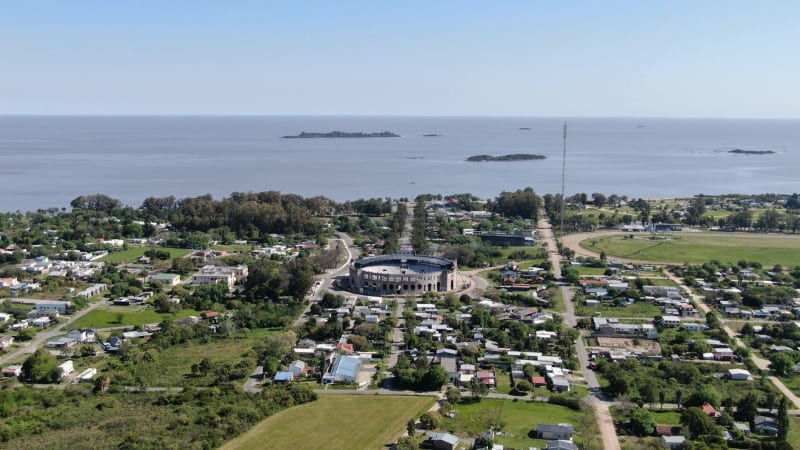 uruguay
 Colonia del Sacramento
A UNESCO Portuguese-Spanish colonial town across from Buenos Aires, where the cobblestones are older than most nations.
Explore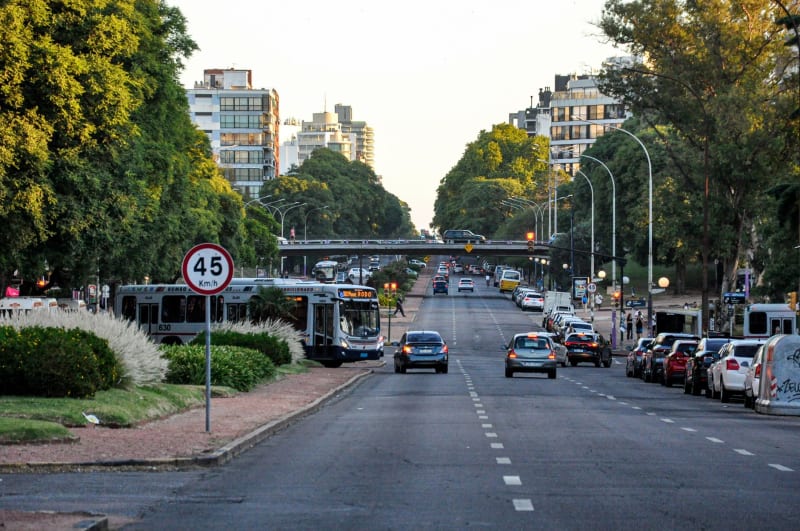 uruguay
 Fray Bentos
A small riverside city that once fed half of Europe from a single factory — its UNESCO-listed industrial ruins are the strangest, most compelling site in Uruguay.
Explore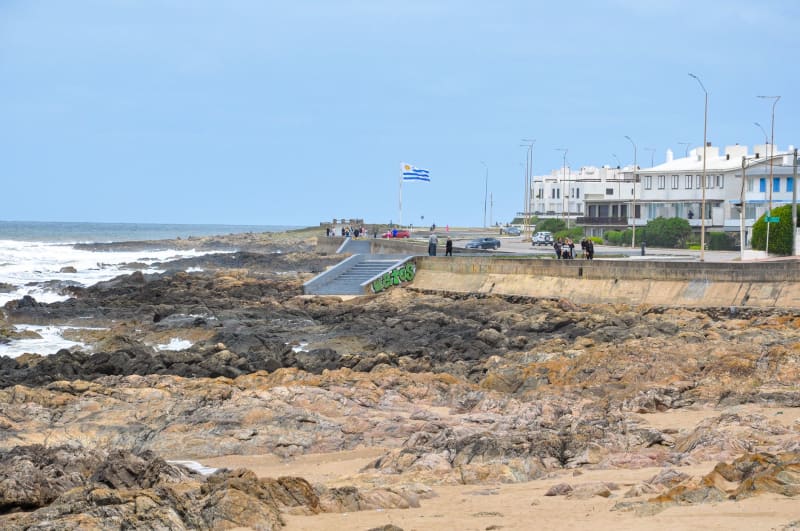 uruguay
 La Paloma
A low-key Atlantic surf town on the Rocha coast, where a red-and-white lighthouse marks the point where the estuary finally becomes the open ocean.
Explore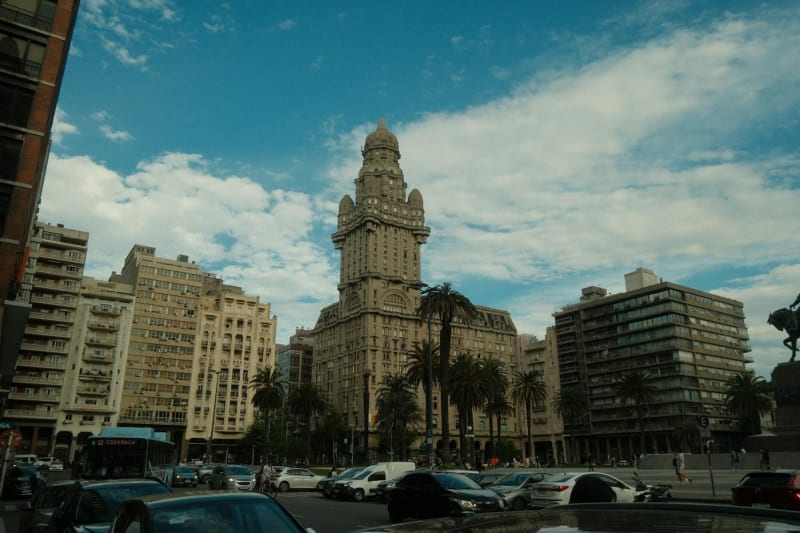 uruguay
 Montevideo
South America's most liveable city spreads along a rambla where Uruguayans share mate and watch the Rio de la Plata.
Explore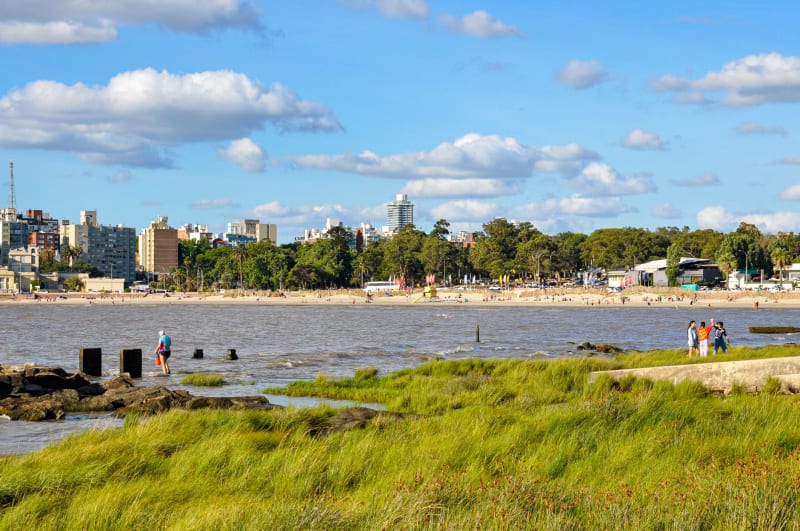 uruguay
 Paysandú
Uruguay's third city carries itself with a riverside confidence that's neither Montevideo's sophistication nor Salto's thermal-resort ease — just a town that knows what it is and doesn't explain it.
Explore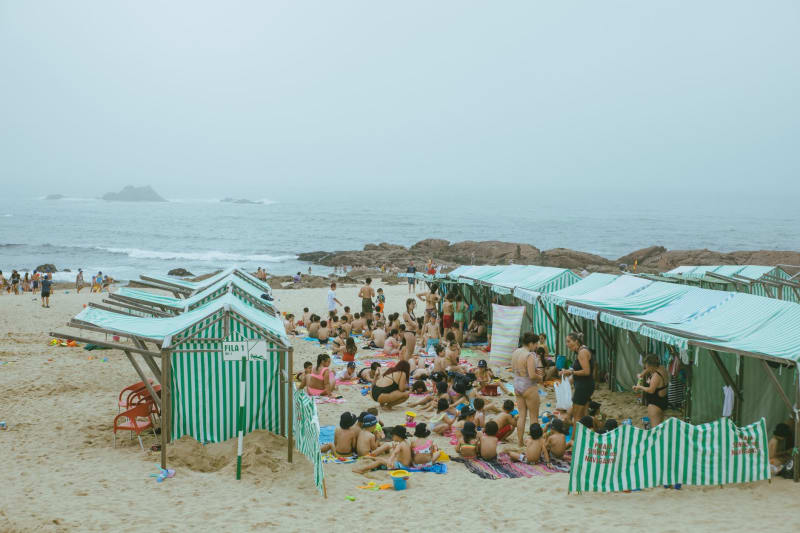 uruguay
 Punta del Diablo
A fishing village turned shaggy surf town on Uruguay's wild Rocha coast, all sand streets, painted boats, and Atlantic swell.
Explore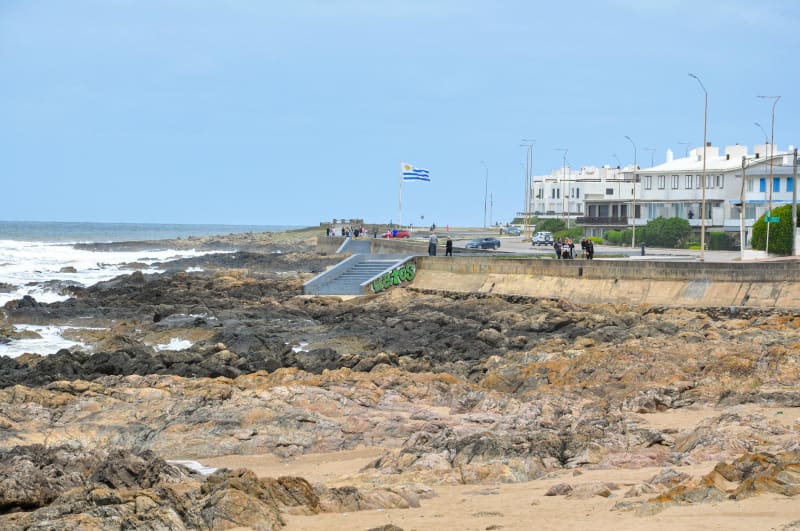 uruguay
 Punta del Este
South America's most glamorous beach resort, where La Mano sculpture rises from the sand and yachts fill the port.
Explore uruguay
 Salto
Uruguay's second city sits on the river border with Argentina, famous for thermal baths that steam year-round and a stubborn civic pride the rest of the country quietly respects.
Explore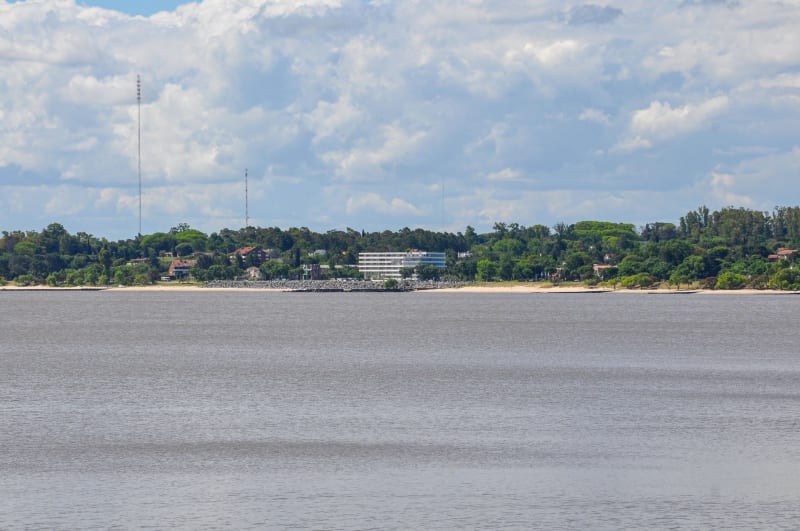 uruguay
 Valle del Lunarejo
A hidden ravine system in Uruguay's northern hills that most travelers drive past without knowing exists — one of the country's least-visited and most quietly extraordinary landscapes.
Explore