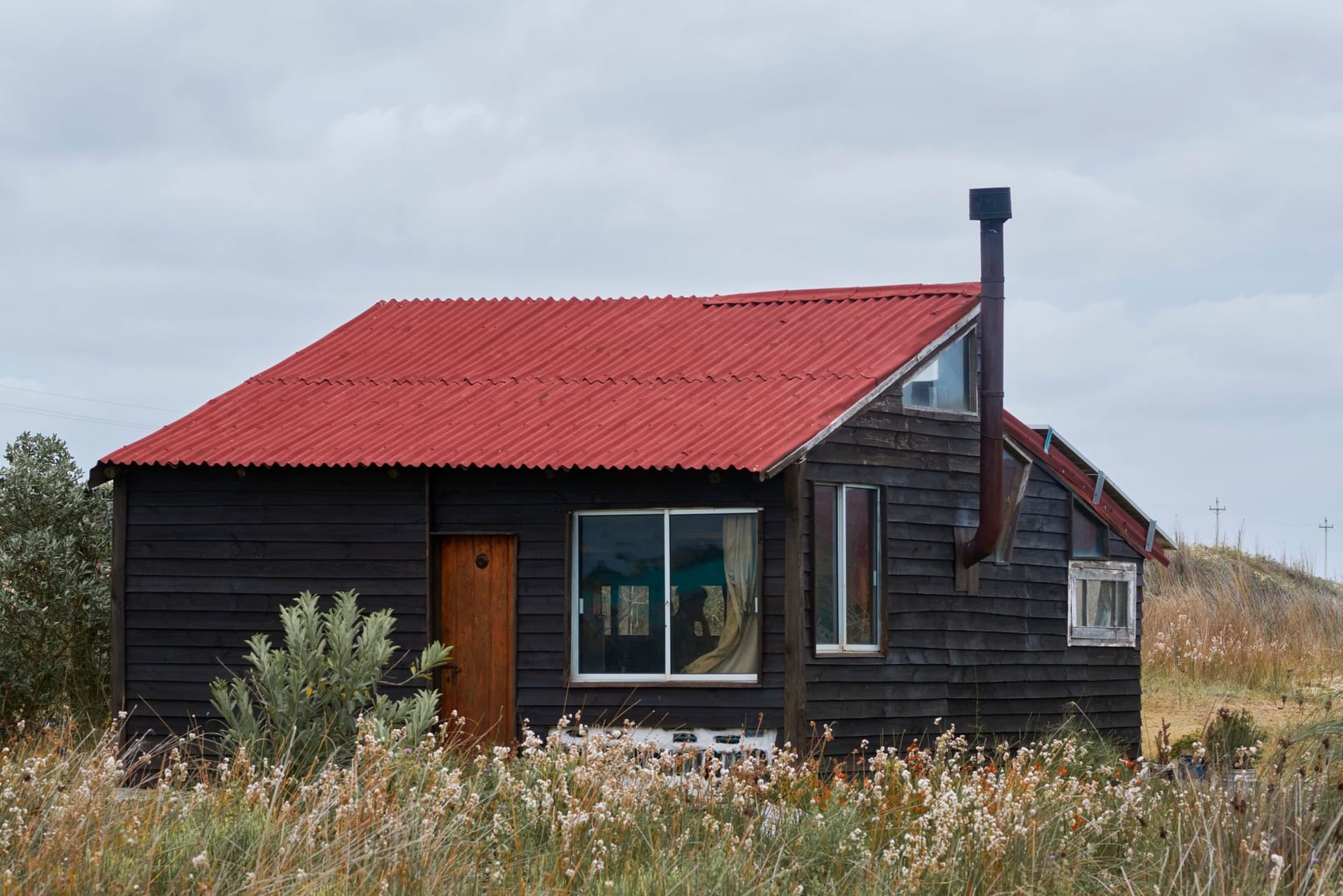
The 4x4 truck that ferries people in from the highway doesn’t so much stop as slow down enough for you to jump off. Then it turns around, grinds back through the sand, and you’re left with your bag at the edge of a dune field, a lighthouse in the middle distance, and roughly three hundred sea lions making their feelings known from somewhere nearby.
Cabo Polonio has no paved road in. No municipal electricity. The houses run on solar panels and generators that cut out after ten or eleven. That last part sounds like a hardship until you’re sitting outside a bar with a cold Pilsen, listening to the ocean, and the entire sky simply opens up.
The Dunes and the Shore
The walk from the drop-off point to the village takes maybe twenty minutes if you stop staring. The dunes here aren’t decorative — they’re massive, mobile, and they periodically eat houses. Wooden shacks have been half-buried and then re-emerged over the years, which gives the whole settlement a look of cheerful impermanence. It suited me more than I expected.
The beach that faces north is calmer, the kind you can swim in without drama. The south-facing beach is the Atlantic at full volume — waves that have traveled a long way to make their point. I spent two mornings on that southern stretch doing nothing useful, which felt like exactly the right thing.
The Sea Lion Colony
At the base of the lighthouse rocks, several hundred South American sea lions have claimed the flat granite shelves as their permanent address. The smell reaches you well before the sound, and the sound reaches you about a block away. Getting close involves a boardwalk and the understanding that personal space is a concept they have rejected entirely.
I watched one enormous male haul himself up a rock that seemed too steep for an animal that size, settle in with absolute authority, and then immediately fall asleep. There’s a lesson in there, probably.
Life After Dark (or Before It)
The restaurant scene is small and revolves heavily around fish, which makes sense given what’s swimming directly outside. I had a lenguado one night that had probably been caught that afternoon. The preparation was simple — olive oil, lemon, some herbs — which is always either a sign of confidence or luck. Here it felt like the former.
When the generators cut, candles appear. Conversations stretch. A Danish couple at the next table turned out to have been coming here for eleven years, which is either a recommendation or an addiction and possibly both.
Getting In and Out
The truck service runs from outside Valizas, a small town on the main coastal road. You pay, you wait, you pile in with whoever else is making the trip. In high season (January, February) the place gets genuinely busy and you’ll want a reservation somewhere. In shoulder season — November, early December, March — it’s quieter in ways that feel earned.
When to go: November or March gives you good weather without the January crush. Avoid July unless you’re specifically after dramatic grey skies and solitude, which is also a reasonable thing to be after.