Yekaterinburg
"Every city claims to be where East meets West. Yekaterinburg actually is."
The Ural gateway city where Romanov history meets Soviet brutalism and a surprisingly alive contemporary arts scene.

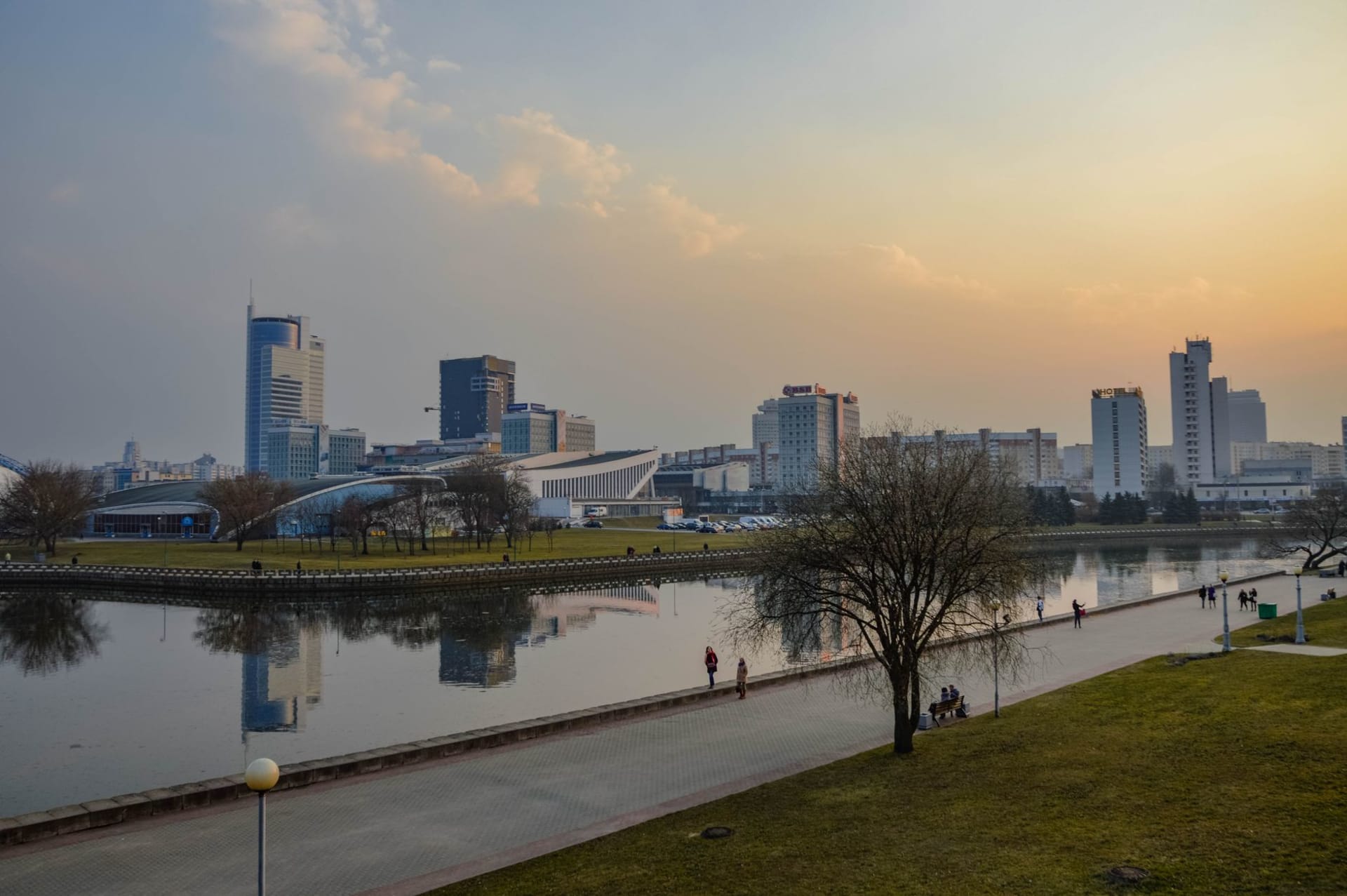
The first thing I noticed landing in Yekaterinburg was the smell — industrial cold cut through with pine resin from the taiga pressing close against the runway. The Urals begin here in a practical sense: the city sits almost exactly on the continental divide, a fact Russians treat as a point of genuine civic pride. There are obelisks marking the boundary on the road south. People stop to photograph themselves straddling Europe and Asia. I found it cheesy. I did it anyway.
The Weight of July 1918
The Church on the Blood stands where the Ipatiev House once stood — the basement where the Romanovs were executed. The church itself is a post-Soviet construction, all gleaming white and awkward symbolism, but the effect when you descend to the lower chapel is unexpectedly heavy. Candles, icons, photographs of Nicholas and Alexandra and the five children. Whatever you think of the Romanovs as rulers, the basement is a hard room to stand in for long. I came back in the evening when the exterior lit gold against a purple sky, and that was better — more honest to the complicated grief the place holds.
The Yeltsin Center
This is the surprise of Yekaterinburg: a world-class museum of Soviet and post-Soviet history that doesn’t flinch. Boris Yeltsin was born in the Urals region and the center built in his memory is genuinely good — not hagiographic, but honest about the chaos of the 1990s, the economic freefall, the sense of a country improvising its way through collapse. The interactive timeline of the Soviet era is exhausting in the best way. I spent three hours there and left feeling like I’d been briefly inside someone else’s enormous grief.
Lia found the gift shop, which sold Yeltsin-branded vodka. She bought two bottles. I couldn’t argue with the logic.
Weismann Street and the Urban Art Circuit
Yekaterinburg has a murals circuit that covers most of the central neighborhoods, and it’s worth doing on foot even in cold weather. The street art ranges from massive political pieces to small absurdist interventions painted on utility boxes. The city hosted international artists during the 2018 World Cup period and some of that work aged remarkably well. There’s a building near the train station with a multi-story mural of a Ural forest that you can see from two blocks away — the kind of thing that stops you mid-stride.
The food scene around Weismann Street runs Georgian and Central Asian: khinkali dumplings, lagman noodle soup, plov from a proper kazan. I ate a bowl of shorpa — lamb and potato soup — in a place with plastic tablecloths and a Soviet-era fridge in the corner, and it was precisely what I wanted at eleven degrees below zero.
Getting the Scale Right
Yekaterinburg is the fourth-largest city in Russia and it moves accordingly — metro, trams, the ambition of a place that knows it matters but doesn’t need you to agree. It’s not a postcard city. The river running through it is flat and industrial. The best views require walking up to the city observation deck on Vysotsky Tower, where on a clear day you can see the low ridge of the first Ural foothills to the east, furred with dark spruce, beginning their long run north.
That view is what finally gave me the scale of what I’d come to see.
When to go: Late June through August for hiking access and long northern days — the city gets twenty hours of daylight near solstice. December through February for the full Siberian winter experience; cold is serious (−20°C is normal) but the snow transforms the architecture and the Christmas markets are genuine. Avoid the muddy shoulder seasons of April and October.
Keep exploring
More from Ural Mountains
 ural-mountains
Zlatoust
A metallurgy town in a mountain valley where two centuries of blade-making tradition produced an art form so refined it ended up in the Hermitage.
Explore ural-mountains
Arkaim
A Bronze Age ring-fortress on the Southern Ural steppe, half archaeology, half pilgrimage, entirely unlike anywhere else I've stood.
Explore ural-mountains
Chusovaya River
A river that cuts through the western Ural foothills in a series of limestone gorges, the same route Yermak took east to conquer Siberia in 1582, still navigated mostly by people in inflatable kayaks.
Explore ural-mountains
Inzer Valley
A remote river valley in Bashkortostan where the southern Urals reach their most pristine — broad meanders through floodplains bordered by forest-covered ridges that have no roads over them.
Explore ural-mountains
Mount Iremel
The sacred mountain of the Bashkirs, a twin-peaked massif in the southern Urals where the treeline ends abruptly and the plateau above belongs to the sky.
Explore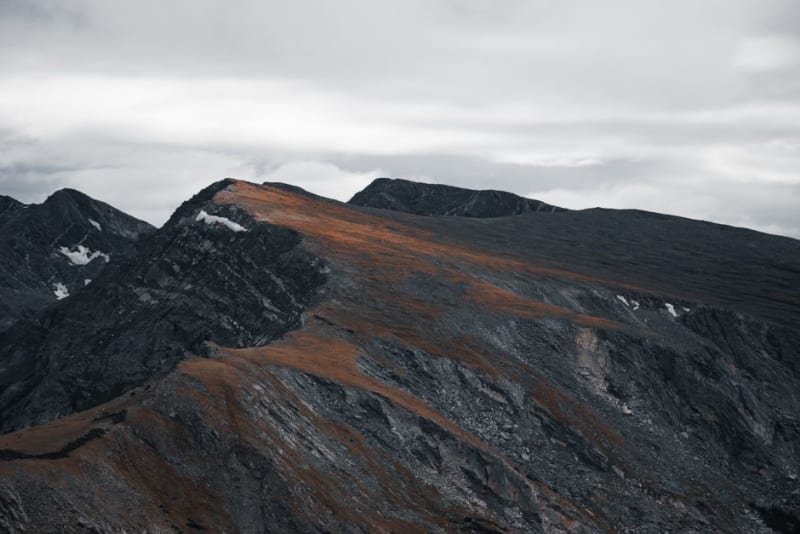 ural-mountains
Konzhakovsky Kamen
One of the Northern Urals' highest summits, a wind-scoured ridge of stone rivers and dwarf birch that I climbed on legs still sore from the marathon two days before.
Explore