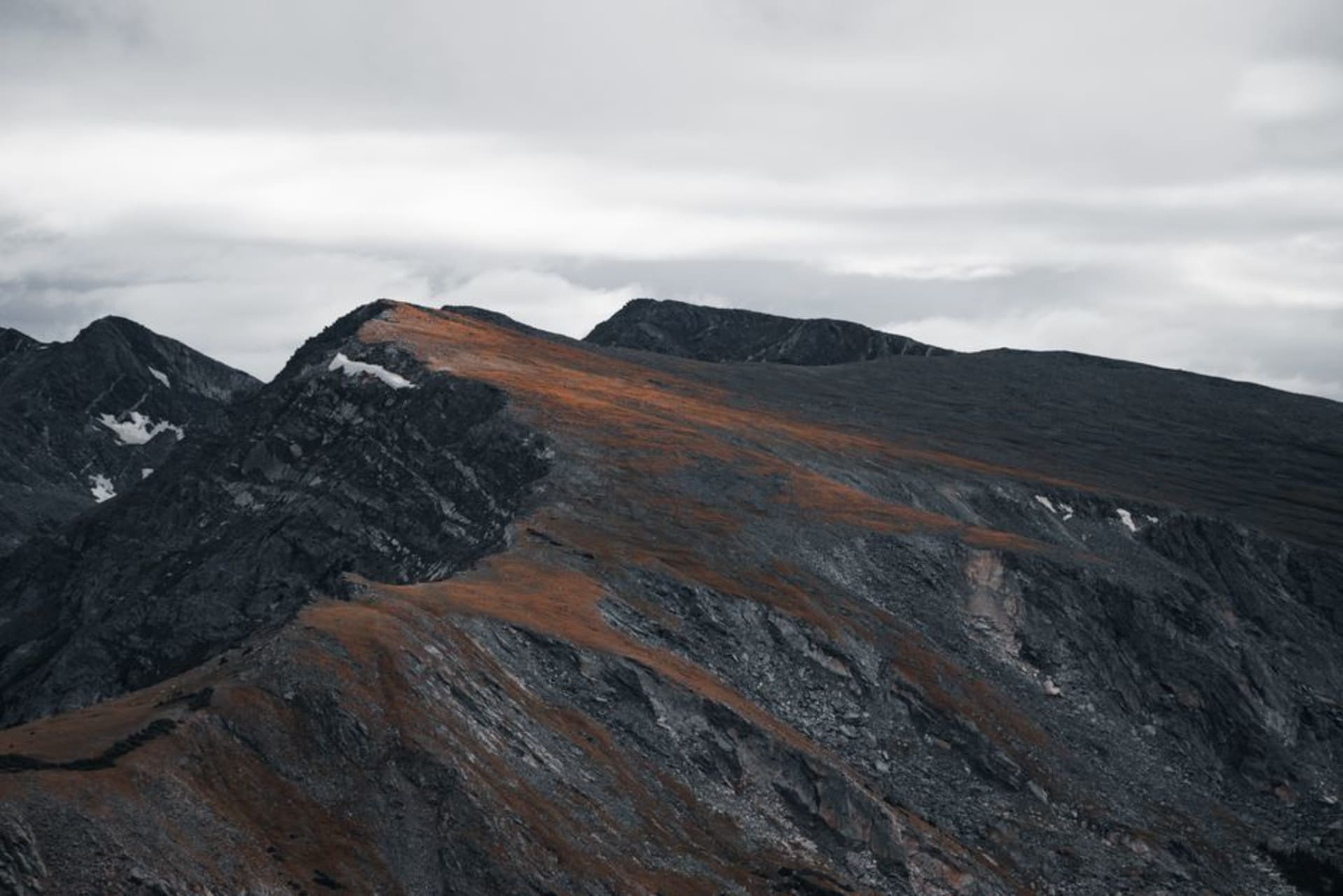
Konzhakovsky Kamen
"By the time we hit the stone river above the treeline, my legs were done arguing and had just accepted we were doing this."
One of the Northern Urals' highest summits, a wind-scoured ridge of stone rivers and dwarf birch that I climbed on legs still sore from the marathon two days before.

I found out about Konzhakovsky Kamen by accident, scrolling through Russian trail-running forums while researching something else entirely for the blog. Every July, thousands of runners take on the Konzhak marathon, a brutal race up and down this 1,569-meter peak in the Northern Urals, and the way people described it online, half running memoir, half survival story, made me want to see the mountain myself, even without the race number pinned to my shirt.
We didn’t run it. We hiked it, over two days, camping partway up near one of the small rivers that cut through the taiga on the approach. The lower slopes are properly forested, spruce and birch, mushrooms everywhere in late summer, the kind of dense green quiet that makes you lower your voice without really deciding to. But the mountain changes character fast. Above around 900 meters the trees thin out and give way to these extraordinary stone rivers, kurumniks, fields of angular boulders that look like they were poured down the slope by something enormous. Walking across them is slow, careful work, boulder to boulder, and more than once I regretted every joke I’d made about it being “just a hike.”

The summit ridge itself is bare rock and gravel, wind coming from every direction at once, and on a clear day you can supposedly see dozens of kilometers in every direction across an endless carpet of Ural forest. We weren’t quite that lucky, low cloud rolled in an hour before we topped out, but there was something I liked about summiting into grey mist rather than a perfect postcard view. It felt more honest to the mountain’s reputation as a tough, unglamorous peak rather than a scenic bucket-list photo op.

We camped a second night near a stream on the way down, boiling noodles over a small stove while talking with a couple of Yekaterinburg trail runners who were up doing a training loop, casually, the way some people go for a jog around the block. They told us the marathon route runs almost the exact path we’d just hiked, uphill and back down, in a single brutal day. My legs, still tired from two easy days of walking, had no interest in that kind of ambition. I was happy just to have been up there once, at my own pace.
When to go: July through early September is the only realistic window; the marathon itself runs in mid-July if you want the full spectacle of runners on the mountain, otherwise late August offers quieter trails.
Keep exploring
More from Ural Mountains
 ural-mountains
Kungur Ice Cave
A five-kilometer network of gypsum caverns on the edge of the Sylva River, half of it frozen year-round into formations that look like something assembled by a very patient glacier.
Explore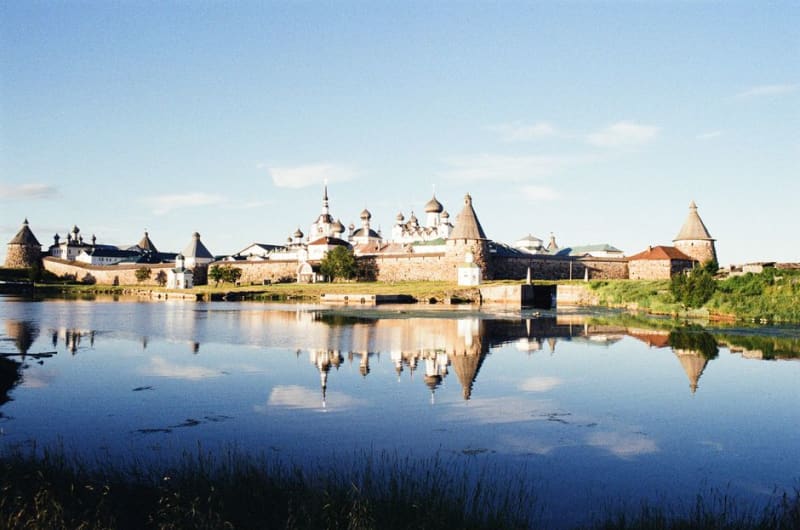 ural-mountains
Kyshtym
A quiet lakeside mining town that gave its name to one of the Soviet Union's worst nuclear disasters, though the accident itself happened miles away in the closed city of Ozyorsk.
Explore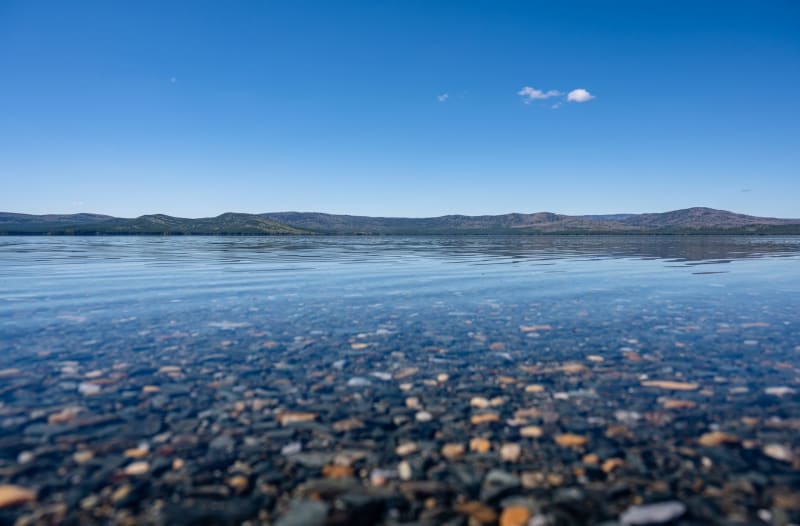 ural-mountains
Lake Turgoyak
One of the clearest lakes in Russia, set in a granite bowl in the southern Urals where the water is blue-green enough to seem implausible and the shoreline is almost entirely undeveloped.
Explore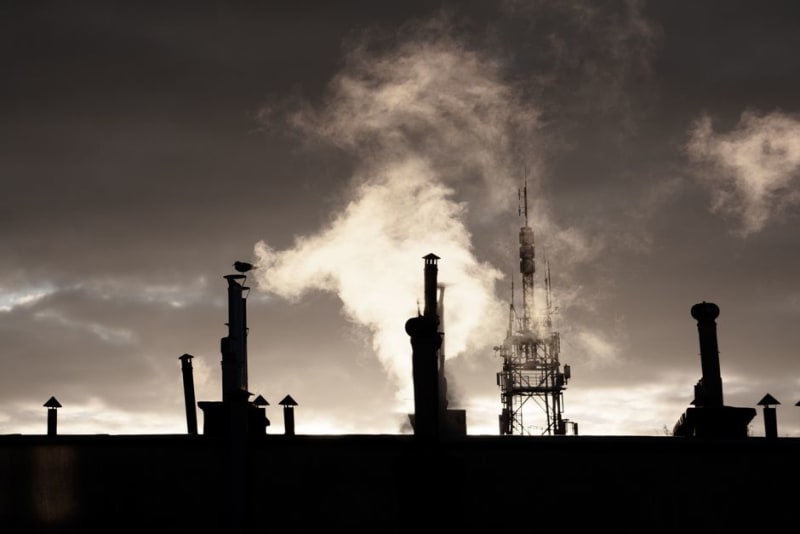 ural-mountains
Magnitogorsk
A steel city built literally on top of an iron mountain, where the border between Europe and Asia runs down the middle of the river.
Explore ural-mountains
Manpupuner Rock Formations
Seven weathered stone giants on a wind-scoured plateau in the northern Urals, sacred to the Mansi and nearly impossible to reach.
Explore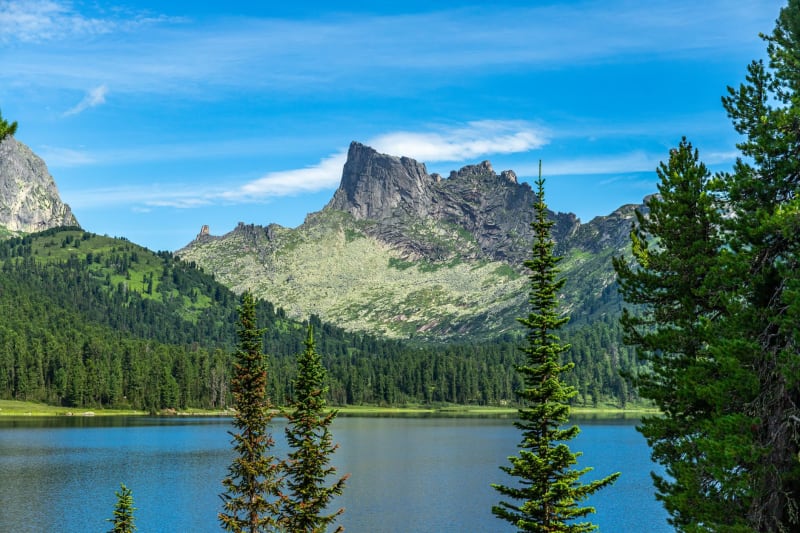 ural-mountains
Mount Narodnaya
The Urals' highest point at 1895 meters — not a technical climb but a true wilderness summit requiring a full expedition into one of Russia's most remote mountain regions.
Explore