
Bishop
"The mountains here don't foothill their way up — they just stand up out of the desert, all at once."
The unofficial capital of the Eastern Sierra, a working town on the high desert floor with the tallest wall of mountains in the Lower 48 rising straight out of its backyard. Climbers, anglers, cattle ranchers and a legendary bakery, all under a sky that seems to go up forever.

We rolled into Bishop at dusk with the Sierra turning pink on our left, and I remember thinking the mountains looked fake — a painted backdrop propped up behind a dusty main street of motels and gear shops. But they’re real, and they’re enormous: from the sagebrush floor at 4,000 feet, the peaks leap to 14,000 in one uninterrupted rise. Lia rolled the window down and the air came in cold and clean and smelling of sage. We had come to climb, and we had come, honestly, for the bakery.
Schat’s, and the ritual of the sandwich
Let me deal with the bakery first, because in Bishop you cannot avoid it. Erick Schat’s Bakkery has been baking its “Sheepherder Bread” since forever, and every climber, hiker and road-tripper in the Eastern Sierra passes through its doors. We stood in a long, cheerful line, bought a warm loaf and two enormous sandwiches, and ate them on the tailgate with the mountains in front of us. It sounds like a small thing. It is not. In a landscape this severe, the ritual of the good sandwich — dependable, generous, warm — is what makes the town a town and not just a trailhead.

The Buttermilks
The real reason climbers come is the boulders. West of town, up a dirt road toward Mount Tom, the Buttermilks are a field of enormous rounded granite eggs strewn across the sagebrush, some the size of houses. We spent a morning there, chalk on our hands, working the same short problems over and over, falling onto crash pads and lying in the dirt laughing. The rock is coarse and merciless on the fingertips and the drops are genuinely frightening. But between attempts you sit on a boulder with the whole Sierra crest laid out white and gold in front of you, and there is nowhere on earth you’d rather have sore hands.

Up into the canyons
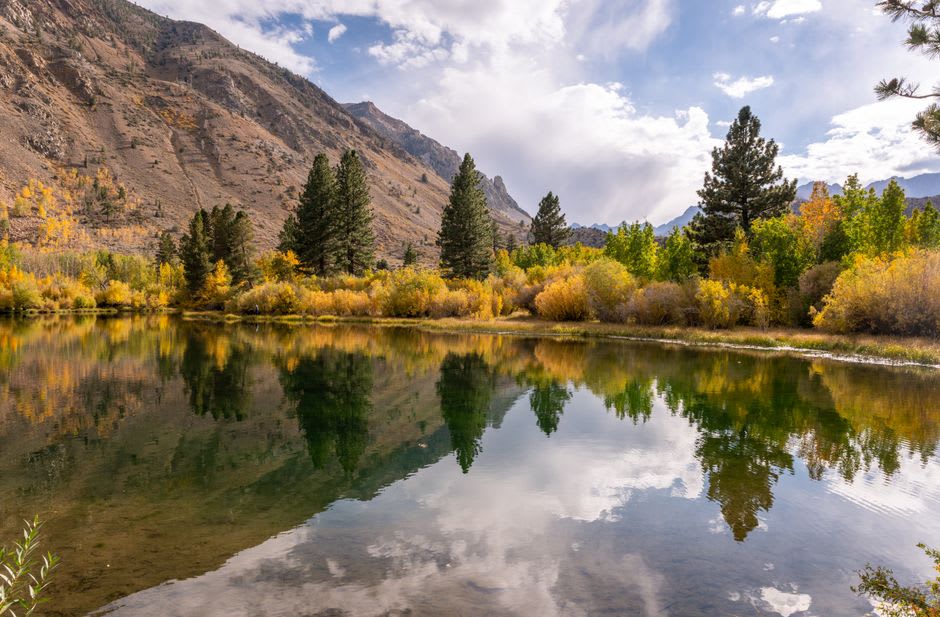
When our fingers gave out we went up into the water. Bishop Creek Canyon climbs from town toward South Lake and Lake Sabrina, and the road switchbacks from desert into aspen and pine in half an hour. We walked out to a chain of alpine lakes below the crest, past anglers standing hip-deep in cold streams, the aspens just beginning to turn. Higher still, the trail toward the John Muir Wilderness disappears into a country of granite and snow. We didn’t go far — we didn’t need to. Just sitting by that water, at 9,000 feet, with the peaks doubled in the surface, was the whole point of coming.
Getting There
Bishop sits on Highway 395, the great Eastern Sierra road, about 260 miles from Los Angeles (four to five hours) and a similar haul from Reno to the north. There’s no passenger rail and the nearest major airports are Reno and Las Vegas, so this is firmly a road trip — but 395 itself is one of the finest drives in America, so that’s no hardship. Note that Tioga Pass over the Sierra to Yosemite is closed by snow much of the year, which keeps Bishop feeling remote from the coast. Come prepared for big temperature swings: hot afternoons, cold nights, and thin air that will leave you breathless on the first climb.
Keep exploring
More of California
Keep exploring
More from California
 united-states
Mammoth Lakes
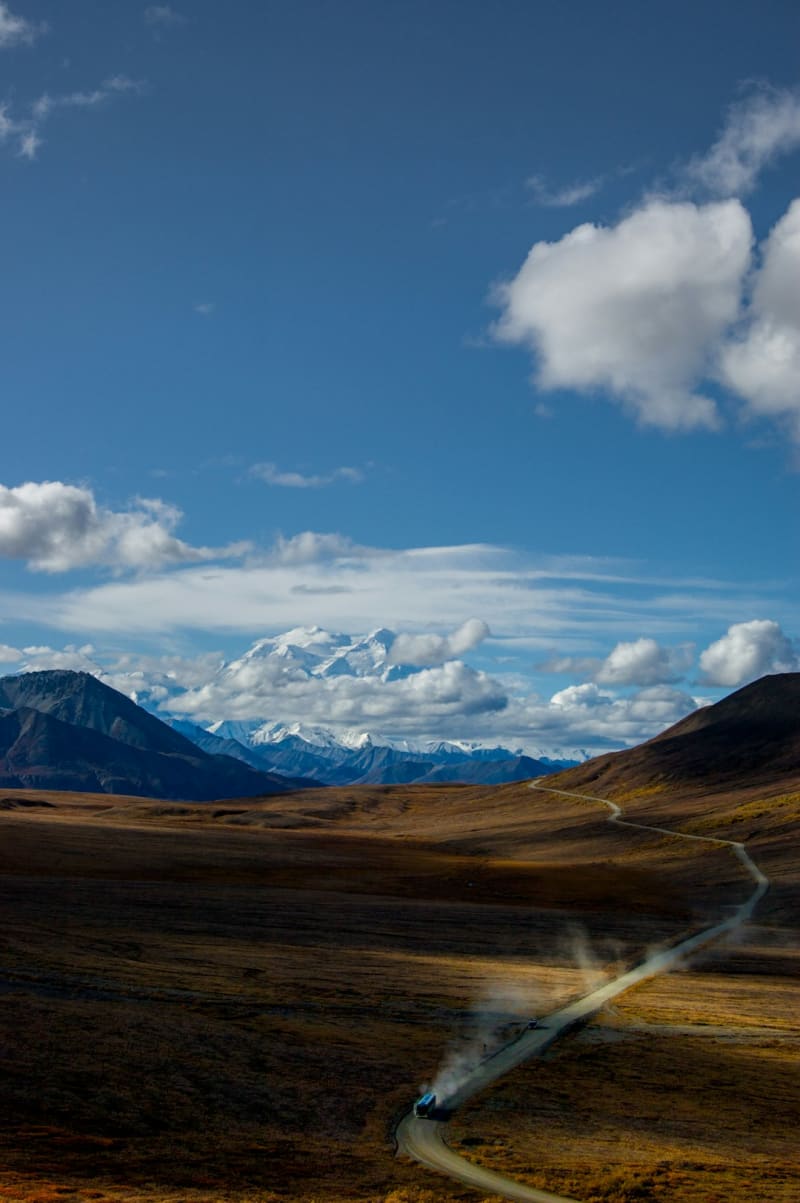
A high town on the eastern flank of the Sierra Nevada, where ski slopes give way to alpine lakes and steaming hot springs hidden in the sagebrush. Big sky, thin air, and a volcanic landscape that never fully cooled.
Explore united-states
Lone Pine
A single-street town on the floor of the Owens Valley, dwarfed by Mount Whitney — the highest peak in the Lower 48 — and fronted by the Alabama Hills, a jumble of golden boulders where half the Westerns you've ever seen were filmed. High desert light, granite, and old Hollywood ghosts.
Explore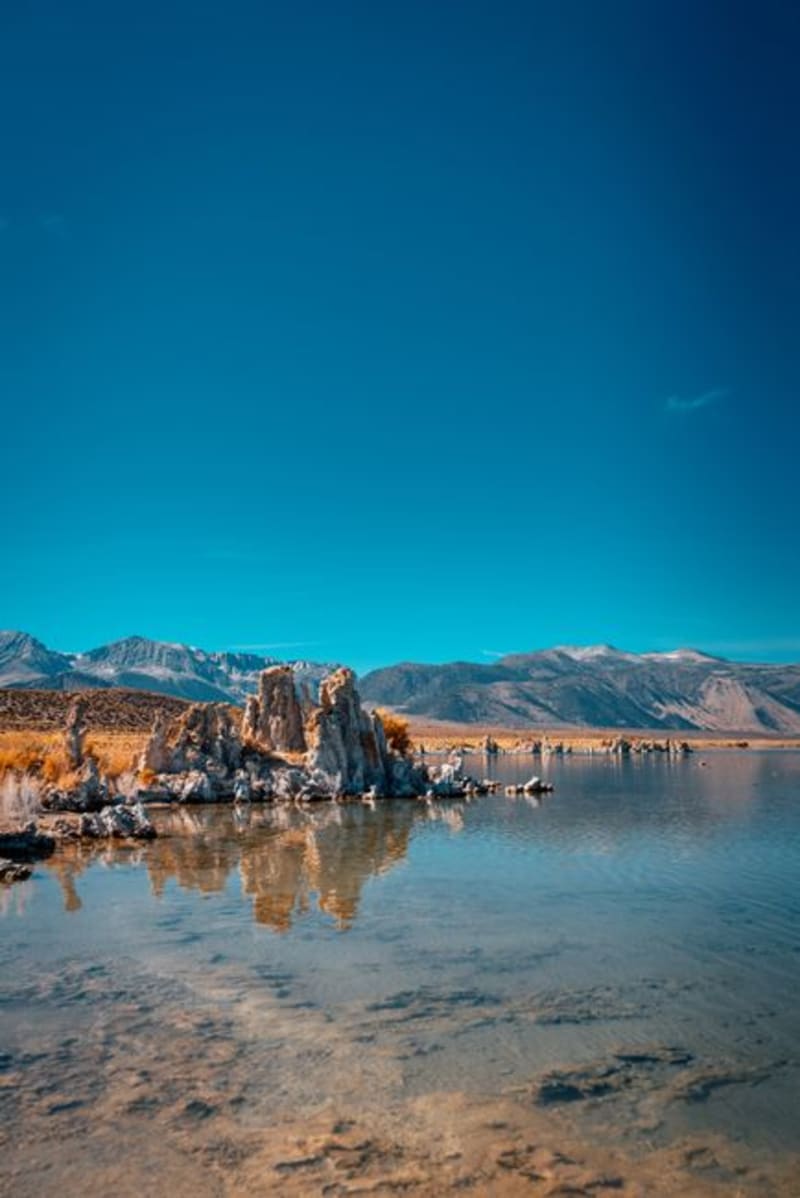 united-states
Mono Lake
An ancient, salt-heavy lake on the dry eastern flank of the Sierra Nevada, studded with eerie towers of limestone tufa that rise from the water like the ruins of a drowned city. Twice as salty as the sea and older than almost any lake in North America, it hums with brine flies and gulls and a strange, still beauty.
Explore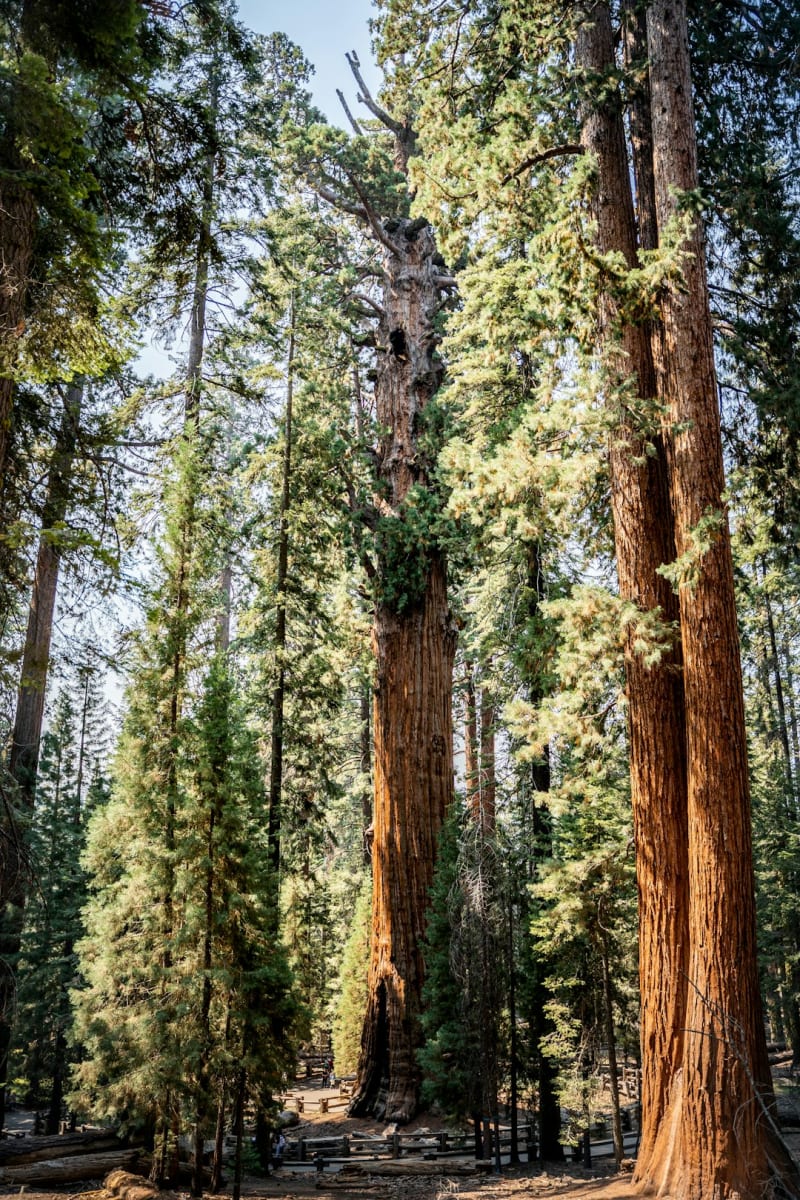 united-states
Sequoia National Park
You think you understand how big a tree can be until you stand under a giant sequoia and feel your whole sense of scale quietly collapse. Beneath the high Sierra of California grow the largest living things on earth, and photographs prepare you for none of it.
Explore united-states
Fresno
A working city in the heart of California's San Joaquin Valley, ringed by orchards and vineyards, and the natural gateway to three of the country's great national parks. It rarely makes the postcards, but the fruit here is the sweetest we found anywhere and the mountains are an hour away. Fresno is a doorway that happens to be a real place.
Explore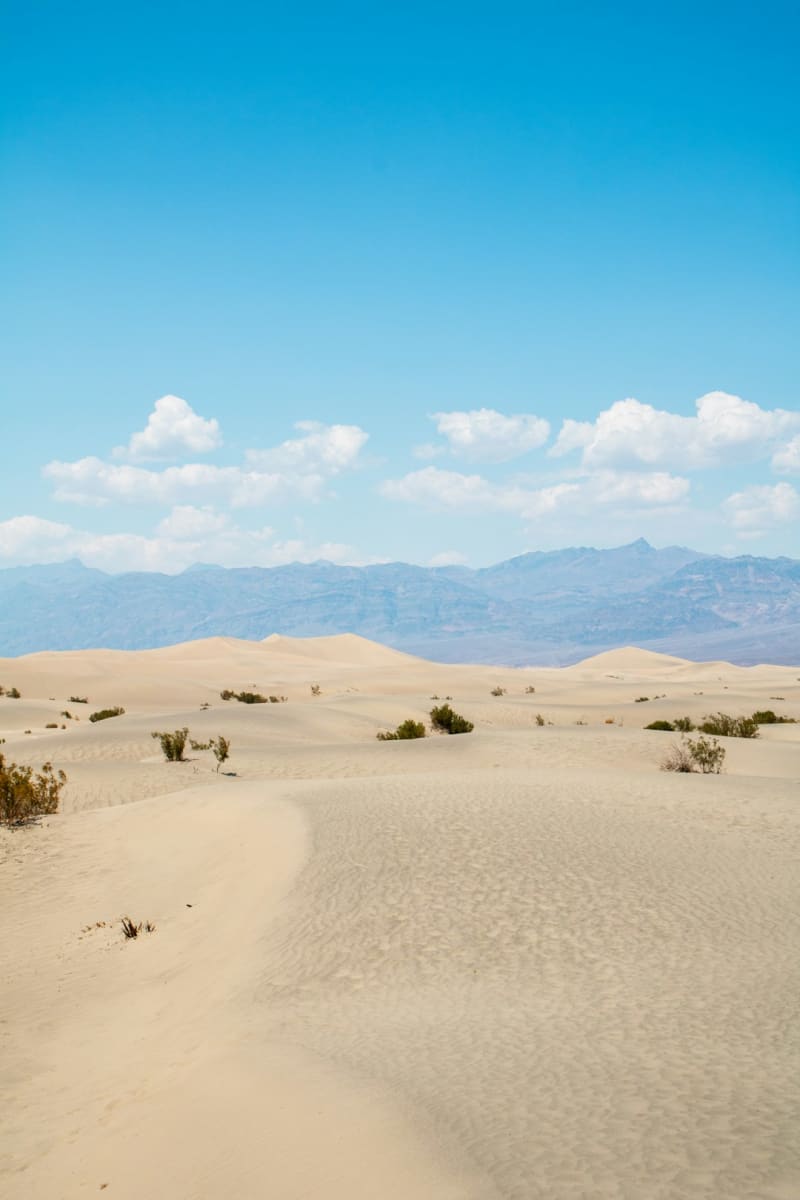 united-states
Death Valley
The hottest, lowest, driest place in North America sounds like a warning, and it is — but it's also one of the most beautiful landscapes we have ever driven into. Salt flats, sculpted dunes and hills painted in mineral colours, all under a sky that goes on forever.
Explore