Caribbean
Trinidad and Tobago
"The Caribbean for people who find the Caribbean too boring."
Two islands so different they make no sense together — one runs on soca, oil money, and the most serious carnival in the hemisphere; the other is just quiet reef, rum punch, and time.

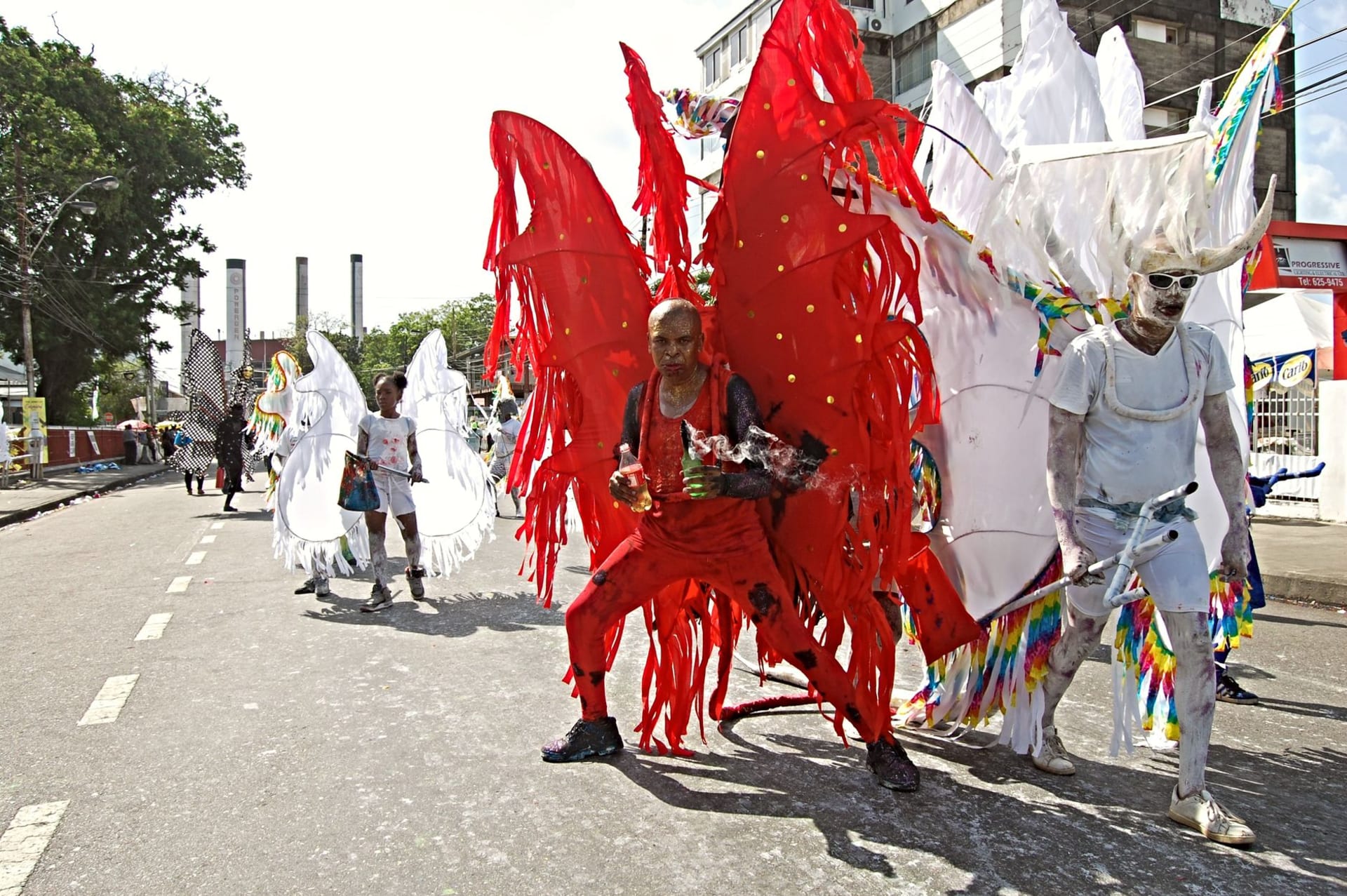
I arrived in Port of Spain in the middle of what I thought was a normal Tuesday night. The street outside my guesthouse on Ariapita Avenue was louder than a festival. It was not a festival. It was just Tuesday. A sound system somewhere was pushing soca bass through the asphalt, the rum shops were operating at full capacity, and three different conversations were happening at impossible volume around a single plastic table. I went inside to sleep and failed completely. By midnight I had given up and ordered a double Carib at the bar next door. The bartender looked at me with something between pity and amusement. “You from Europe?” he said. “Yeah,” I said. “You’ll adjust,” he said. I never entirely did, and I mean that as a compliment.
Trinidad is not a relaxing island. It is an island that runs hot — economically, musically, culturally. The country sits on significant oil and gas reserves, which gives it a middle-class energy unlike most of the Caribbean. Port of Spain has actual traffic, actual business districts, actual restaurants with actual wine lists. It also has Maracas Bay, where the bake-and-shark stands operate with the confidence of Michelin institutions — fried shark in a fried dough pocket, dressed with chadon beni sauce, tamarind, and pepper, eaten on a bench while sand gets in everything. I ate three in a row and do not regret it. The doubles — two baras (fried dough) with curried channa, shadow beni, and cucumber — are the city’s street breakfast and they are one of the finest fast foods I have encountered anywhere. The Trinidadian kitchen is deeply, genuinely hybrid: Indian indenture-era traditions, West African roots, Spanish and French colonial layers, Chinese influence. The result is something that cannot be replicated elsewhere.
Tobago is twenty minutes by plane or about two and a half hours by ferry and approximately forty years away in atmosphere. Speyside, on the windward coast, sits next to one of the most biodiverse coral reef systems in the southern Caribbean — Brain Coral Reef is named for a single brain coral the size of a car. The rainforest interior is where I spent a morning birding and encountered the copper-rumped hummingbird, the motmot, and the blue-crowned motmot all before breakfast. This is the island people mean when they say “Caribbean paradise,” except without the all-inclusive infrastructure that usually drains the meaning from that phrase.
When to go: For Carnival, you go in February or early March — book accommodation at least six months out and accept that nothing will go as planned, which is the point. For diving and birding in Tobago, January through May offers the clearest water and best birding conditions. Avoid the height of hurricane season (August–October), though Trinidad sits below the main hurricane belt and rarely takes direct hits.
What most guides get wrong: They sell you Tobago as the destination and treat Trinidad as an inconvenient transit stop. This is completely backwards. Trinidad is the reason to come. The food, the music, the intensity of cultural life in Port of Spain — these are experiences you will not find anywhere else in the Caribbean. Tobago is beautiful but honestly there are beautiful islands elsewhere. The combination, with Trinidad’s intellectual and culinary energy as the anchor, is what makes this country singular. Stay at least three nights in Port of Spain. Eat the doubles. Get slightly lost in the noise.
Explore
Places in Trinidad and Tobago
 trinidad-and-tobago
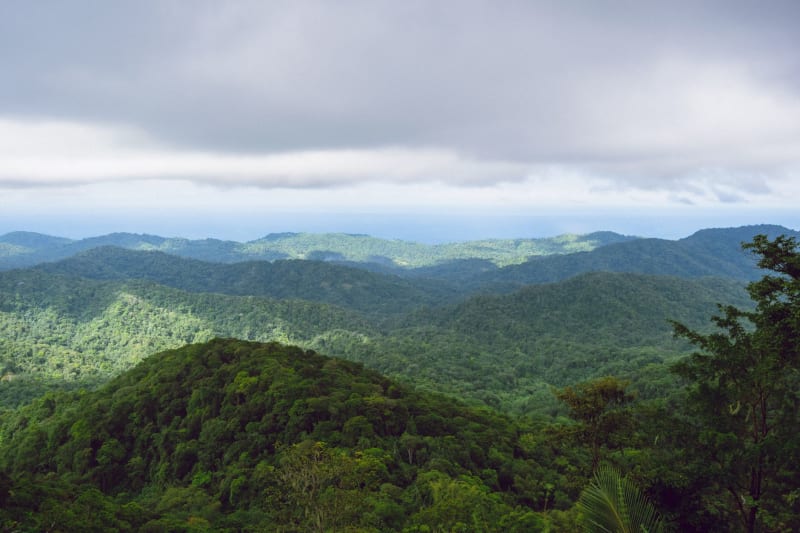
 Asa Wright Nature Centre
A colonial-era estate perched in the rainforest-draped Northern Range where birders from every continent come to stare at hummingbirds for hours and consider it well spent.
Explore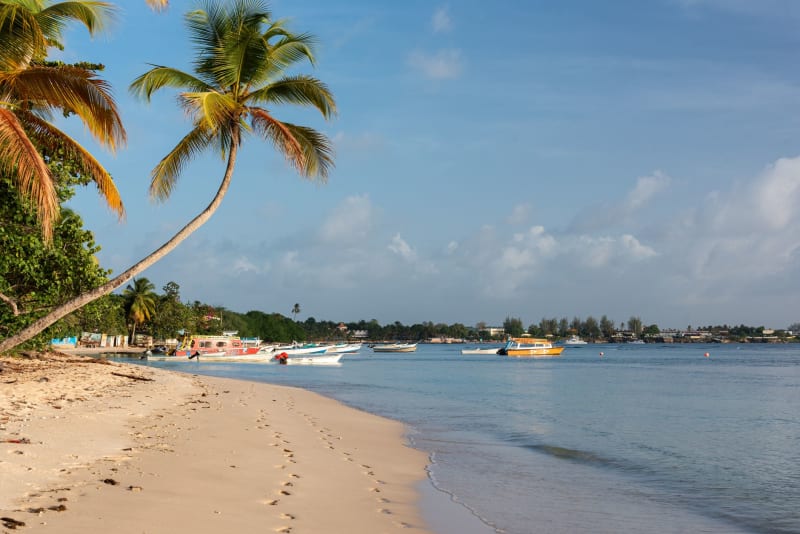 trinidad-and-tobago
 Buccoo Reef and Nylon Pool
Tobago's most famous reef is slowly recovering from decades of overuse, while the Nylon Pool — a shallow sandbar in the middle of the ocean — remains the most improbable place to stand and feel invincible.
Explore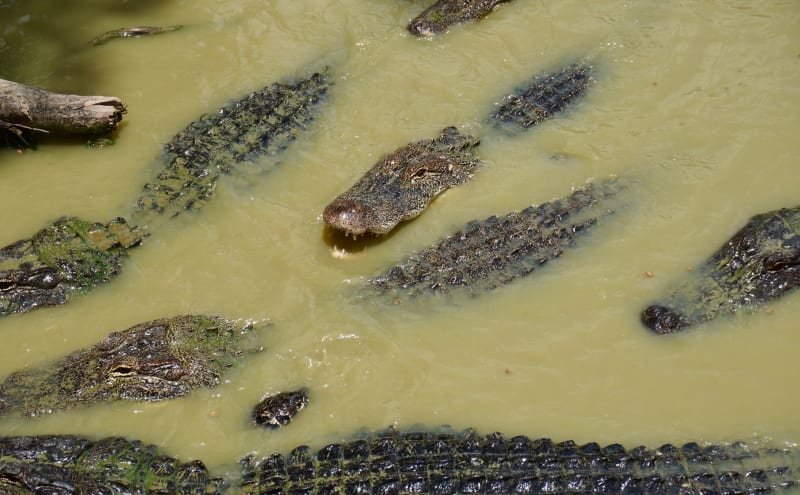 trinidad-and-tobago
 Caroni Swamp
Every evening at dusk, thousands of scarlet ibis spiral down from the sky to roost in the mangroves of Caroni, turning the trees red in a spectacle that feels genuinely impossible.
Explore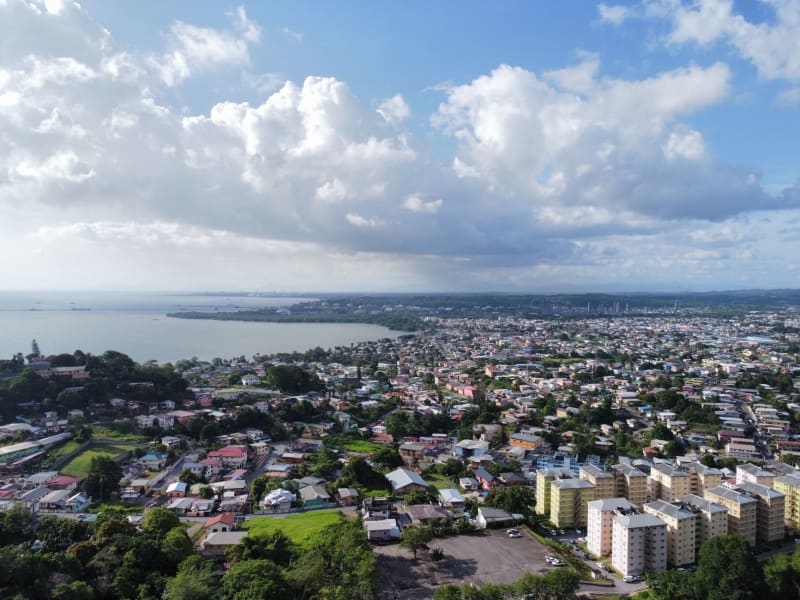 trinidad-and-tobago
 Charlotteville
At the far end of a road that tests your commitment to getting there, Charlotteville sits in a perfect bay and gets on with life at a pace the rest of the world has mostly forgotten.
Explore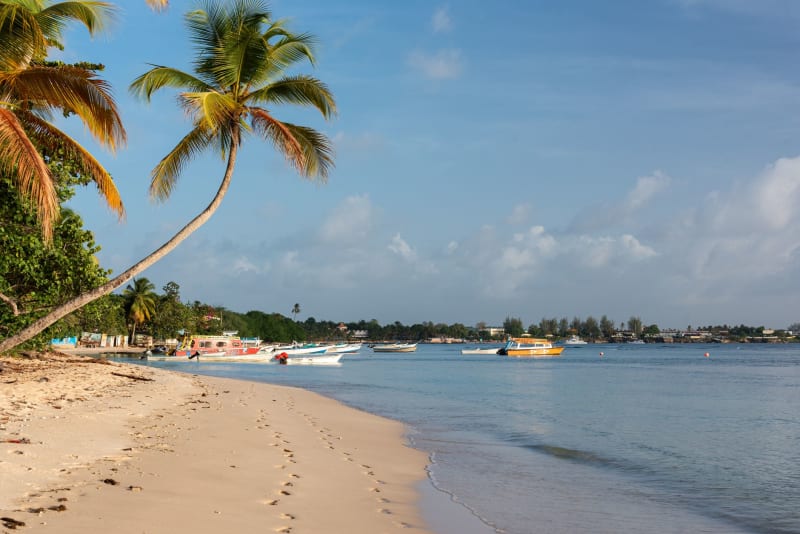 trinidad-and-tobago
 Crown Point
Tobago's tourist hub is refreshingly small — a cluster of guesthouses, roti shops, and dive operators around the island's only international airport, with some of the best food per square meter in the Caribbean.
Explore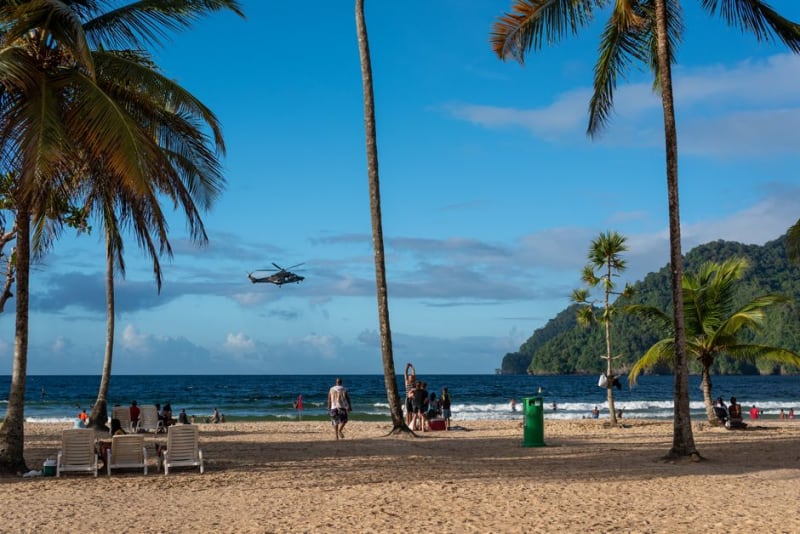 trinidad-and-tobago
 Englishman's Bay
A horseshoe of pale sand folded into Tobago's rainforested leeward coast, quiet enough to hear your own footsteps in the shallows.
Explore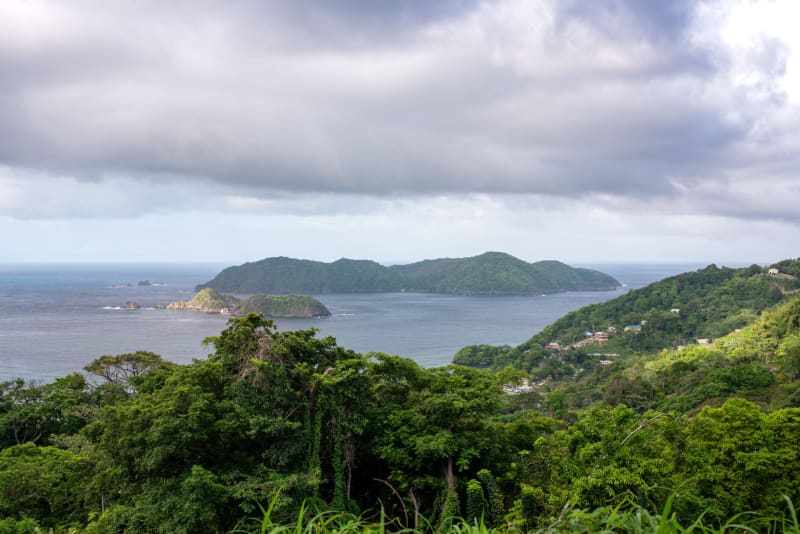 trinidad-and-tobago
 Main Ridge Forest Reserve
The oldest legally protected rainforest in the western hemisphere sits along Tobago's central spine, unchanged in its essentials since 1776, dripping and alive and indifferent to visitors.
Explore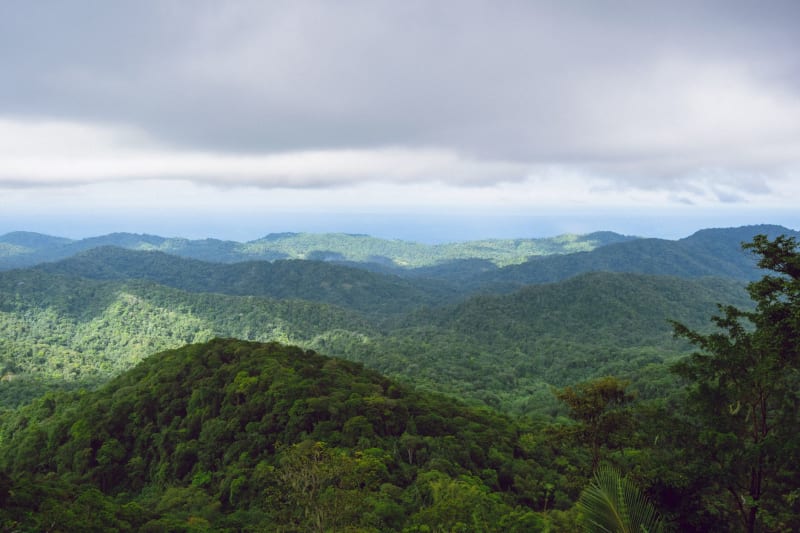 trinidad-and-tobago
 Maracas Bay
Trinidad's most beloved beach is really just a pretext for the national religion: bake and shark eaten standing up with your feet in the sand.
Explore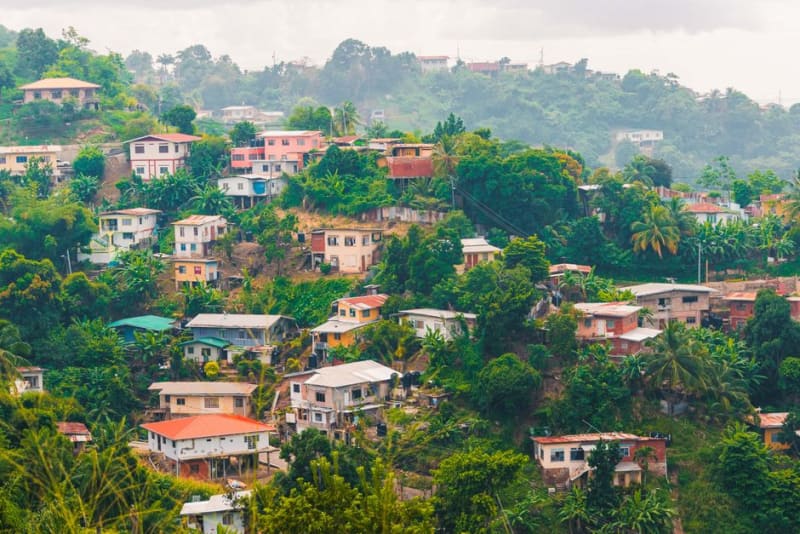 trinidad-and-tobago
 Mount St. Benedict
A Benedictine monastery clinging to the Northern Range above the Caroni Plain, where bells and birdsong compete for the last word.
Explore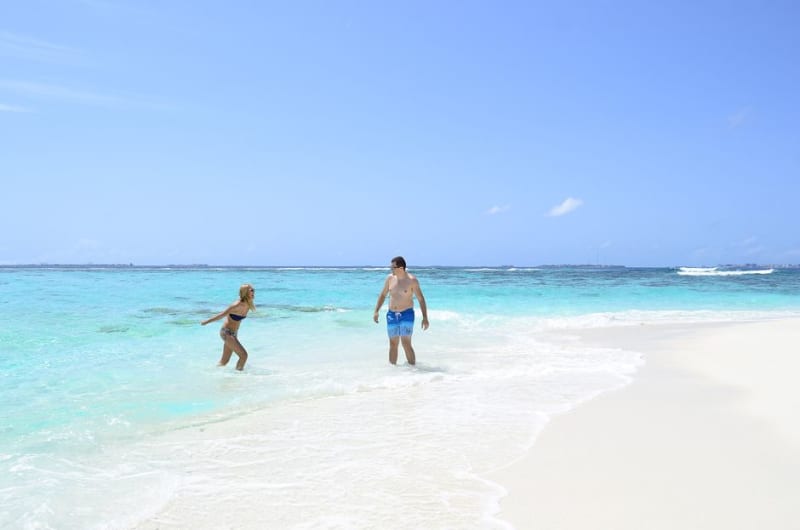 trinidad-and-tobago
 Nylon Pool
A waist-deep sandbar pool sitting in open sea off Tobago's coast, where the local legend says a swim takes years off your face.
Explore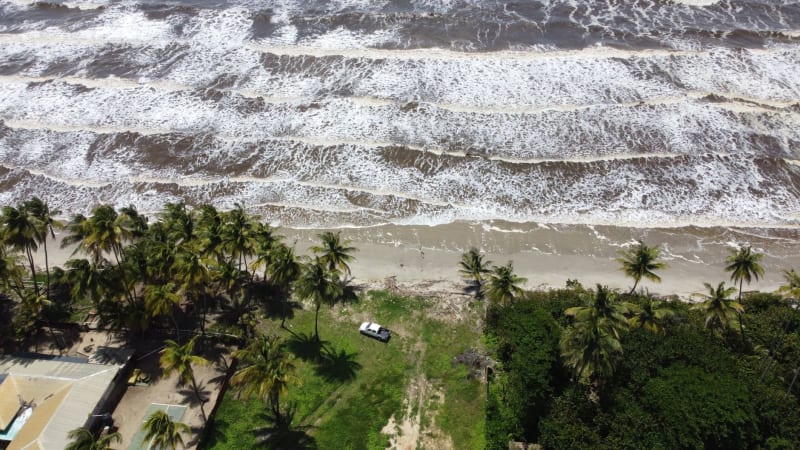 trinidad-and-tobago
 Pigeon Point
The photograph everyone takes of Tobago — a thatched jetty extending into water so turquoise it looks digitally adjusted — is real, and it's right here.
Explore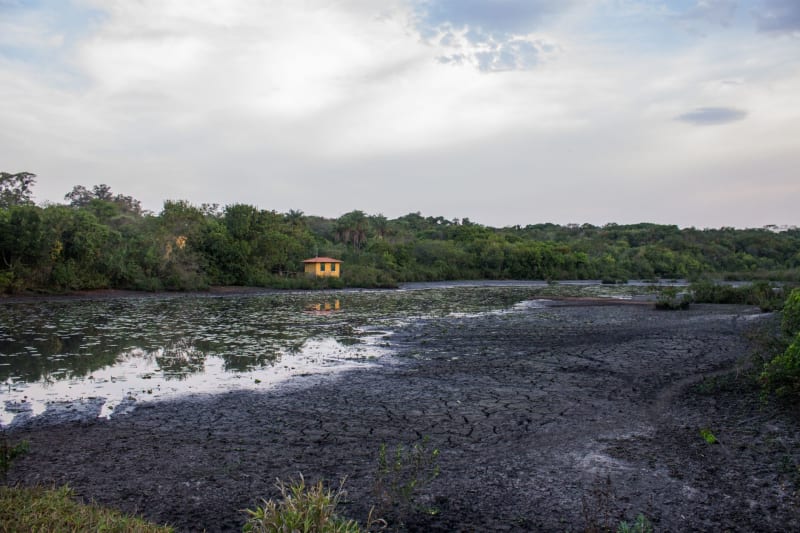 trinidad-and-tobago
 Pitch Lake
The world's largest natural asphalt lake sits in southwestern Trinidad looking like a parking lot that forgot to stop growing, and walking on it makes you question what solid actually means.
Explore trinidad-and-tobago
 Port of Spain
A capital that detonates into the world's greatest street party every February, then spends the rest of the year quietly plotting the next one.
Explore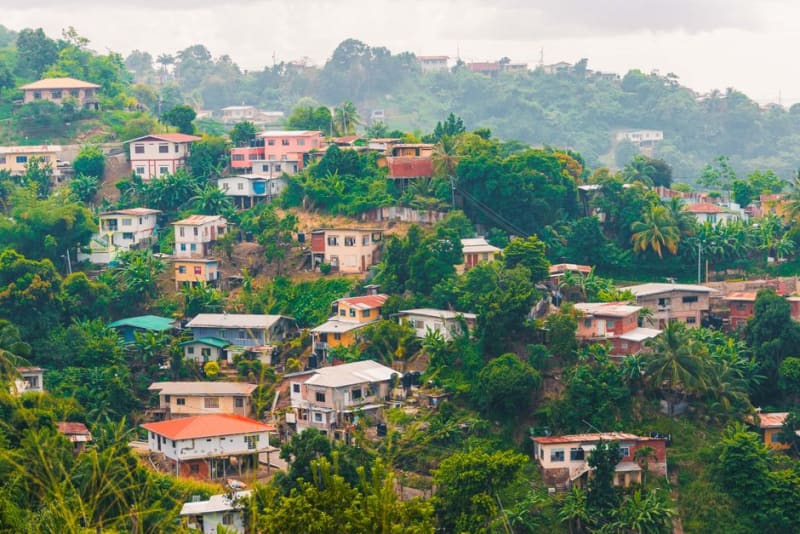 trinidad-and-tobago
 San Fernando
Trinidad's working second city, wrapped around a volcanic hill and humming with a market energy that Port of Spain has mostly traded away.
Explore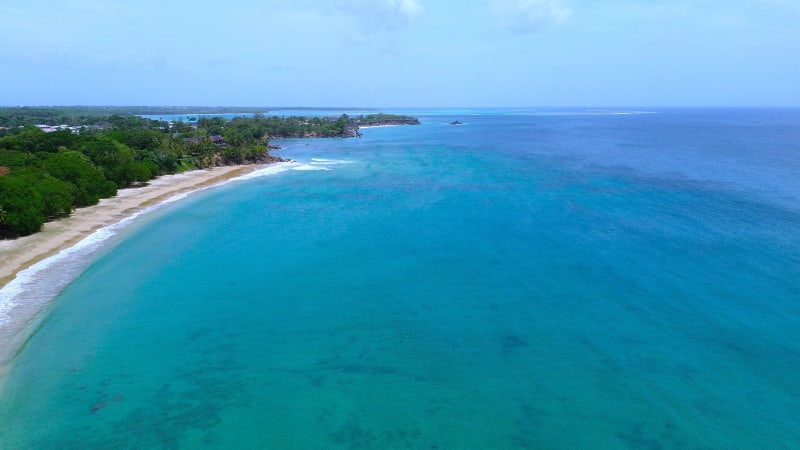 trinidad-and-tobago
 Scarborough
Tobago's hillside capital, where an old British fort looks down on a working harbour, a Friday market spills uphill, and the whole town smells of curry and sea salt.
Explore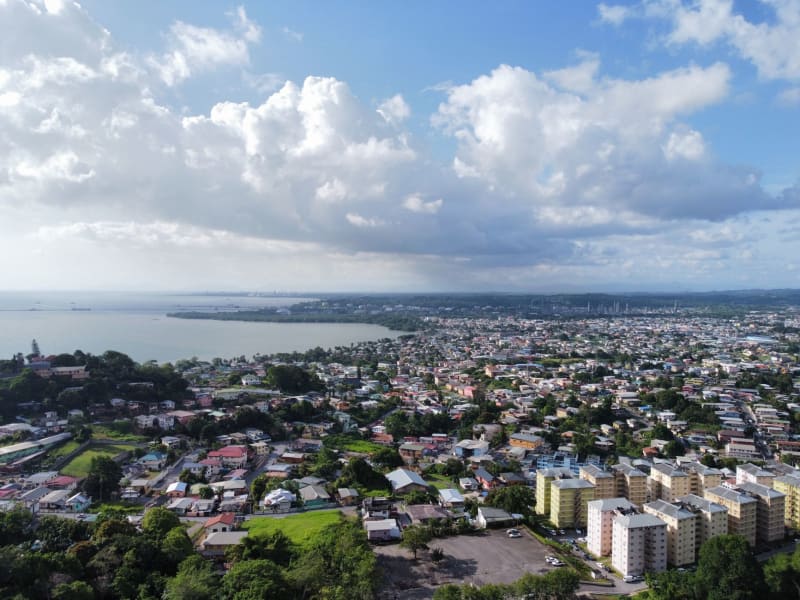 trinidad-and-tobago
 Speyside
A small fishing village on Tobago's wild northeastern coast where manta rays the size of dining tables drift through channels that serious divers travel across hemispheres to reach.
Explore