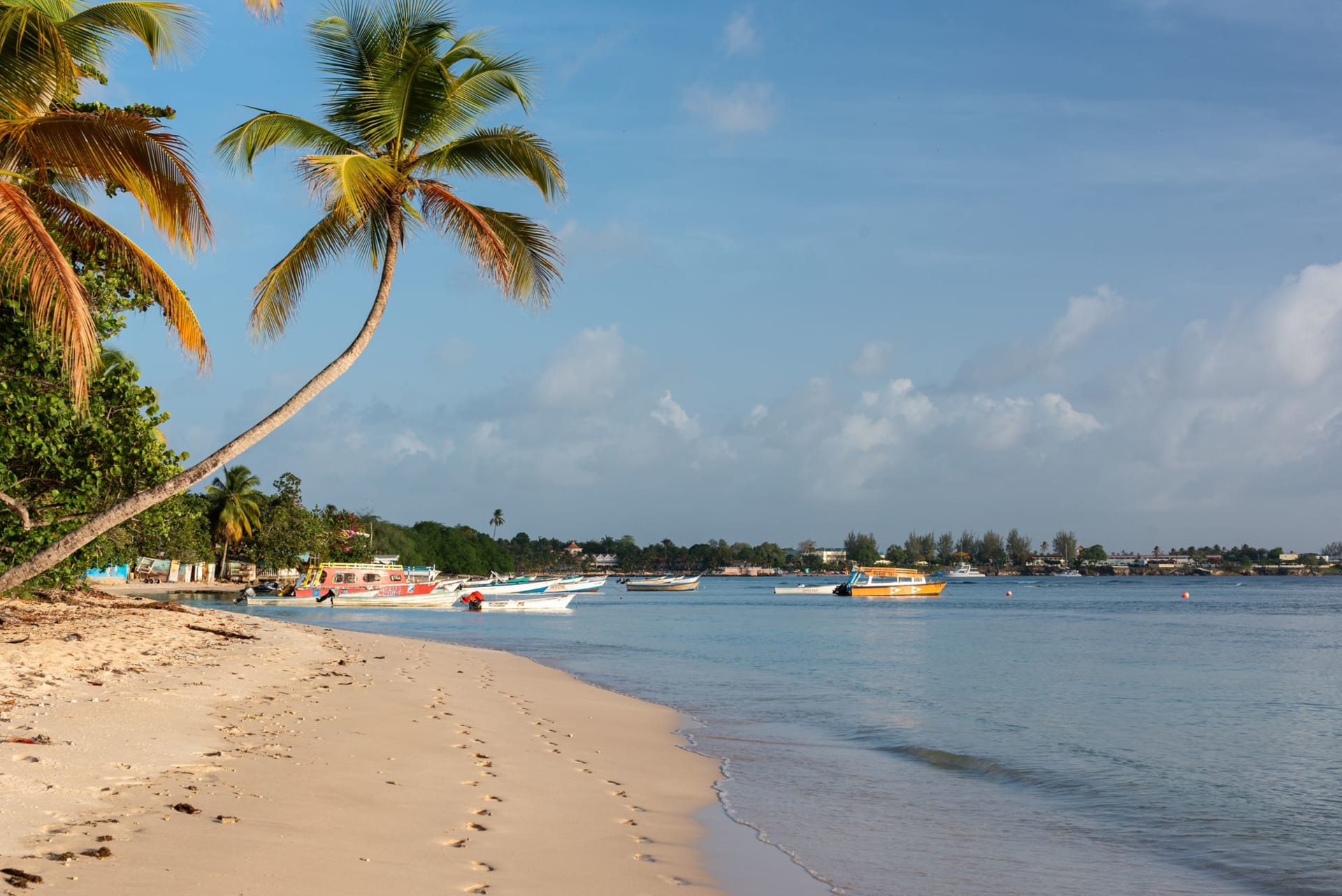
Crown Point
"The airport is forty meters from the beach. This is the correct way to build an airport."
Tobago's tourist hub is refreshingly small — a cluster of guesthouses, roti shops, and dive operators around the island's only international airport, with some of the best food per square meter in the Caribbean.

I walked out of Crown Point’s Scarborough airport, through the single-story terminal, and into humidity and the smell of frangipani and jet exhaust, which tells you immediately that this is going to be different from larger Caribbean destinations. There was no shuttle, no hotel corridor, no intermediate stage between landing and the island. I found a taxi, negotiated a fare in under two minutes with a driver named Gregory who had opinions about everything, and was at my guesthouse in eight minutes. The guesthouse was forty steps from the beach. This is more or less the Crown Point experience.
Store Bay
Store Bay is the beach adjacent to the airport, walkable from the main road, and one of those beaches that manages to be genuinely good despite being the most convenient one. The sand is fine and brown-white, the water clear and calm inside the small bay, and the beach huts along the back run by women who have been cooking here for decades serve the best crab and dumplings I ate in Tobago — a significant claim, because I ate crab and dumplings in a number of places specifically for comparative research purposes.
Miss Jean’s stall is the famous one, and famous correctly. The crab is local, the dumplings are hand-made and properly dense, and the curry sauce has a depth that suggests many hours and opinions. I ate it twice on my first visit and once more on my last morning before catching my flight, at which point the timing meant eating with my bags between my knees. Worth it.
Bon Accord Lagoon and the Mangroves
Crown Point sits at the western tip of Tobago beside Bon Accord Lagoon, a shallow sheltered lagoon protected by a coral reef and backed by mangroves. The lagoon is where the Nylon Pool boat trips depart, but the lagoon itself is worth exploring by kayak. I rented one from a place near Store Bay and paddled through the mangrove channels for two hours, following the canopy as it closed overhead, watching fiddler crabs work the mud at low tide, and finding the particular stillness that mangrove paddling produces — a combination of physical effort and sensory narrowing that functions as a kind of moving meditation.
The water in the lagoon varies between milky turquoise and clear depending on where you are and what the tide is doing. In the afternoon, when the sun is behind you heading west, the whole lagoon goes gold.
The Food Scene
Crown Point is small enough that its restaurant scene is pedestrian-accessible, which is either limiting or clarifying depending on your preferences. I found it clarifying. There are roti shops operating from early morning — split pea roti, curry chicken roti, pumpkin roti — and the quality ranges from very good to exceptional. There are rum bars with plastic chairs on sidewalks where Carib beer comes cold. There are a handful of proper restaurants serving updated Tobagonian cuisine for visitors, and they’re competent.
The real find was the fish market near the harbor that runs in the early mornings: fresh catch from local boats, sold at prices that made me briefly wish I had access to a kitchen.
The Pace and Purpose
Crown Point is useful rather than beautiful in the way that resort destinations are. It’s a base. You eat well, sleep comfortably, and use it as the logistical platform for everything else Tobago has to offer — the reef, the forest reserve, Charlotteville, Speyside. But the airport beach, the evening food trucks, and the general ease of moving around on foot give it a texture that rewards time rather than just transit.
When to go: The dry season (January–May) is peak, with reliable sun and calm water in the lagoon. February and March are the busiest and most expensive. October and November are the quietest and see the most afternoon rain, but prices drop significantly and the crowds disappear.
Keep exploring
More from Trinidad and Tobago
 trinidad-and-tobago
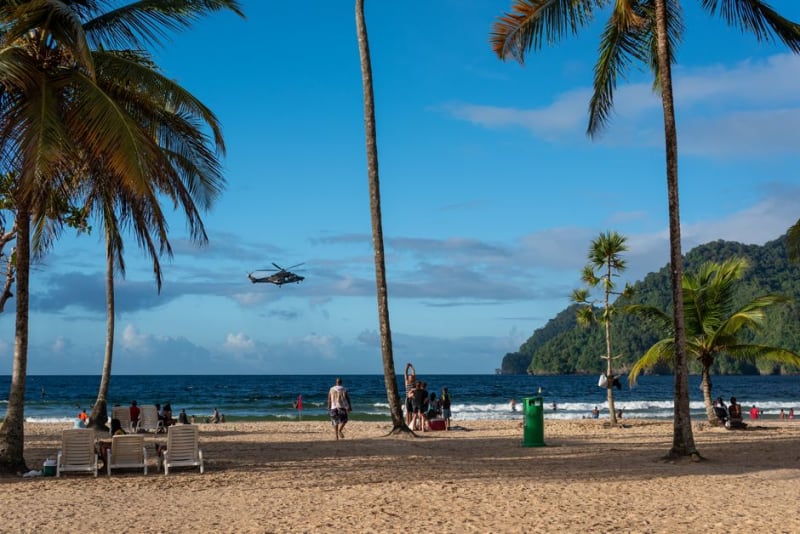
Englishman's Bay
A horseshoe of pale sand folded into Tobago's rainforested leeward coast, quiet enough to hear your own footsteps in the shallows.
Explore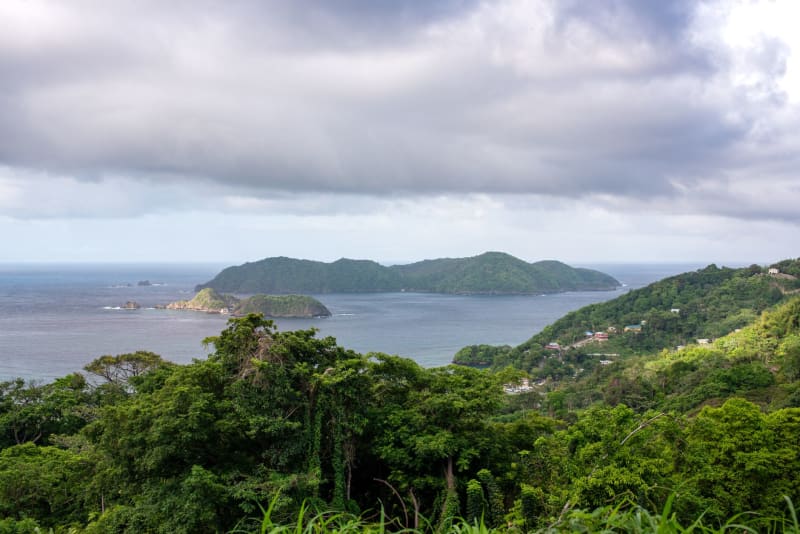 trinidad-and-tobago
Main Ridge Forest Reserve
The oldest legally protected rainforest in the western hemisphere sits along Tobago's central spine, unchanged in its essentials since 1776, dripping and alive and indifferent to visitors.
Explore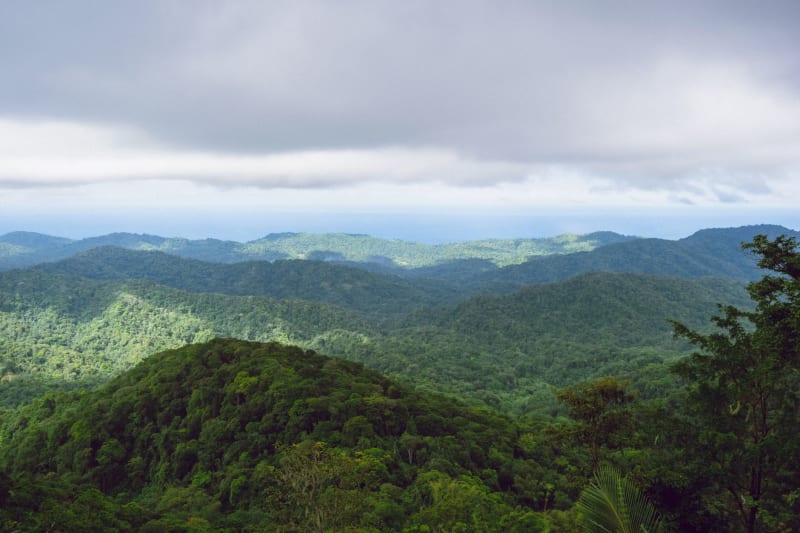 trinidad-and-tobago
Maracas Bay
Trinidad's most beloved beach is really just a pretext for the national religion: bake and shark eaten standing up with your feet in the sand.
Explore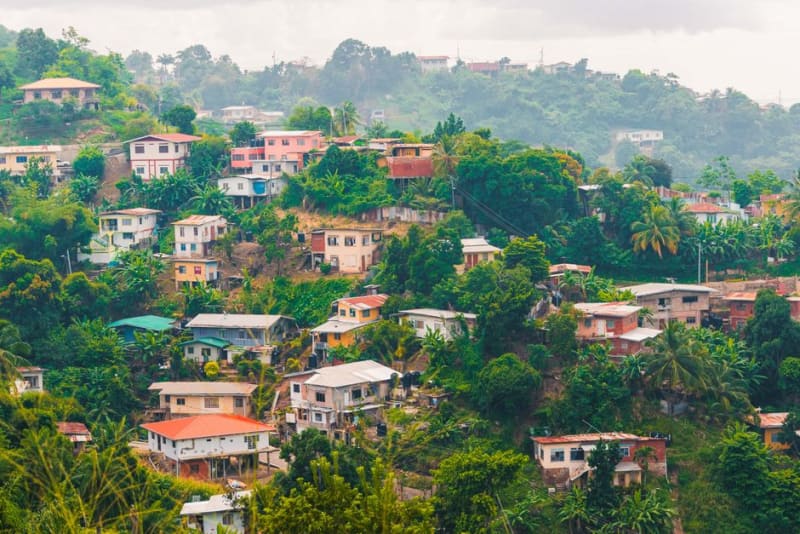 trinidad-and-tobago
Mount St. Benedict
A Benedictine monastery clinging to the Northern Range above the Caroni Plain, where bells and birdsong compete for the last word.
Explore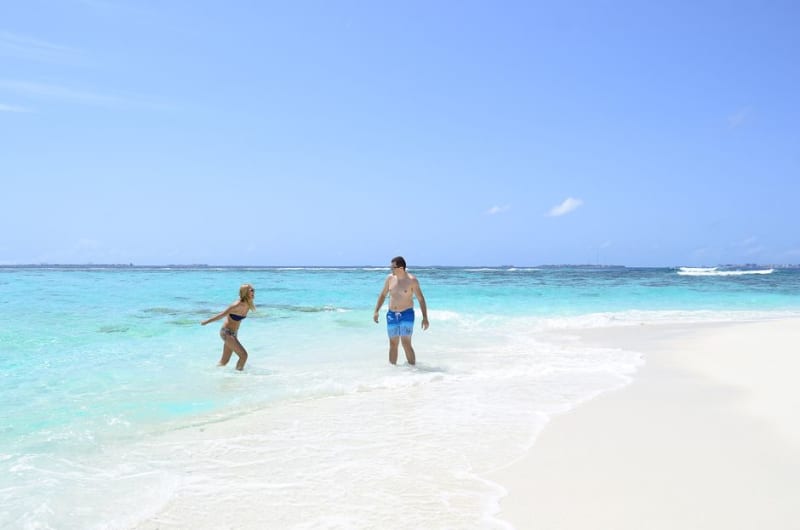 trinidad-and-tobago
Nylon Pool
A waist-deep sandbar pool sitting in open sea off Tobago's coast, where the local legend says a swim takes years off your face.
Explore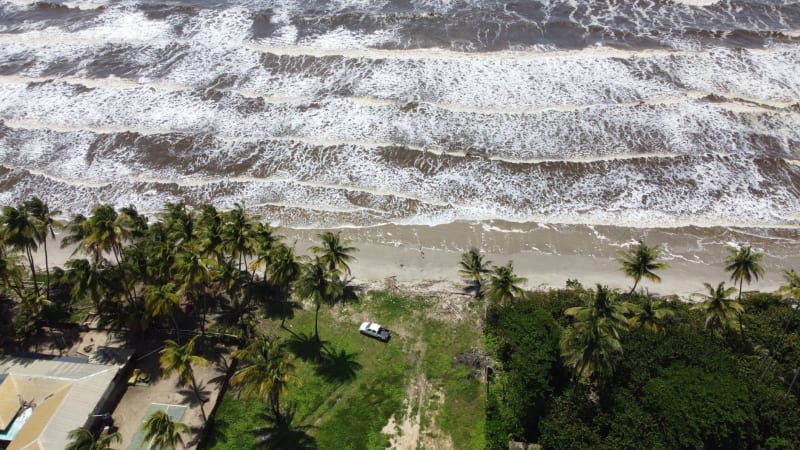 trinidad-and-tobago
Pigeon Point
The photograph everyone takes of Tobago — a thatched jetty extending into water so turquoise it looks digitally adjusted — is real, and it's right here.
Explore