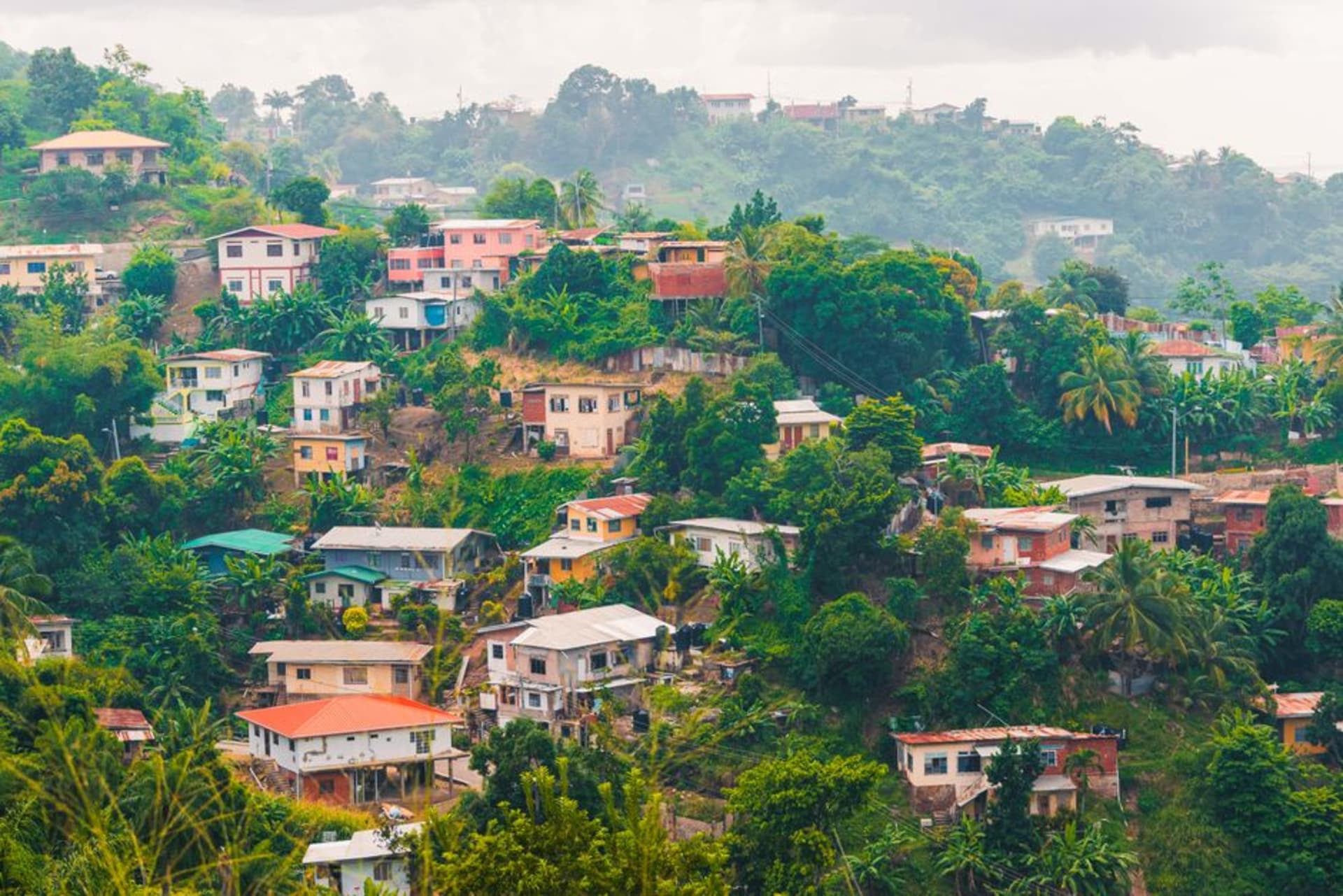
San Fernando
"Nobody in San Fernando was trying to sell me an experience, they were just living in one, and I liked that a lot more than I expected to."
Trinidad's working second city, wrapped around a volcanic hill and humming with a market energy that Port of Spain has mostly traded away.

I’ll admit I went to San Fernando expecting a smaller, quieter version of Port of Spain, and got something else entirely: a city that doesn’t much care what you think of it. It’s Trinidad’s second city, built up around San Fernando Hill, a lump of volcanic rock that’s been quarried at for over a century and still dominates the skyline like a scar that decided to become a landmark. You see it from almost everywhere in town, half-green and half-cut-away, which tells you something about how this place has always made its living.
We wandered down into the market on Coffee Street on a Saturday morning, and it was the kind of chaos I actually enjoy, doubles vendors shouting over each other, buckets of channa, a woman selling nothing but combs and hair grease from a card table. Lia bought a bag of five-finger fruit she couldn’t identify until a stranger told her what it was. Nobody was performing for tourists because there basically weren’t any, which after a while starts to feel like the point.

We climbed San Fernando Hill in the late afternoon, up through the park that’s been carved into what’s left of the quarry, past a lookout where teenagers were doing exactly what teenagers do at any lookout anywhere. From the top you get the whole Gulf of Paria laid out, refineries and fishing boats and container ships all sharing the same water, plus a view back over the rooftops of the city itself, which from up there looks bigger and denser than it feels at street level.

What stuck with me most was just how unbothered the city is. This is oil and gas country, Trinidad’s industrial spine, and San Fernando carries that identity without any real effort to dress it up for visitors. We ate roti at a place with no sign that a taxi driver insisted on, and it was better than anything we’d had in the capital. I left thinking San Fernando doesn’t need you to like it, which is exactly why I did.
When to go: Weekday mornings for the market at its liveliest, or late afternoon for the hill when the heat breaks and the light over the Gulf turns soft.
Keep exploring
More from Trinidad and Tobago
 trinidad-and-tobago
Scarborough
Tobago's hillside capital, where an old British fort looks down on a working harbour, a Friday market spills uphill, and the whole town smells of curry and sea salt.
Explore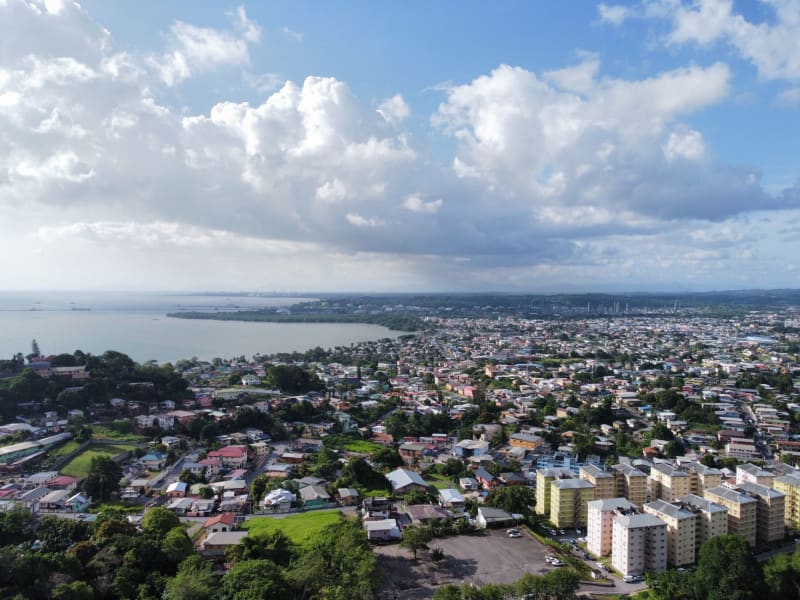 trinidad-and-tobago
Speyside
A small fishing village on Tobago's wild northeastern coast where manta rays the size of dining tables drift through channels that serious divers travel across hemispheres to reach.
Explore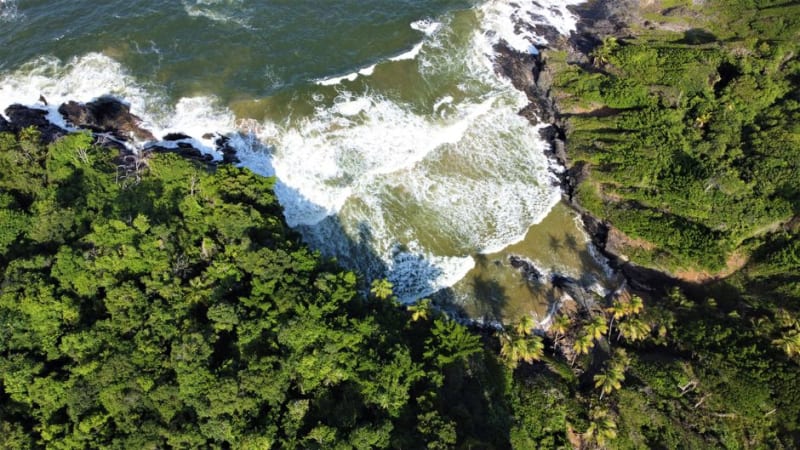 trinidad-and-tobago
Toco
A weathered fishing village at Trinidad's northeastern corner, where the Atlantic and the Caribbean visibly collide beneath a lonely lighthouse.
Explore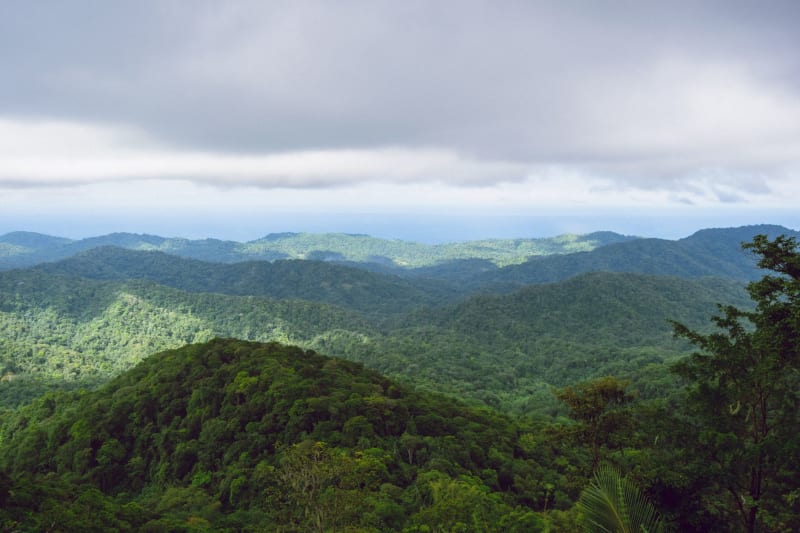 trinidad-and-tobago
Asa Wright Nature Centre
A colonial-era estate perched in the rainforest-draped Northern Range where birders from every continent come to stare at hummingbirds for hours and consider it well spent.
Explore trinidad-and-tobago
Buccoo Reef and Nylon Pool
Tobago's most famous reef is slowly recovering from decades of overuse, while the Nylon Pool — a shallow sandbar in the middle of the ocean — remains the most improbable place to stand and feel invincible.
Explore trinidad-and-tobago
Caroni Swamp
Every evening at dusk, thousands of scarlet ibis spiral down from the sky to roost in the mangroves of Caroni, turning the trees red in a spectacle that feels genuinely impossible.
Explore