Toco
"We stood at the point watching two different seas argue with each other and I understood, finally, why people drive two hours for a lighthouse."
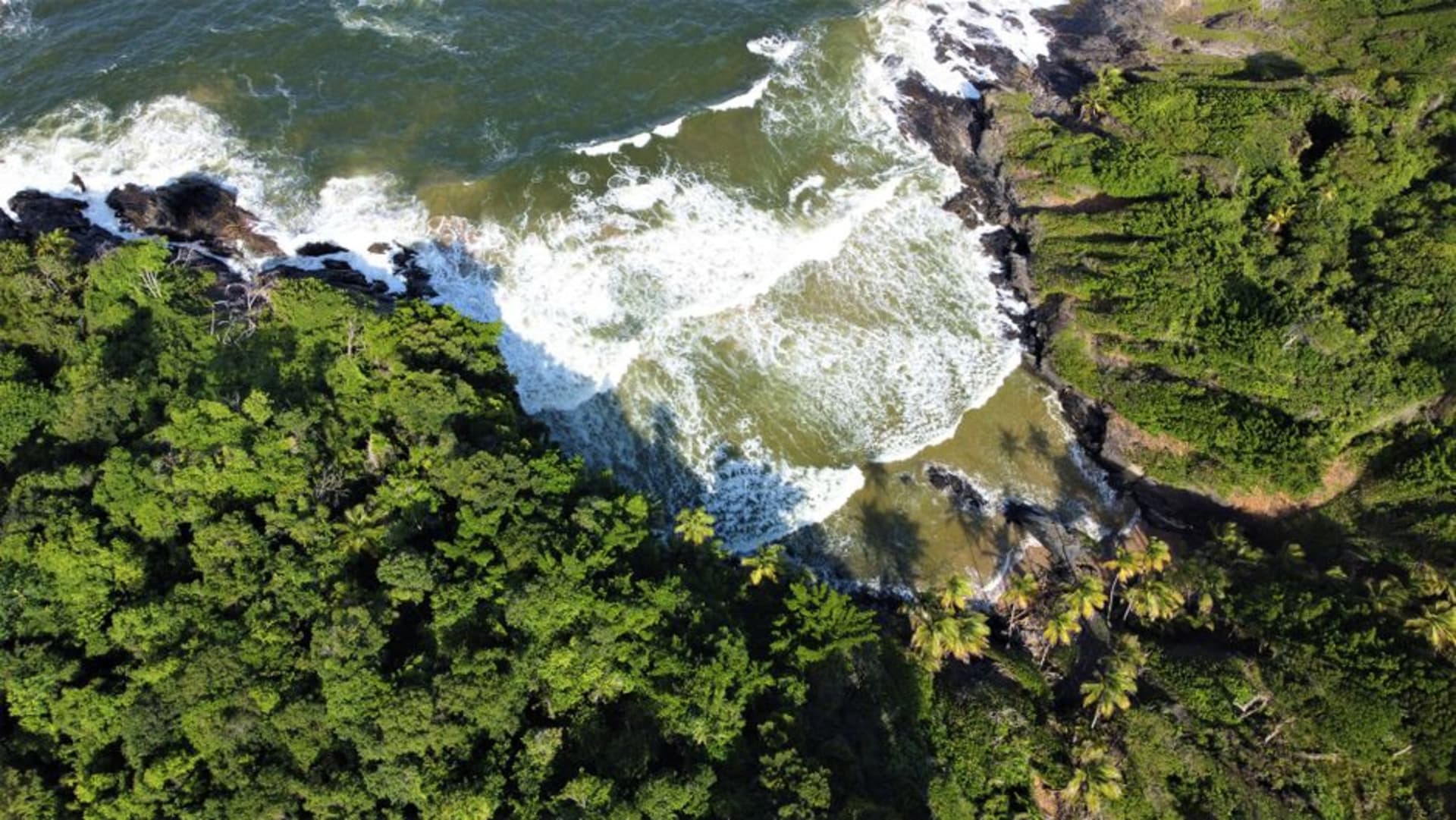
A weathered fishing village at Trinidad's northeastern corner, where the Atlantic and the Caribbean visibly collide beneath a lonely lighthouse.

The drive to Toco takes you through the last stretch of Trinidad that still feels genuinely rural, cocoa and coconut estates giving way to a coast road that clings to cliffs above water so rough it looks like a different ocean than the one down at Maracas. Which, in a sense, it is. Toco sits right where the Caribbean Sea and the Atlantic Ocean meet, and from the point near the lighthouse you can actually see it, two different textures of water pushing against each other in a visible seam that I stood staring at for way too long trying to convince myself it was really there.
The village itself is small and unfussy, pirogues pulled up on the sand, nets drying over fences, a handful of rum shops where the domino games start before noon. We got to Toco Lighthouse in the late afternoon and had it almost entirely to ourselves, just an older fisherman mending a net at the base of the cliff who nodded at us and kept working. The lighthouse itself, squat and white, has been guiding ships around this corner of the island since the 1890s, and standing beside it in the wind you understand exactly why it’s needed to.

We ate at a stand near the fishing depot, grilled kingfish that had probably been swimming that morning, wrapped in foil and eaten standing up because there was nowhere to sit. The man who sold it to us said Toco used to be the ferry point to Tobago before the route moved, and you can feel that faded importance in the place, like a village that peaked at something and settled comfortably into what came after.

What I liked most about Toco was how far it felt from everywhere else in Trinidad, not in kilometers, which aren’t that many, but in temperament. Nobody rushes here. We sat on the rocks near the point long after the light had gone properly gold, watching the two seas keep doing whatever it is they do, and neither of us was in a hurry to leave.
When to go: Dry season afternoons, roughly January to May, when the light is best for the lighthouse and the coast road is least likely to be washed out by rain.
Keep exploring
More from Trinidad and Tobago
 trinidad-and-tobago
Asa Wright Nature Centre
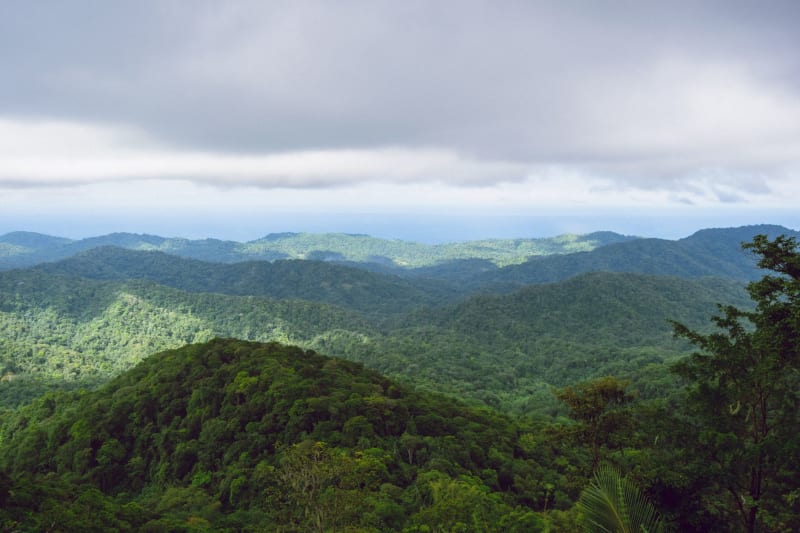
A colonial-era estate perched in the rainforest-draped Northern Range where birders from every continent come to stare at hummingbirds for hours and consider it well spent.
Explore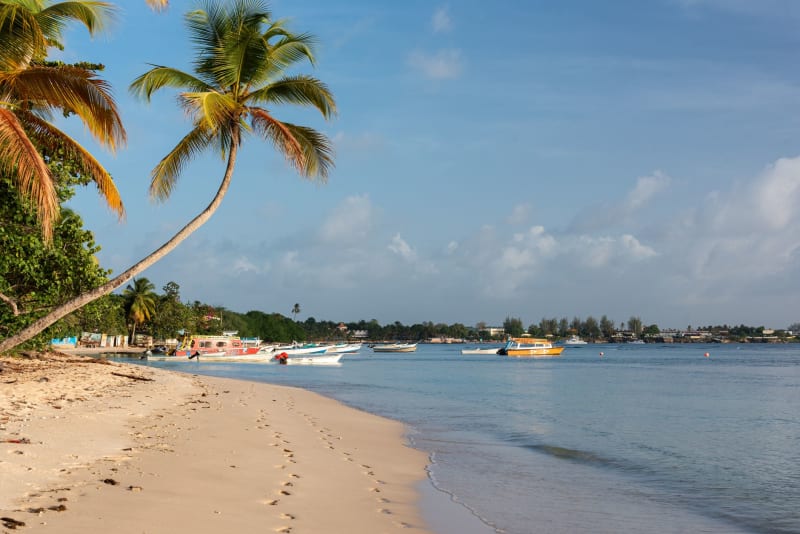 trinidad-and-tobago
Buccoo Reef and Nylon Pool
Tobago's most famous reef is slowly recovering from decades of overuse, while the Nylon Pool — a shallow sandbar in the middle of the ocean — remains the most improbable place to stand and feel invincible.
Explore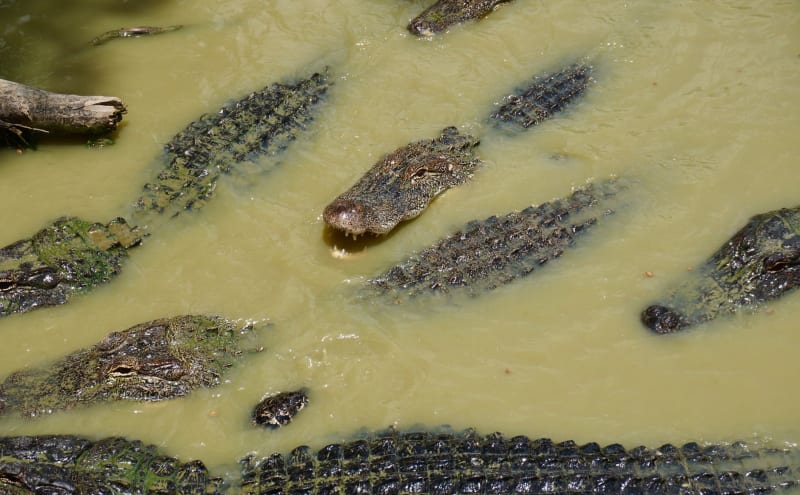 trinidad-and-tobago
Caroni Swamp
Every evening at dusk, thousands of scarlet ibis spiral down from the sky to roost in the mangroves of Caroni, turning the trees red in a spectacle that feels genuinely impossible.
Explore trinidad-and-tobago
Charlotteville
At the far end of a road that tests your commitment to getting there, Charlotteville sits in a perfect bay and gets on with life at a pace the rest of the world has mostly forgotten.
Explore trinidad-and-tobago
Crown Point
Tobago's tourist hub is refreshingly small — a cluster of guesthouses, roti shops, and dive operators around the island's only international airport, with some of the best food per square meter in the Caribbean.
Explore trinidad-and-tobago
Englishman's Bay
A horseshoe of pale sand folded into Tobago's rainforested leeward coast, quiet enough to hear your own footsteps in the shallows.
Explore