Mount St. Benedict
"We sat on a low wall outside the chapel and watched the whole Caroni Plain go hazy gold, and neither of us said anything for a long time."
A Benedictine monastery clinging to the Northern Range above the Caroni Plain, where bells and birdsong compete for the last word.

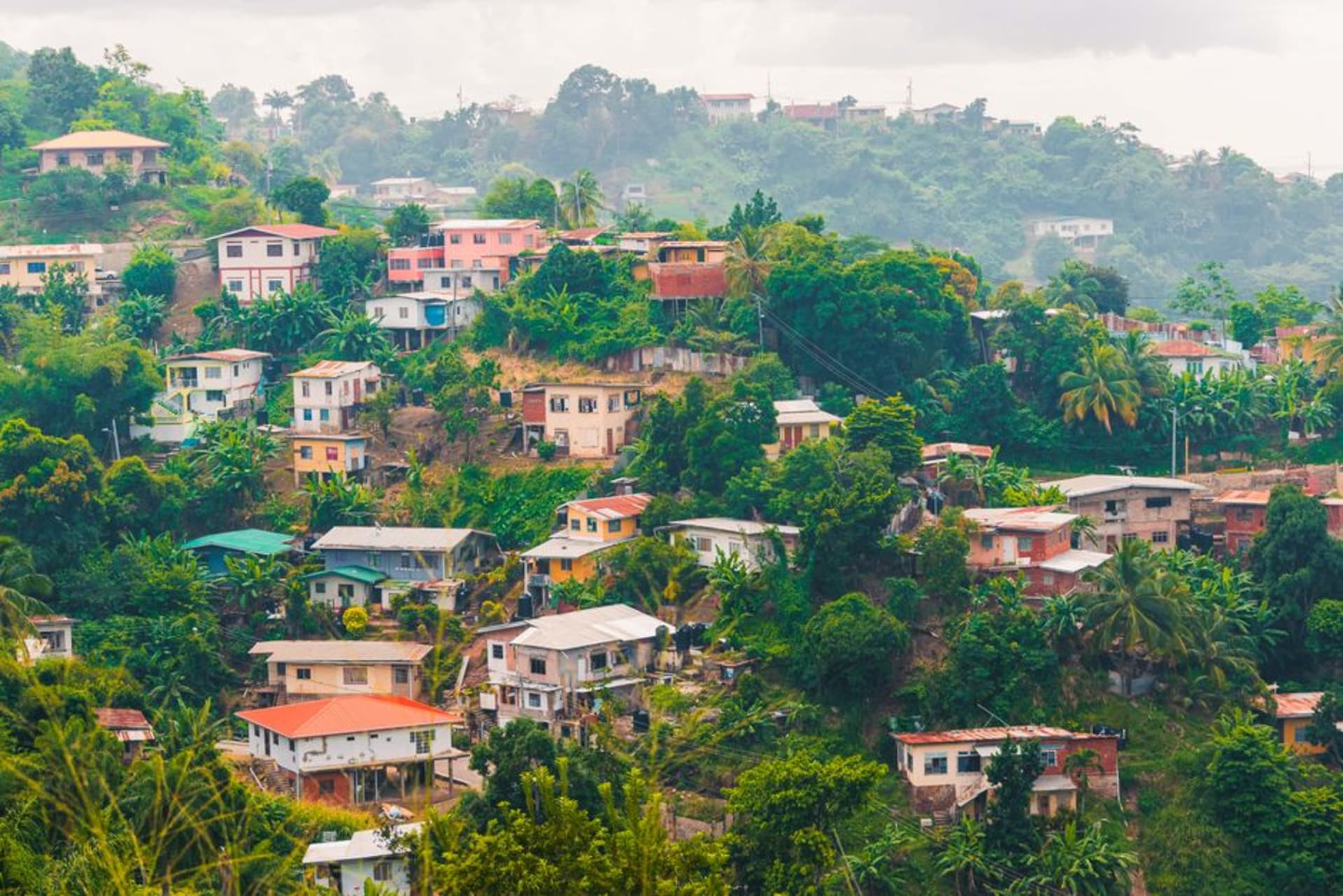
Mount St. Benedict was one of those places I only went to because Lia insisted, and then spent the whole drive back apologizing to her for doubting it. It’s a working Benedictine monastery, the oldest in the Caribbean, built into the side of the Northern Range above Tunapuna, and the road up is steep enough that our little rental complained the whole way. What you don’t expect, coming from the traffic and noise of the East-West corridor, is how fast the air changes, cooler, thinner almost, with the kind of quiet that makes you realize how loud everywhere else has been.
We arrived mid-morning and the monks were mostly out of sight, but a novice pointed us toward the guesthouse terrace, and that’s where the trip earned itself. The Caroni Plain spreads out below in a way that makes the whole flat middle of Trinidad look like a green quilt, rice fields and sugar cane and the Caroni Swamp somewhere out past the haze where we knew the scarlet ibis roost every evening. You can’t see the birds from up there, but knowing they’re down there somewhere adds something.

We poked around the small museum, which is unpretentious almost to a fault, some old photographs, a display on the monks’ beekeeping operation, and a chapel that smells like every old chapel I’ve ever been in, wood polish and candle wax and something harder to name. I lit a candle for my grandmother out of habit more than faith, and Lia bought a jar of the monastery’s own honey from the little shop, which we finished within a week and regretted not buying two of.

There’s a trail behind the monastery that climbs further up toward a smaller retreat house, and we followed it partway before the heat and my own laziness turned us back. What I took from Mount St. Benedict wasn’t anything religious exactly, more a reminder that Trinidad, an island I’d mostly experienced through carnival and traffic and steel pan, also has this other gear, slow and green and monastic, sitting quietly above it all.
When to go: Weekday mornings, when the monastery is calm and the plain below hasn’t hazed over yet; avoid Sunday mass hours unless you’re there to attend.
Keep exploring
More from Trinidad and Tobago
 trinidad-and-tobago
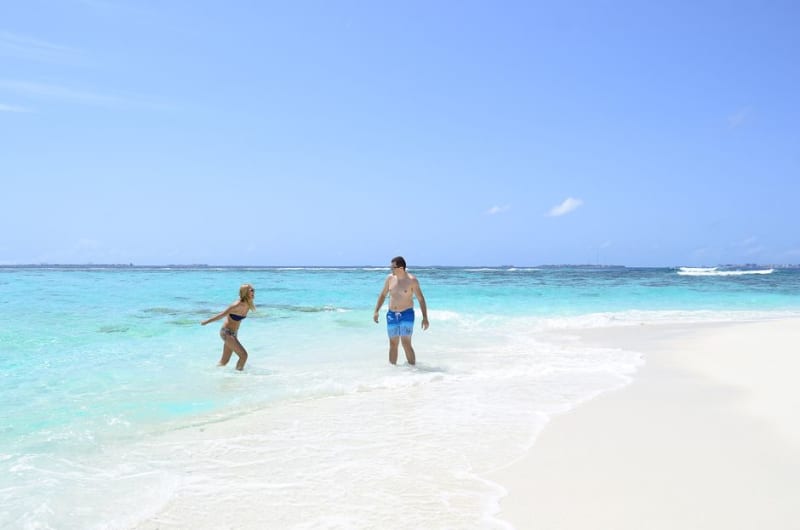
Nylon Pool
A waist-deep sandbar pool sitting in open sea off Tobago's coast, where the local legend says a swim takes years off your face.
Explore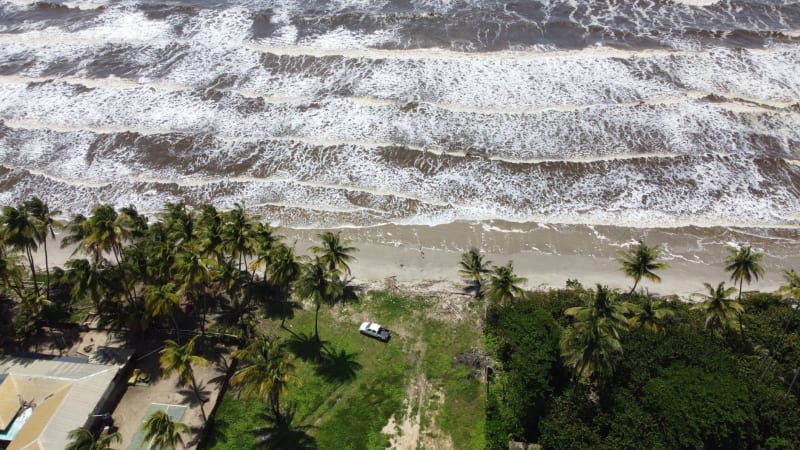 trinidad-and-tobago
Pigeon Point
The photograph everyone takes of Tobago — a thatched jetty extending into water so turquoise it looks digitally adjusted — is real, and it's right here.
Explore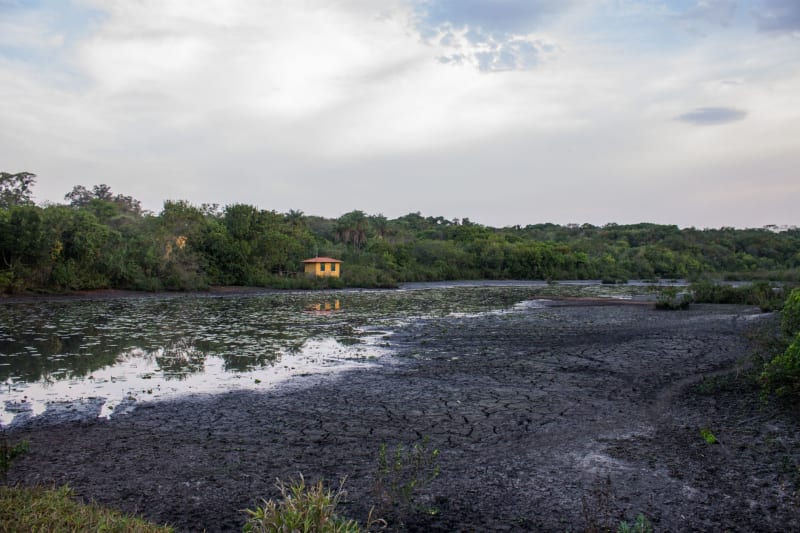 trinidad-and-tobago
Pitch Lake
The world's largest natural asphalt lake sits in southwestern Trinidad looking like a parking lot that forgot to stop growing, and walking on it makes you question what solid actually means.
Explore trinidad-and-tobago
Port of Spain
A capital that detonates into the world's greatest street party every February, then spends the rest of the year quietly plotting the next one.
Explore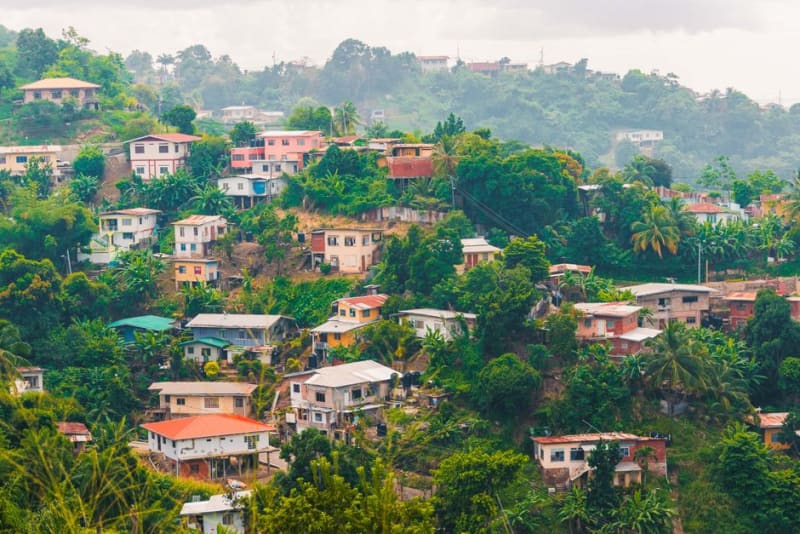 trinidad-and-tobago
San Fernando
Trinidad's working second city, wrapped around a volcanic hill and humming with a market energy that Port of Spain has mostly traded away.
Explore trinidad-and-tobago
Scarborough
Tobago's hillside capital, where an old British fort looks down on a working harbour, a Friday market spills uphill, and the whole town smells of curry and sea salt.
Explore