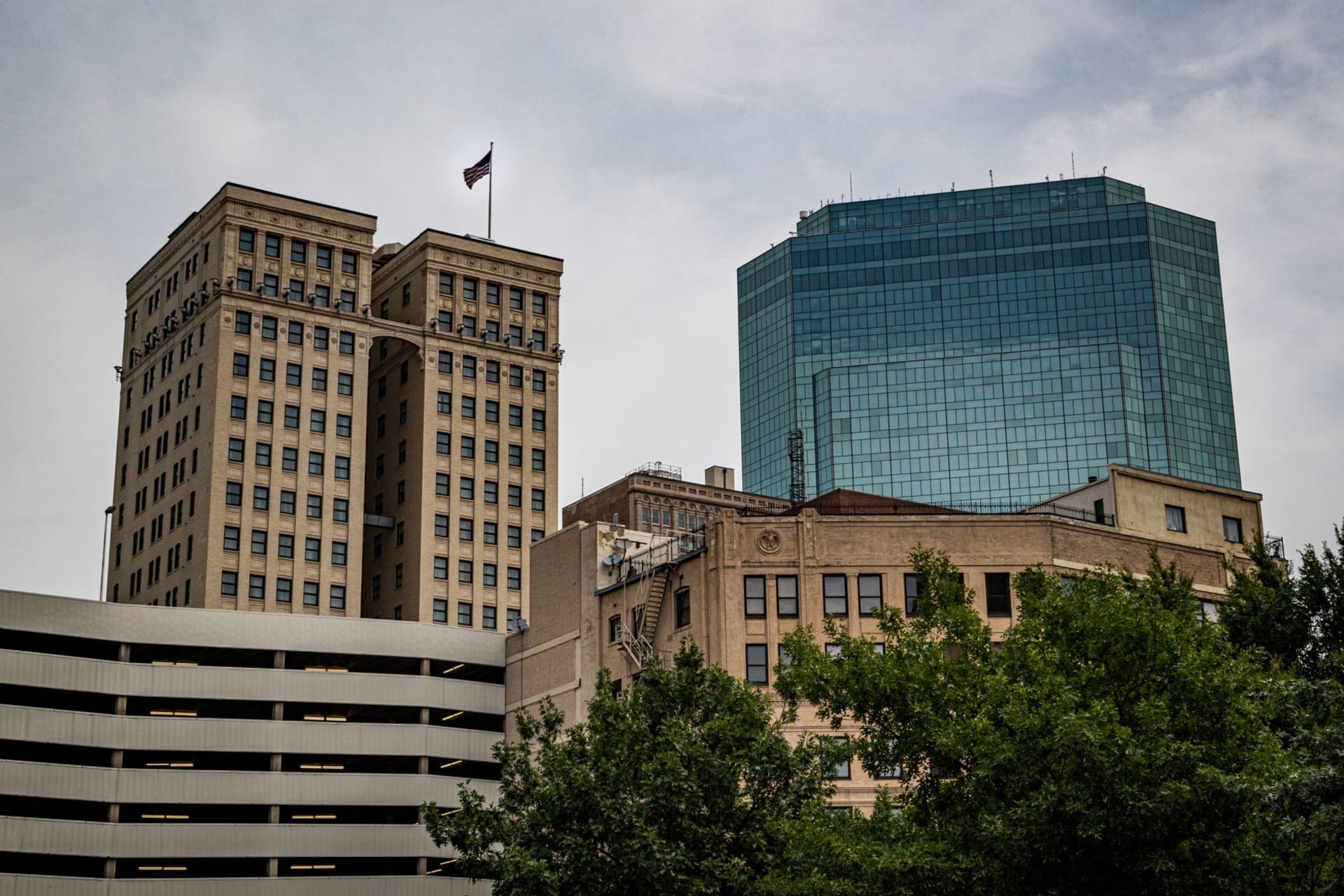
A college town that grew a real downtown while no one was watching, with a Market Square that hums on weekend mornings and a Tennessee River greenway that makes leaving feel unnecessary.

Knoxville has the specific charm of a city that isn’t trying to be somewhere else. It’s not Nashville. It’s not Asheville. It’s not trying to be either. The University of Tennessee gives it a persistent undergraduate energy, Market Square gives it a center of gravity, and the proximity to Great Smoky Mountains National Park gives it a reason to have excellent gear shops and mediocre tourist restaurants alongside the genuinely good ones.
I arrived on a Friday afternoon and went straight to Market Square, which turns out to be the correct decision. The square is bounded by 19th-century commercial buildings that have been occupied continuously enough to develop actual character — not the invented character of a restoration project, but the accumulated character of buildings that have held hardware stores and lawyers’ offices and now hold wine bars and barbecue joints.
Market Square and the Old City
The Saturday morning farmers market on Market Square is one of the better ones I’ve encountered in the South: microgreens and pawpaws and sourwood honey and a man selling beeswax candles who explained the difference between clover and wildflower honey for longer than I’d expected and was entirely worth listening to. The Tennessee Theatre nearby — a 1920 movie palace with a Moorish interior that seats 1,600 people — hosts the Knoxville Symphony and occasional film screenings. I walked in for a matinee of a restored print of something Italian and sat under the painted plaster sky feeling like I’d stumbled into someone’s fond memory.
The Old City neighborhood, a few blocks east, is where the bars and music venues cluster after dark. The Preservation Pub is a sprawling multi-floor operation with live music on multiple stages simultaneously. It’s louder than it needs to be and exactly right.
The Sunsphere and the 1982 World’s Fair Legacy
The Sunsphere — a gold-mirrored globe on a 266-foot steel tower — was the symbol of the 1982 World’s Fair, the last one held on American soil. It looks like a giant cocktail olive, which I mean affectionately. The observation deck is free, open to the public, and almost entirely unknown to the visitors who drive past it daily. The view from the fourth level takes in the Tennessee River, the university, and the Cumberland Mountains beyond. I shared the deck with exactly two other people on a Tuesday afternoon.
The World’s Fair Park below the tower is a pleasant, slightly melancholy space — fountains and walking paths on the footprint of a fair that lasted six months in 1982 and then stopped. Knoxville built it anyway and kept the bones.
The Tennessee River Greenway
The Urban Wilderness trail network on the south side of the river connects nearly 50 miles of trails through forest and former industrial land, most of it within city limits. The William Hastie Natural Area has limestone sinkholes and cedar glades. The House Mountain trail above the city proper offers a ridge walk with views back toward downtown. I rented a bike from a shop near the river and spent a morning without a plan, which is the correct strategy.
Gateway to the Smokies
Knoxville sits 45 minutes from the Sugarlands Visitor Center at the park entrance near Gatlinburg. This makes it a practical base for Smokies visits without the resort-town pricing of Gatlinburg itself. The gear shops on Kingston Pike are well-stocked, the hardware stores know what you need, and the coffee is better than anything inside the park boundary.
When to go: April through early June for wildflower season access to the Smokies plus Market Square at its most social. October for fall color visible from every hill in town. The University of Tennessee home football games in autumn take over the city in a way that’s either festive or overwhelming depending on your tolerance for orange.
Keep exploring
More from Tennessee
 tennessee
 Lynchburg
A town of 6,000 people in Moore County — the smallest county in Tennessee and technically dry — that produces the world's best-selling American whiskey and seems quietly delighted by the contradiction.
Explore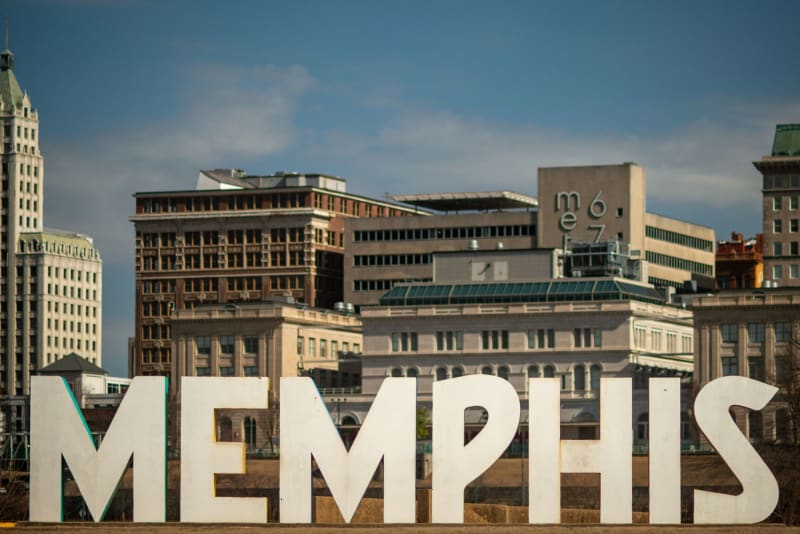 tennessee
 Memphis
A city still processing its own history — where the blues came from the Delta, the BBQ smoke never stops, and the weight of what happened at the Lorraine Motel changes you.
Explore tennessee
 Murfreesboro
A booming Nashville suburb built around a Civil War battlefield, where new subdivisions now edge right up to Stones River's old cannon lines.
Explore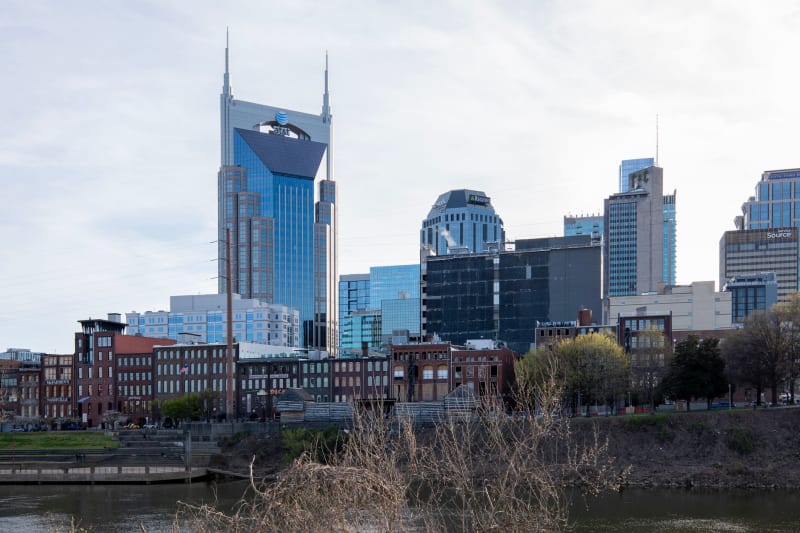 tennessee
 Nashville
A city where neon honky-tonks and James Beard restaurants share the same block, and the music is never background noise.
Explore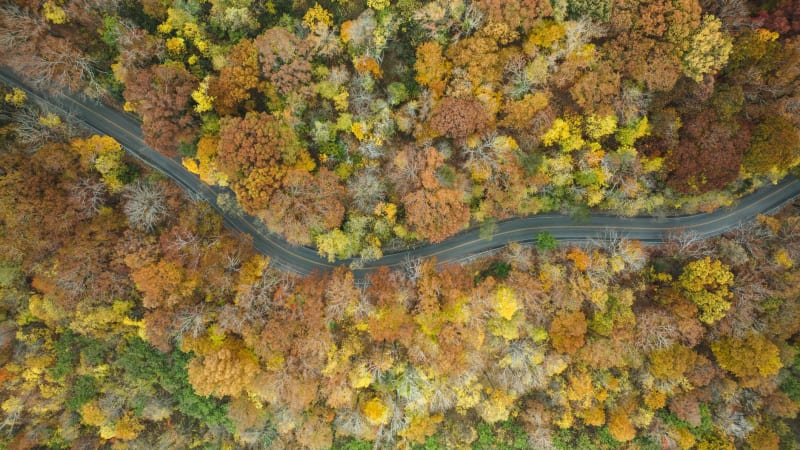 tennessee
 Natchez Trace Parkway
A 444-mile road that follows the oldest trail in North America — from Natchez, Mississippi to Nashville — with no commercial traffic, no billboards, and a silence that the 19th century would recognize.
Explore tennessee
 Pigeon Forge
A neon-lit mountain resort strip built almost entirely around Dolly Parton's Dollywood, equal parts kitsch and genuine Appalachian pride.
Explore