
Murfreesboro
"I stood at the Stones River artillery line reading a plaque about the worst single day of casualties in the war and heard someone's leaf blower start up two streets over."
A booming Nashville suburb built around a Civil War battlefield, where new subdivisions now edge right up to Stones River's old cannon lines.

Murfreesboro is a strange kind of layered place, and I mean that as a compliment. It’s officially one of the fastest-growing cities in Tennessee right now, all new roundabouts and beige subdivisions radiating out from a genuinely charming brick courthouse square, but underneath that suburban sprawl sits Stones River National Battlefield, where in the first days of 1863 Union and Confederate armies fought one of the bloodiest engagements of the entire Civil War. Nearly a quarter of the roughly 80,000 men who fought there ended up killed, wounded, or missing. Walking the preserved artillery line at dawn, cannons still aimed across the same open ground, with a Chick-fil-A visible past the tree line, gave me a genuinely disorienting sense of how close American history sits to its present-day strip malls.
We spent our first afternoon just wandering the courthouse square downtown, which does the small-Southern-city thing well — a used bookstore that smelled like every used bookstore should, a coffee shop where the barista knew half the customers by name, antique stores with more Civil War minié balls in glass cases than I expected to see casually for sale. Lia found a genuinely great local record shop and I ended up talking baseball with the owner for twenty minutes about a Nashville Sounds game neither of us had actually seen.

The battlefield itself deserves more time than most people give it — we allotted an hour and stayed almost three. The visitor center museum lays out the battle with an even hand, not the sanitized version I half expected, and the self-guided driving tour takes you past the Round Forest, the Slaughter Pen rock formations where fighting got hand-to-hand among the limestone outcrops, and a national cemetery with row after row of small white markers, many simply reading “unknown.” It’s a somber counterweight to the rest of the town’s very present-tense energy of new breweries and college students from nearby MTSU.

What I keep coming back to about Murfreesboro is that contrast — a city sprinting toward its future as a Nashville bedroom community while a preserved battlefield sits almost literally in its backyard, visited more by school field trips than by out-of-state travelers. It felt honest in a way a lot of more polished historic sites don’t.
When to go: Spring or fall, when the battlefield’s open fields are green or turning and the humidity that blankets middle Tennessee in summer hasn’t set in yet.
Keep exploring
More from Tennessee
 tennessee
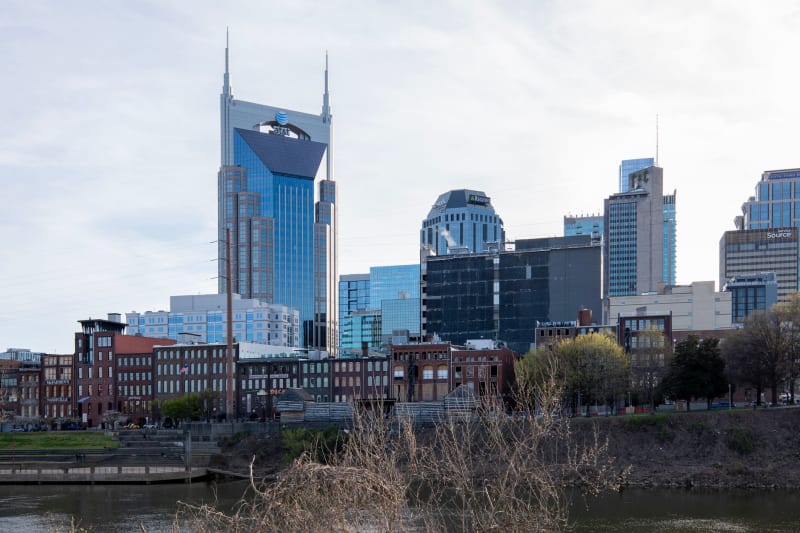
 Nashville
A city where neon honky-tonks and James Beard restaurants share the same block, and the music is never background noise.
Explore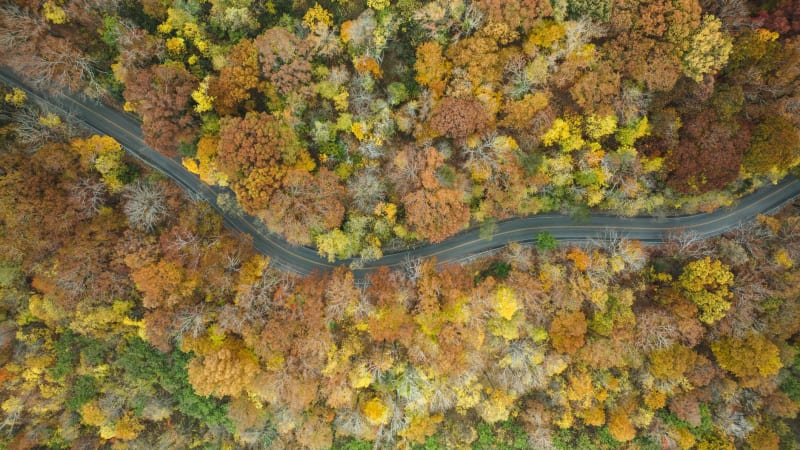 tennessee
 Natchez Trace Parkway
A 444-mile road that follows the oldest trail in North America — from Natchez, Mississippi to Nashville — with no commercial traffic, no billboards, and a silence that the 19th century would recognize.
Explore tennessee
 Pigeon Forge
A neon-lit mountain resort strip built almost entirely around Dolly Parton's Dollywood, equal parts kitsch and genuine Appalachian pride.
Explore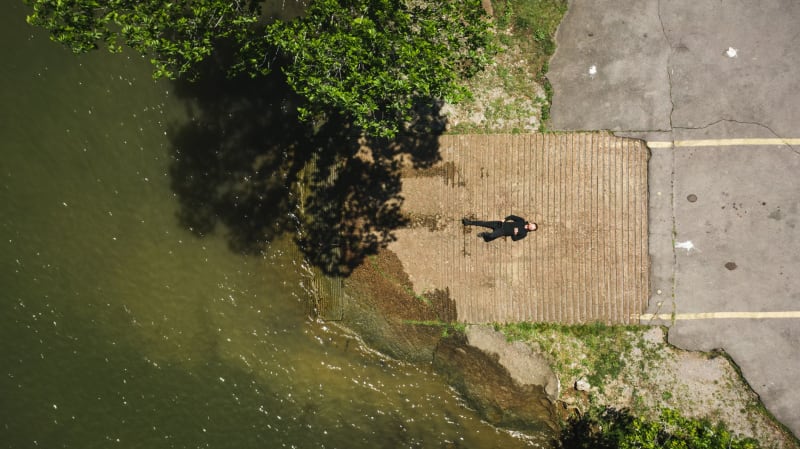 tennessee
 Reelfoot Lake
A lake that didn't exist before 1812, formed when a series of earthquakes so powerful they rang church bells in Boston caused the Mississippi to run backward and flood 15,000 acres of cypress forest — the trees are still standing.
Explore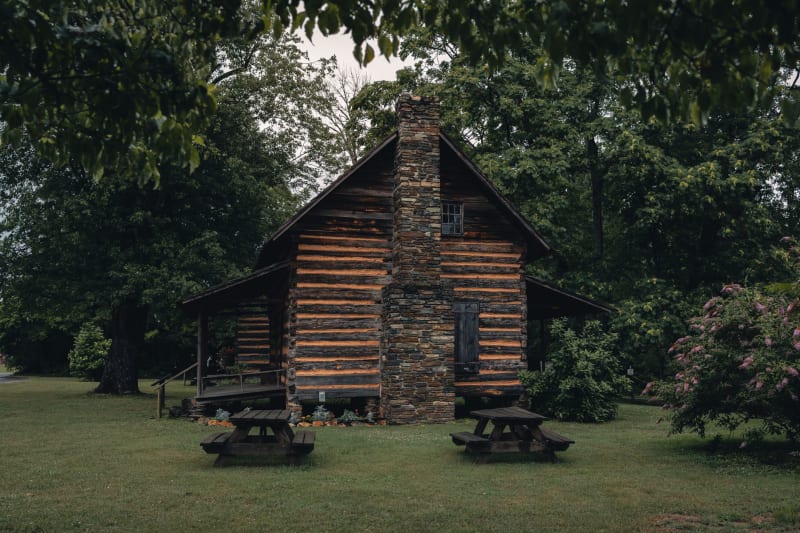 tennessee
 Shiloh
A national military park on the Tennessee River where 23,746 men were killed, wounded, or missing in two April days in 1862 — and where the land itself, quiet and green, still holds the shape of what happened.
Explore tennessee
 Cades Cove
A hushed Smoky Mountains valley ringed by ridgelines, still holding 19th-century log cabins, churches, and grazing white-tail deer at dawn.
Explore