
Yercaud
"We came looking for Ooty's cousin and left wondering why anyone bothers with Ooty at all."
A quiet coffee-scented hill station where a jade-green lake and mist-wrapped viewpoints outshine the crowds of Tamil Nadu's bigger hills.

Lia found Yercaud on a map almost by accident, a scribble of switchbacks climbing out of the Salem plains into the Shevaroy Range. We’d been warned off Ooty by a Bangalore friend who called it “a parking lot with a lake,” so when he mentioned this smaller hill station nicknamed the “Poor Man’s Ooty,” we rerouted without much debate. The drive up took longer than expected, the road doubling back on itself through curtains of coffee bushes, and by the time we reached 1,515 meters my ears had popped twice and the air had gone thin and cool in a way that felt like a small miracle after weeks of Chennai humidity.
The town itself organizes around Yercaud Lake, which locals also call the Emerald Lake, and the name Yercaud makes sense the moment you see it: “yeri” for lake, “kaadu” for forest, the two words fused into the place itself. We rented a rowboat for less than the price of a coffee back in Mexico City and paddled past families picnicking on the banks, the water genuinely emerald under the afternoon light, ringed by hills thick with coffee plantations and the occasional orange grove flashing orange against all that green.

We hiked out to Lady’s Seat one evening, arriving just as the light started going gold over the valley, and then again the next morning to Pagoda Point, where the mist hadn’t fully burned off and the view came and went in waves. Kiliyur Falls took more effort, a steep descent that had Lia complaining about the climb back up before we’d even reached the bottom, but the falls themselves, dropping through a narrow gorge, were worth every step. On our last afternoon we walked up to the Shevaroy Temple, dedicated to the goddess Servarayan, whose name gives the whole range its own — a modest, unhurried place that felt like the right way to close out a trip that had been unhurried from the start.

What stayed with me most, though, was breakfast at our guesthouse: local coffee, still faintly smoky, and a plate of bananas grown somewhere on the slope just outside. Nothing dramatic, just good coffee in a quiet town that never once made me feel like I was fighting a crowd for the view.
When to go: Aim for April to June or October to February — that’s when Yercaud’s cool air and clear skies are at their best, well before or after the monsoon turns those switchback roads treacherous.
Keep exploring
More from Tamil Nadu
 tamil-nadu
Chennai
A city that swallows you whole — diesel fumes and jasmine garlands, Carnatic music bleeding from doorways, the Bay of Bengal glinting at the end of every eastward street.
Explore tamil-nadu
Chettinad
A cluster of villages in the arid heart of Tamil Nadu where a merchant dynasty built improbable mansions, developed the most complex cuisine in South India, and then mostly left.
Explore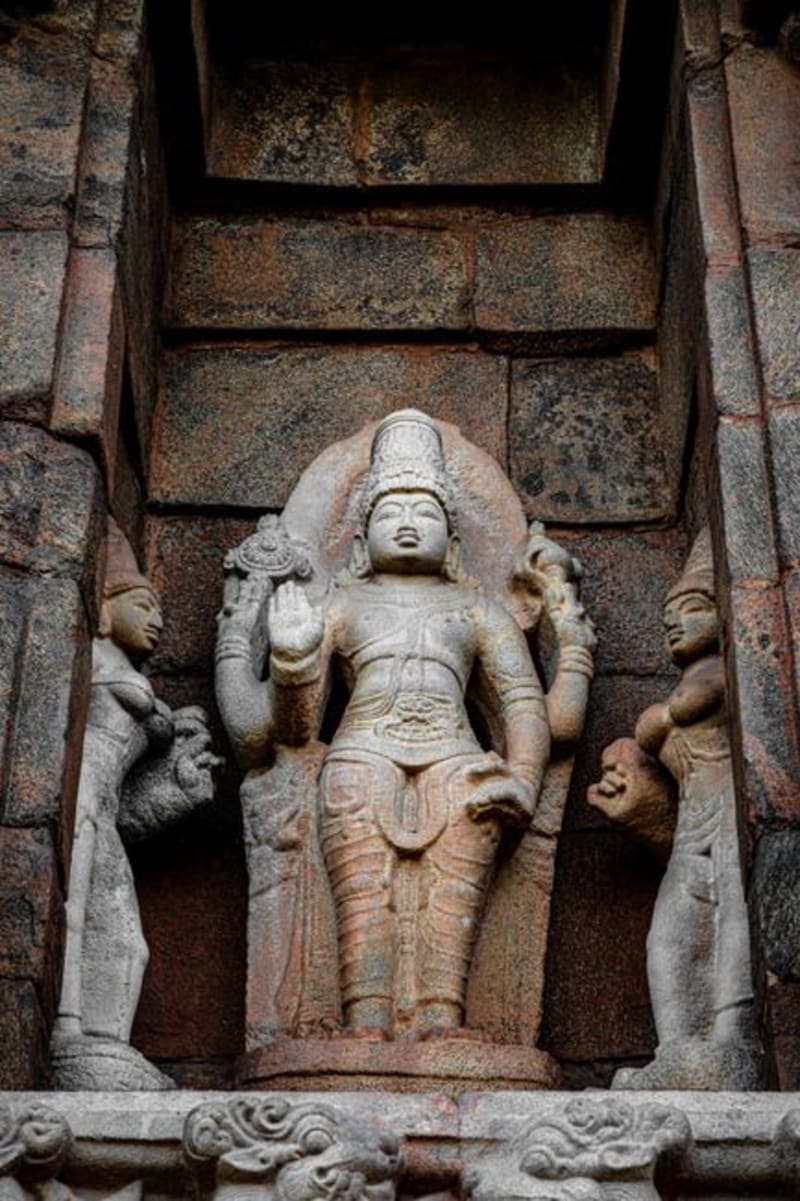 tamil-nadu
Gangaikonda Cholapuram
A forgotten Chola capital in the Ariyalur countryside, where a 1,000-year-old temple stands nearly alone in the fields.
Explore tamil-nadu
Kanchipuram
A city of a thousand temples and ten thousand silk looms, where ancient Dravidian architecture and the most technically demanding weaving tradition in India exist in the same grid of streets.
Explore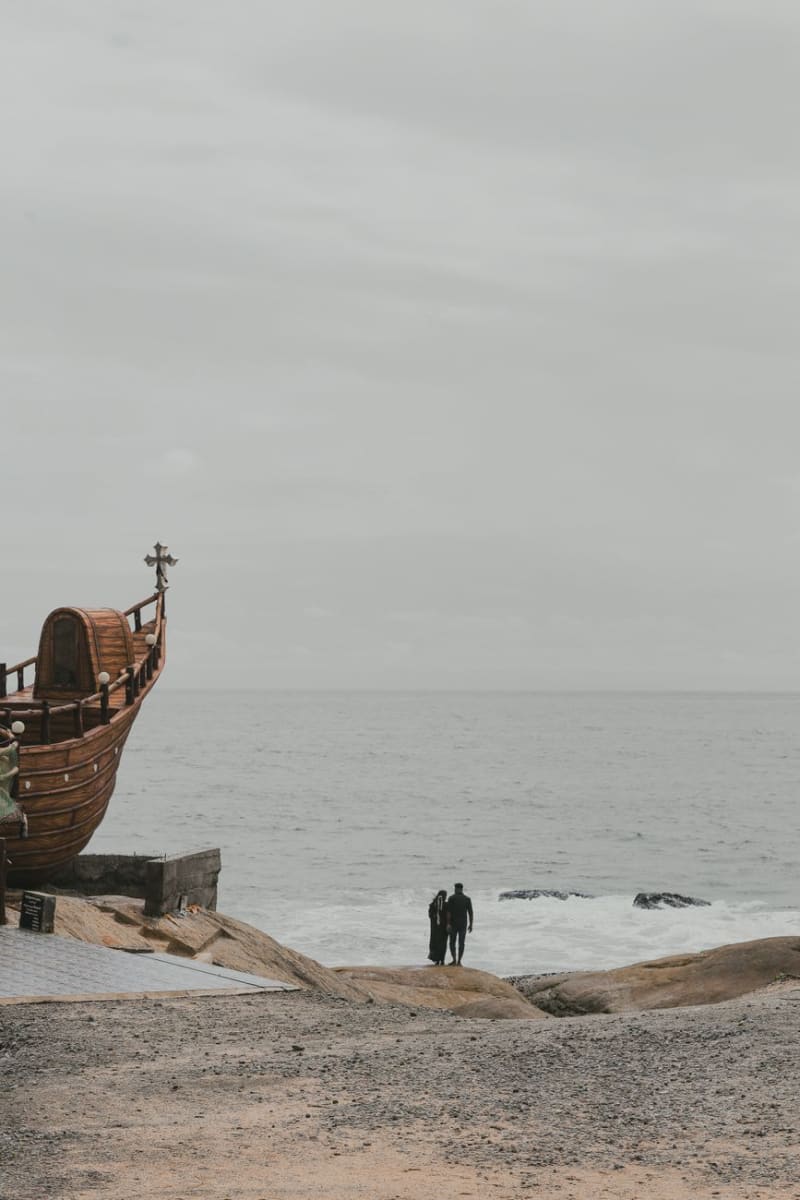 tamil-nadu
Kanyakumari
The southernmost tip of mainland India, where the Bay of Bengal, the Arabian Sea and the Indian Ocean meet in one restless line of water and the sun appears to both rise and set over the same horizon.
Explore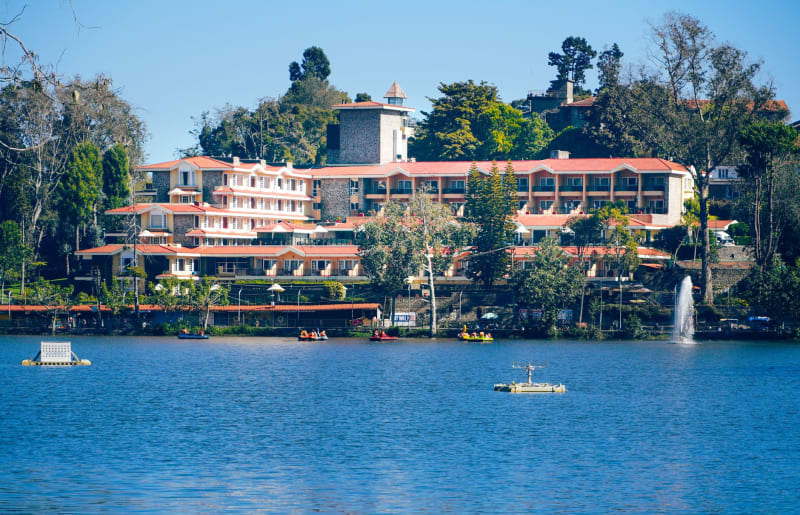 tamil-nadu
Kodaikanal
A hill station at 2,100 meters in the Palani Hills, built around a star-shaped lake and hidden inside a cloud forest that smells of eucalyptus and cold water.
Explore