Ooty
"The train takes four hours to climb what a car does in ninety minutes, and the train is correct."
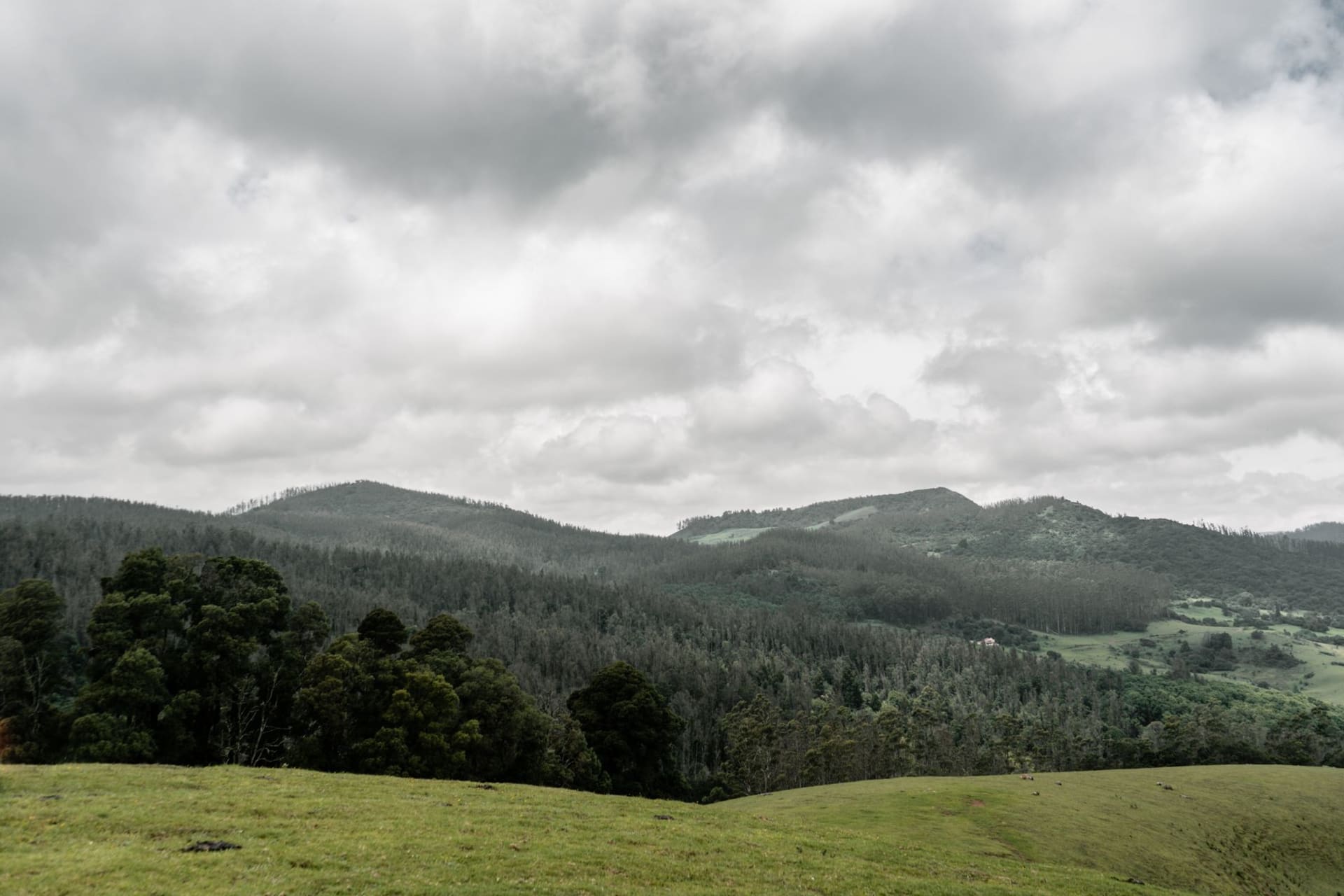
A British hill station marooned in the Nilgiris at 2,200 meters, where eucalyptus forest, tea estates, and a toy train conspire to make you forget you're in South India.

The Toy Train
The Nilgiri Mountain Railway is a UNESCO World Heritage Site and also just a very good train — a narrow-gauge rack-and-pinion line that climbs from Mettupalayam in the hot plains to Ooty at 2,240 meters in about four hours, covering 46 kilometers through 16 tunnels and across 250 bridges. The rack-and-pinion mechanism engages on the steep sections and you can hear it catching, a mechanical clicking that sounds like the train is thinking about whether it really wants to do this.
I took the morning train from Mettupalayam on a December day when the plains were already steaming and the air inside the coach smelled of old upholstery and tea. By the second hour the temperature had dropped ten degrees. By the third, mist was wrapping around the teak forest outside and you couldn’t see the valley floor anymore. Ooty is a destination that makes a strong case for preferring the journey.
Tea and the Nilgiris
The hills around Ooty are one of India’s major tea-growing regions, and the estates start appearing well before you arrive at the station — rolling terraces of bright green snipped to neat edges against the forest. The Nilgiri tea is different from Darjeeling: lighter, faster to brew, with a brisk astringency that the locals balance with milk and sugar. I drank a great deal of it.
Some estates offer tours, which involve walking the rows with a guide explaining the plucking and processing. The more useful experience, I found, was simply buying directly from the small factories — dusty operations in the hills where the tea smells of the mountains and costs almost nothing. The Ooty market also sells fresh eucalyptus oil, homemade chocolate (a Ooty institution dating to the British period), and the aromatic Nilgiri pepper, which has a different heat profile from the black pepper I was used to.
The Botanical Gardens and Dodabetta
The colonial footprint in Ooty is visible everywhere — the Botanical Gardens were established in 1848 and laid out with the confident order of a Victorian institution, and they’re still well kept. I walked them on a foggy morning with nobody around except groundskeepers and a few local school groups. A vast fossilized tree trunk sits in the middle of one section like a geological joke.
Dodabetta, the highest peak in the Nilgiris at 2,637 meters, offers a panorama on clear days that stretches to the plains. I went on a morning when the clouds cleared briefly and the landscape below looked improbably green, a different planet from the Tamil Nadu coast I’d come from. The road up passes through shola forest — dense, low, silver-barked — that exists nowhere else in the world except these Southern Indian highlands.
Staying Put in the Cold
Ooty is genuinely cold by Tamil Nadu standards, cold enough for wool at night in winter. After weeks of coastal heat this felt medicinal. The town itself is not beautiful in any conventional sense — a bit of a scramble, congested in the center — but the surrounding countryside is, and the best move is to base yourself somewhere on the outskirts and walk or cycle the back lanes between tea estates and eucalyptus stands in the early mornings before the tourist traffic arrives.
When to go: April and May are peak season (Indians escaping the plains heat), which means crowds and higher prices. October through February is my preference — cool, sometimes cold at night, less crowded, with the landscape a deep green after monsoon. June–September brings the southwest monsoon with heavy rain and mist; not unpleasant but roads can close.
Keep exploring
More from Tamil Nadu
 tamil-nadu
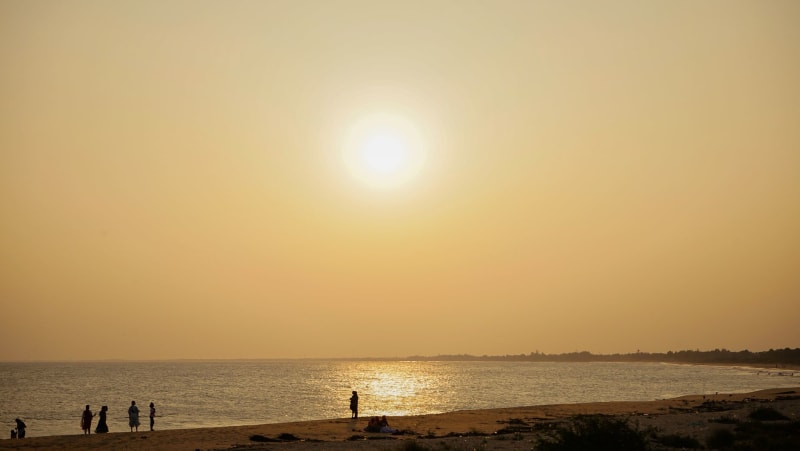
Pondicherry
A former French colonial enclave on the Coromandel Coast where Tamil culture and French urban planning collide in a town of yellow walls, bougainvillea, and excellent croissants.
Explore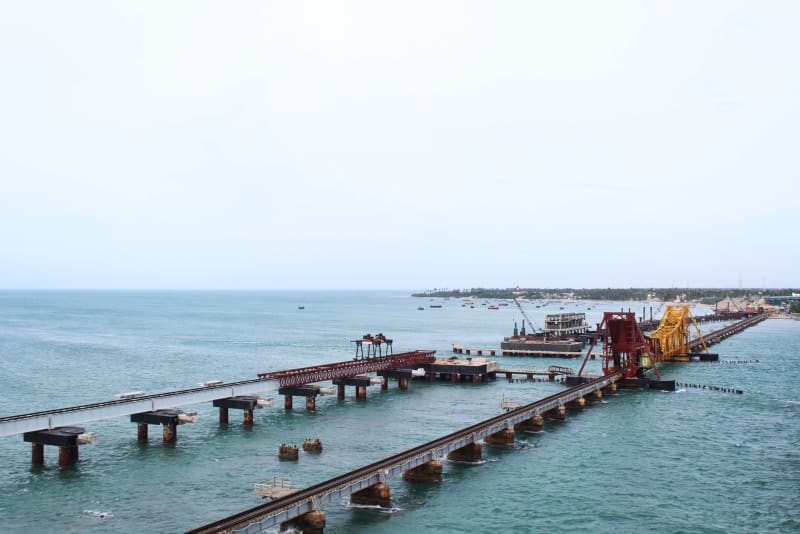 tamil-nadu
Rameswaram
An island at the tip of a peninsula, twenty kilometers from Sri Lanka, where one of Hinduism's most sacred pilgrimage sites rises from a landscape that feels scraped clean by salt wind.
Explore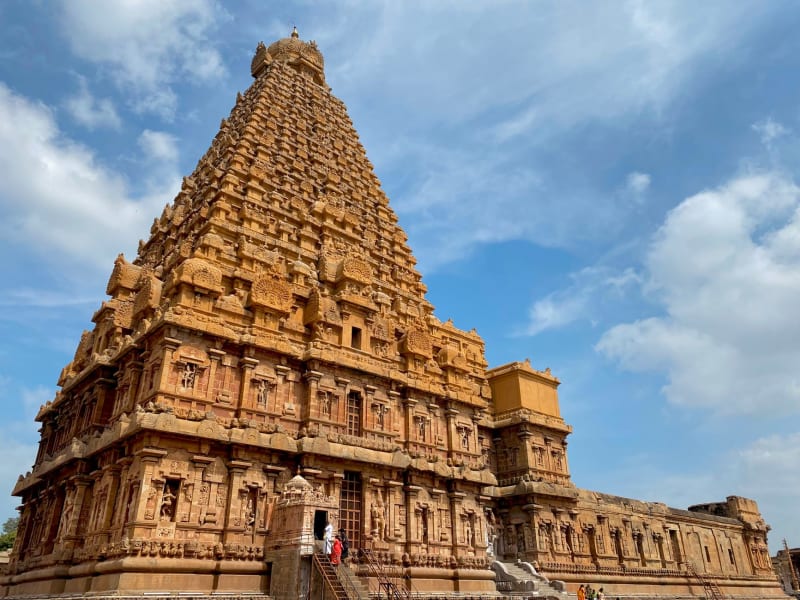 tamil-nadu
Thanjavur
The Chola capital that gave South India its defining aesthetic — a city where a thousand-year-old granite temple still sets the visual standard for everything around it.
Explore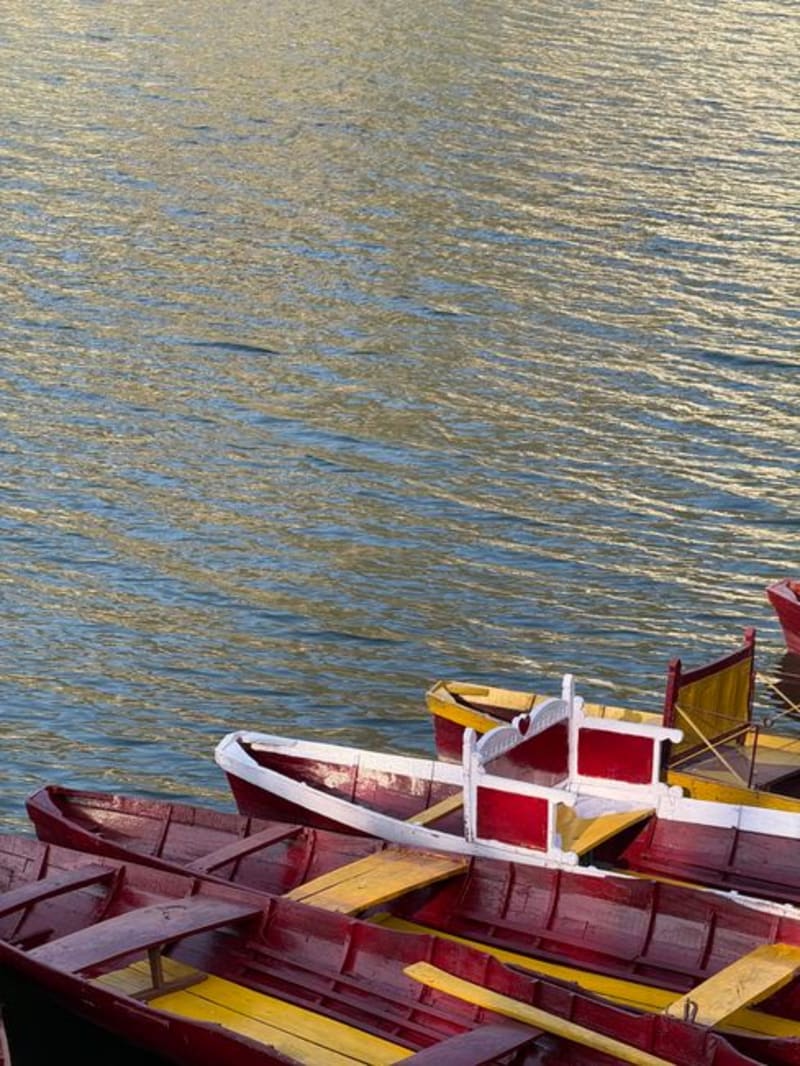 tamil-nadu
Yercaud
A quiet coffee-scented hill station where a jade-green lake and mist-wrapped viewpoints outshine the crowds of Tamil Nadu's bigger hills.
Explore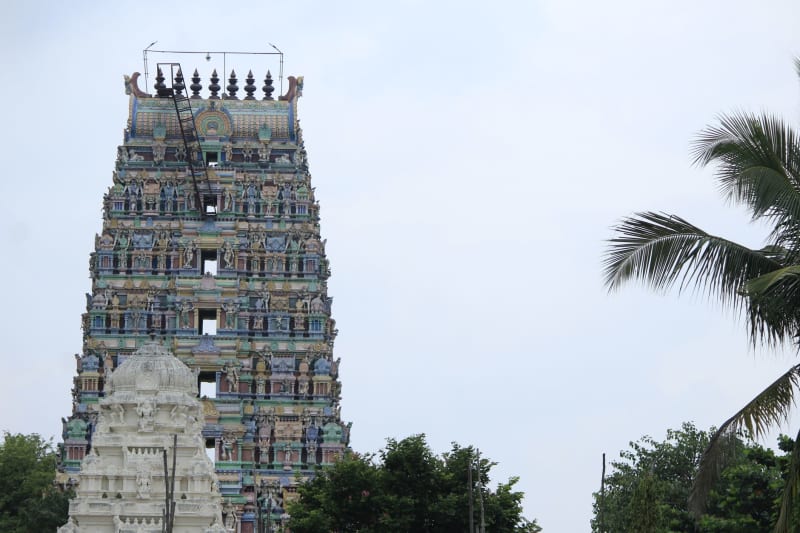 tamil-nadu
Chennai
A city that swallows you whole — diesel fumes and jasmine garlands, Carnatic music bleeding from doorways, the Bay of Bengal glinting at the end of every eastward street.
Explore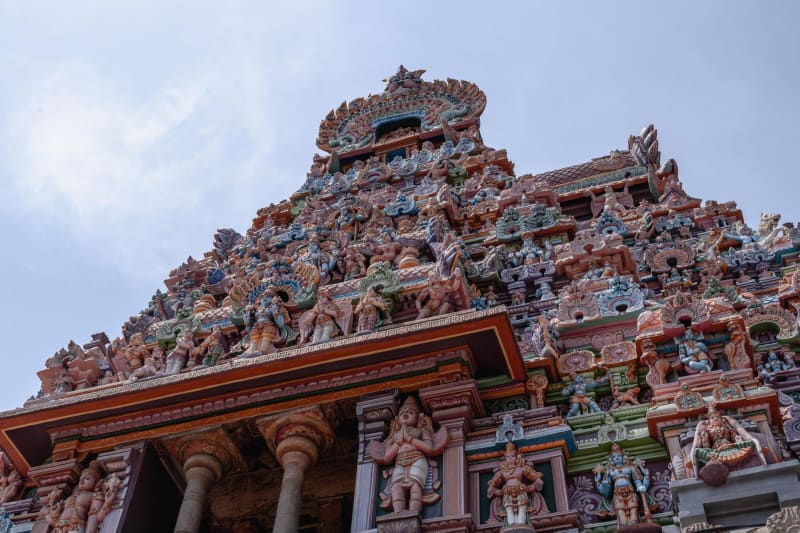 tamil-nadu
Chettinad
A cluster of villages in the arid heart of Tamil Nadu where a merchant dynasty built improbable mansions, developed the most complex cuisine in South India, and then mostly left.
Explore