Karima
"I climbed Jebel Barkal at five in the morning and had the whole of Nubia's pyramid fields to myself, not another footprint in the sand."
A dusty Nile-side town crouched beneath the sacred mountain of Jebel Barkal, the quietest base imaginable for wandering among Nubia's pyramid fields.

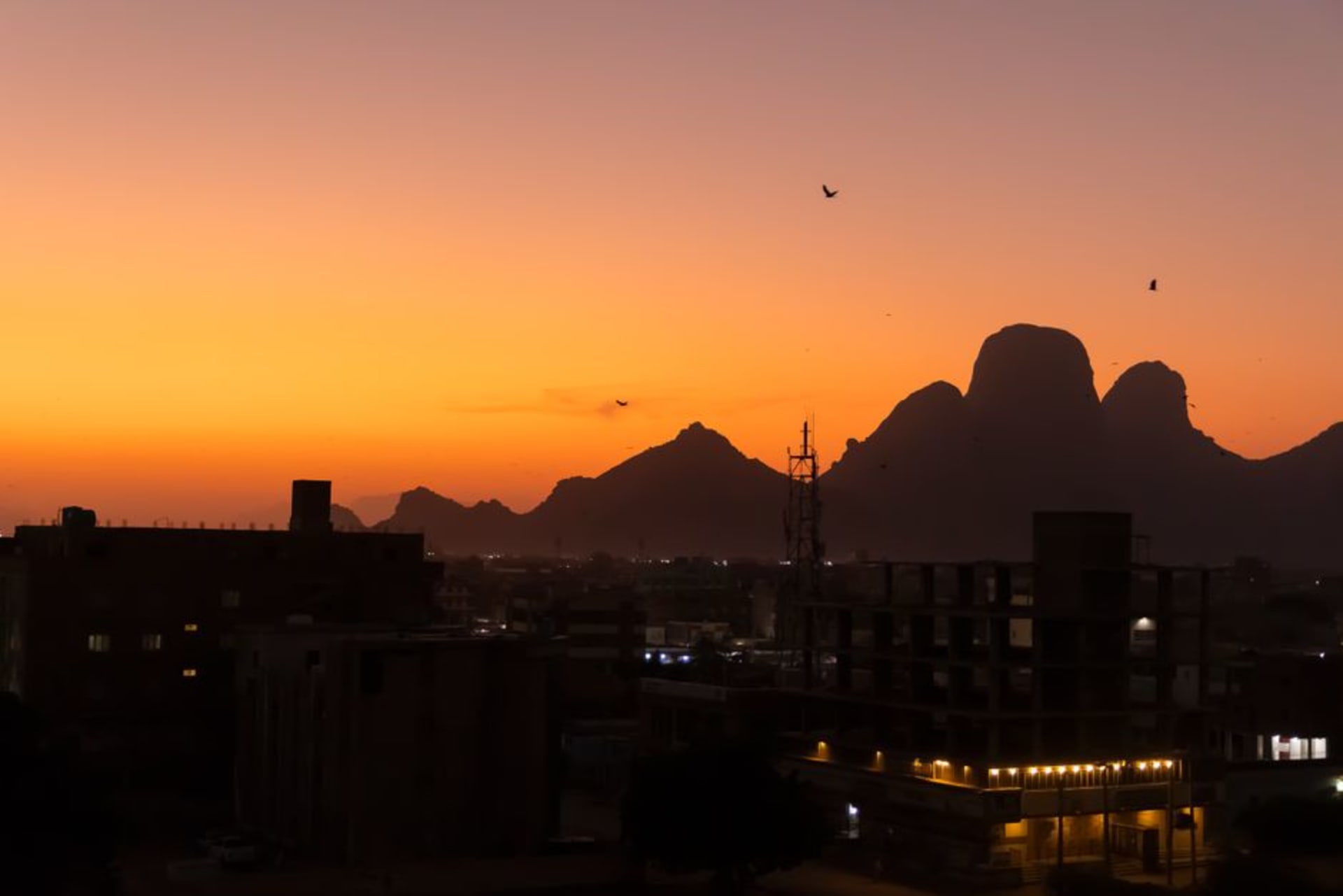
Nobody warns you how small Karima is going to feel after Khartoum, and that smallness is exactly the point. The town sits on a bend of the Nile with Jebel Barkal rising directly behind it — a flat-topped sandstone massif that the ancient Egyptians and later the Kushites believed was the literal seat of the god Amun, a pinnacle of rock jutting from its western corner like a natural obelisk placed there for their convenience. I stayed in a small guesthouse run by a family who fed me ful and fresh bread every morning without ever quite explaining what else was on the menu, because there wasn’t anything else. I didn’t mind. After the noise of the capital, the quiet felt like a held breath finally released.
I climbed the mountain before dawn, mostly because the heat by nine in the morning makes any exertion feel like a bad decision, and reached the flat summit as the sky was turning the color of weak tea. From up there you can see the whole reason people still make this pilgrimage: the pyramids of the Napatan kings and queens, dozens of them, steeper and smaller than their Egyptian cousins, scattered across the sand at the mountain’s base in clusters that catch the first light and throw long blue shadows toward the river. I counted maybe three other tourists that entire morning, and two of them were a Sudanese family visiting from Khartoum, not foreigners at all.

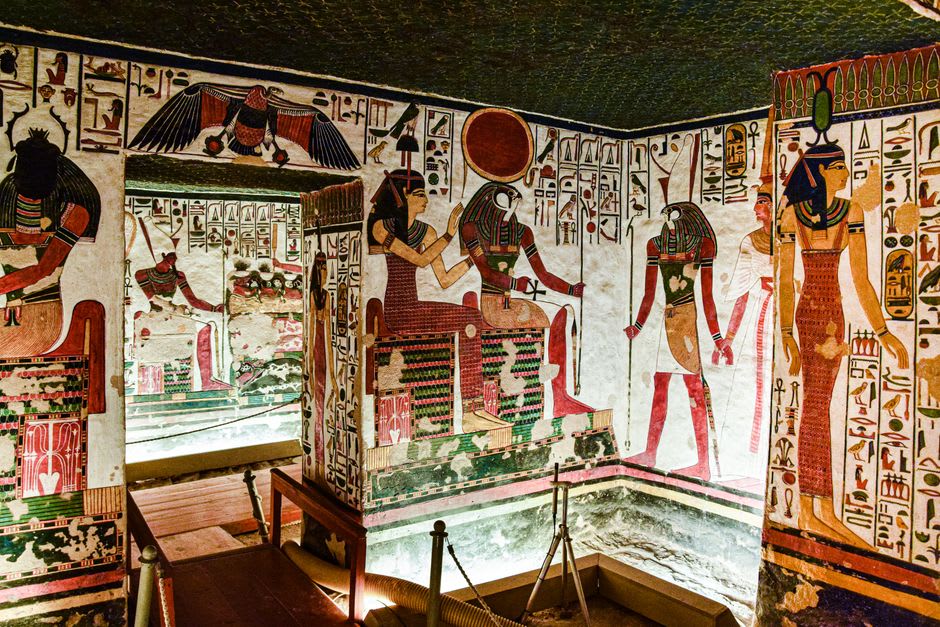
The pyramid field directly under Jebel Barkal is the most photographed, but the real discovery, at least for me, was driving out to Nuri and El-Kurru, two older royal cemeteries a short distance away where the pyramids are more ruined, more overgrown at the base, and completely unguarded except by a single caretaker who unlocked a padlocked gate and let me down into a burial chamber with nothing but his own flashlight and mine. The walls down there still hold traces of painted relief — Osiris, offering scenes, hieroglyphs cut three thousand years ago — and the caretaker talked me through what I was looking at in a mixture of Arabic and pointed gestures that somehow communicated more than a printed guidebook ever could.
What stayed with me longest wasn’t even the archaeology, though it earns every superlative thrown at it. It was the evenings — sitting by the Nile as the light went orange, watching a felucca drift past with a single figure poling it along, the mountain behind me turning from gold to grey to black against a sky suddenly thick with stars, no ambient light for a hundred kilometers in any direction to dull them. Karima doesn’t try to sell you anything. It just sits there, patiently, being one of the more extraordinary places I have stood.
When to go: Visit between November and February, when daytime temperatures are survivable for the pyramid climbs and the desert light is at its sharpest and clearest.
Keep exploring
More from Sudan
 sudan
sudan Kassala
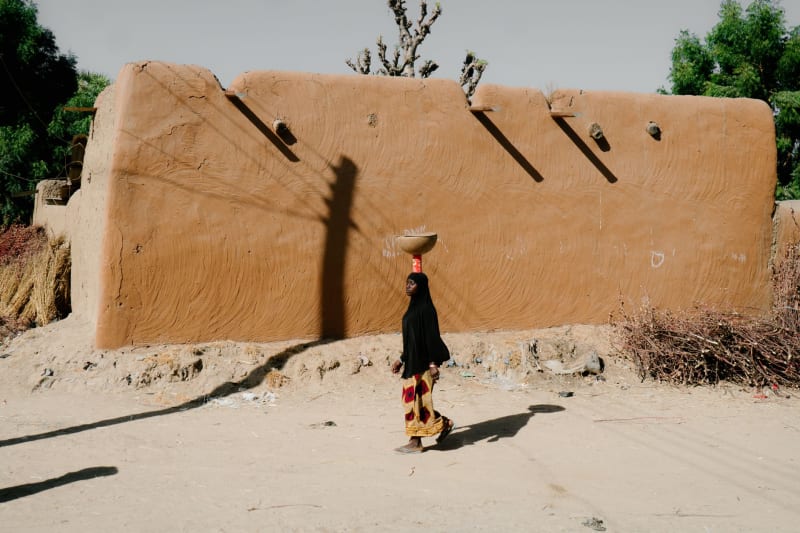
A frontier city in eastern Sudan where dramatic granite rock formations erupt from the plain, Rashaida nomads sell camels at dawn, and the border with Eritrea feels close enough to smell the different country.
Explore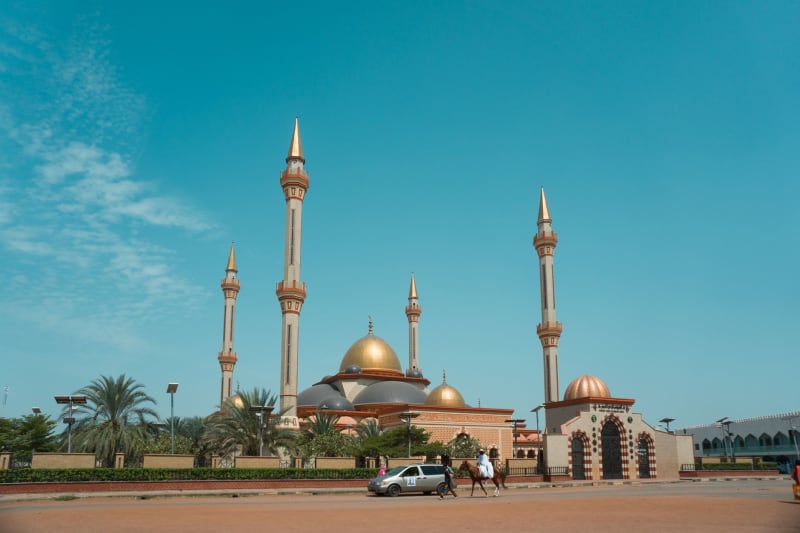 sudan
sudan Khartoum
A capital city built at the exact point where the Blue and White Nile merge, where the tea is always sweet, the heat is always serious, and the light on the water at evening is unlike anything I've seen.
Explore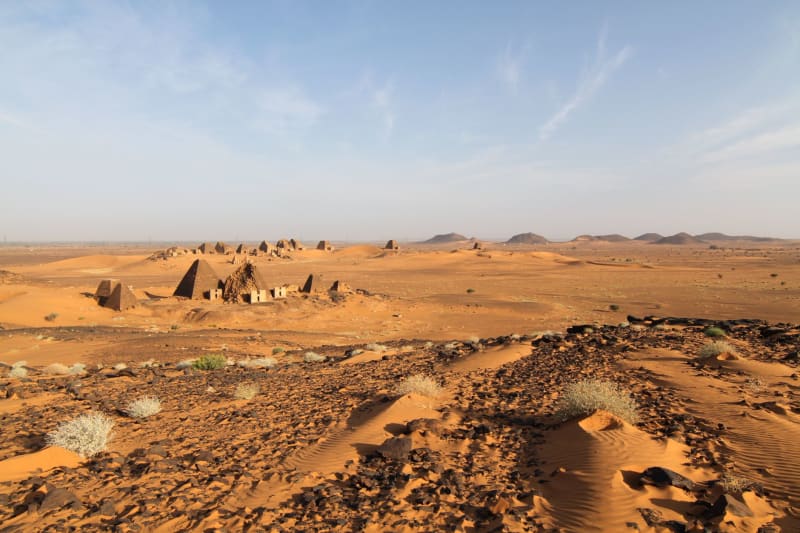 sudan
sudan Meroe
Dozens of steep Nubian pyramids rise from red desert sand with no crowds, no fences, and almost no other visitors — Africa's most dramatic ancient site almost nobody knows about.
Explore sudan
sudan Musawwarat es-Sufra
A sprawling Meroitic temple complex hidden in the desert valleys north of Khartoum, where elephant carvings and a labyrinth of sandstone corridors stand almost entirely alone.
Explore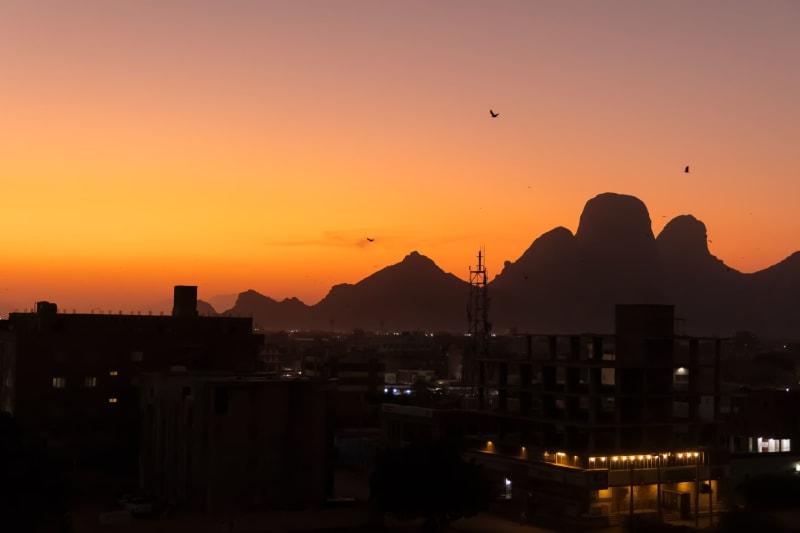 sudan
sudan Naga
A remote ancient city in the Sudanese desert where a temple to a lion-headed god stands intact with no fence around it, no visitors center, and no one between you and two thousand years of silence.
Explore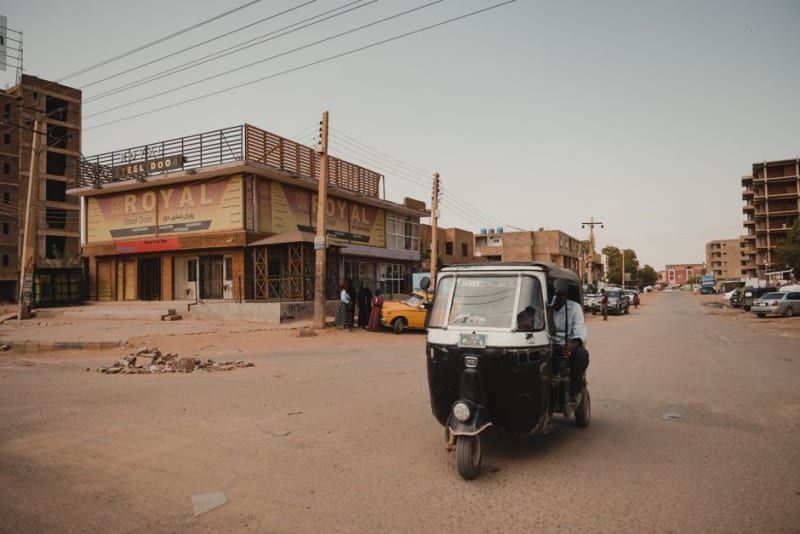 sudan
sudan Nyala
Darfur's sprawling largest city and the practical jumping-off point for the cooler, greener Jebel Marra highlands rising to its west.
Explore