Europe
South Tyrol
"I asked for a coffee and got a world that couldn't make up its mind."
A place where Austria forgot to leave and Italy never quite arrived — and the food, the wine, and the light are all the better for it.

I arrived in Bolzano on a train from Verona, and within ten minutes of stepping off I couldn’t decide what country I was in. The menus were in German first, then Italian. The shop signs had umlauts. An old man at the bar ordered his Verlängerter — a long espresso — in a South Tyrolean dialect that sounded like nothing I’d ever heard spoken in either Munich or Milan. I stood there with my small bag and thought: yes, this is going to be interesting.
South Tyrol is one of those rare places where the collision of two cultures didn’t produce a muddy compromise but something genuinely third and its own. The cooking alone should settle the argument: you get Speck — dry-cured, juniper-smoked ham — alongside hand-rolled Schlutzkrapfen pasta stuffed with spinach and ricotta, washed down with Lagrein, a grape so tannic and dark it looks almost black in the glass, grown nowhere else on earth with quite the same intensity. I ate at a Buschenschank — a farmhouse wine tavern — outside Caldaro one afternoon, a place that had no printed menu and didn’t seem to care whether you stayed for one hour or four. I stayed for three.
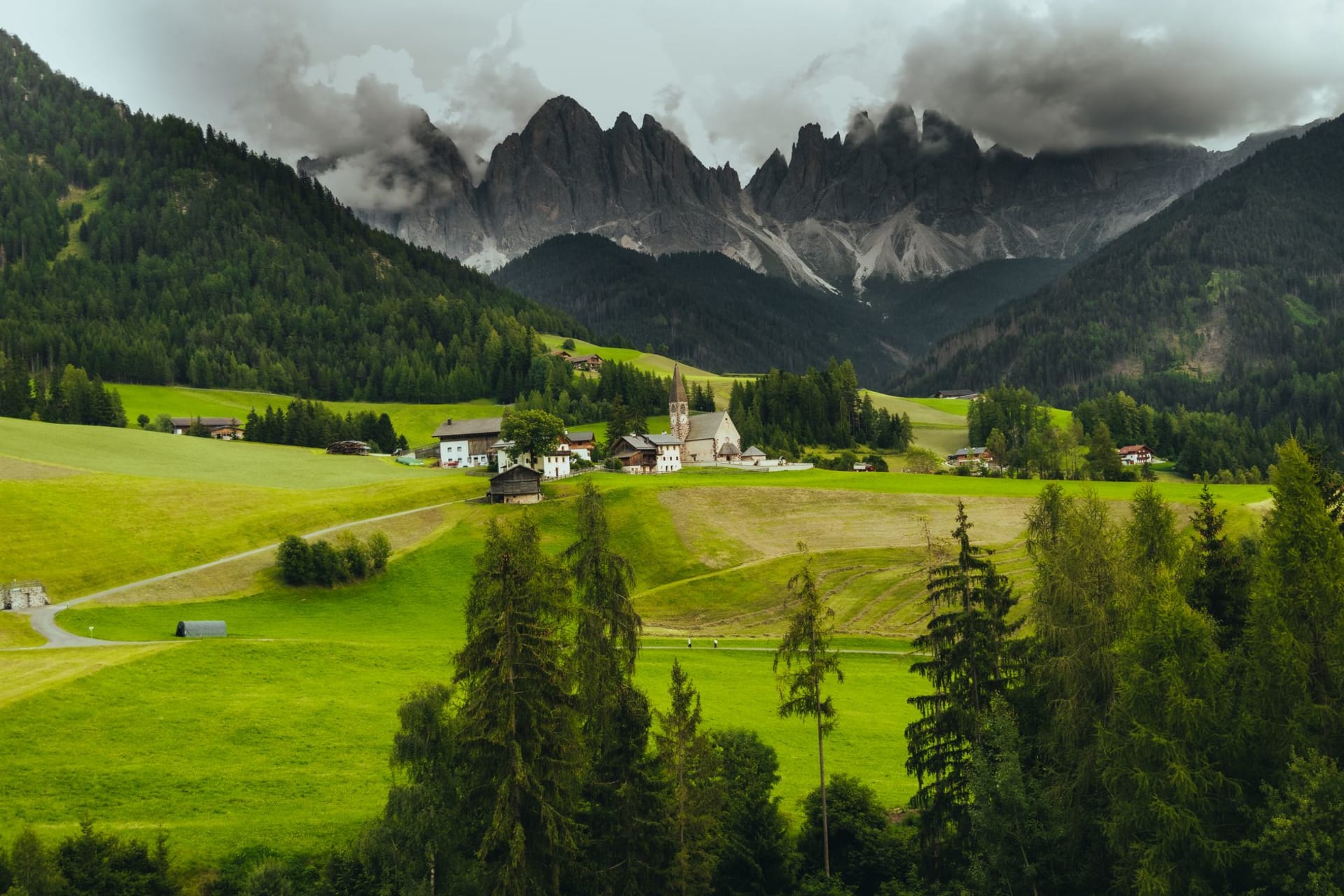
The landscape is not subtle. The Dolomites here are the Dolomites at their most theatrical — pale limestone towers going orange-pink at dusk, meadows so green they look painted, and villages like Ortisei and Santa Magdalena that appear to have been arranged by someone who wanted to make postcards redundant by simply making reality look better. What surprised me was how easy it is to get away from the well-worn ski-resort circuits. Rent a bike, take any valley road heading east, and within an hour you’ll be alone with a wooden chapel, a stream, and cows wearing bells that ring clean across the silence.
When to go: June through early July for wildflowers and uncrowded trails; September for harvest season, wine festivals in the Caldaro and Terlano valleys, and the best light of the year. Avoid August — every Italian with a car has the same idea. Winter is spectacular if you ski, but the villages lose their local rhythm to the resort machine.
What most guides get wrong: They frame South Tyrol as a hiking-and-skiing destination with good food on the side. It’s the reverse. The real reason to come is the food culture — the intersection of Austrian farmhouse cooking, Italian wine-bar ease, and local craft producers who’ve been doing this for generations. The mountains are the backdrop. The table is the point.
Explore
Places in South Tyrol
 south-tyrol
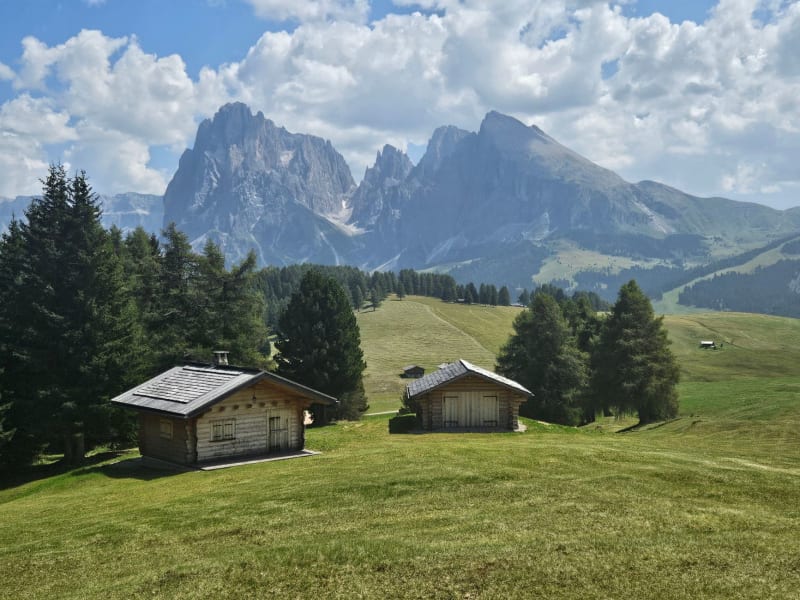
 Alpe di Siusi
Europe's largest high-altitude alp — a vast treeless plateau of summer wildflowers and winter snowfields suspended above the valleys, with the Dolomite spires of the Sassolungo as a backdrop that looks fabricated.
Explore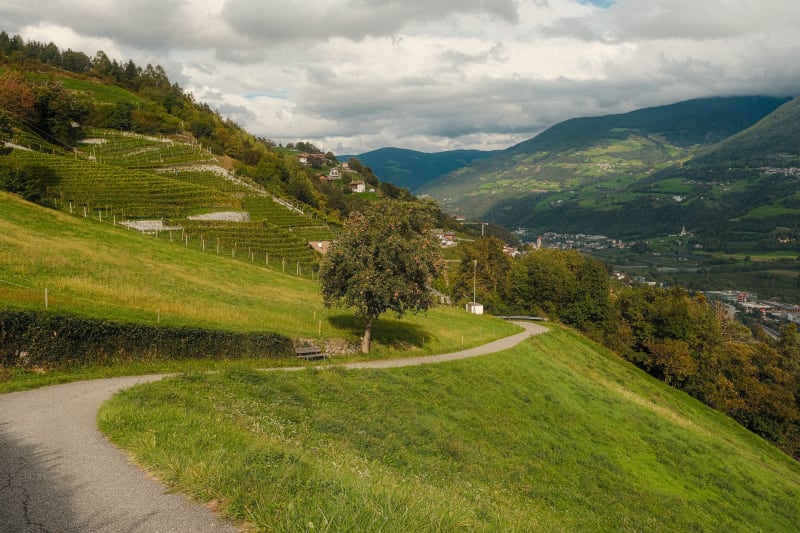 south-tyrol
 Bolzano
A bilingual city where Italian espresso culture and Austrian Stuben coexist under the same arcaded porticoes, and a 5,300-year-old man stares at you from behind refrigerated glass.
Explore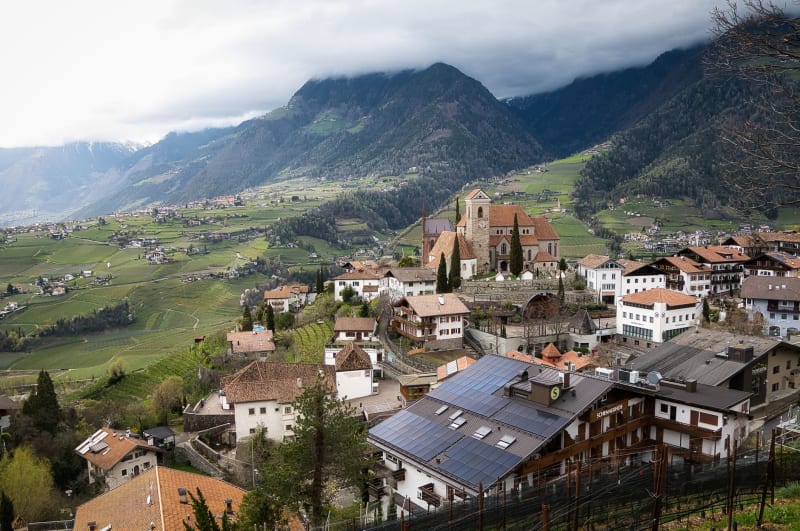 south-tyrol
 Bressanone
One of the oldest cities in the Alps, shaped by a thousand years of episcopal authority, where a Baroque cathedral and vine-covered cloisters occupy the center and the surrounding hills produce wine that gets quietly exported and rarely celebrated.
Explore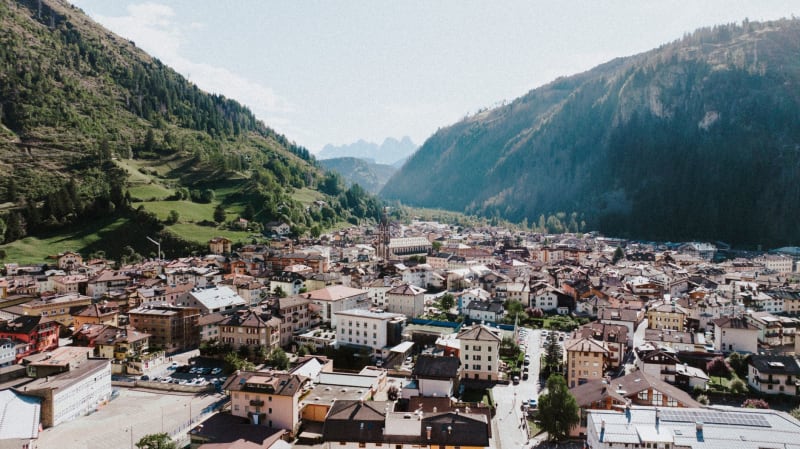 south-tyrol
 Brunico
The market town of the Puster Valley, compact and unhurried, where a medieval high street runs uphill toward a bishop's castle and the world's most obsessive mountaineer has built a chain of museums.
Explore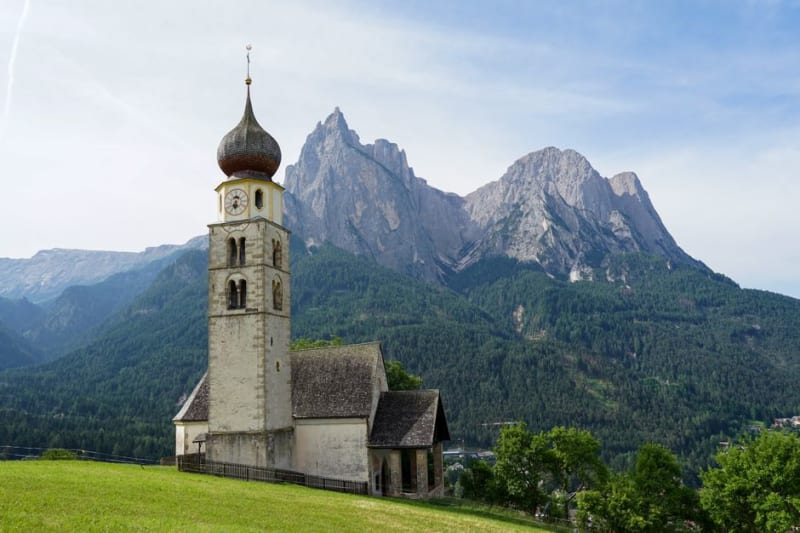 south-tyrol
 Castelrotto
A village of onion-domed church spires and flower-heavy balconies perched above the wide green meadows of the Alpe di Siusi.
Explore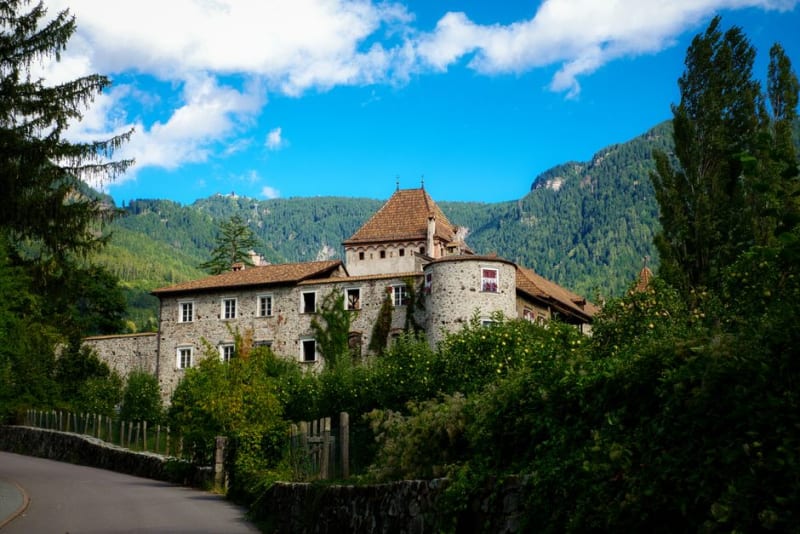 south-tyrol
 Glurns
A pocket-sized walled town near the Swiss border where the medieval ramparts are still fully intact and you can walk the whole loop in twenty minutes.
Explore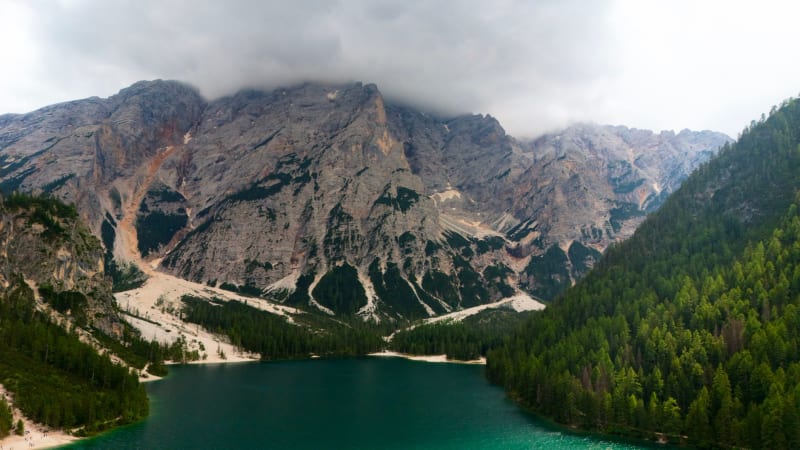 south-tyrol
 Lago di Braies
A turquoise lake at the end of a dead-end valley in the Dolomites, so photogenic it has generated its own overcrowding problem — and so beautiful it remains worth the effort of getting there early.
Explore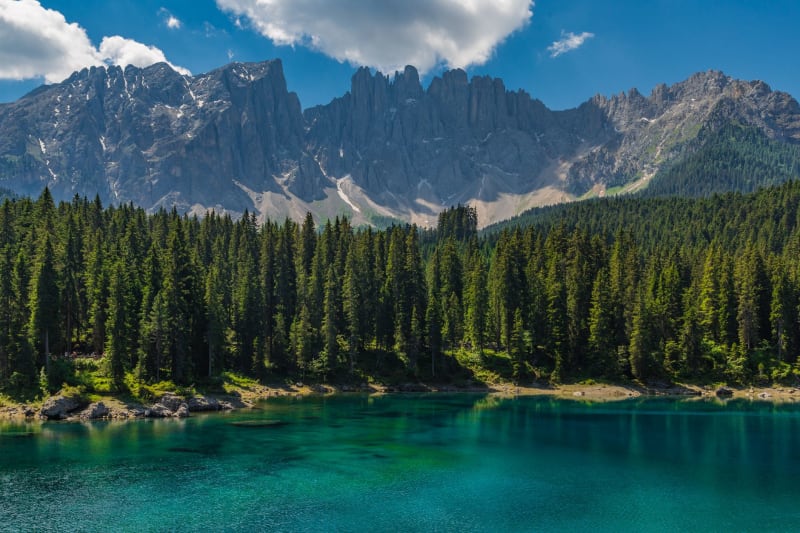 south-tyrol
 Lago di Carezza
A small alpine lake in the Dolomites whose impossibly green water mirrors the jagged Latemar range, ringed by dark spruce forest.
Explore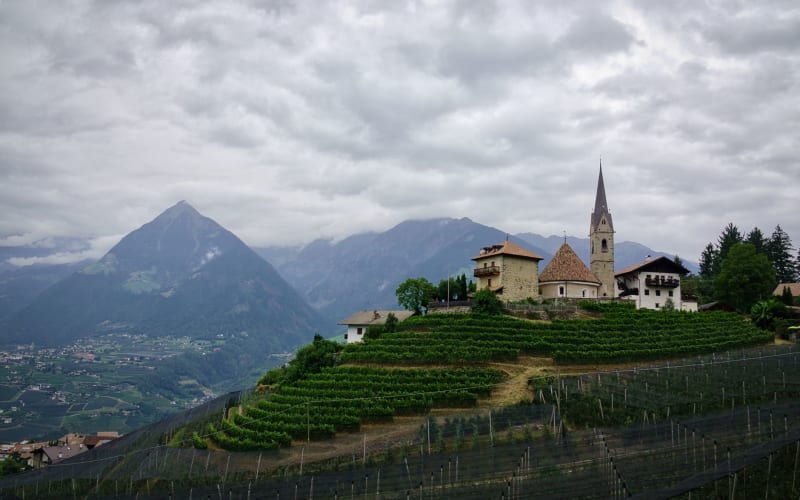 south-tyrol
 Merano
A Belle Époque spa town tucked into a narrow Alpine valley where thermal waters, castle gardens, and the ghost of Empress Sissi combine into something quietly, stubbornly elegant.
Explore south-tyrol
 Ortisei
A Dolomite village where cable cars swallow you up at the edge of town and spit you out among jagged grey peaks within minutes.
Explore south-tyrol
 Plan de Corones
A rounded Dolomite summit where Zaha Hadid buried a museum into the rock and left nothing but concrete slits framing the peaks beyond.
Explore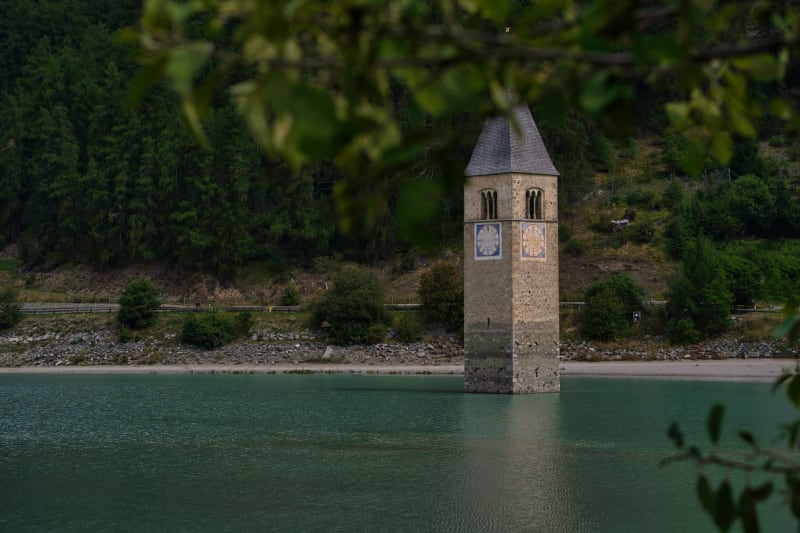 south-tyrol
 Reschensee
A reservoir in the upper Val Venosta built in 1950 by flooding three villages — the drowned 14th-century bell tower still rises from the water's surface as one of the most eerie landmarks in the Alps.
Explore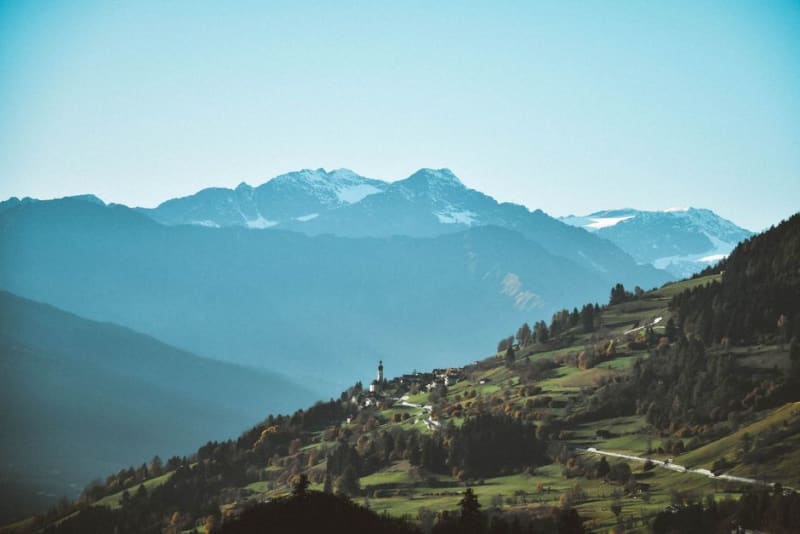 south-tyrol
 Sarentino Valley
A quiet side valley north of Bolzano where traditional grey felt hats are still handmade in small workshops most visitors never find.
Explore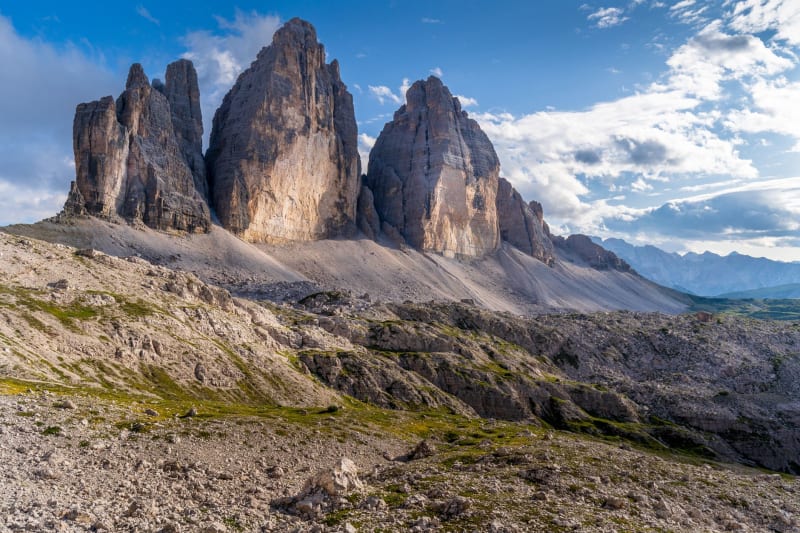 south-tyrol
 Tre Cime di Lavaredo
Three vertical dolomite towers rising above the treeline in the Sesto Dolomites, famous enough to be a cliché and extraordinary enough that standing beneath them dissolves the objection.
Explore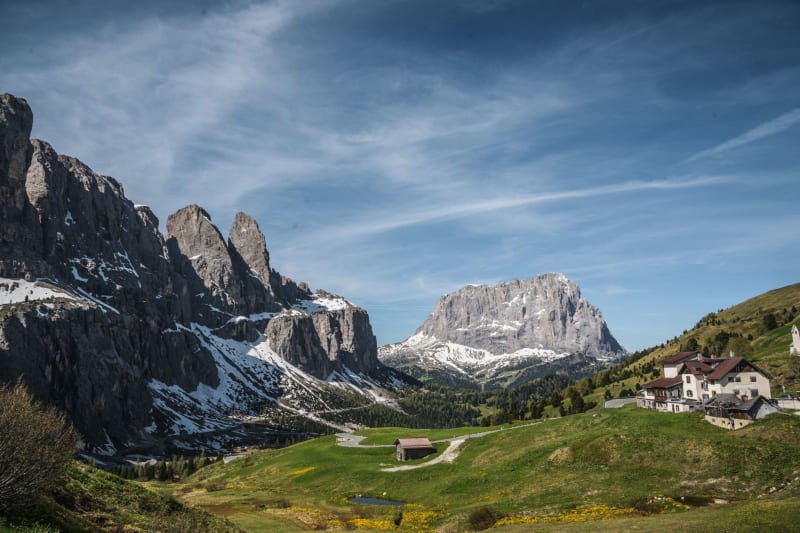 south-tyrol
 Val Gardena
A Dolomite valley where a third language — Ladin — survives between German and Italian, wood carvers have been at work for four centuries, and the surrounding peaks form the most dramatic ski circuit in the Alps.
Explore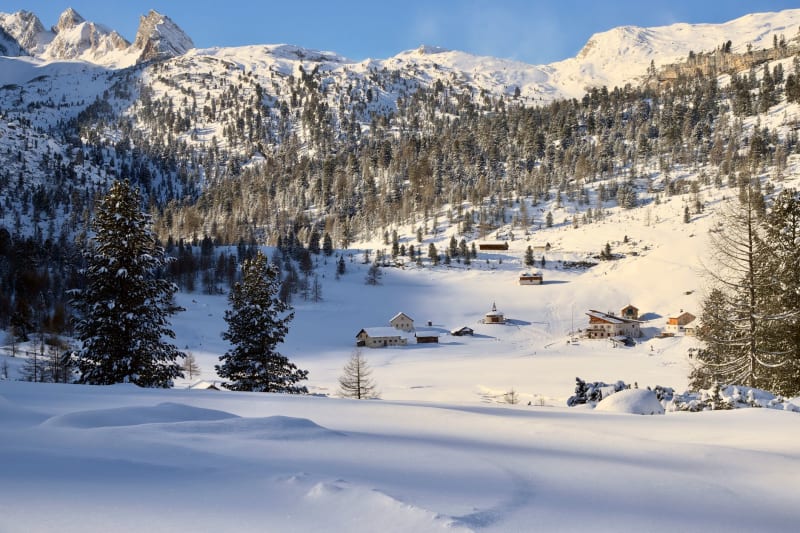 south-tyrol
 Val Pusteria
The long eastern valley of South Tyrol running from Brunico to the Austrian border, quieter than the Dolomite tourist circuit, lined with Baroque churches and working farms with the Sesto Dolomites rising at its far end.
Explore